
Levent Kenez/Stockholm
A collapse involving $20 billion in Turkish investment funds has spread from financial markets into politics and the news media, with journalists arrested, hundreds of social media accounts blocked and an independent television station taken over by the authorities.
The latest detention came on October 15, when police detained Bahadır Özgür, a journalist who had reported on disputed asset restrictions in the fund investigation. He was accused of violating the confidentiality of an investigation after detailing corrections to a list of people facing asset restrictions.
Turkey’s fund crisis erupted in mid-September, when Pusula Portföy, an asset management company, could not meet requests from investors seeking to withdraw their money. The pressure spread to other asset managers, including Tera Portföy, prompting a selloff on Borsa Istanbul, Turkey’s main stock exchange, and emergency intervention by financial regulators.
Turkey’s Capital Markets Board ordered the liquidation of 131 investment funds managed by seven companies. Official records showed 455,758 individual investors had stakes in affected funds with assets valued at about $18 billion. Earlier estimates exceeded $20 billion.

Some funds had invested heavily in shares of smaller companies with limited trading activity. Rising prices produced extraordinary paper gains, but the funds struggled to raise cash when investors demanded withdrawals. Prosecutors opened investigations into suspected market manipulation, fraud and unlawful financial transactions. No final judicial determination has established responsibility for the collapse.
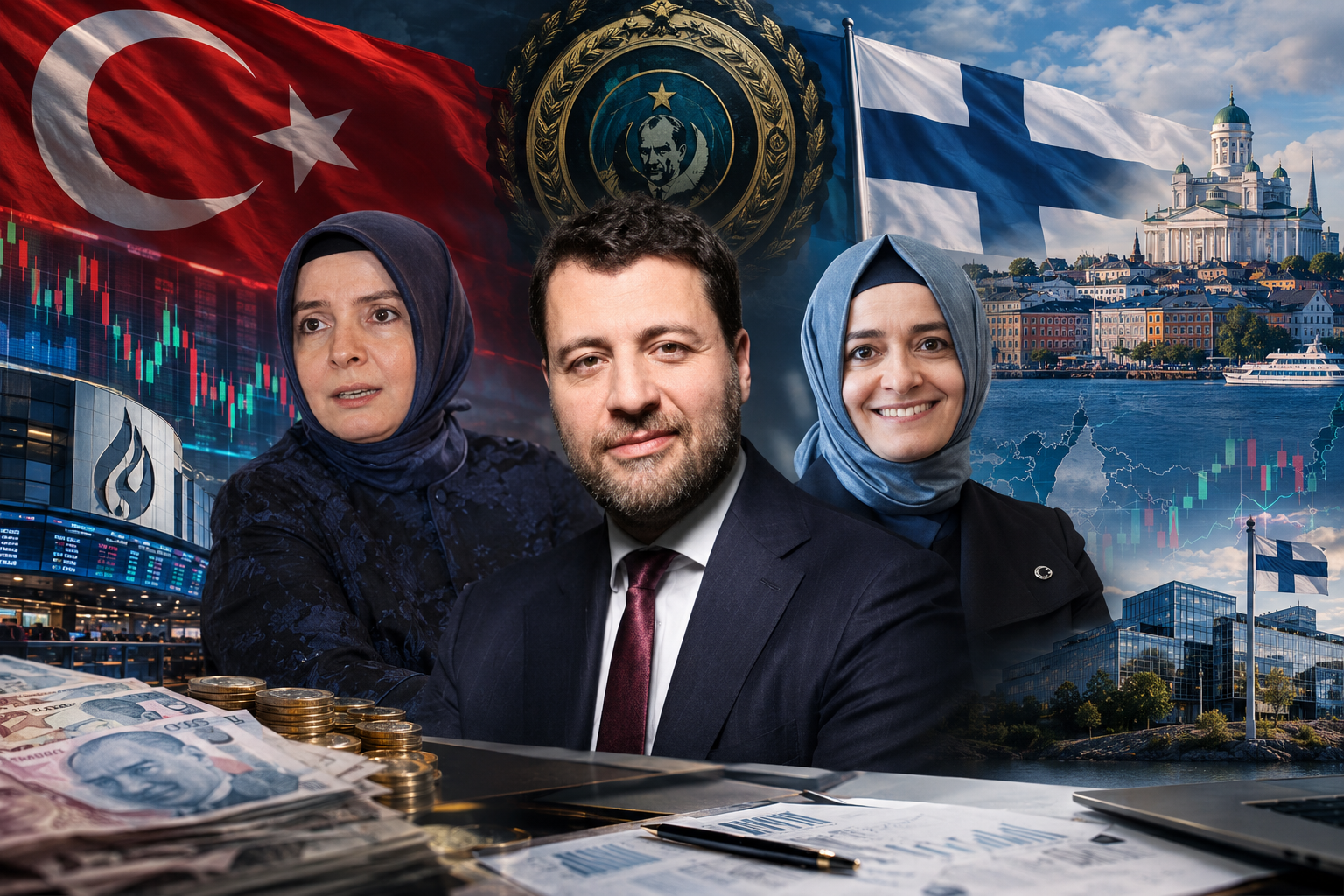
The criminal investigation soon reached figures linked to President Recep Tayyip Erdogan’s governing Justice and Development Party (AKP). Erdogan’s family friend and former family and social policies minister Fatma Betül Sayan Kaya and her husband, İlyas Kaya, were named as suspects over transactions connected to the troubled funds. Kaya resigned from her party posts in September, saying the investigation should proceed without obstruction.
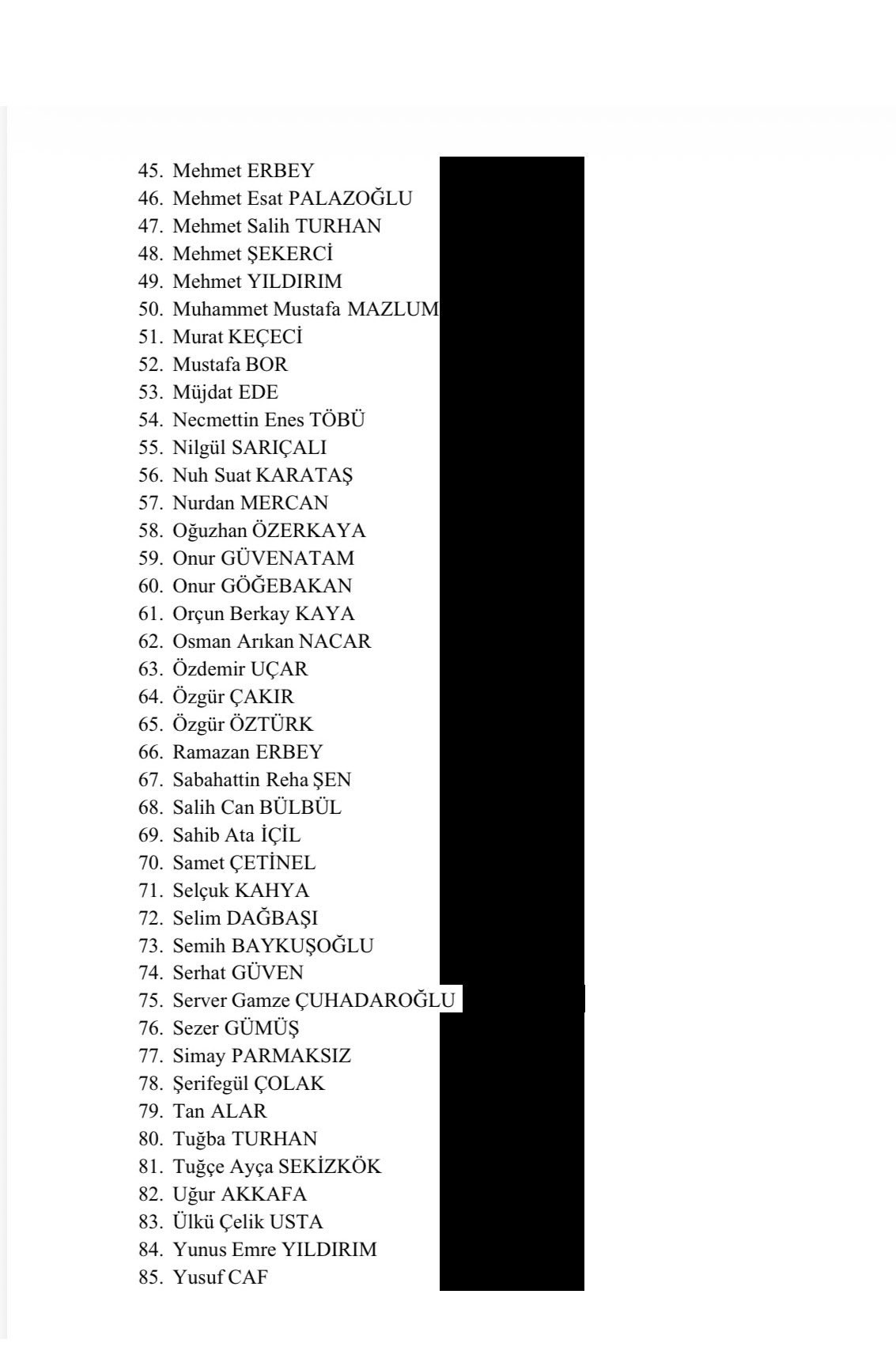
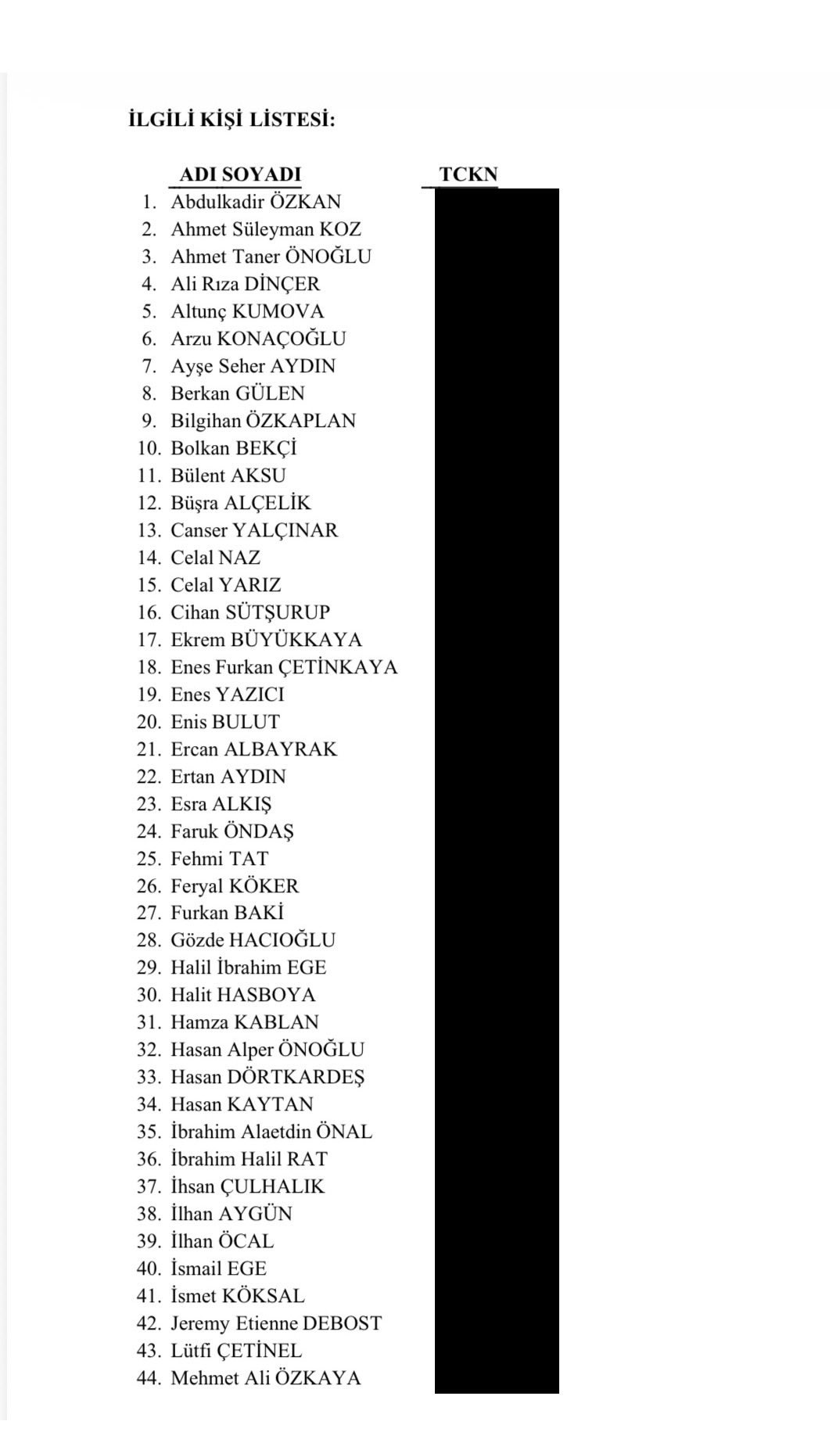
Özgür reported on October 13 that Istanbul prosecutors had circulated an order listing 141 people, including the Kaya couple, for asset restrictions. A subsequent letter said 29 names had been included inadvertently and instructed institutions not to take action against them. The correction identified a separate group and did not establish that the Kaya couple had been removed.
The report exposed conflicting official instructions during an investigation involving political figures and large sums of money. Özgür, a contributor to Halk TV, was detained on October 15 on suspicion of violating investigative confidentiality. Authorities had not publicly established whether his report on the corrected list was the specific basis for the accusation.
Other journalists faced prosecution for reporting on the scandal’s political connections. On October 9 an Istanbul court jailed pending trial Mustafa Balcı, an editor at the Sözcü newspaper, and Şaban Sevinç, editor of the Bizim TV online outlet, on charges of publicly disseminating misleading information.
Balcı had posted a photograph taken at an August 22 concert in the coastal resort of Bodrum. The image showed Erdogan’s aide and AKP spokesman Ömer Çelik seated one row ahead of Osman Arıkan Nacar, a businessman whose name had surfaced in allegations involving the investment funds. The photograph appeared after opposition leader Özgür Özel alleged that Çelik had vacationed with Nacar, whom he accused of leaving Turkey with 20 billion lira ($405 million).
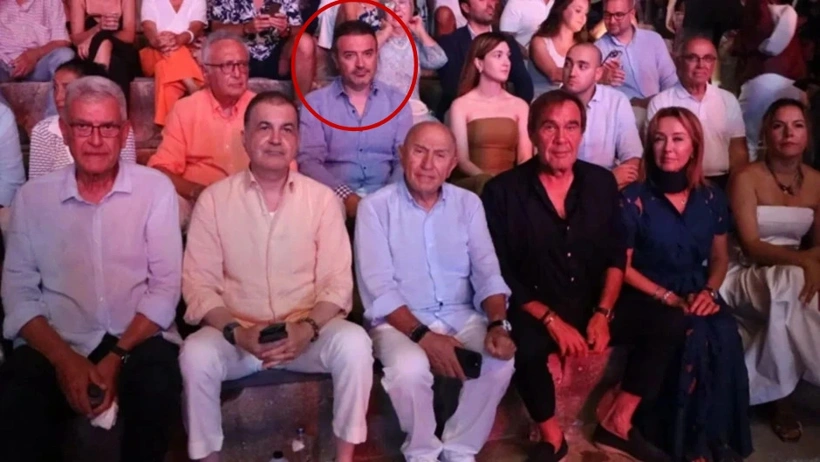
Sevinç had also circulated material concerning Çelik and the fund allegations. The two journalists were detained on October 8 and arrested the following day under Turkey’s disinformation law. Their cases made reporting on the financial scandal itself the subject of criminal proceedings.
Television journalists İsmail Saymaz and Murat Ağırel were questioned over their coverage of the funds and initially released under judicial supervision, with restrictions on travel and requirements to report regularly to the police. After prosecutors appealed, a court put both under house arrest on October 10, restricting their movements while their cases continue.
Online restrictions accompanied the criminal cases. On September 22 the Freedom of Expression Association identified orders blocking 194 accounts on X with approximately 12 million followers combined. Those targeted included economists Uğur Gürses, Veysel Ulusoy and Bilge Yılmaz, along with journalists and financial commentators discussing the market crisis.
Authorities cited national security and public order, arguing that speculative financial posts could spread panic among investors. Reports about connections between investment company executives and public figures, published by Sözcü, Evrensel and Gazete Pencere, were also blocked. The X account of internet freedom lawyer Yaman Akdeniz later faced restrictions.
The warning signs had emerged months earlier. In March investigative journalist Cevheri Güven, who lives in exile in Germany, published a video scrutinizing Tera investment businesses and businessman Emre Tezmen, raising allegations concerning unusual financial gains and connections to Justice Minister Akın Gürlek. The video was subject to a separate, court-ordered access restriction in Turkey months before the September 2026 collapse. Rather than prompting a publicly disclosed examination of the allegations, the reporting faced censorship. The subsequent collapse, which affected hundreds of thousands of investors, raised questions about whether earlier regulatory intervention could have prevented or reduced losses among small investors.
The greater censorship campaign reached beyond the fund investigation. Human Rights Watch and 20 other organizations said Turkish authorities ordered at least 1,270 X accounts blocked in September, affecting accounts with a combined 35 million followers. Many orders involved other political and civil rights issues rather than the fund scandal. The organizations called for an end to sweeping restrictions on online expression.
On October 14 police raided the headquarters of Halk TV, an opposition broadcaster that had covered the fund scandal. A court appointed Turkey’s Savings Deposit Insurance Fund to oversee the station, and its broadcasts were suspended. Prosecutors sought the detention of 17 people in an investigation involving station chairman Cafer Mahiroğlu. Although the investigation leading to the takeover was not directly connected to the fund crisis, the seizure added to a series of government interventions affecting independent media outlets and journalists reporting on politically sensitive allegations.
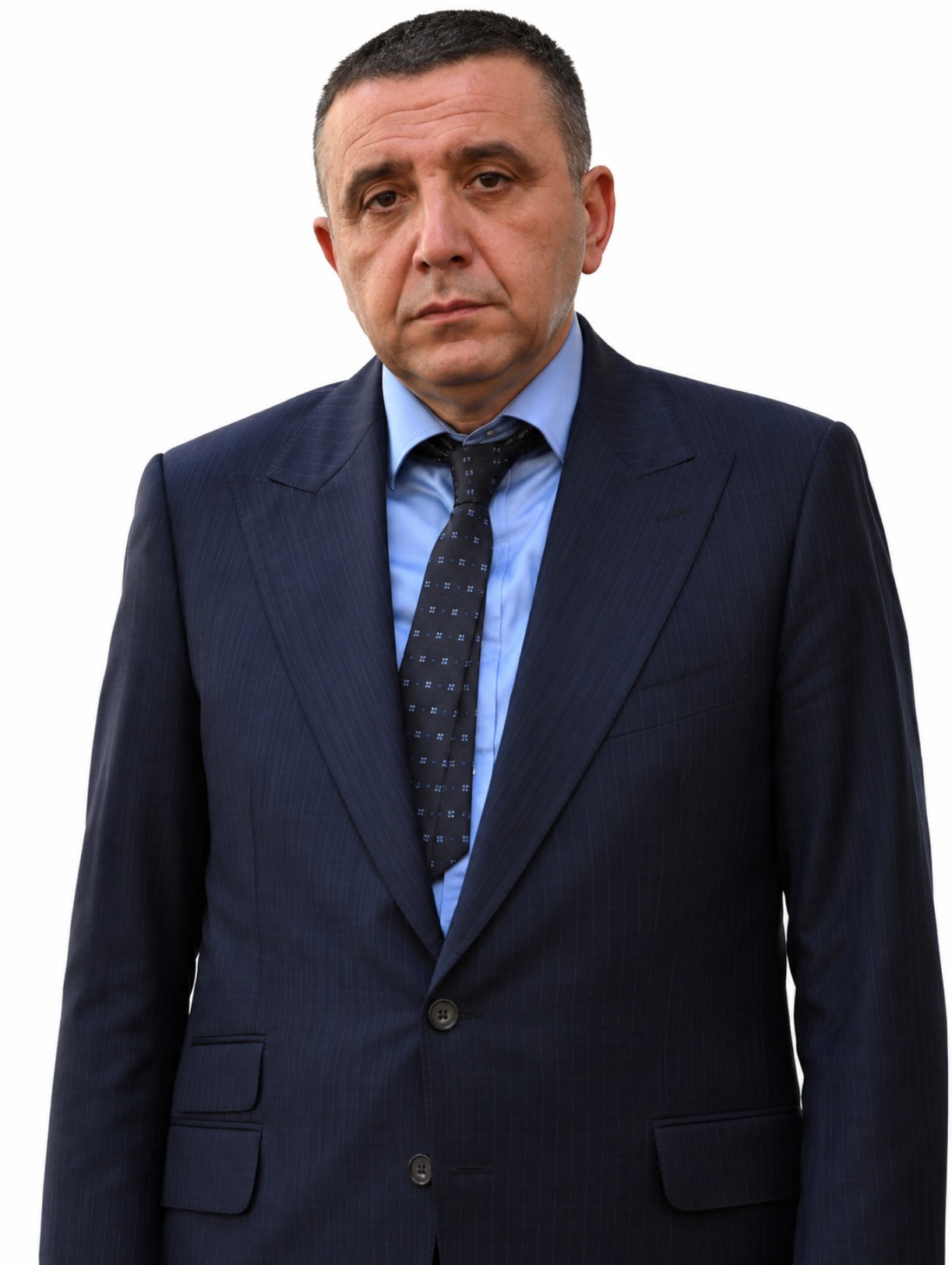
Osman Arıkan Nacar is among those whose assets were ordered seized on a list released by prosecutors. Repeated revisions to the lists have raised questions about the removal of names linked to President Recep Tayyip Erdogan :

Prosecutors alleged bribery, bid rigging and money laundering. Mahiroğlu denied wrongdoing and called the takeover politically motivated. The case was announced as a separate corruption investigation, and authorities have not publicly linked the alleged offenses to the investment fund collapse.
The government has not publicly released a comprehensive list of individuals who profited from the funds, while questions remain about the extent of investigations into politically connected beneficiaries. Regulators have announced interim payments of up to 1 million lira ($20,200) per investor per fund, to be deducted from final liquidation proceeds. The payments could ease the immediate financial pressure on smaller investors, although their long-term impact remains uncertain. Claims that the government is deliberately prolonging the process to diminish public attention have not been substantiated.
Meanwhile, financial records examined in the investigation showed that 440 investors withdrew more than 401.26 billion Turkish lira ($8.12 billion) from the Tera and Pusula funds between September 1 and September 16. Prosecutors are examining whether some investors received advance information about impending regulatory or judicial measures and withdrew their money before restrictions took effect. The scale and timing of the transactions have intensified scrutiny of possible information leaks, although the withdrawals alone do not establish that confidential information was disclosed.