
Levent Kenez/Stockholm
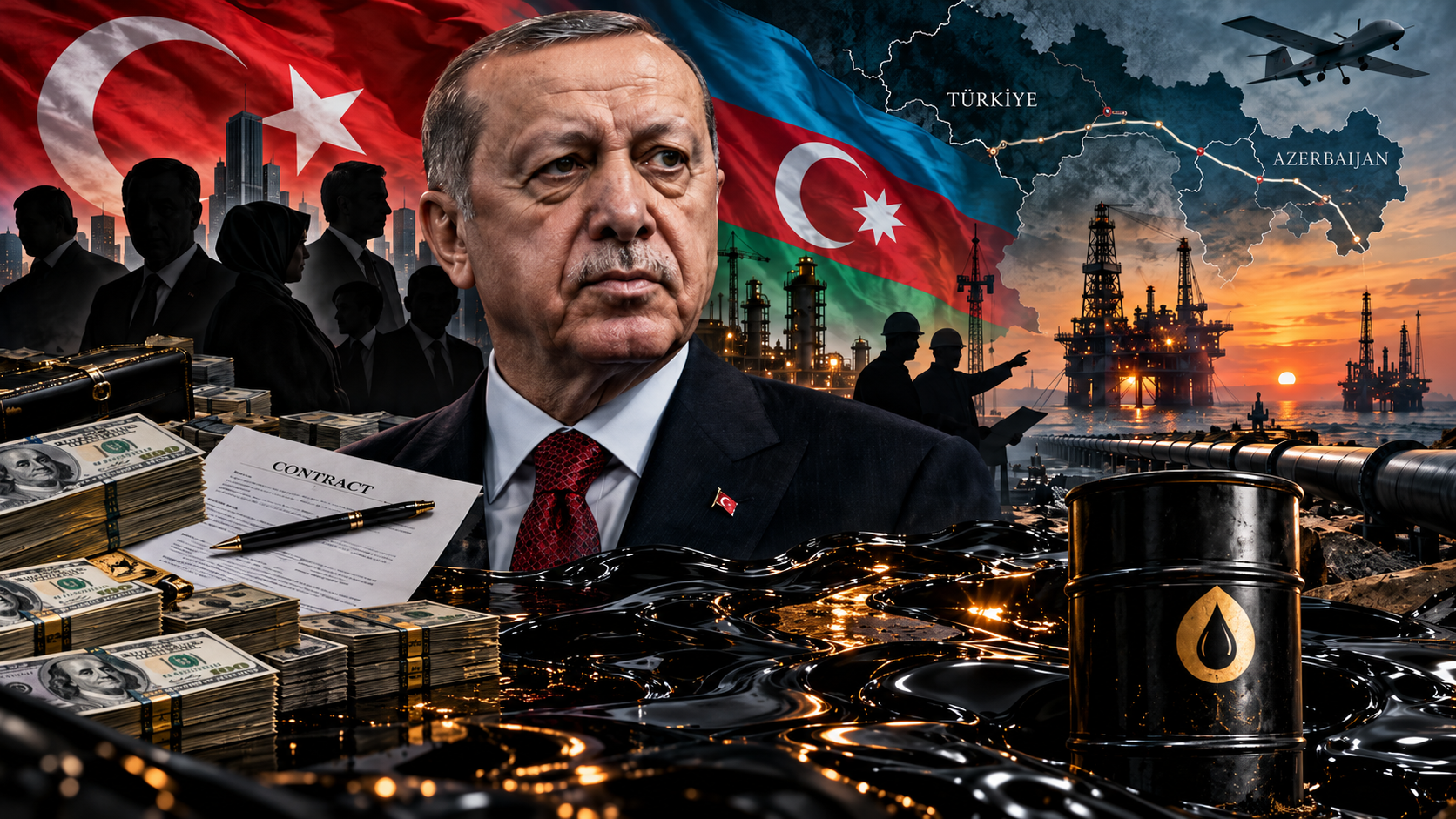
A dispute over Islamic headscarves in Azerbaijani schools has cost Turkish President Recep Tayyip Erdogan a senior adviser and angered supporters who built their political identity around religious discourse. But behind his restraint lies a much larger stake, billions of dollars in Azerbaijani investment and business relationships reaching into Erdogan’s own family.
The connections are unusually personal. Erdogan’s niece is married to a businessman involved in a joint agricultural venture with a company tied to Azerbaijani President Ilham Aliyev’s family, while his son and other relatives were linked to an offshore tanker deal involving an Azerbaijani shipping magnate. His son-in-law sold combat drones to Azerbaijan and expanded into local production. Meanwhile, businessmen widely described by Erdogan’s critics as his “cashiers” have secured lucrative infrastructure contracts in Azerbaijan, further intertwining political connections with economic interests.
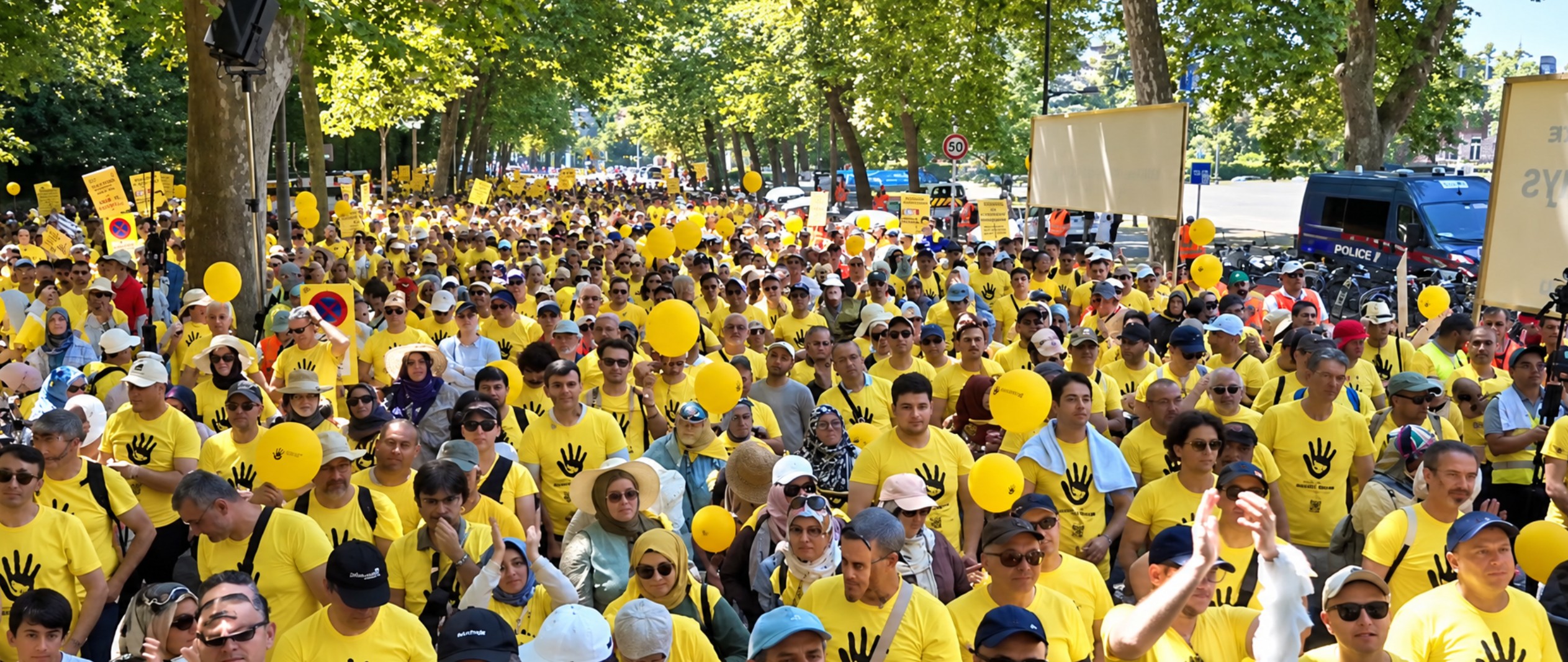
The immediate controversy began with Azerbaijan’s September 21, 2026, school uniform rules, which prohibited clothing considered inconsistent with secular education. Although the regulations did not explicitly outlaw headscarves, students and teachers reported being excluded for wearing them. The restrictions triggered demonstrations in Azerbaijan and indignation among religious conservatives in Turkey.
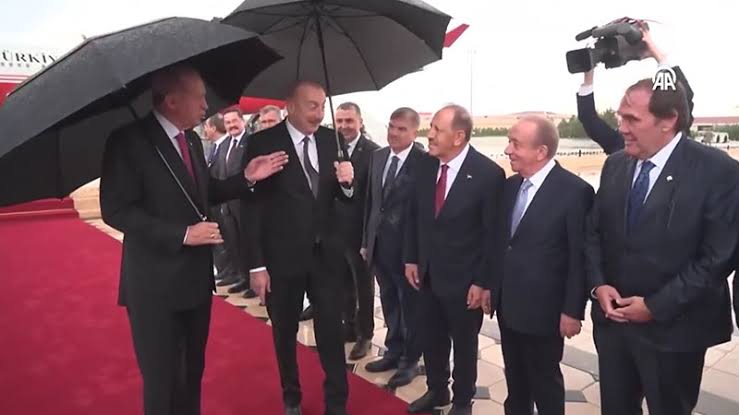
On October 12, Erdogan’s chief adviser Oktay Saral wrote on X that preventing students wearing headscarves from attending school was unacceptable. “The right to education cannot be sacrificed to any ideological imposition,” he wrote. Aliyev’s ruling New Azerbaijan Party responded sharply, accusing Turkish politicians of interfering in the country’s internal affairs, while prosecutors pursued Turkish critics accused of inciting unrest.
The criticism escalated into a diplomatic dispute, with Baku demanding Saral’s removal, according to reporting by the pro-Turkish-government Middle East Eye. Saral confirmed his dismissal on October 25. Speaking to the Turkish media, he said Erdogan had considered it appropriate and that difficult decisions were understandable given the countries’ critical relationship.
The dismissal deepened disappointment among Erdogan’s Islamist supporters, for whom the right to wear headscarves is a defining political issue. For part of Erdogan’s conservative base, the episode exposed a contradiction between his defense of headscarves at home and his reluctance to challenge Azerbaijan.
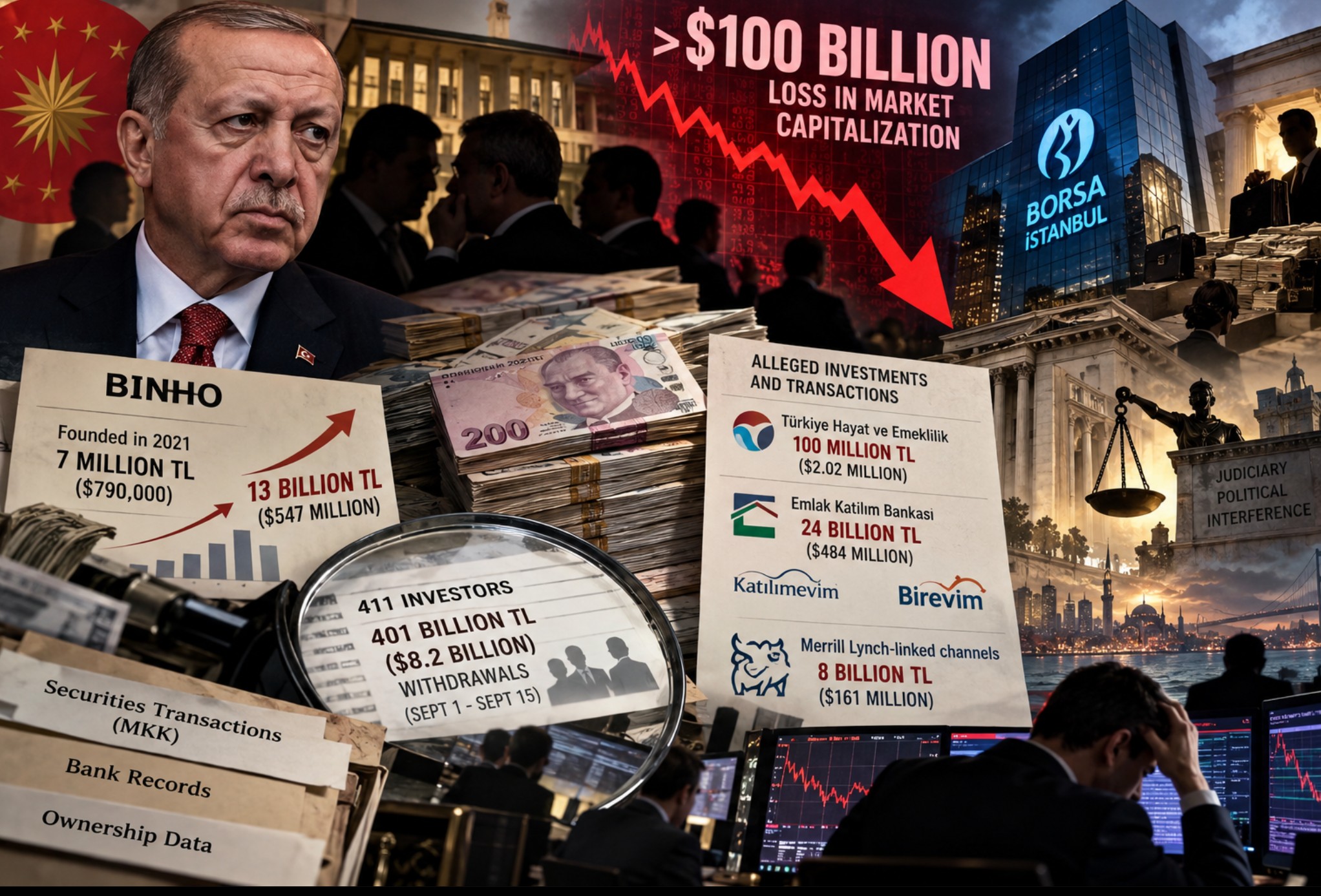
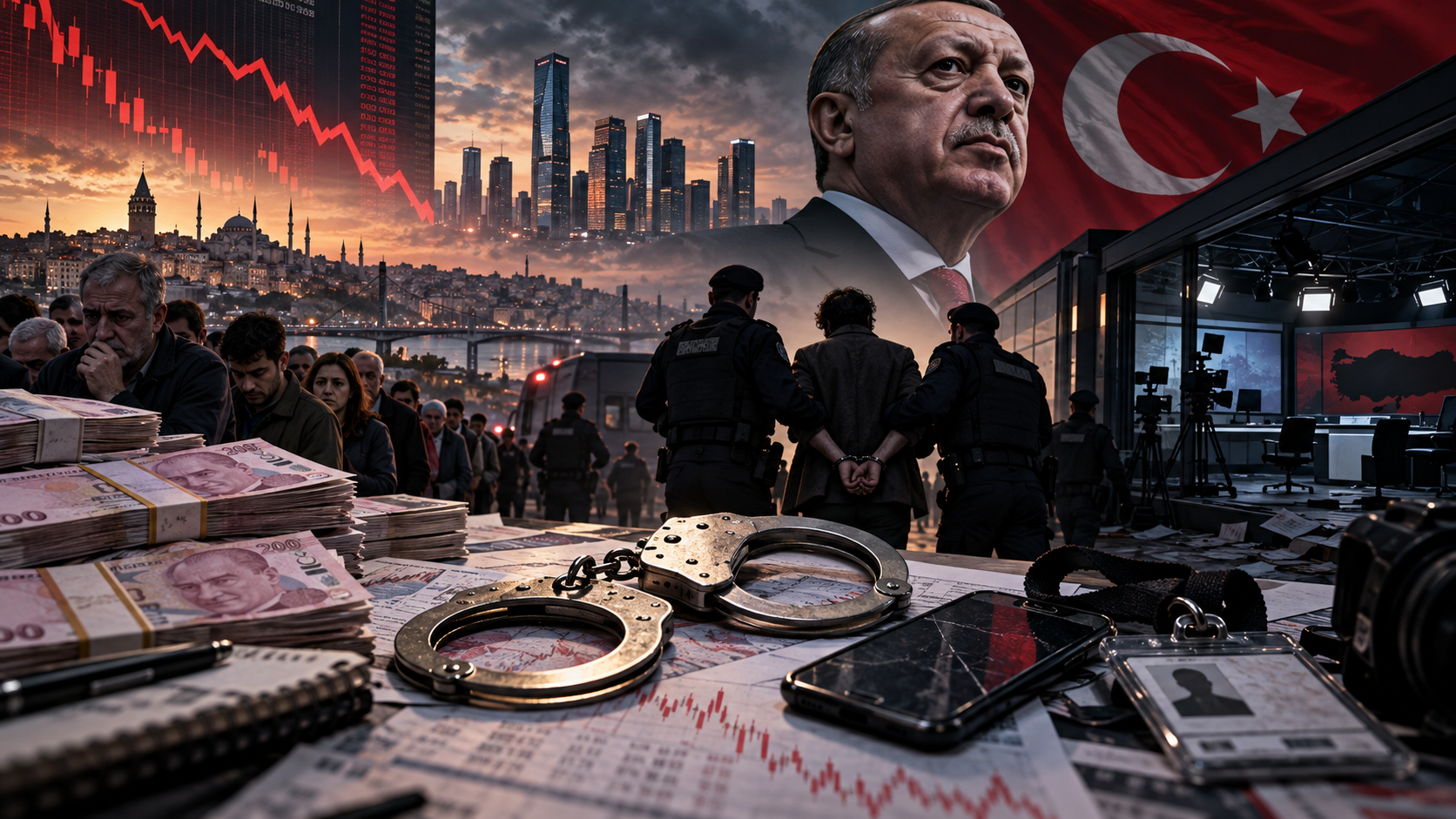
Economic considerations significantly weaken Erdogan’s position. Turkey is grappling with an investment fund crisis involving more than $20 billion in assets after regulators ordered the liquidation of 131 funds amid allegations of market manipulation. Nearly half a million investors were affected, with many initially unable to access their savings. Under legislation passed on October 22 authorities have begun reimbursing investors, prioritizing smaller holdings, although the extent of potential losses remains uncertain. The turmoil also contributed to the Turkish stock market’s worst monthly performance since 2008.
At a time of fragile financial confidence, Ankara can ill afford a confrontation with Azerbaijan, whose state oil company is Turkey’s largest foreign direct investor. Erdogan’s ability to challenge Baku is constrained by the potential economic consequences of jeopardizing that relationship.

Azerbaijani direct investment in Turkey reached $21.1 billion between 1995 and 2025, while about 2,000 companies with Azerbaijani capital operate there. The State Oil Company of the Azerbaijan Republic (SOCAR) says its Turkish investments have reached $19.5 billion. Its portfolio includes the STAR oil refinery, the Petkim petrochemical company and energy infrastructure transporting Caspian hydrocarbons to international markets.
That financial power comes from decades of petroleum and natural gas exports. Azerbaijan’s State Oil Fund had $74 billion in assets as of September 30, 2026, and collected 8.74 billion manats ($5.14 billion) in oil and gas project revenue during the first nine months of the year.
Baku’s energy wealth has financed investments abroad and reconstruction projects at home, creating lucrative opportunities for politically connected Turkish businesses.
One particularly revealing example is Dost Agropark in Azerbaijan’s Zangilan district, inaugurated by Erdogan and Aliyev on October 20, 2022, with a projected investment of $100 million. The Turkish partner, Dost Ziraat, is owned by Abdulkadir Karagoz, whose wife is Erdogan’s niece. The Azerbaijani partner, Pasha Investments, belongs to a conglomerate associated with the family of Aliyev’s wife, Vice President Mehriban Aliyeva. Turkish commercial registry records also show that Erdogan’s nephews Usame Erdogan and Ahmet Enes Ilgen previously had shares in Dost Ziraat, although neither remained a shareholder by 2020. The family business connections establish no illegality but illustrate how official friendship and private financial interests intersect in projects promoted by the two presidents.
Older offshore records reveal another layer of the relationship. A May 26, 2017, investigation based on the Malta Files documented how Bumerz Limited, a company linked to Erdogan’s son Ahmet Burak Erdogan, his brother Mustafa Erdogan and his brother-in-law Ziya Ilgen, acquired control of the Agdash oil tanker through entities registered in the Isle of Man and Malta.

The transaction involved Azerbaijani-born shipping businessman Mubariz Mansimov, founder of the Palmali Group, and Sıtkı Ayan, a controversial Turkish businessman close to Erdogan. Financial records examined by the European Investigative Collaborations network traced nearly $23 million in payments and obligations associated with Mansimov and $7 million paid by Ayan in connection with the arrangement. The investigation did not establish criminal wrongdoing or involvement by the Azerbaijani government but rather exposed an opaque commercial relationship involving Erdogan’s relatives.
Azerbaijani government contracts have also benefited companies prominent in Erdogan’s business circle. Cengiz Holding, Kalyon Holding and Kolin Construction secured infrastructure work following Azerbaijan’s recapture of territory during the 2020 war with Armenia. In Turkish public discourse, businessmen who own these companies are often described as managing Erdogan’s wealth and are widely known as Erdoğan’s cashiers. Their involvement in roads, railways and other reconstruction projects raises questions about transparency and competition, particularly where contracts have been awarded without public tenders.
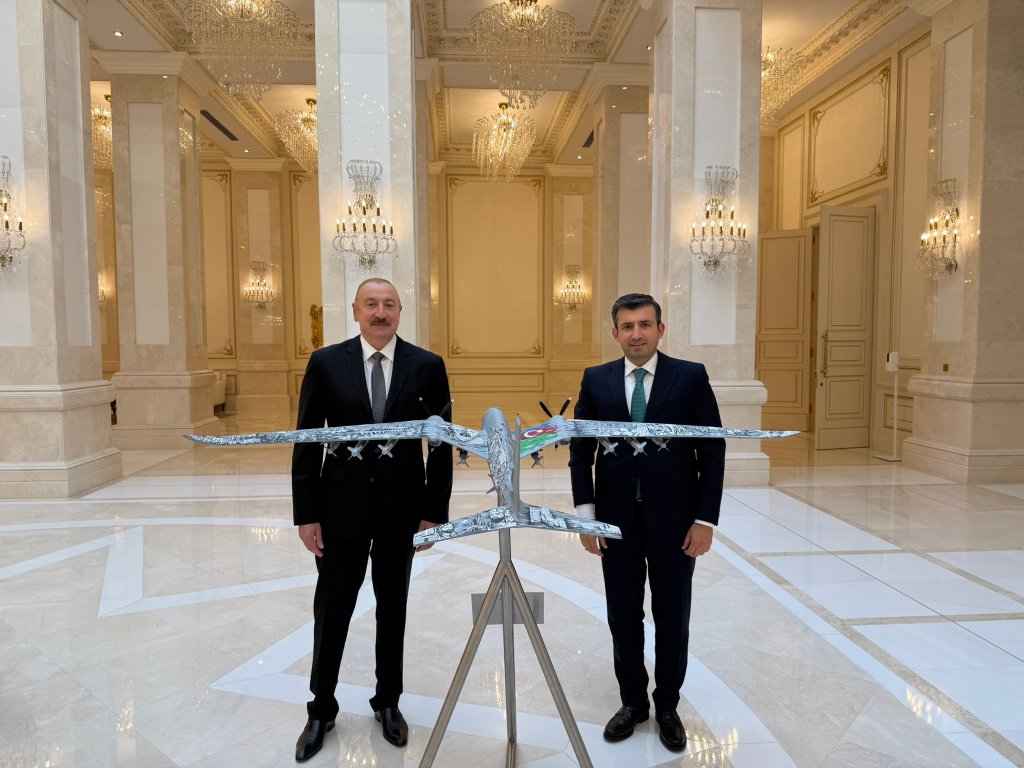
Defense ties reach another member of Erdogan’s family: his son-in-law Selcuk Bayraktar, who owns Baykar, whose combat drones helped Azerbaijan during the 2020 war. After the sale of the Bayraktar TB2 and Akıncı drones, the company signed agreements for joint research and production. Its Azerbaijani subsidiary began local drone production at the Sumgayit Industrial Park in 2025, although contract values remain undisclosed.
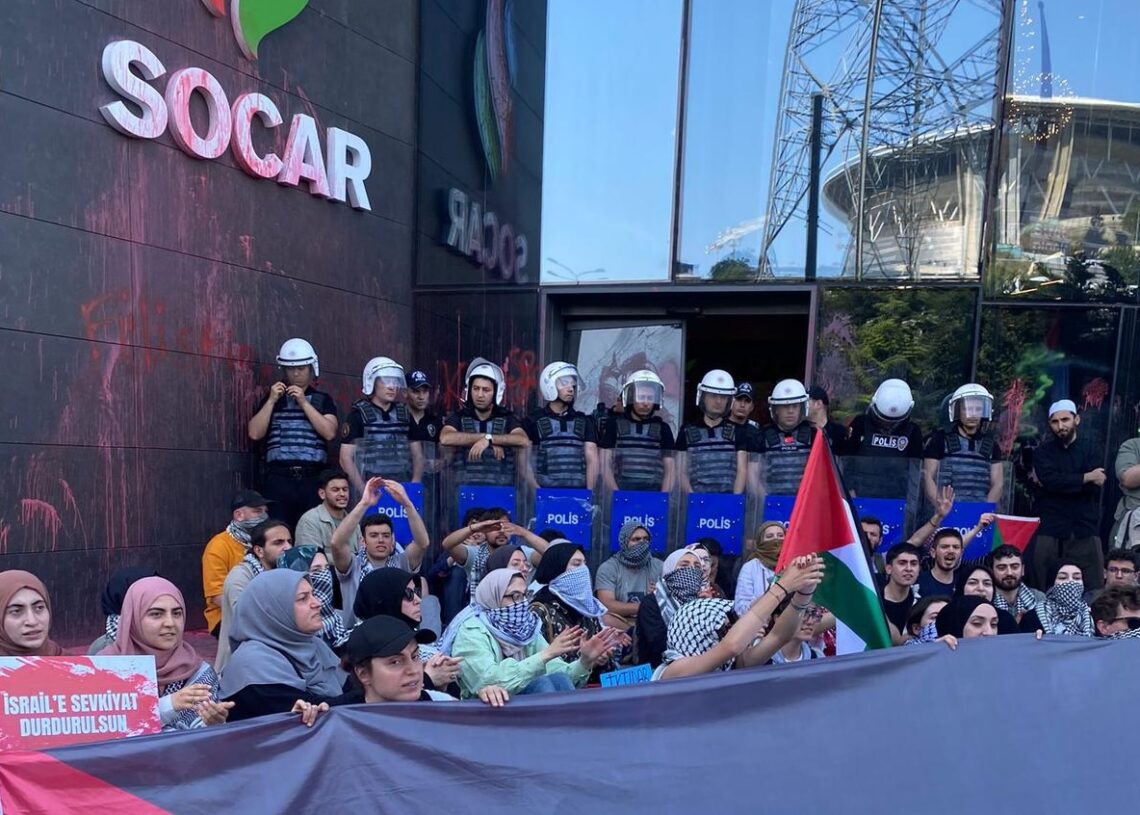
The dispute also reflects tensions over Israel. Azerbaijan sells oil to Israel and maintains close defense ties with it despite Erdogan’s denunciations of Israeli military operations in Gaza. Ankara has avoided a comparable official confrontation with Baku, while Azerbaijani crude continues reaching Israel through Turkey’s Ceyhan port. In June 2024 Turkish police detained 13 activists following a protest at SOCAR’s Istanbul offices over those shipments. The protesters were later released, but criminal charges were subsequently filed against them.
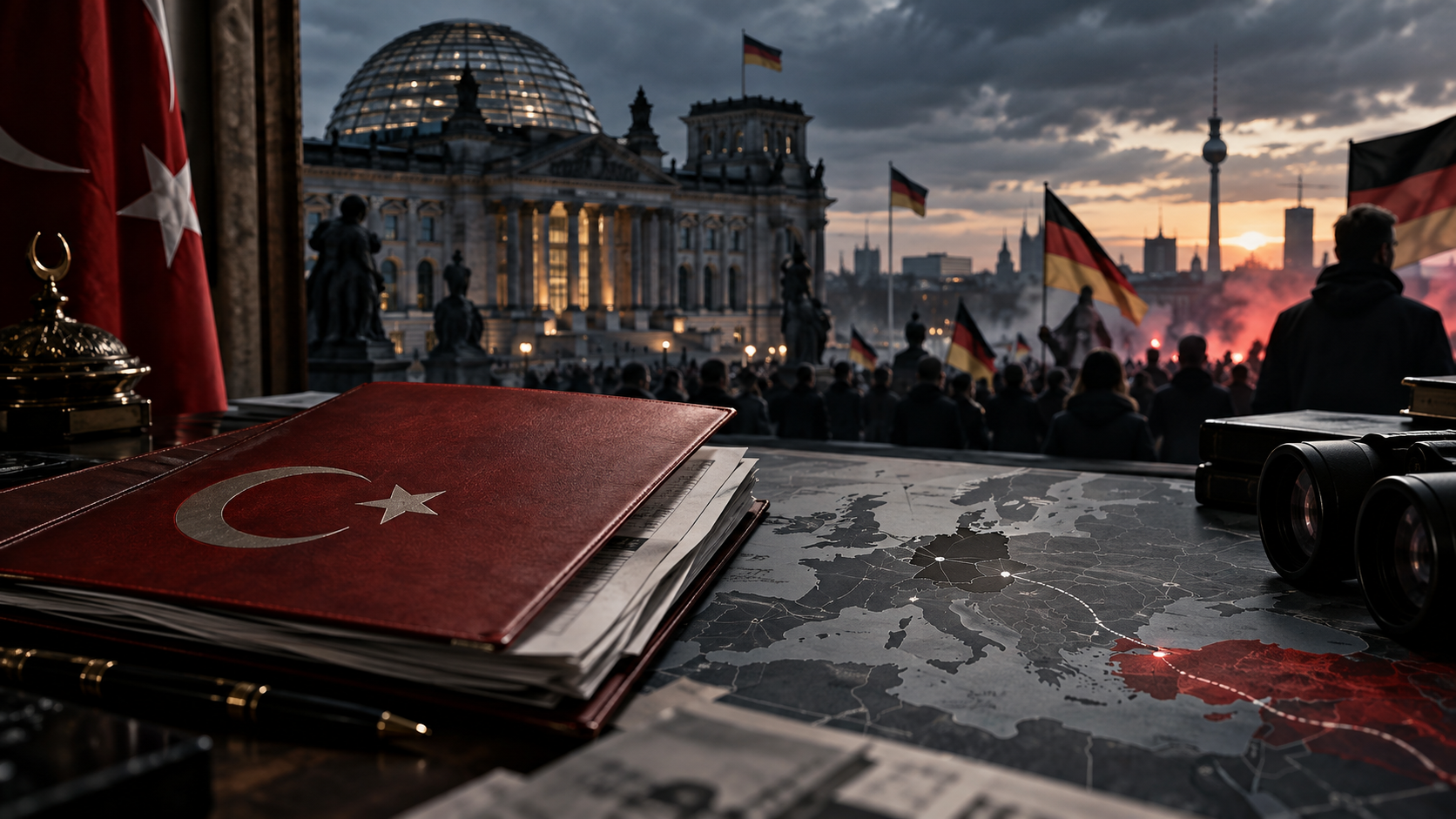
Suspicion surfaced again on October 17, 2026, when the semi-official Azerbaijani Qafqazinfo news website published and subsequently deleted allegations targeting Turkish Foreign Minister Hakan Fidan. The article accused Turkey of interference through organizations allegedly connected to the National Intelligence Organization (MİT). It portrayed Islamist Turkish foundations and charity groups as intermediaries for intelligence gathering and political influence, raising allegations of coup plotting and destabilization. Turkey’s embassy in Baku categorically dismissed the claims as fabricated.
Neither capital nor family connections make diplomatic disputes impossible. But an advisor’s dismissal, continued defense cooperation and uninterrupted energy ties reveal the limits of Erdogan’s willingness to escalate this confrontation. For a president whose supporters expect solidarity over the headscarf, Azerbaijan presents an expensive test of how far religious principles extend when family connections, strategic interests and billions of dollars are at stake.