
Levent Kenez/Stockholm
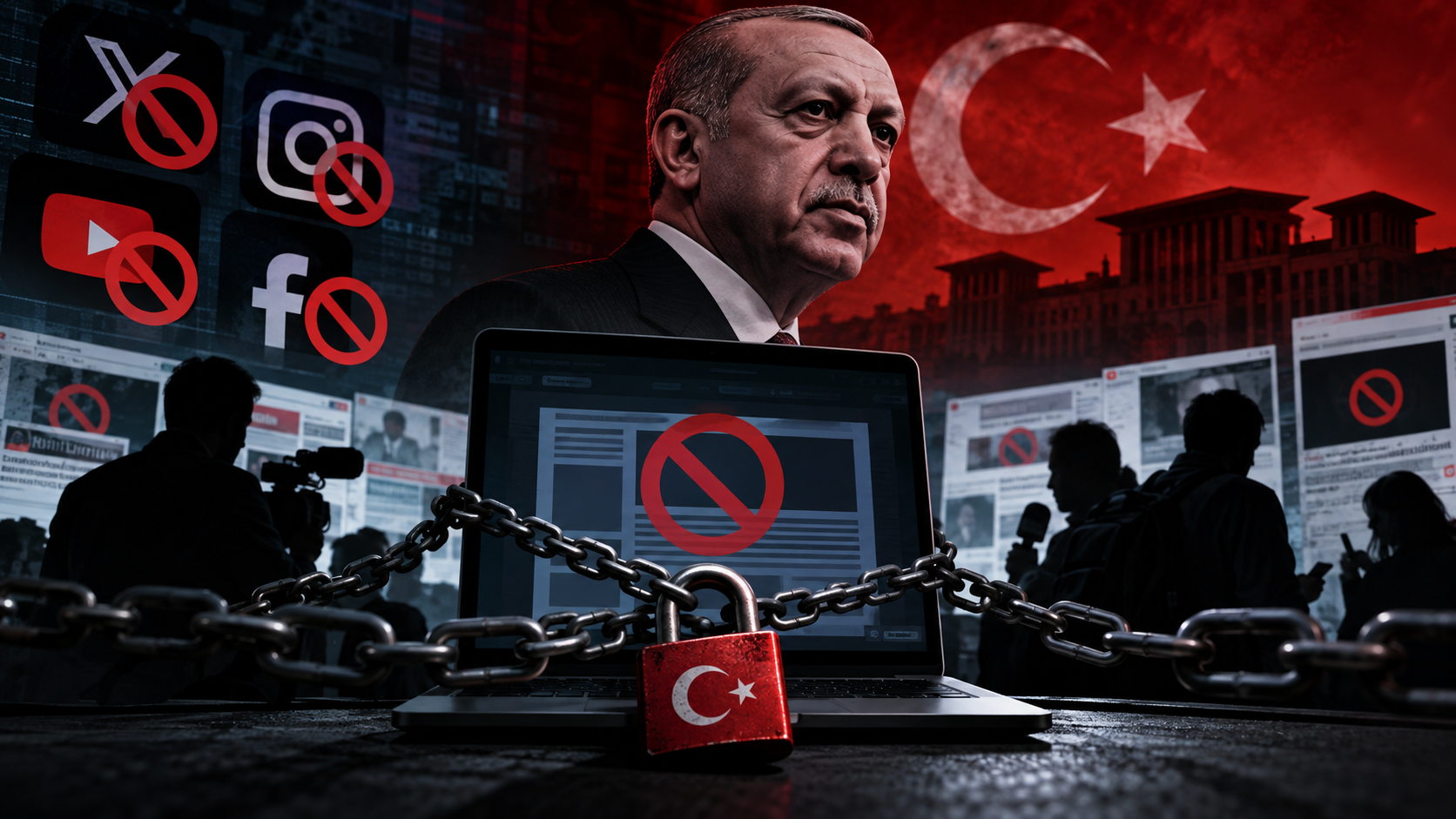
Turkey is expanding internet censorship with the cooperation of major social media companies that comply with government orders blocking journalists, independent news outlets and opposition figures, according to Freedom House’s “Freedom on the Net 2026” report and recent findings by human rights organizations. The crackdown has extended to corruption reporting and journalists operating abroad, restricting access to criticism of the government published beyond Turkey’s borders.
The Washington-based watchdog gave Turkey a score of 31 out of 100 for internet freedom, unchanged from 2025, and classified its online environment as “Not Free.” Turkey also received a score of 32 out of 100 in Freedom House’s separate “Freedom in the World 2026” report, which assesses political rights and civil liberties, and was likewise classified as “Not Free.” The latest restrictions have targeted coverage of financial investigations, opposition broadcasters and journalists critical of the government of President Recep Tayyip Erdogan.
The report, titled “Seismic Shifts on the Global Internet,” covers June 2025 through May 2026. It documents restrictions on social media connectivity during opposition demonstrations, content removal orders and criminal proceedings against journalists and internet users over their online statements.
Turkey received 14 out of 25 points for obstacles to access, 10 out of 35 for limits on content and seven out of 40 for violations of users’ rights. Its overall score has remained at 31 for three consecutive years, following 30 in 2023 and 32 in 2022.
Freedom House recorded improvements in internet infrastructure following repairs in areas damaged by the February 2023 earthquakes. However, conditions worsened for journalists facing intimidation and violence, including the January 2026 assault on Hakkı Sağlam in Eskişehir and the October 2025 shooting of publisher Nafiz Koca in Elazığ.

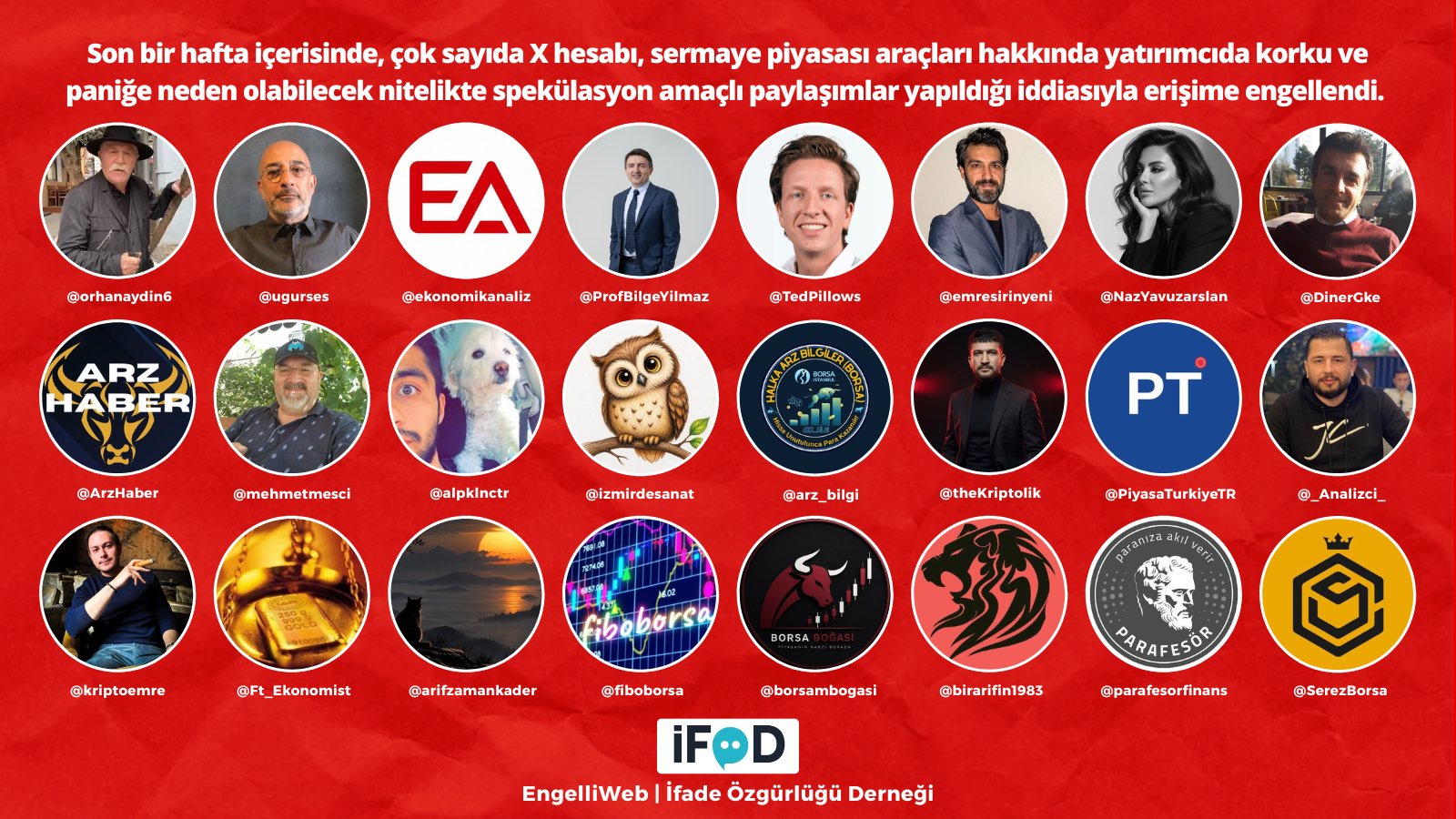
The Freedom of Expression Association (İFÖD), a Turkish organization monitoring digital censorship, reported that authorities ordered access restrictions on at least 1,270 accounts on the X social media platform in September alone. The accounts had approximately 35 million followers combined.
X complied with at least 90 percent of the orders by making the accounts inaccessible in Turkey, according to an October 12 statement issued by Human Rights Watch (HRW), ARTICLE 19 and 19 other organizations. The restrictions allowed accounts to remain visible internationally while preventing users in Turkey from accessing them.
The affected accounts included Amnesty International Turkey, the Media and Law Studies Association (MLSA), journalists, academics and independent news organizations. X also blocked accounts belonging to İFÖD, its cofounder Yaman Akdeniz and EngelliWeb, a project documenting government censorship.
Meta implemented similar restrictions on Instagram and Facebook accounts belonging to independent media and civil society organizations, including Kısa Dalga and Kaos GL. The measures demonstrated how Turkish blocking orders could reach audiences across multiple international platforms.
Human rights organizations criticized the companies for implementing restrictions without sufficient transparency. Account holders reported receiving notifications citing Turkish legislation without access to the underlying court decisions, making it difficult to challenge the orders.
The government has relied extensively on Article 8/A of Internet Law No. 5651, which permits restrictions on grounds including national security and public order. Platforms refusing government demands risk financial penalties and bandwidth restrictions under Turkish legislation.
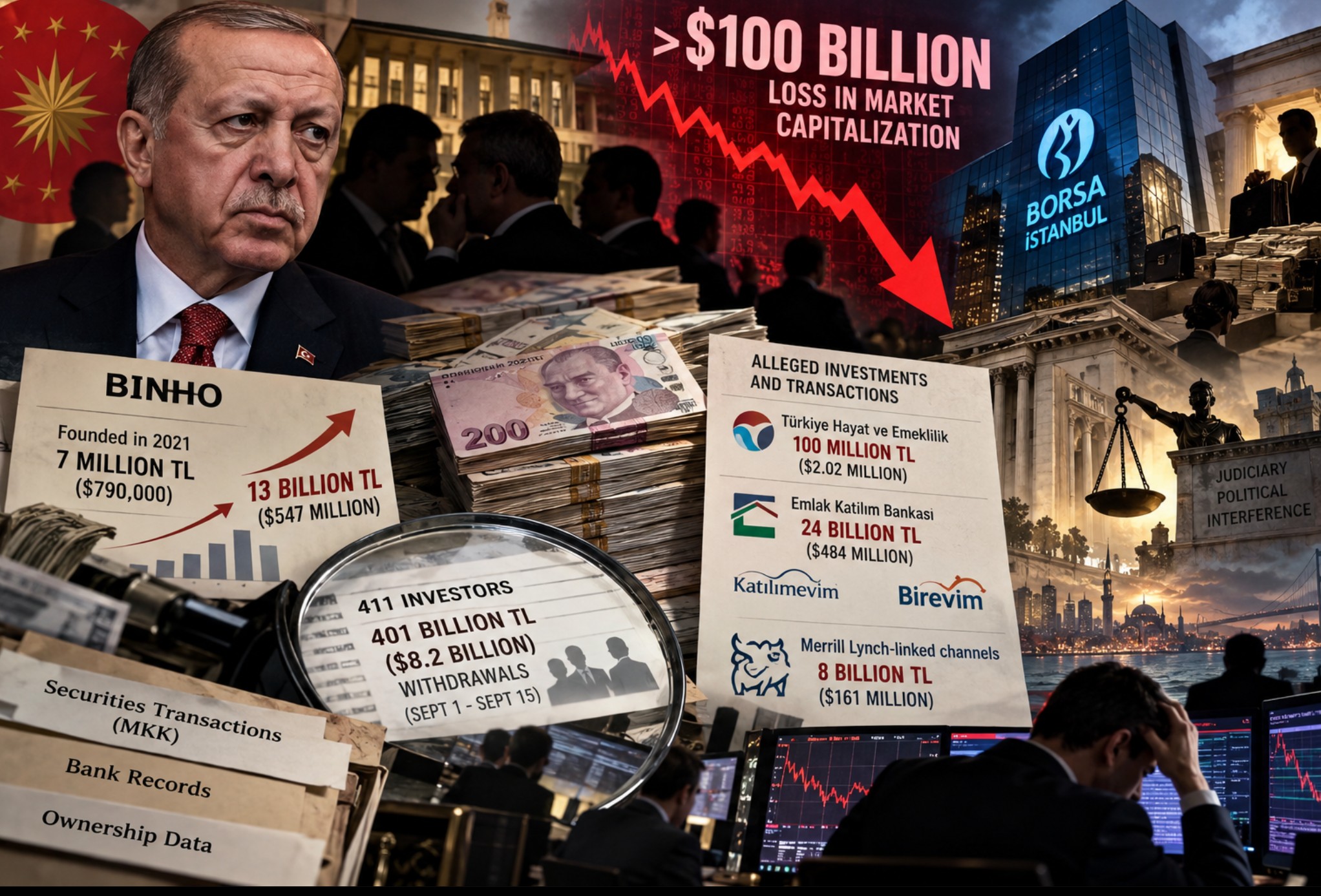
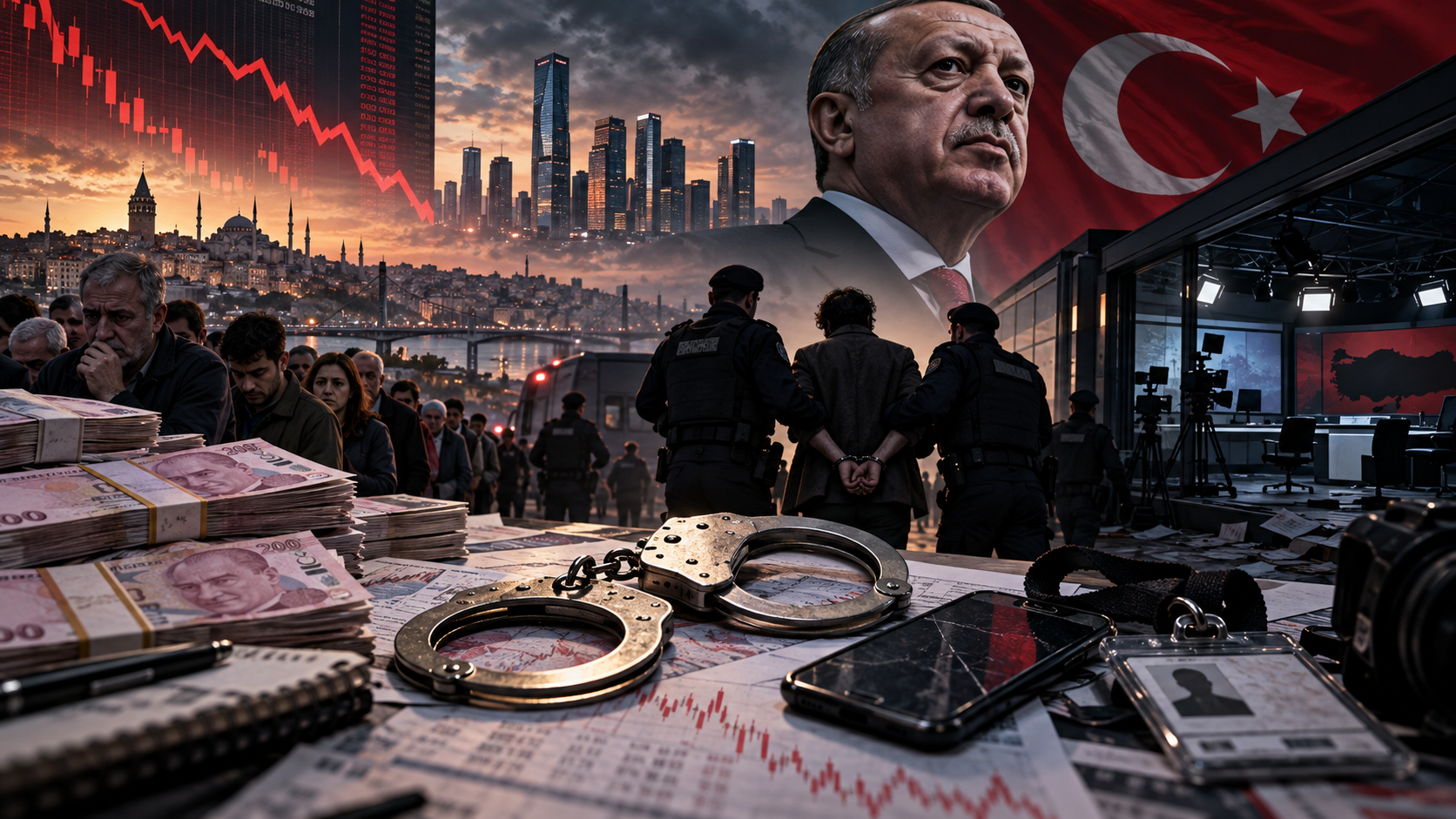
The latest censorship campaign has also targeted reporting on a multibillion dollar investment fund scandal involving politically connected figures and allegations of market manipulation.
Nordic Monitor previously reported that Turkey’s $20 billion investment fund scandal had triggered a crackdown on journalists and financial commentators as investigations reached individuals connected to Erdogan’s inner circle. Its October 16 investigation detailed the arrest of journalists Mustafa Balcı and Şaban Sevinç over reporting related to the controversy and also examined allegations involving former minister Fatma Betül Sayan Kaya and her husband. The report also documented the blocking of a video by Germany-based investigative journalist Cevheri Güven concerning investment firms and alleged political connections. The financial crisis affected more than 455,000 investors, while prosecutors investigated suspected fraud and market manipulation.
MLSA reported on October 19 that courts had blocked articles concerning questions submitted to Treasury and Finance Minister Mehmet Şimşek about the financial controversy. Separate restrictions targeted reporting on allegations concerning Justice Minister Akın Gürlek’s property holdings.
An Istanbul court ordered nine articles from eight news organizations blocked under an October 10 decision. The articles concerned allegations raised by opposition politicians about Gürlek’s assets.
Journalist Bahadır Özgür, who covered the financial controversy for opposition broadcaster Halk TV, was detained on October 15 on suspicion of violating investigative confidentiality. He was released the following day under judicial supervision, including a travel ban.
An access restriction order was also issued for Özgür’s X account, which had approximately 163,000 followers. MLSA subsequently reported that an Ankara court blocked six articles concerning Şimşek on October 21, including reports about his connections to a contractor facing criminal allegations.
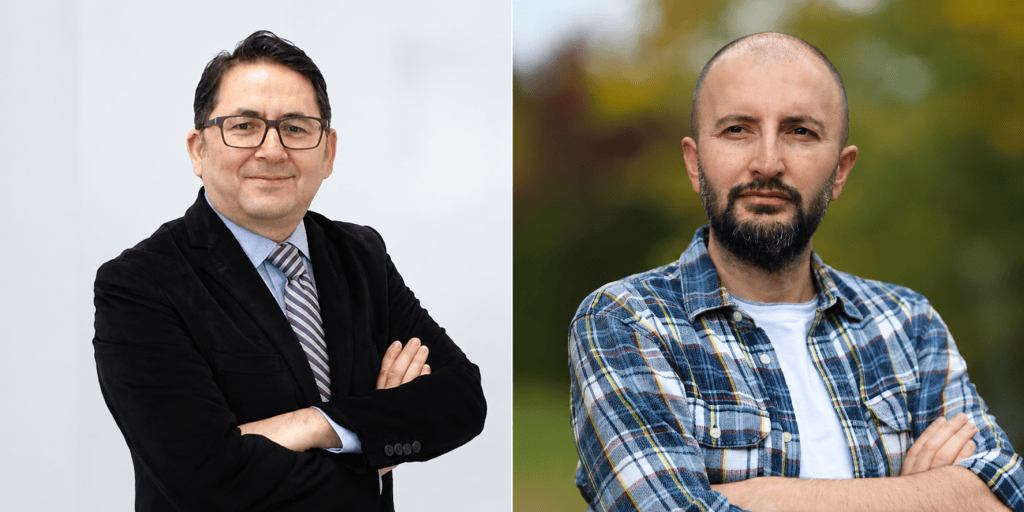
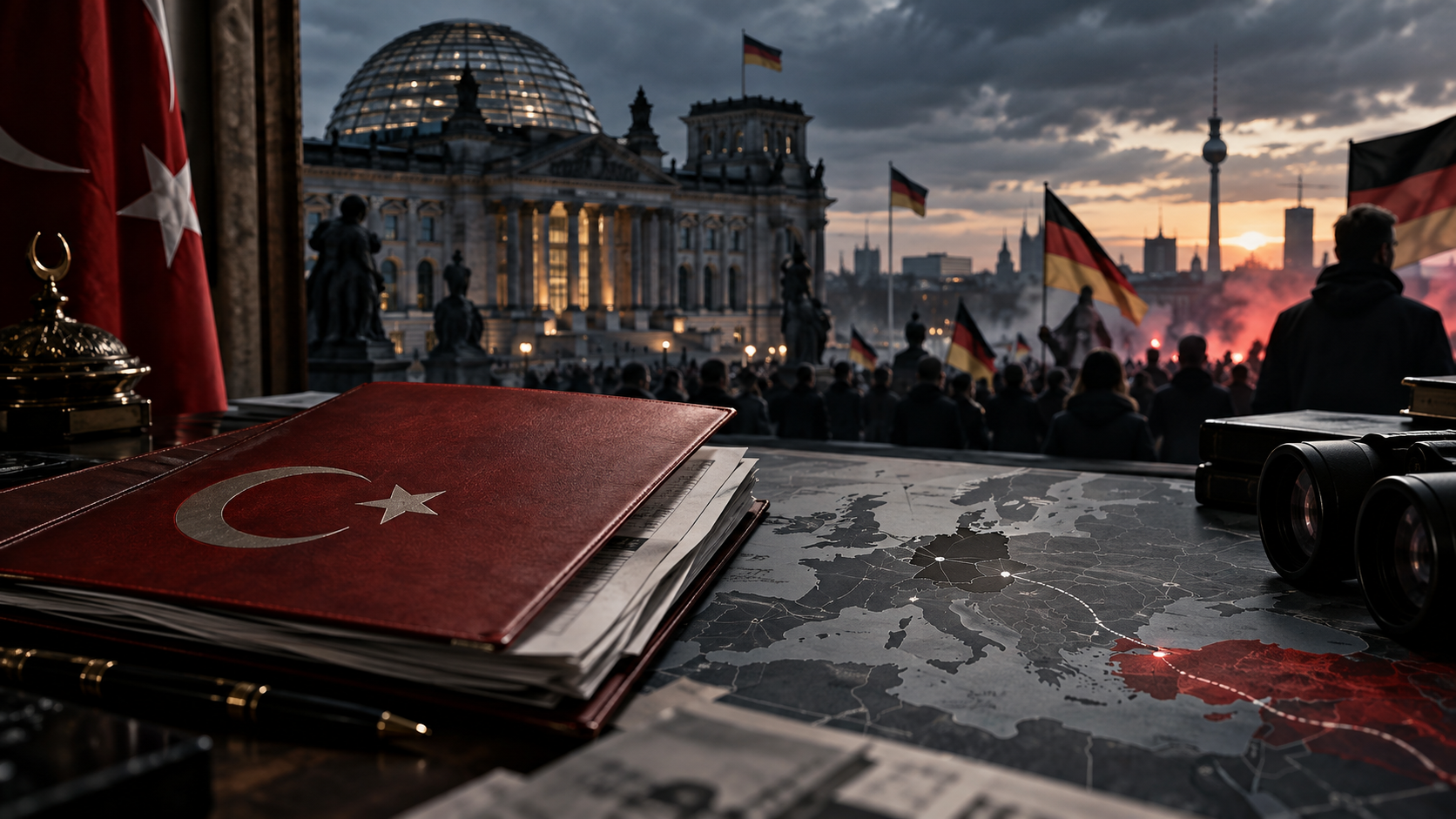
Turkish authorities have also targeted journalists living abroad, including investigative journalists Cevheri Güven in Germany and Adem Yavuz Arslan in the United States, whose reporting reaches Turkish audiences through social media. Both have faced repeated access restriction orders targeting their online accounts.
Güven’s X account was blocked in Turkey ahead of the May 2023 presidential election, when the platform complied with Turkish court orders. İFÖD documented in February 2025 that Bluesky accounts belonging to Güven and Arslan were among at least 44 accounts targeted under decisions citing national security and public order. Bluesky had not implemented the orders at the time.
TR724, a Turkish-language news outlet operating abroad and publishing investigations critical of Erdogan’s government, has also faced access restrictions targeting its reporting. Turkish authorities have used domestic court orders to limit access to journalists and independent media organizations based outside the country.
Restrictions have also affected journalist Alican Uludağ of Germany’s Deutsche Welle international broadcaster and journalist Ahmet Nesin, whose Instagram account with approximately 233,000 followers was targeted on October 14.
Independent news website T24 was blocked in late September following a court order concerning 118 articles addressing LGBTQ+ issues. The restriction affected its entire website, containing more than 4 million pieces of content, according to the outlet.
Halk TV faced additional restrictions after authorities appointed a trustee to manage the broadcaster on October 14. Its accounts across six social media platforms, with a combined following exceeding 8.5 million, were targeted by access restriction orders.
The broadcaster’s X account became inaccessible in Turkey on October 21, followed by another restriction on its YouTube channel on October 23. The trustee appointment followed an investigation involving broadcaster owner Cafer Mahiroğlu, who denied allegations of bribery, bid rigging and money laundering.
Freedom House also raised concerns about legislation passed in April 2026 requiring social media platforms to verify users’ ages. The organization warned that the requirements could threaten online privacy through mandatory verification systems.
Although Turkey’s overall internet freedom score has remained unchanged since 2024, subsequent restrictions have continued to affect political reporting, financial investigations and criticism of Erdogan’s government. Compliance by international social media companies has enabled Turkish authorities to restrict access to journalism published both inside and outside the country.