
Levent Kenez/Stockholm
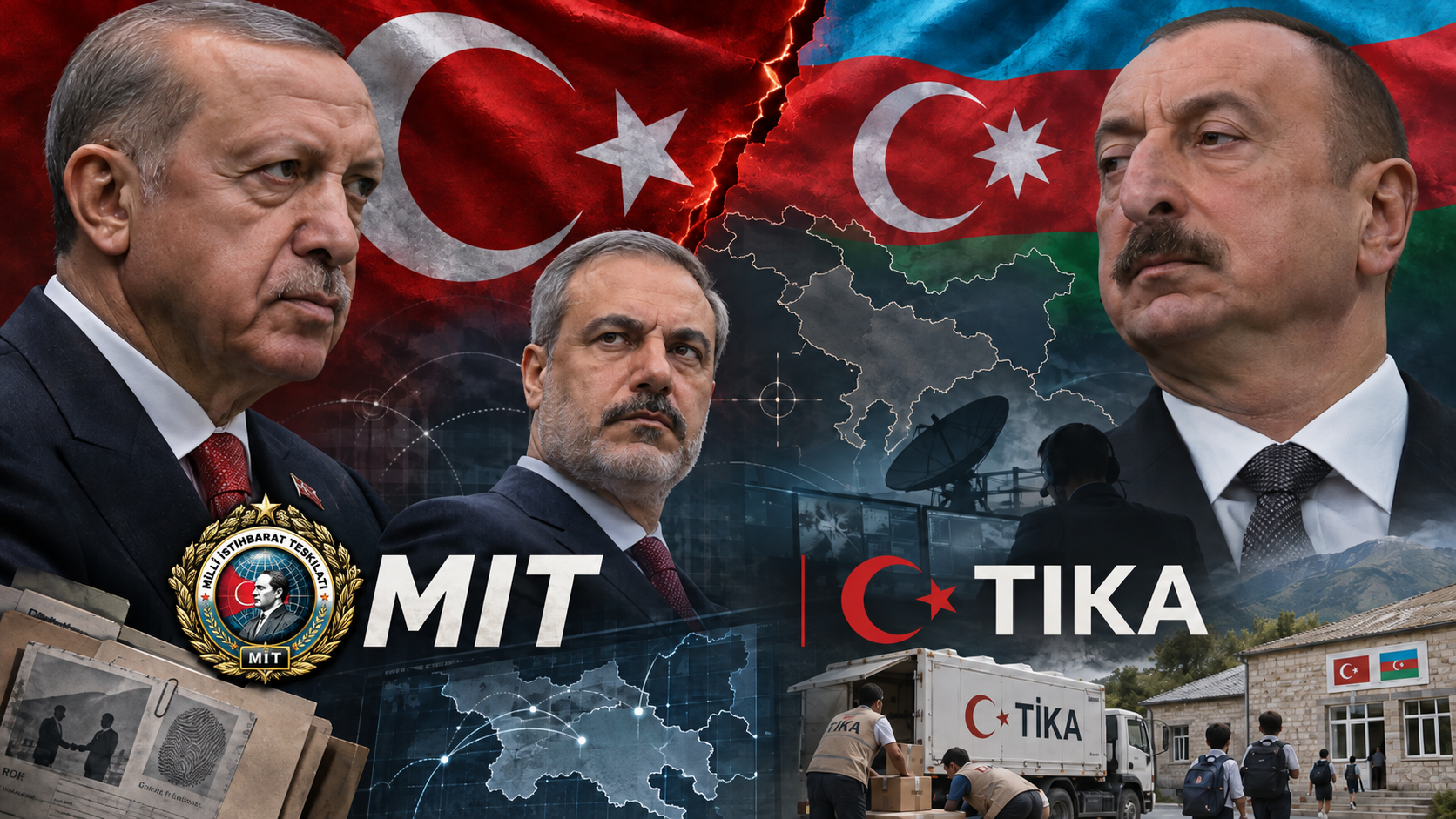
Growing tensions between Azerbaijan and Turkey are putting Turkish intelligence operations, government development agencies and Islamist foundations under increasing scrutiny in Baku, raising the prospect of restrictions on organizations associated with the government of Turkish President Recep Tayyip Erdogan as the diplomatic dispute between the two longtime allies remains unresolved.
Azerbaijan’s dissatisfaction extends beyond the controversy over Islamic headscarves in schools that triggered the latest confrontation. The activities of Turkey’s National Intelligence Organization (MİT), the Turkish Cooperation and Coordination Agency (TIKA) and religious charities operating in Azerbaijan have emerged as sensitive issues, with Azerbaijani media close to President Ilham Aliyev portraying some institutions as instruments of Turkish political interference and intelligence gathering.
The dispute has become particularly uncomfortable for Turkish Foreign Minister Hakan Fidan, who headed MİT from 2010 to 2023 and previously led TİKA. His connections to both institutions have put him at the center of Azerbaijani criticism of Ankara’s intelligence networks and the influence of Turkish organizations operating under humanitarian, religious and educational mandates.
The continuing friction raises the possibility of tighter oversight, registration requirements or restrictions on Turkish organizations if relations deteriorate further. Azerbaijan has not announced a general ban on TİKA or Turkish religious foundations, but the increasingly hostile political atmosphere has created uncertainty over their activities.

The tensions remain evident despite diplomatic contacts. Aliyev did not attend the October 30 summit of the Organization of Turkic States (OTS) in Ankara, where Azerbaijani Foreign Minister Jeyhun Bayramov represented Baku. Azerbaijani media attributed his absence to scheduling commitments, although it came amid mounting disagreements between the two governments.
The most direct challenge to Turkey’s institutional presence came from Qafqazinfo, an Azerbaijani news website considered close to Aliyev’s administration. In an October 17 publication the outlet accused Turkish intelligence of exploiting humanitarian organizations to gather information, cultivate local contacts and build political influence.
The publication singled out Fidan’s contacts with the Youth Aid Foundation (GYF), an Azerbaijani charitable organization established in 1994 with Turkish philanthropic support. It alleged that Fidan had used a meeting with foundation representatives to convey instructions and questioned whether the organization served broader Turkish intelligence interests.
Qafqazinfo also targeted TİKA, the Foundation for Human Rights and Freedoms and Humanitarian Relief (IHH), and the Aziz Mahmud Hudayi Foundation, alleging that Turkish state institutions and Islamist charities formed interconnected components of Ankara’s influence network.
The accusations expanded the confrontation beyond the Turkish politicians who had criticized Azerbaijan’s headscarf restrictions. They questioned the institutional infrastructure supporting Ankara’s presence in Azerbaijan and brought government development assistance, intelligence gathering and religious activities into the same political dispute.
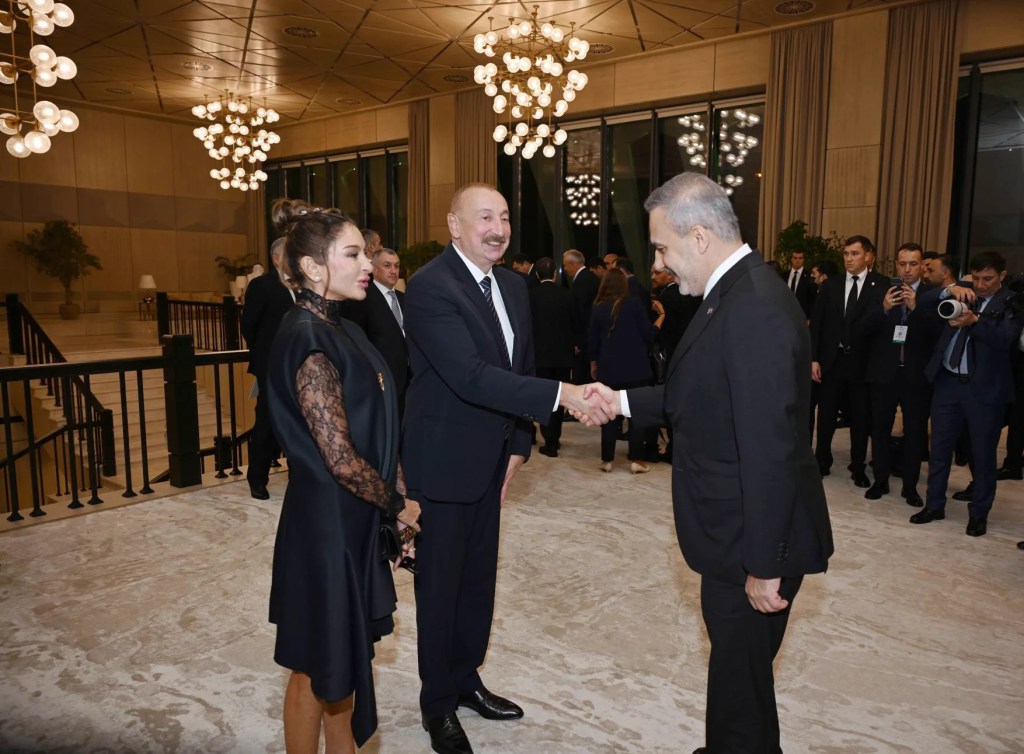
Turkey’s embassy in Baku issued a forceful denial, denying allegations of secret meetings, intelligence operations and attempts to recruit agents of influence. It said Fidan had merely posed for courtesy photographs with representatives of a legally registered organization and denied the existence of a purported document attributed to him. The Qafqazinfo article was subsequently removed.
Concerns surrounding TIKA have a longer history. Nordic Monitor reported on February 27, 2021, that Fidan had used his brother-in-law, Ali Özgun Özturk, then responsible for TIKA’s Central Asia and Caucasus department, to facilitate covert intelligence operations through development and cultural activities.
The investigation described how overseas projects provided opportunities to establish relationships with foreign officials, cultivate contacts and develop informants. Fidan’s earlier leadership of TIKA gave him extensive familiarity with the agency’s personnel and international operations before his appointment as intelligence chief.
TIKA has maintained a substantial presence in Azerbaijan since the country’s independence. According to Azerbaijan’s economy ministry, the agency implemented 1,748 projects and activities between 1992 and 2025, covering education, healthcare, agriculture, infrastructure and cultural heritage.
Official records list 26 completed projects in 2026 and another 24 continuing activities. TIKA signed a cooperation agreement with the Azerbaijan International Development Agency (AIDA) on September 10 and continues supporting cultural heritage projects in Karabakh and East Zangezur.
The scope of TİKA’s operations means potential restrictions could affect established development cooperation. Tighter supervision of personnel, financial activities and educational projects could become relevant if Baku decides to turn its political dissatisfaction into administrative measures.
Turkish Islamist organizations face similar scrutiny. The IHH, an Islamist humanitarian foundation active in conflict-affected regions, has been accused by Azerbaijani media of maintaining connections with Islamist networks through overseas assistance programs.
The Aziz Mahmud Hudayi Foundation, affiliated with Turkey’s Erenkoy religious community, has faced accusations concerning its educational and humanitarian activities. The foundation belongs to a religious network historically associated with Turkey’s conservative political establishment.
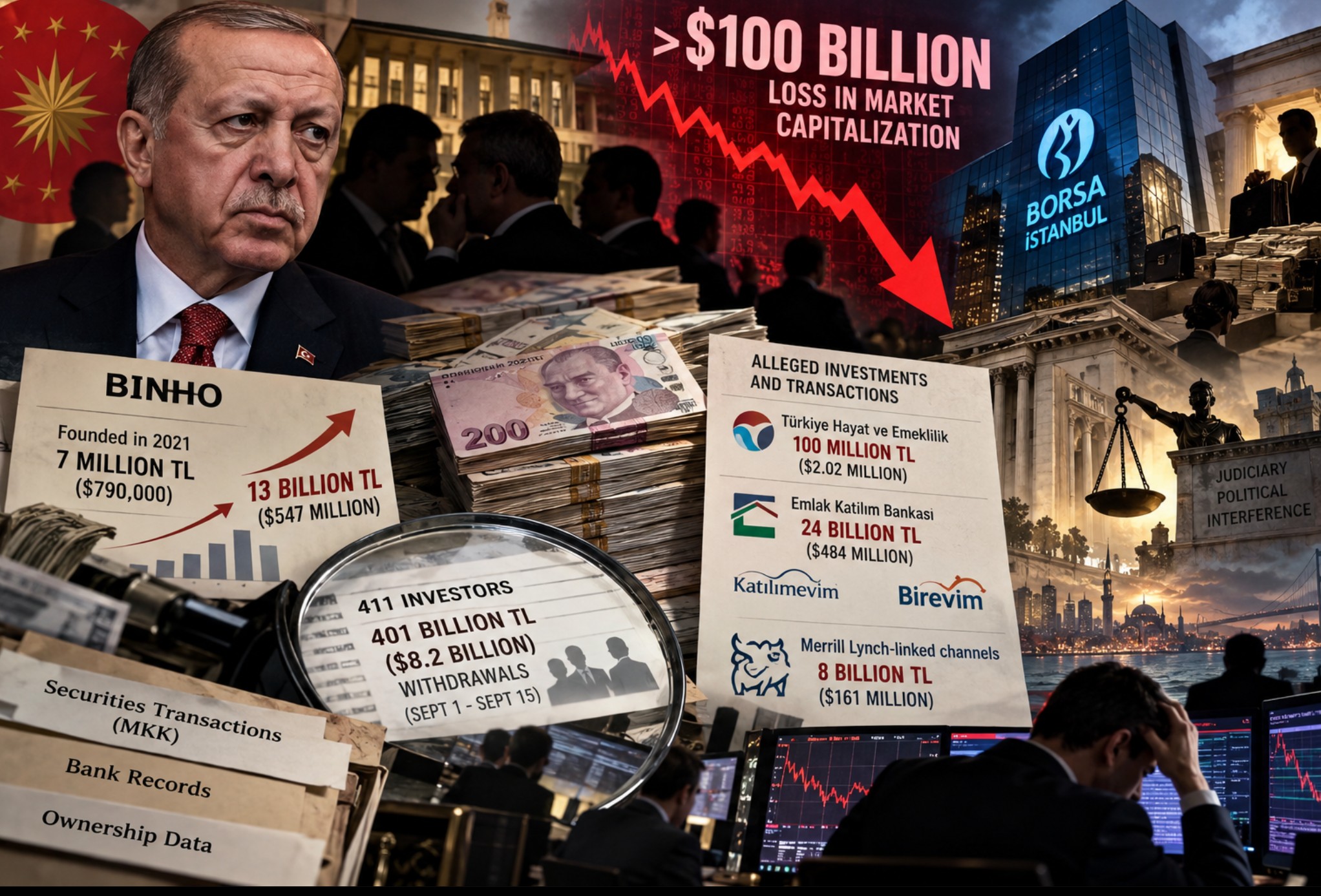
Its relationship with Erdogan’s government has also attracted attention following an October 13 statement criticizing a financial investment fund scandal, corruption, favoritism and inadequate regulatory oversight in Turkey.
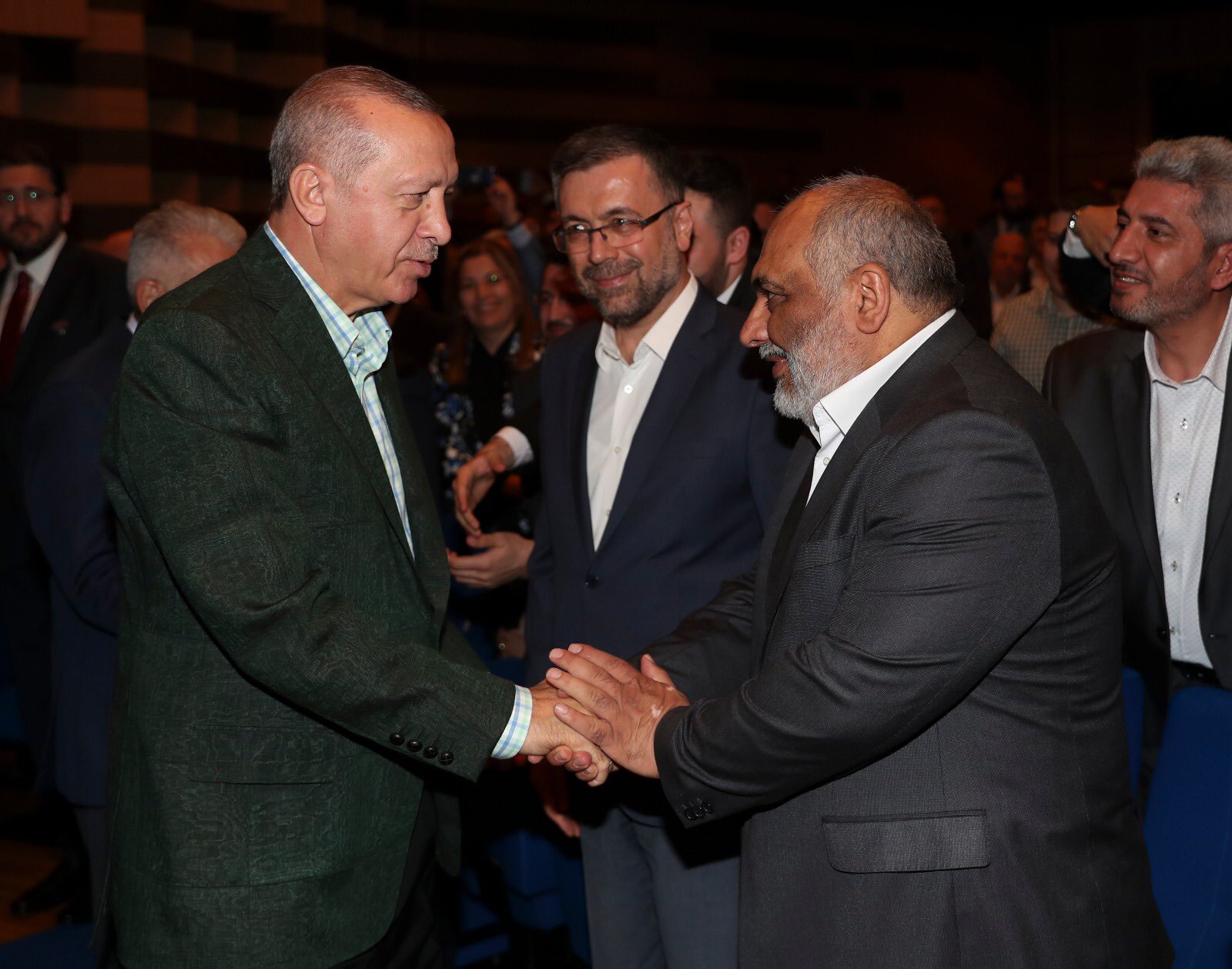
The foundation blamed the scandal on failures of supervision and favoritism, demanding accountability for those responsible. Its unusually forceful intervention raised questions about tensions within Erdogan’s religious conservative constituency and whether the foundation was seeking greater institutional distance from the government.
Another institution relevant to Turkey’s international religious presence is the Presidency of Religious Affairs (Diyanet), the state authority responsible for Islamic religious services and cooperation with religious institutions abroad.
Nordic Monitor previously reported that Turkish intelligence agencies coordinated with religious officials serving overseas to gather information, including through the Diyanet’s international networks.
The Diyanet maintains formal relations with Azerbaijan’s religious administration. Its president, Safi Arpagus, attended a September 14 gathering of religious leaders from the Organization of Turkic States in Baku and was received by Aliyev the following day. No specific new Azerbaijani restrictions against Diyanet have been announced.
The broader dispute developed after Azerbaijan tightened school uniform regulations in September, effectively prohibiting Islamic headscarves in state schools. The restrictions provoked criticism from Turkish Islamist organizations, religious activists and conservative political figures.
Azerbaijani authorities regarded some of the criticism as interference in its domestic affairs. The confrontation subsequently expanded to foreign religious influence, political activism and Ankara’s institutional involvement in Azerbaijan.
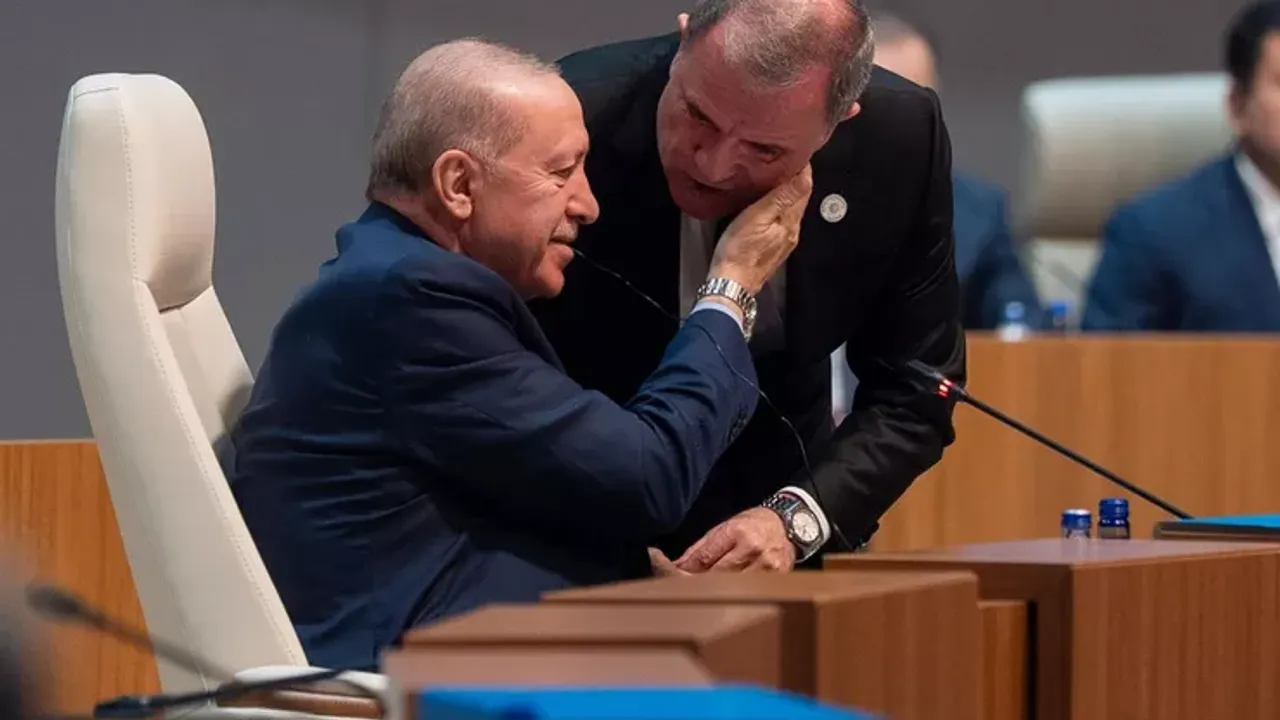
Baku has also taken measures against individual Turkish citizens. Azerbaijani authorities reportedly placed 31 Turkish nationals on an entry ban list over criticism of the country’s religious policies, prompting complaints from Turkish lawmakers.
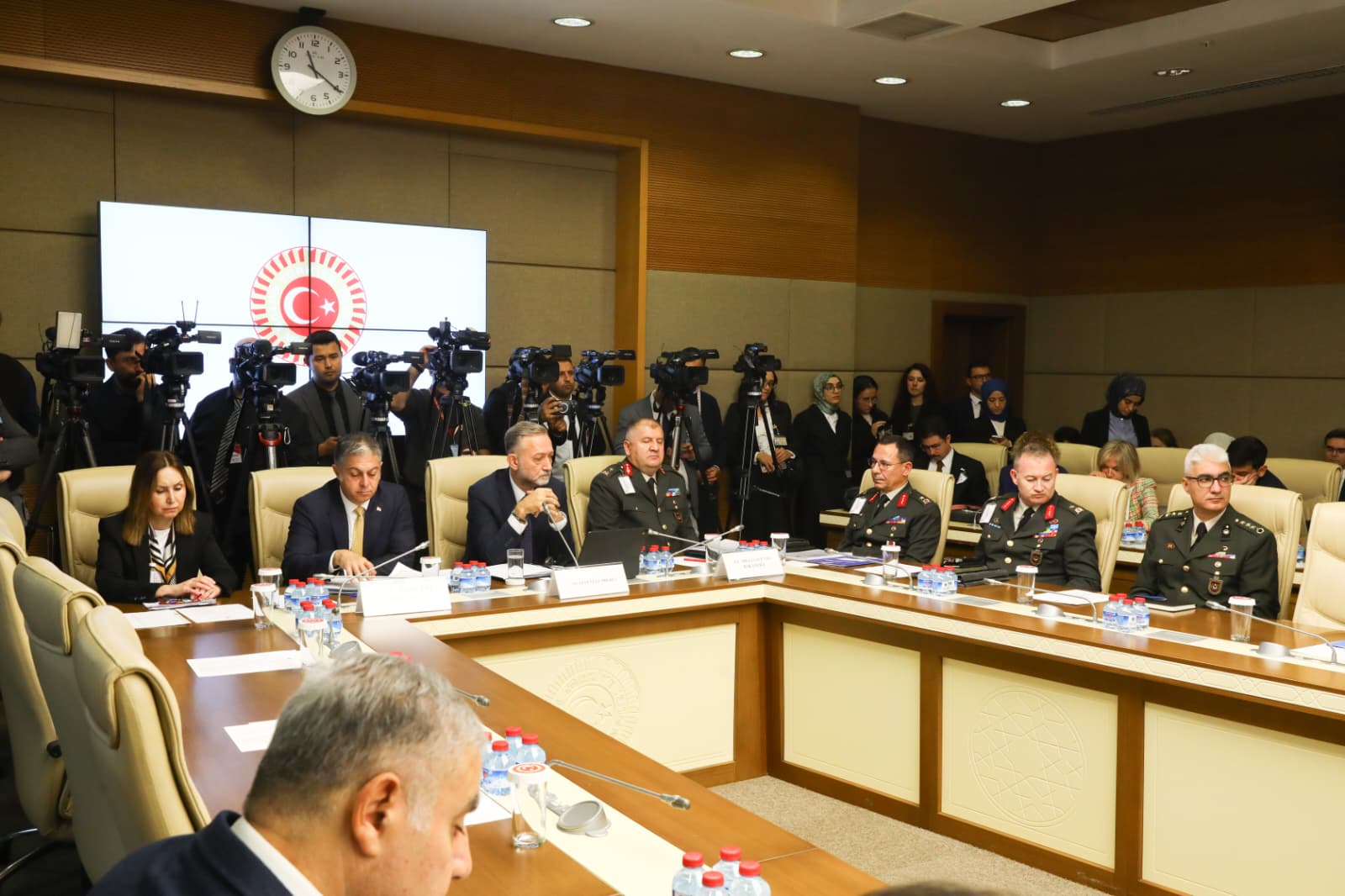
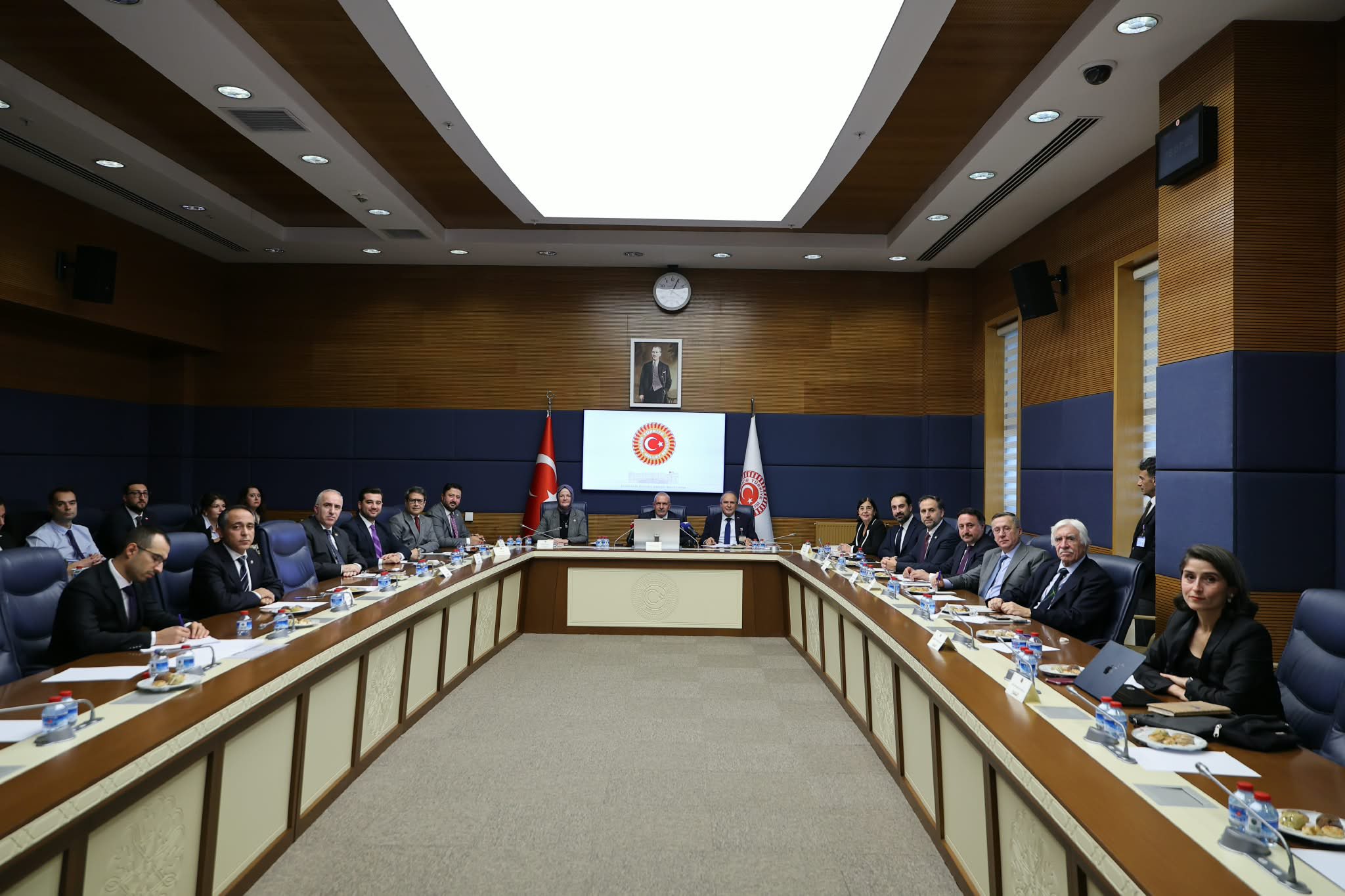
During an October 27 meeting of the Turkish Parliament’s Foreign Affairs Committee, Deputy Foreign Minister Zeki Levent Gümrükçü acknowledged that Ankara was discussing recent disagreements with Azerbaijani officials. He said sensitive issues should be addressed through diplomatic channels rather than public confrontation.
Gümrükçü denied claims that Turkey’s ambassador had been summoned to Azerbaijan’s Foreign Ministry, either formally or informally. His remarks confirmed that diplomatic contacts were continuing but provided no indication that the underlying disputes had been resolved.
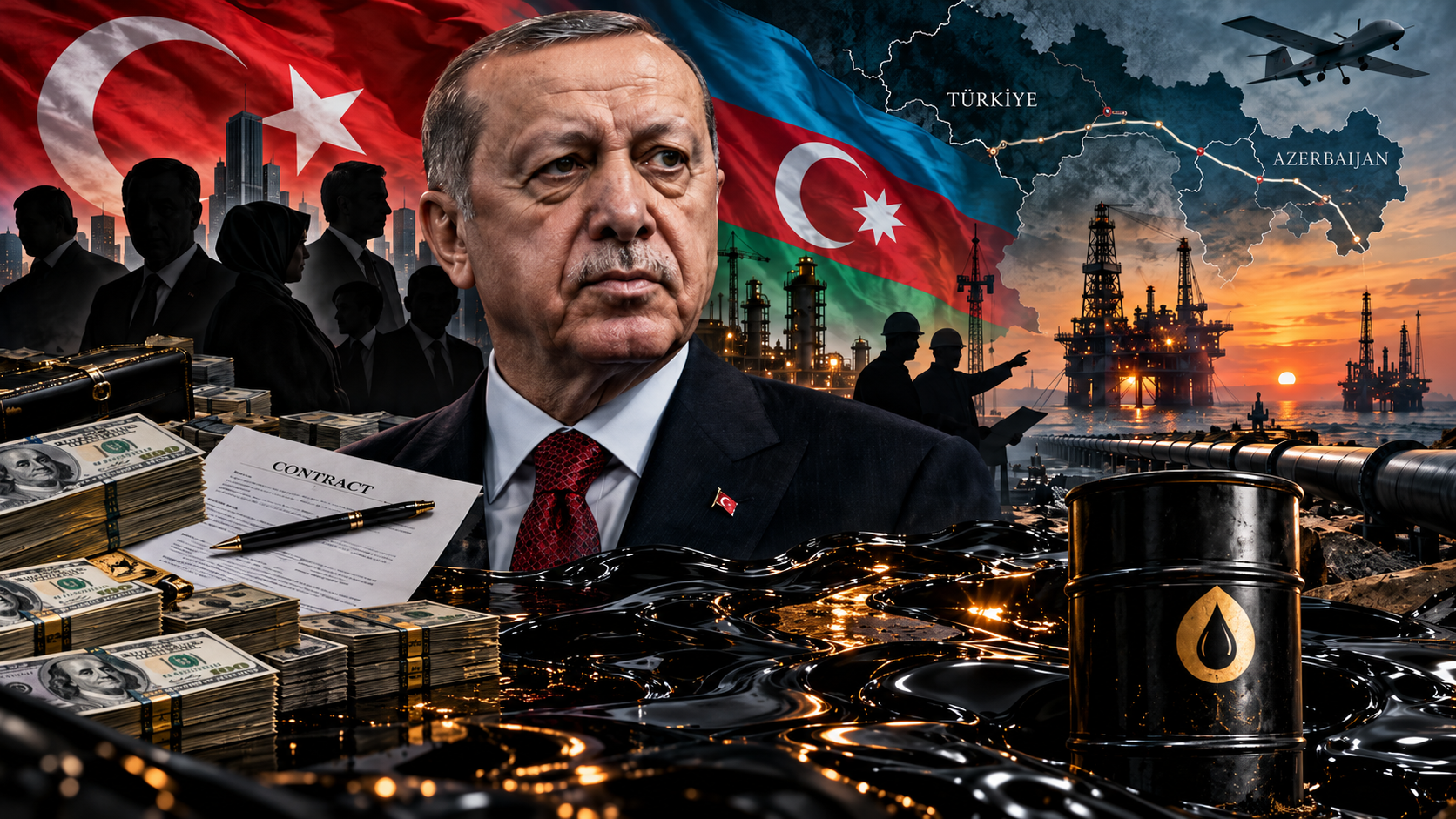
The dispute is further complicated by extensive business ties between Erdogan’s family and Azerbaijan’s ruling elite. Erdogan’s relatives and close associates have financial interests linked to Azerbaijan, including agriculture, shipping, defense and construction. With Azerbaijani investments in Turkey reaching $21.1 billion between 1995 and 2025, these intertwined interests could limit Ankara’s room for maneuver as diplomatic tensions continue to escalate.