
Levent Kenez/Stockholm
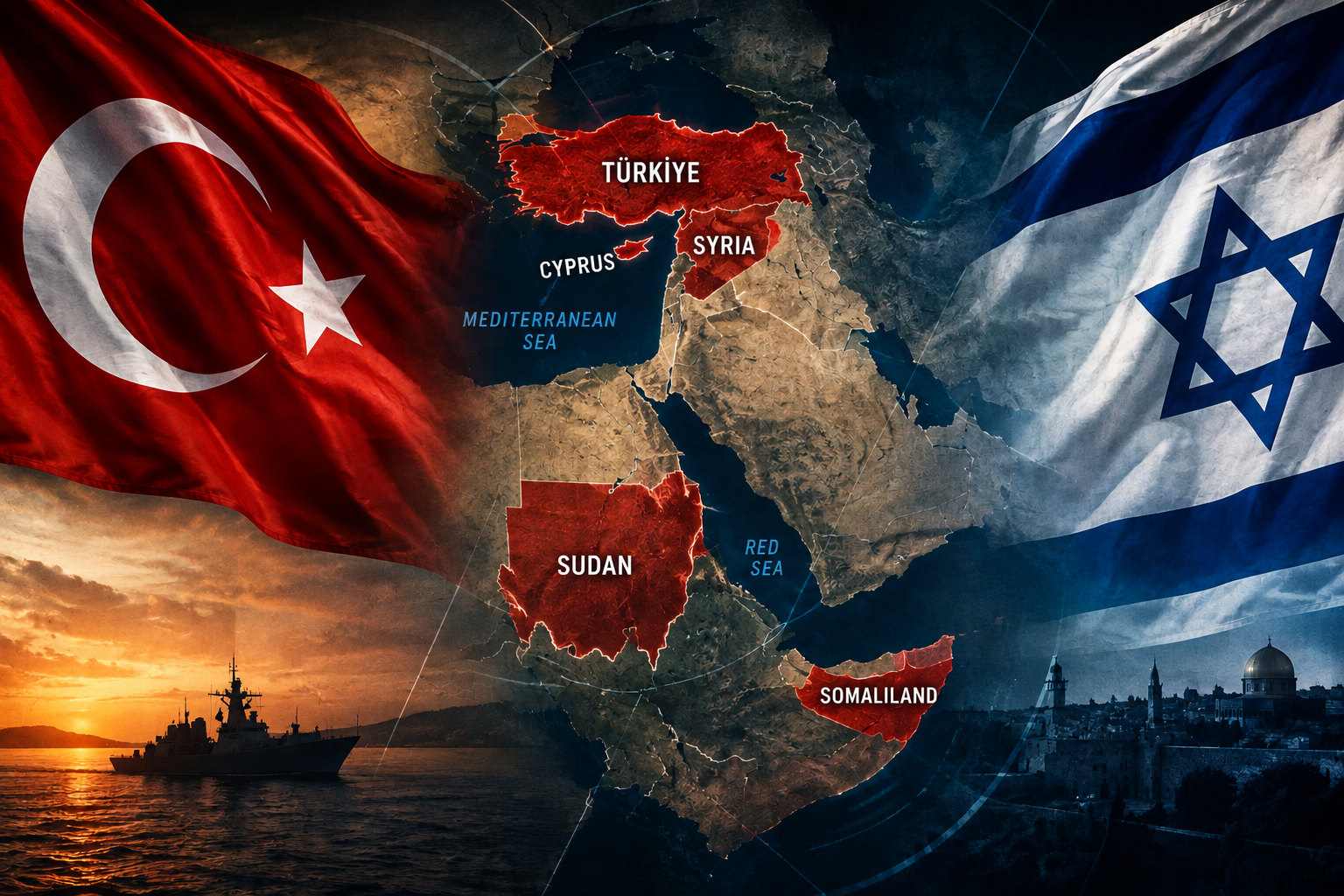
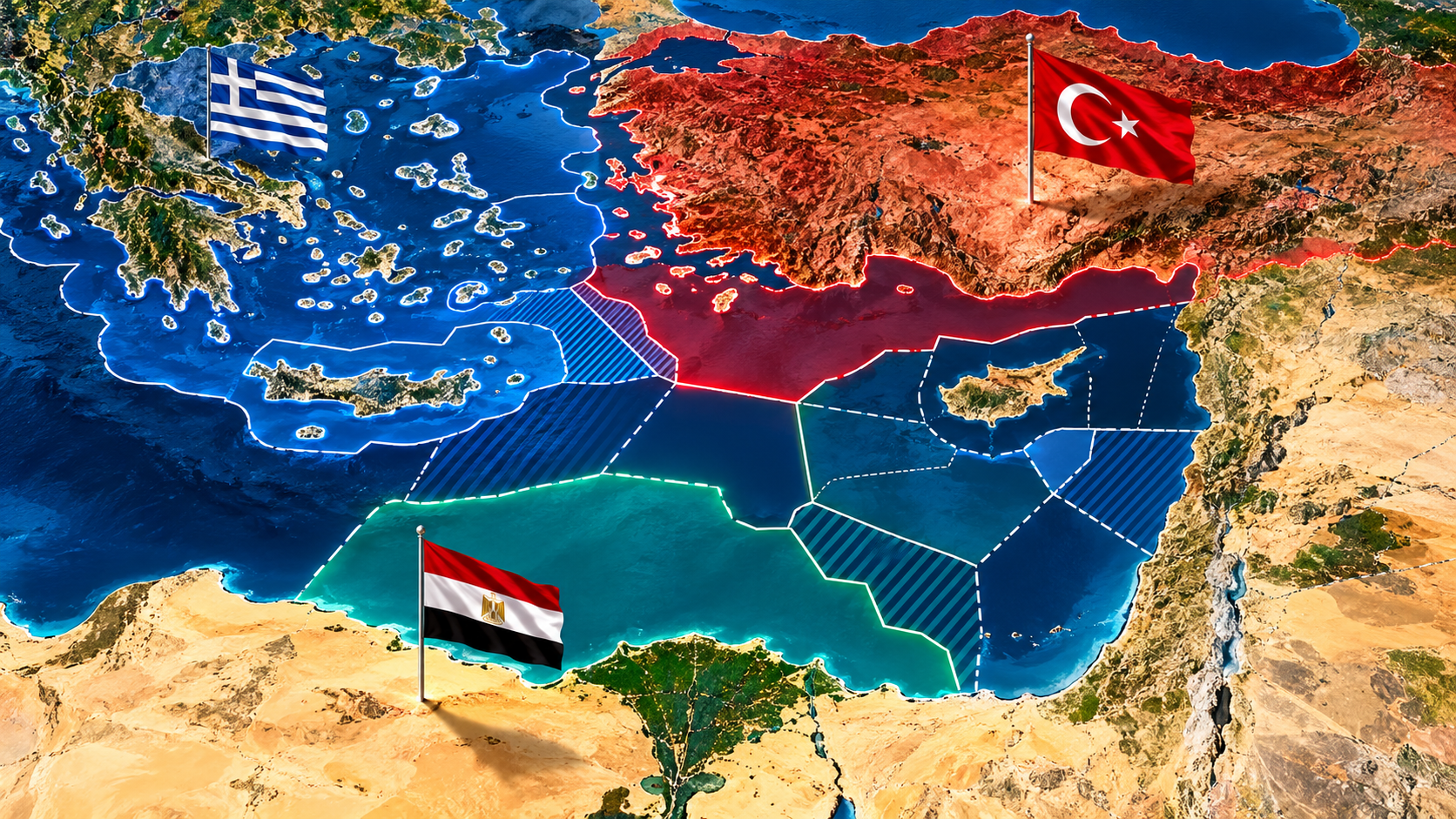
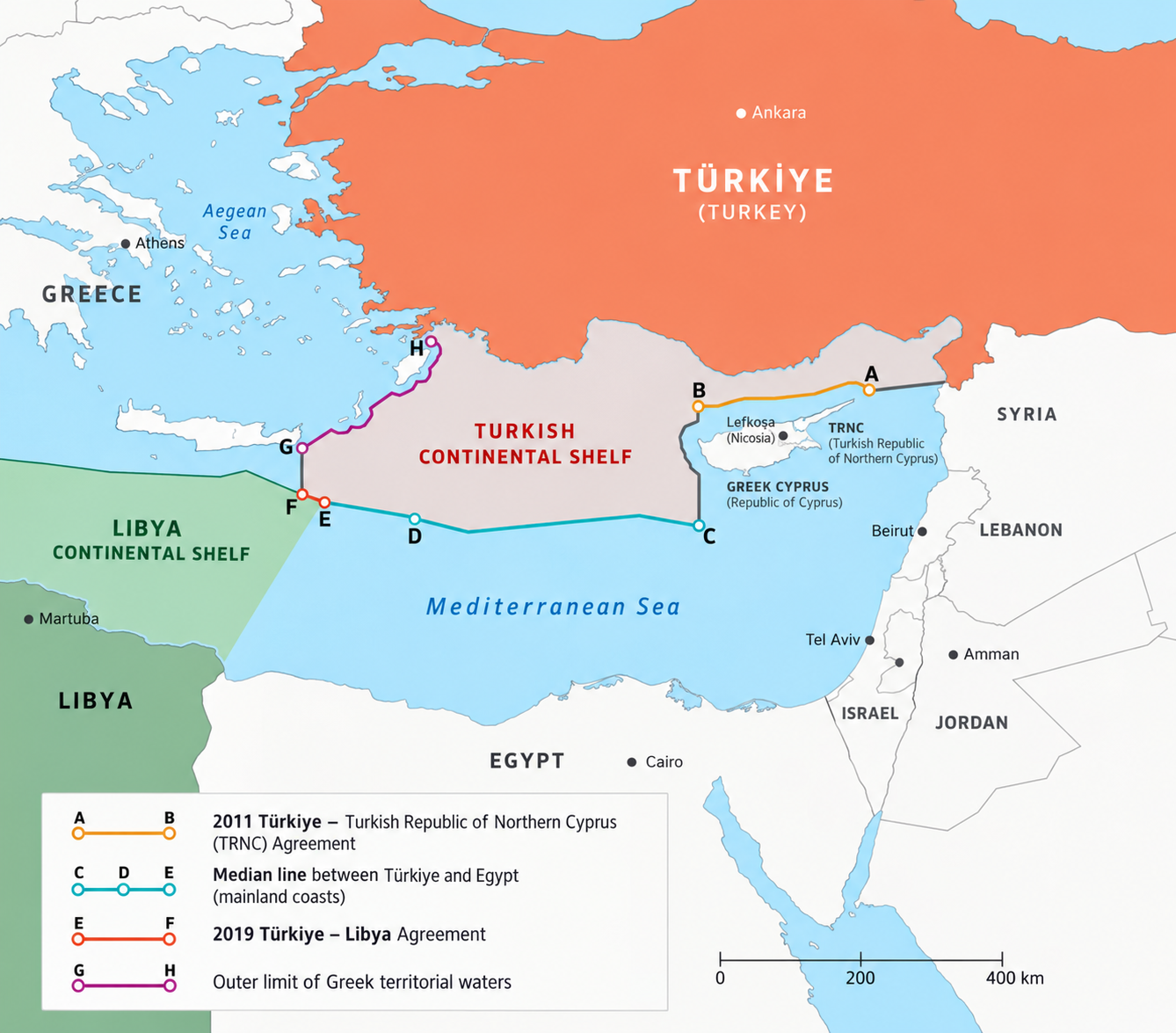
Turkey has renewed its offer to negotiate a maritime boundary agreement with Egypt, claiming Cairo could gain jurisdiction over more than 15,000 additional square kilometers (5,792 square miles) of the eastern Mediterranean compared with a potential agreement with Greece despite Egypt’s continued opposition to a disputed maritime pact between Turkey and Libya.
The Turkish Defense Ministry on October 28 reiterated the proposal following its weekly briefing presented by ministry spokesman Rear Adm. Zeki Akturk. The announcement came eight days after Libya’s eastern parliament approved a 2019 maritime agreement with Turkey, reversing years of opposition and triggering diplomatic protests from Egypt, Greece and Cyprus.
Turkish defense officials said a maritime delimitation agreement with Egypt would serve the interests of both countries and described Libya’s ratification as an important development supporting Ankara’s position on maritime rights. The ministry said Turkey would continue protecting its interests in the eastern Mediterranean under international law while contributing to regional peace, security and stability.
The Libyan House of Representatives voted unanimously October 20 to approve the 2019 maritime memorandum between Turkey and Libya’s former Government of National Accord. Lawmakers also rescinded two decisions adopted in 2020, one rejecting agreements with Ankara and another calling for political ties with Turkey to be severed.
The reversal was significant because the parliament is aligned with eastern Libyan military commander Khalifa Hifter, whose forces fought the Turkish-supported government in Tripoli. Turkey provided military assistance to the western government while Egypt backed Hifter. Libya remains divided between rival administrations despite efforts to reunify its institutions.
The parliamentary vote drew support from both sides of Libya’s political divide. Saddam Hifter, the eastern commander’s son and a senior military officer, welcomed the decision as a departure from earlier disputes, while the Foreign Ministry of the internationally recognized government in Tripoli called it a positive development in relations with Turkey.
Ankara had spent months cultivating contacts with eastern Libya while preserving its alliance with Tripoli. Turkish Foreign Minister Hakan Fidan visited both cities in August, meeting with Hifter and senior eastern officials in Benghazi after talks with Libyan Prime Minister Abdul Hamid Dbeibah in Tripoli. The visits followed exchanges involving Turkish intelligence officials and Hifter’s son.
For Egypt, however, the parliamentary reversal did not change the dispute. On October 21 its foreign ministry rejected the agreement as legally void, saying it infringed on Egypt’s sovereign rights over its exclusive economic zone and continental shelf. Cairo said Libya’s parliamentary approval could not create legal obligations for Egypt and warned against actions conflicting with its declared maritime boundaries.
Egypt bases its opposition on its interpretation of international maritime law, including the 1982 United Nations Convention on the Law of the Sea. Greece argues that the Turkish agreement disregards the maritime entitlements of Crete and other Greek islands situated between the Turkish and Libyan coastlines. Turkey, which is not a party to the convention, disputes those positions.
Egypt and Greece signed their own agreement on August 6, 2020, partially delimiting their exclusive economic zones. The accord entered into force the following month and is registered with the United Nations. Its boundaries cover only part of the maritime area between the two countries, leaving other sectors for possible future negotiations.
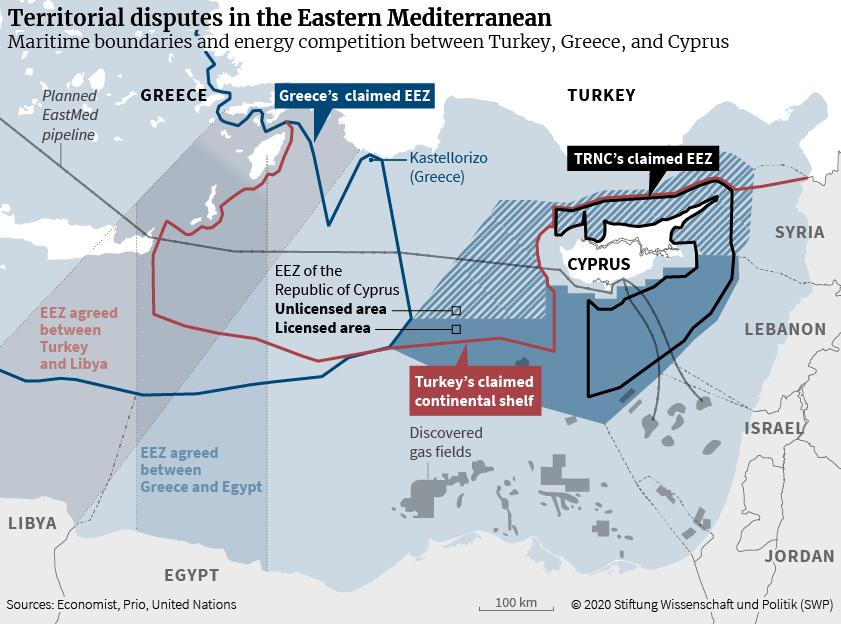
Those negotiations have returned to the agenda since the Libyan vote. Greek Foreign Minister George Gerapetritis saidn on October 22 that Athens and Cairo were discussing extending their maritime delimitation eastward toward Cyprus. The two governments reaffirmed their opposition to the Turkish agreement and said any additional boundaries would be drawn in accordance with international law.
Greece separately condemned the Libyan parliament’s decision, maintaining that Turkey and Libya lack facing or adjacent coasts permitting the boundary they established. Cyprus also rejected the move, while European Union leaders said the memorandum infringed on the rights of other states. Ankara rejects those objections and considers the Libyan vote further support for its existing agreement.
The disagreement was raised directly during talks in Istanbul on October 23 between Egyptian Foreign Minister Badr Abdelatty and Fidan. Egypt’s foreign ministry said Abdelatty reiterated his rejection of the maritime memorandum and warned against implementing measures that conflict with Egypt’s declared boundaries. The Egyptian account said Fidan acknowledged Cairo’s concerns and supported continued consultations on Libya.
Egyptian Foreign Ministry spokesman Nader Zaki sharpened Cairo’s position the next day, dismissing the maritime memorandum as “ink on paper.” He also said Egypt was maintaining direct contact with Turkey and Libya. Cairo subsequently began preparing a legal file concerning the agreement while consulting with Greece, Cyprus and European partners.
Libya’s government in Tripoli also sought to address Egypt’s objections. Dbeibah spoke with Egyptian intelligence chief Hassan Rashad on October 24 and said his government was committed to resolving concerns about maritime boundaries through dialogue. His statement came even as the Libyan parliament’s approval was welcomed by officials in both eastern and western Libya.
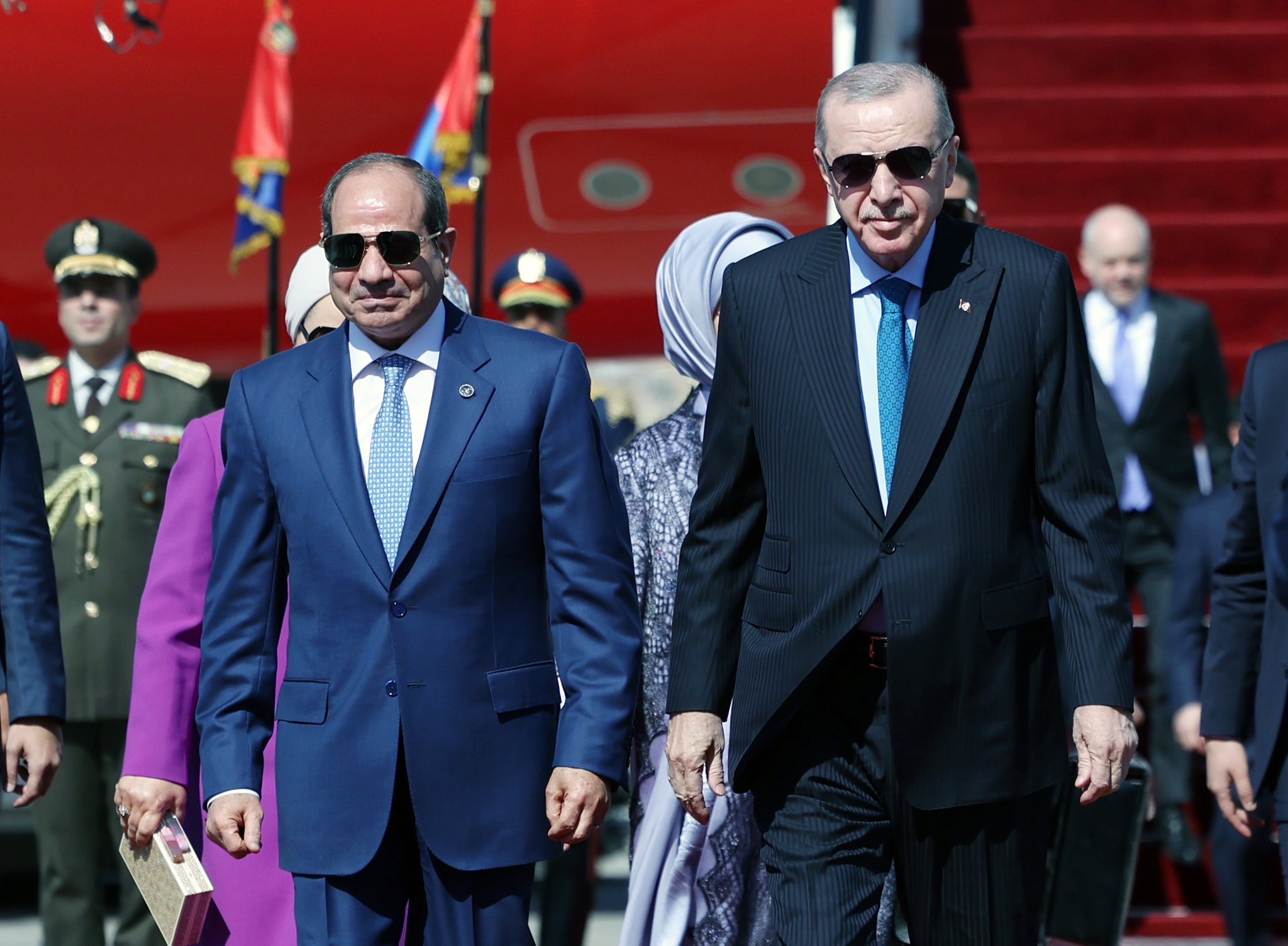
The maritime dispute remains unresolved even as Turkey and Egypt have normalized diplomatic relations and expanded cooperation after years of tensions. Turkish President Recep Tayyip Erdogan visited Egypt in February 2024, and Egyptian President Abdel Fattah el Sisi traveled to Turkey that September. The two leaders chaired another strategic cooperation meeting in Cairo in February 2026, when their governments committed to expanding trade and defense cooperation.
Egypt is also outside the Mecca Joint Defense Agreement signed August 7 by Turkey, Saudi Arabia and Pakistan, whose provisions treat an armed attack on one member as an attack on all three. The countries have discussed possible expansion, but Egypt has not joined. Cairo nevertheless participates alongside the same three states in a separate diplomatic consultation mechanism known as R4.
Turkish Defense Minister Yasar Güler had publicly repeated Turkey’s maritime offer on October. 24, saying Cairo could obtain approximately 15,000 square kilometers more jurisdiction than under a potential arrangement with Greece. Wednesday’s defense ministry statement repeated that calculation, but Turkey has not announced a negotiated boundary or a timetable for talks with Egypt.
On October 28 Abdelatty and Fidan had another telephone conversation on regional security and diplomatic coordination, according to Egypt’s foreign ministry. Their continuing contact and Libya’s recent diplomatic exchanges have not produced a change in Cairo’s stated position on the 2019 agreement, while Greece and Egypt are discussing further delimitation of their own maritime zones.