
Levent Kenez/Stockholm
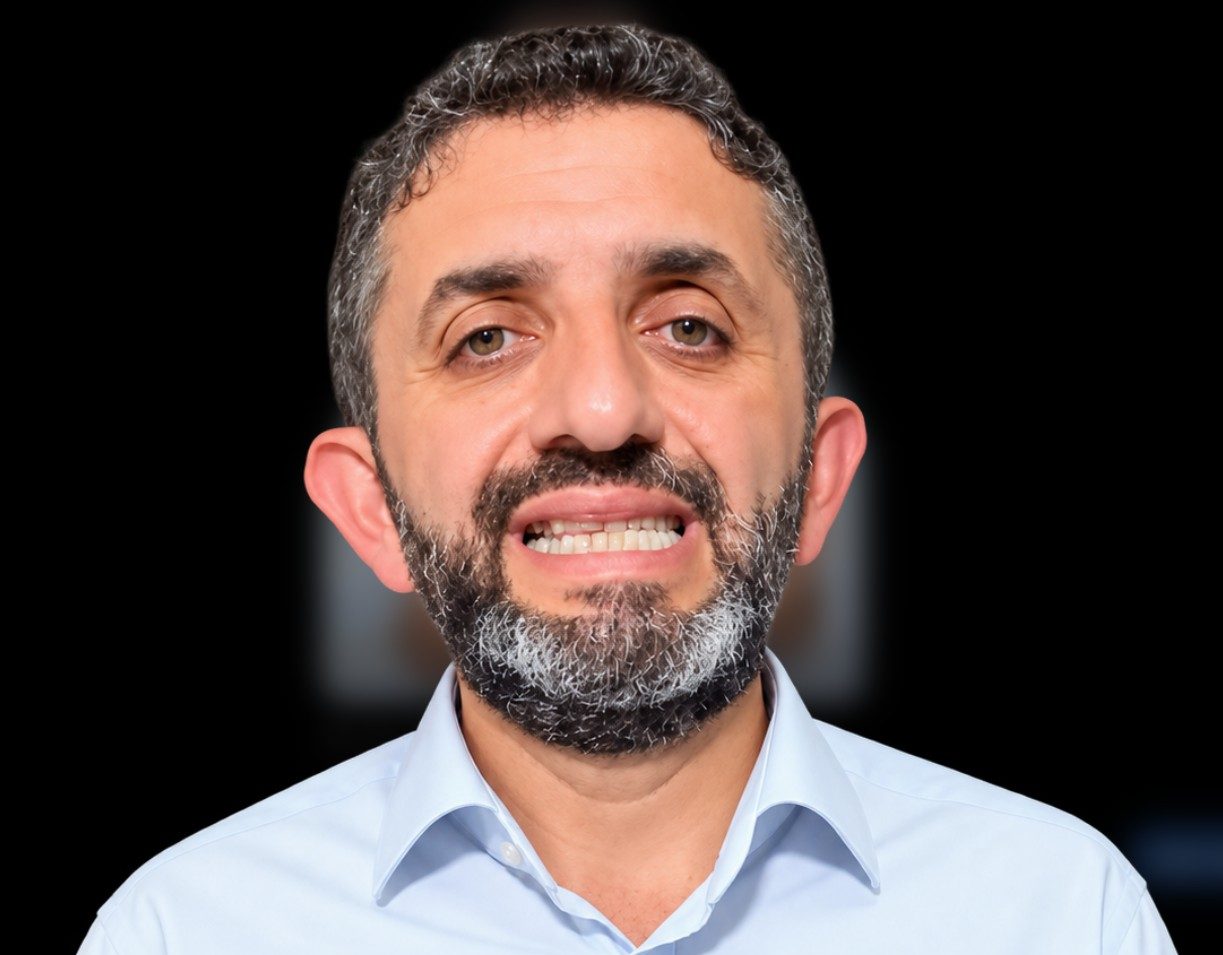
Turkey is rewriting the rules of its nuclear industry as it moves to move away from a model dominated by Russia and opens the door to small modular reactors, a shift that coincides with President Recep Tayyip Erdogan’s son-in-law Selcuk Bayraktar preparing to enter the emerging market.
As the government establishes a regulatory framework for small modular reactors and seeks foreign technologies for future nuclear plants, Bayraktar’s company, TMRS Energy, is positioning itself to take part in the emerging sector.
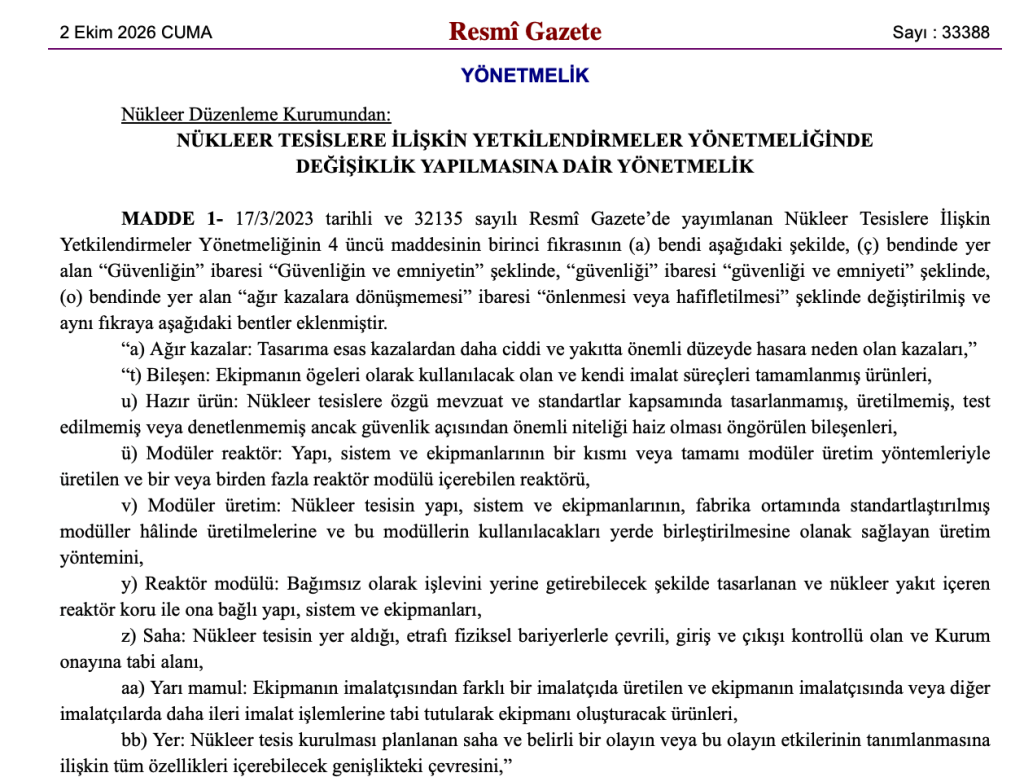
A regulation published in the Official Gazette on October 2 formally introduced modular reactors into Turkey’s nuclear authorization framework. The regulation defines modular reactors, reactor modules and modular manufacturing and sets out rules for their authorization, manufacturing, testing and operation.
The regulation covers more than small modular reactors (SMRs) and revises Turkey’s nuclear authorization system in general. But its explicit recognition of modular reactors is significant because Ankara is preparing a separate Small Modular Reactor Law to establish the legal and financial framework for the technology.
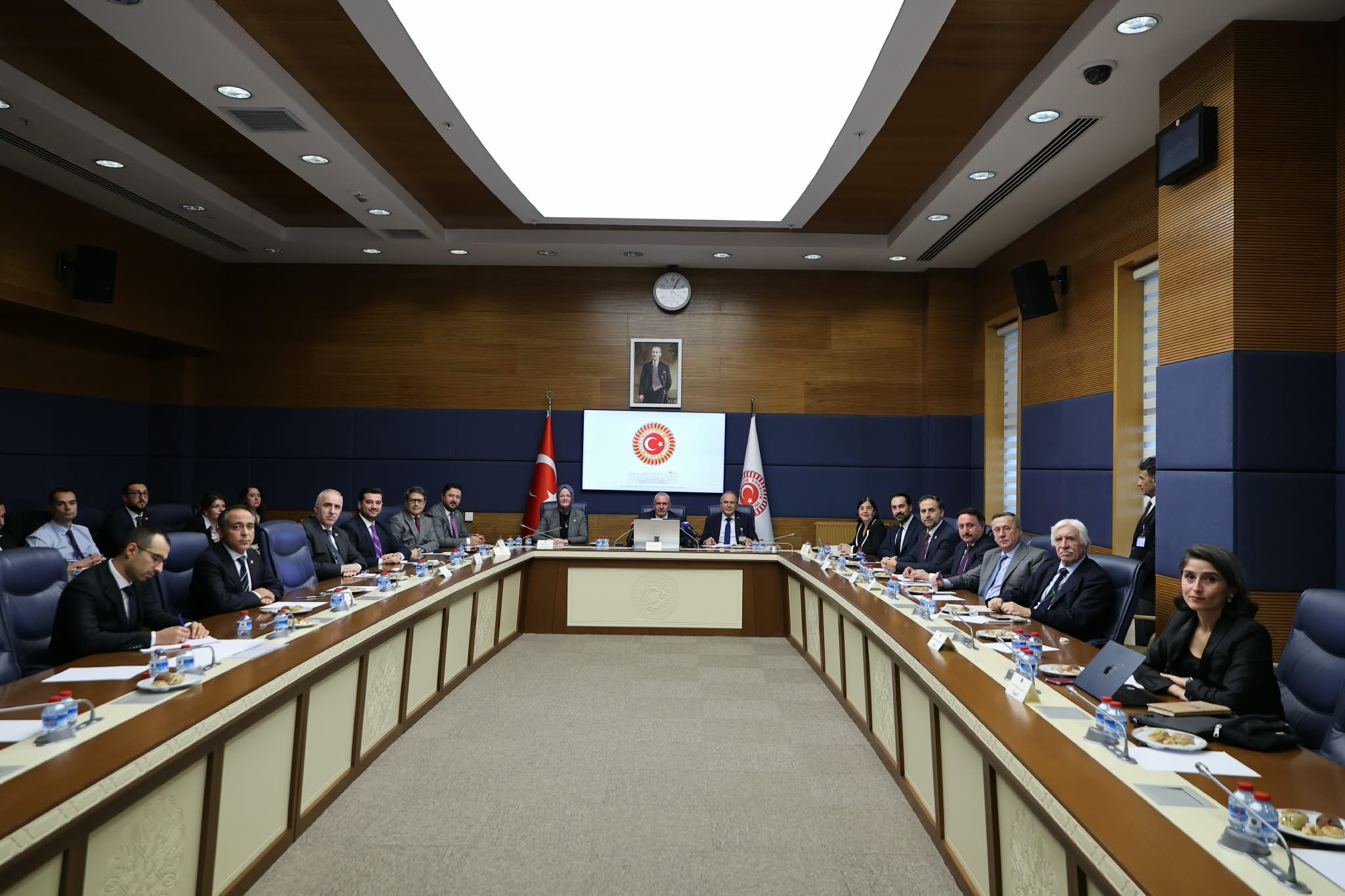
The government has said the bill is ready and is expected to be submitted to parliament during the current legislative year. The legislation is intended to establish rules governing the financing, safety and the deployment of SMRs.
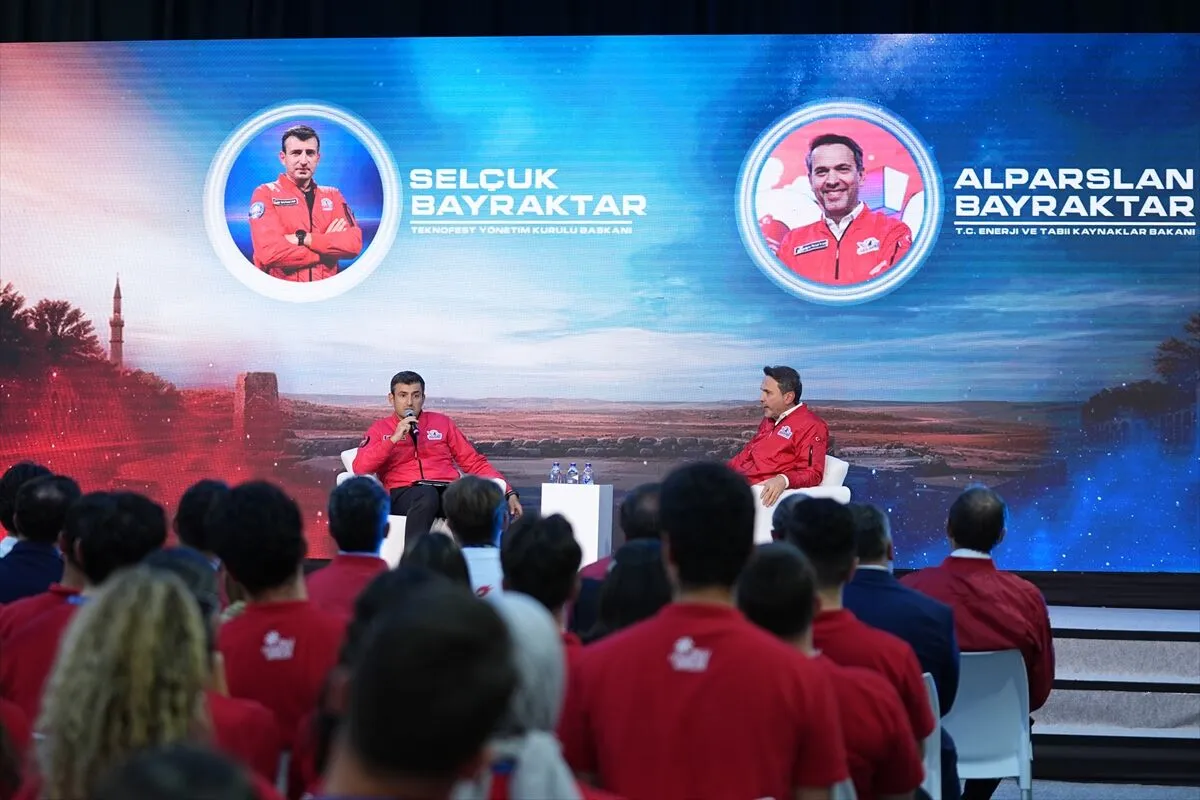
On September 4, 2026, Bayraktar, chairman of drone manufacturer Baykar, said TMRS Energy had been working on small modular reactors for between one-and-a half and two years and that he believed the company could build SMRs within a few years. He made the remarks at an event held as part of the TEKNOFEST technology festival, where Turkey’s nuclear technology competition was also being held.
Bayraktar described SMRs as a potential breakthrough comparable to the technological transformation Turkey experienced with unmanned aircraft. He said nuclear energy had traditionally been largely controlled by states, particularly because of the nuclear fuel cycle, but argued that SMRs could give Turkey a new opportunity to develop domestic capabilities.
The disclosure puts a company led by Erdogan’s son-in-law in a sector that the Turkish state is now actively preparing for expansion. TMRS Energy has not been awarded a nuclear power plant contract and there is no public evidence that the company has reached commercial reactor production. Its publicly disclosed work remains in the development stage.
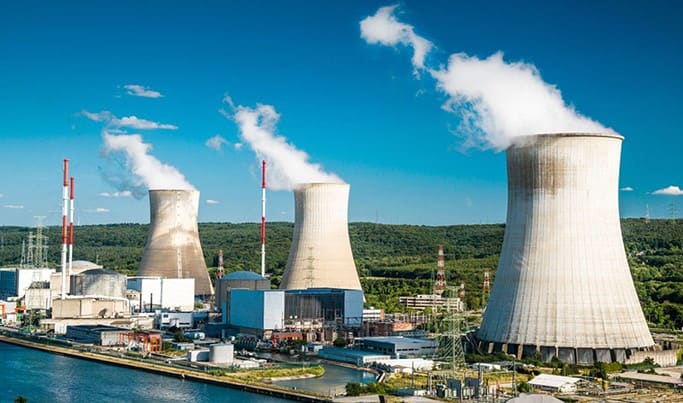
That is a significant departure from the structure of Turkey’s first nuclear power project. Akkuyu, being built on the Mediterranean coast in Mersin province, is being developed under a build, own and operate model controlled by Russia’s state nuclear corporation Rosatom. The project has four reactors with a combined planned capacity of 4,800 megawatts.
Turkey has the right under the 2010 intergovernmental agreement to acquire up to 49 percent of the project but has not exercised that option. The result is that Turkey is developing its first nuclear power plant without having taken a direct ownership position in the project company.
Akkuyu also created long-term dependence on Russia for nuclear fuel. Energy Minister Alparslan Bayraktar told a parliamentary budget committee in November that Turkey depended entirely on Rosatom for the uranium fuel used at the plant. The fuel is supplied by TVEL, a Rosatom subsidiary.
That dependence has become more consequential as Ankara has reassessed its broader energy relationship with Moscow. In 2025, a government document examined provisions of the Akkuyu agreement that could allow Turkey to take measures to protect its national security and economic interests if problems arise involving the project company. The discussion reflected concerns about the degree of Russian control over a plant that is located on Turkish territory but remains under a Russian controlled ownership and operating structure.
TMRS Energy, established on January 8, 2025, lists Selcuk Bayraktar as its sole shareholder:
Turkey has since begun looking for a different model for the nuclear plants that will follow Akkuyu. Sinop, on Turkey’s Black Sea coast, was previously expected to become another major project involving Russia. Ankara has since had talks with US and South Korean companies and has explored Canadian nuclear technology.
In March 2026 Turkey’s state nuclear company, Türkiye Nükleer Enerji A.Ş., (TÜNAŞ), signed a memorandum of understanding (MOU) with Canadian nuclear company AtkinsRéalis to assess the applicability of Canadian CANDU reactor technology in Turkey. The talks covered the broader nuclear program, from large-scale plants to SMRs.
The diversification is not limited to reactor suppliers. In September 2026 Turkey’s Nuclear Energy Research Institute (TENMAK) signed an MOU with Denmark-based Copenhagen Atomics concerning thorium compounds and next generation nuclear technologies. Turkey has also been promoting domestic nuclear research and renewed the license of the TR 2 research reactor after a lengthy interruption.
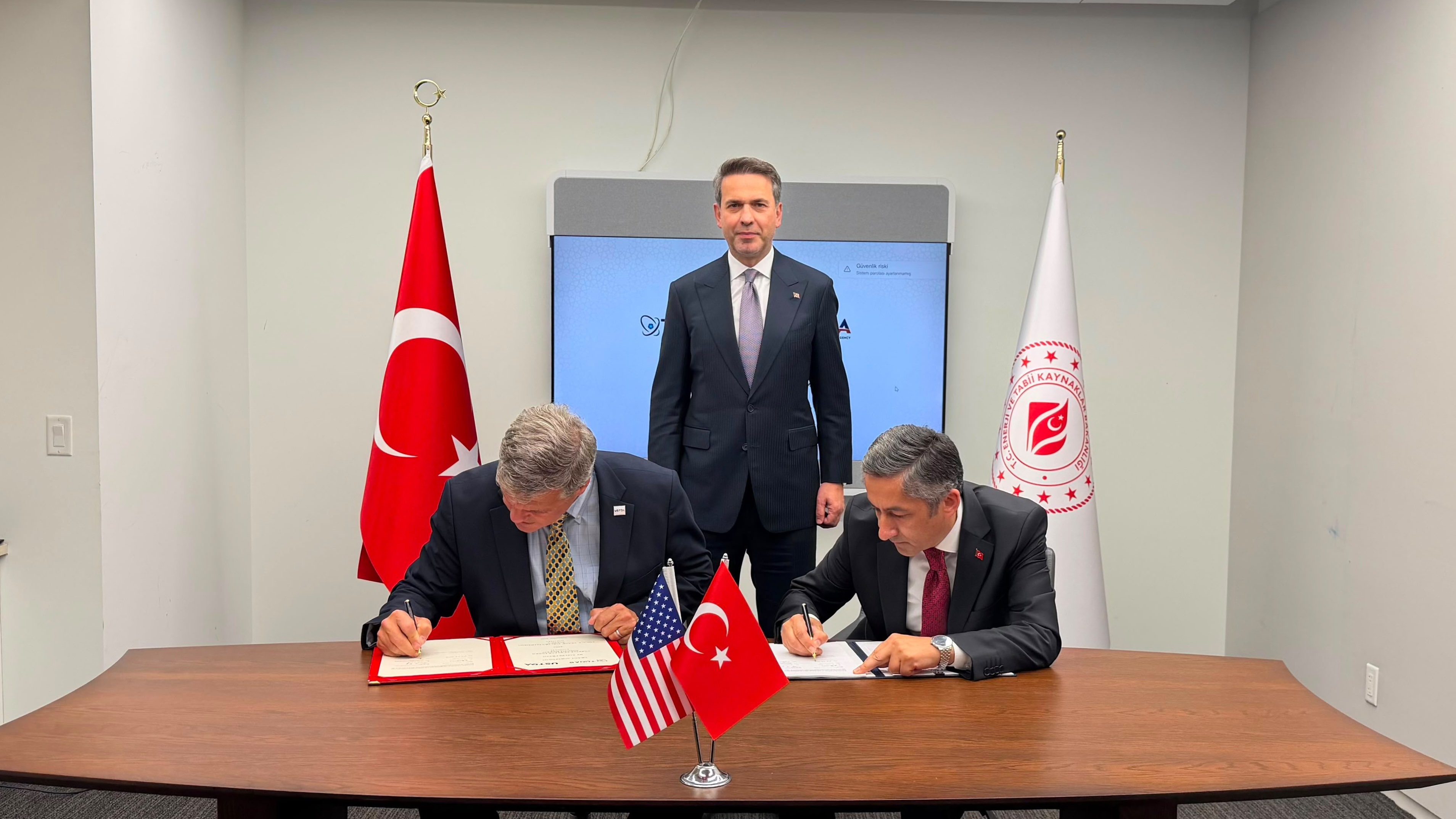
A potentially significant development is the attempt to create a market for SMRs that could involve domestic private companies. On September 22 Turkey’s state-owned TÜNAŞ signed an agreement with the United States Trade and Development Agency (USTDA) to evaluate American SMR and fourth generation reactor technologies. The program covers four US SMR designs and five Generation IV designs and is intended to assess their technical, economic and regulatory suitability for Turkey.
The agreement is not a contract for the construction of a US reactor. Instead, it is part of a broader effort to determine which technologies could be deployed in Turkey and to create a roadmap for private Turkish companies to participate in SMR projects. USTDA has also said it plans a 2027 program that would take Turkish nuclear decision makers to the United States to examine reactor design, manufacturing, operations and regulation.
Turkey is therefore developing a nuclear strategy with two distinct tracks. The first is the existing large-scale model represented by Akkuyu, where Russia remains the dominant foreign partner. The second is an emerging model in which Turkey is seeking multiple foreign technologies and greater domestic participation, particularly through smaller reactors.
For Ankara the shift is part of a larger energy diversification policy. Turkey remains heavily dependent on imported oil and natural gas, with Russia and Iran among its major suppliers. Minister Bayraktar said in 2025 that Iranian gas supplies were expected to continue in the coming years.
Instead, the policy is aimed at reducing vulnerability to any single supplier or technology. Turkey has been expanding Black Sea gas production, increasing liquefied natural gas purchases and seeking additional routes and suppliers while developing nuclear power as an alternative source for electricity generation.
The nuclear expansion is also intended to reduce the amount of natural gas burned to produce electricity. The government has said Akkuyu could reduce annual natural gas consumption by roughly 7 billion cubic meters once the plant reaches full capacity.
Ankara has set a target of reaching 20 gigawatts of nuclear capacity by 2050, including additional large reactors and 5 gigawatts of SMR capacity. It has also said it wants nuclear power to provide roughly 10 to 15 percent of the country’s electricity by then.
But the opening of the sector also raises the question of who may benefit. Bayraktar is married to Erdogan’s daughter Sumeyye and has become one of the most influential figures in Turkey’s defense and technology industry through Baykar.
Baykar’s rise has been closely associated with the expansion of Turkey’s armed drone exports. The company’s TB2 and Akinci drones have become major Turkish defense products and have helped make Bayraktar one of the country’s most prominent business figures.
His move into nuclear technology would extend that business footprint into an industry that is strategically controlled and heavily regulated by the state.
The scale of Bayraktar’s personal wealth has also changed dramatically along with Baykar’s rise. Forbes Türkiye’s 2026 list puts Selcuk Bayraktar among Turkey’s dollar billionaires, with an estimated net worth of $2.7 billion. His brother Haluk Bayraktar, Baykar’s chief executive, is also a billionaire.
The significance lies in the sequence. Turkey is moving away from a Russian-controlled nuclear model while opening the sector to multiple foreign technologies, private Turkish companies and a new regulatory and financial framework for small modular reactors. At the same time Erdogan’s son-in-law is already leading a company working on the technology and says it expects to be capable of building SMRs within a few years.