
Levent Kenez/Stockholm
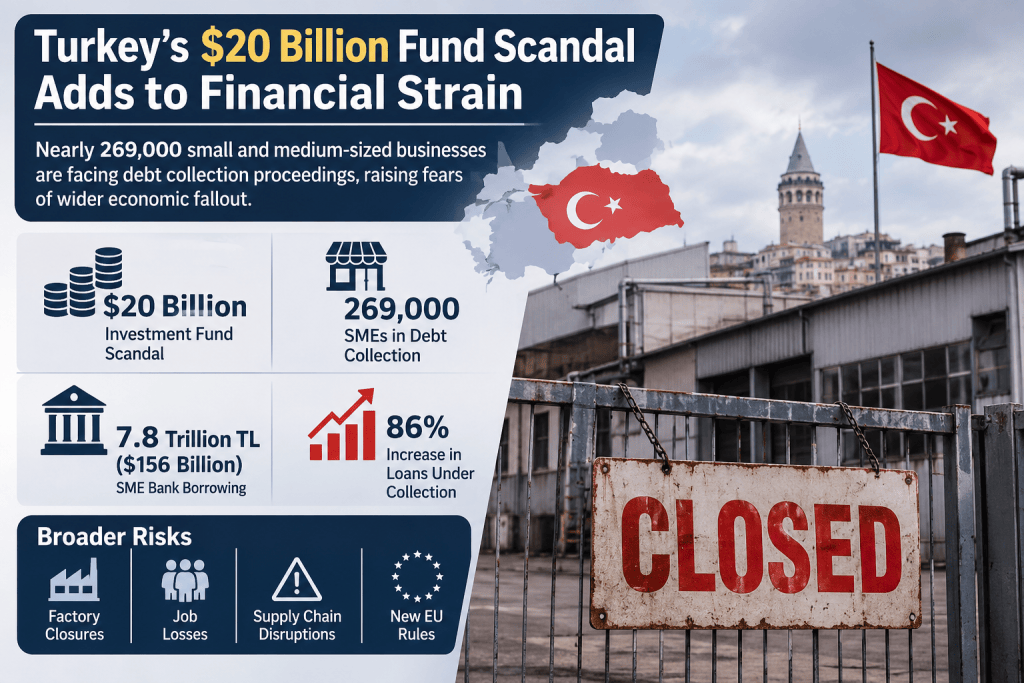
Nearly 269,000 small and medium-sized businesses in Turkey are facing debt collection proceedings, leaving the country’s industrial supply chains vulnerable to further disruption, as an expanding investment fund scandal threatens the finances of major companies they depend on for orders and payments.
The risks extend beyond companies and investors directly affected by the scandal. Large manufacturers depend on smaller suppliers for components, materials and subcontracted production. Financial difficulties at major customers could expose those suppliers to delayed payments, canceled orders and production cuts, further straining their ability to service existing debt.
The financial pressure emerged during a November 2 hearing of the Turkish Parliament’s Planning and Budget Committee, where lawmakers examining the Industry and Technology Ministry’s proposed 2027 budget questioned the government’s response to the fund crisis and mounting debt among small and medium-sized enterprises, known as SMEs.
According to figures presented to the committee, SMEs’ total bank borrowing rose by 37 percent, from 5.619 trillion Turkish lira ($112.4 billion) in September 2025 to approximately 7.7 trillion lira ($154 billion) in September 2026. Nearly 269,000 businesses were also reported to be facing debt collection proceedings.
Loans in collection increased 86 percent over the same period, from 168 billion lira ($3.36 billion) to 313 billion lira ($6.26 billion). The figures suggest repayment problems are growing considerably faster than overall SME borrowing.
The deterioration continued into October. Loans in collection had reached 330.7 billion lira ($6.61 billion) by October 16, increasing by approximately 4 billion lira ($80 million) over the following week, according to figures presented in parliament.
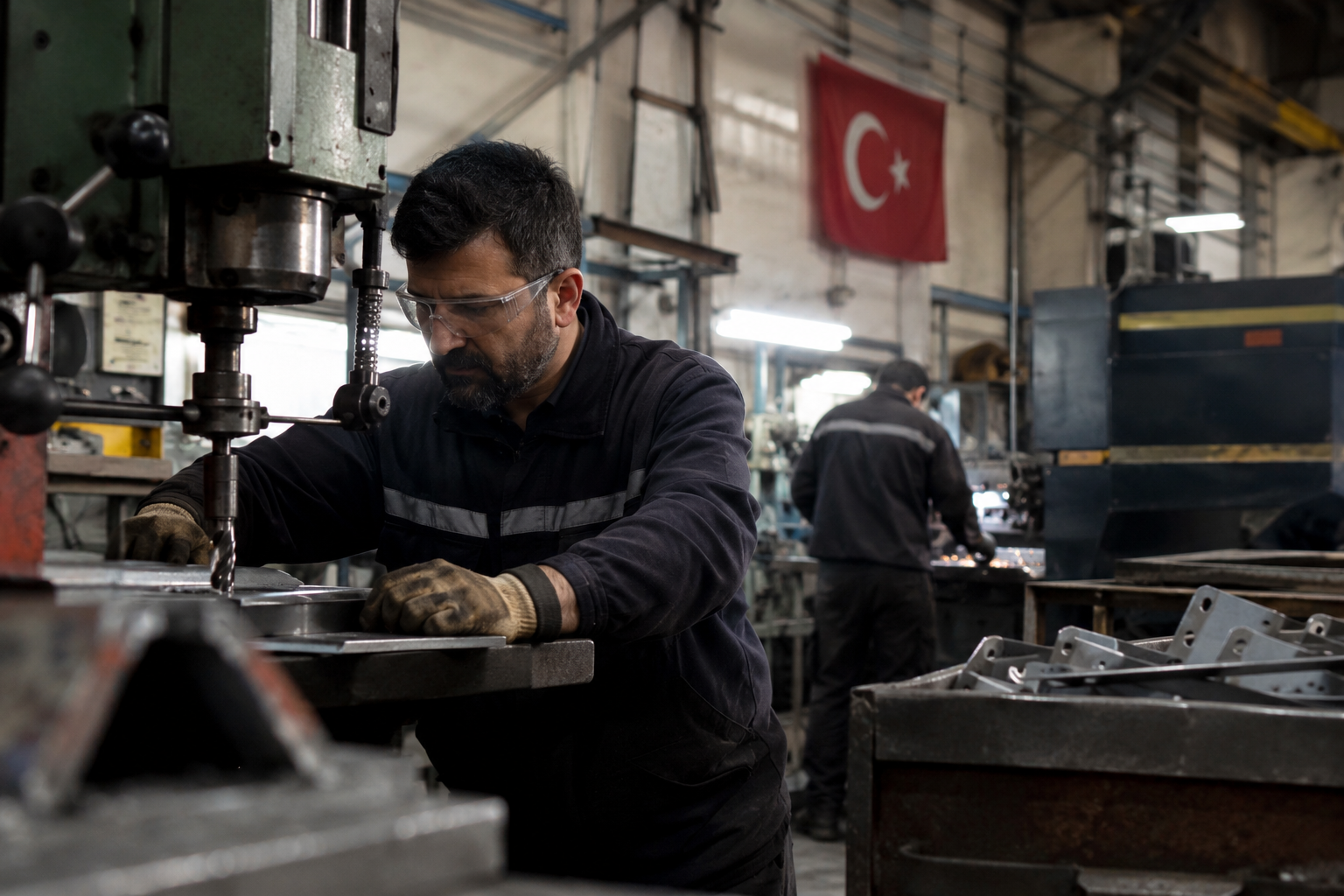
Smaller Turkish manufacturers often rely on bank credit to purchase materials, maintain inventory and pay employees while awaiting payments from customers. A disruption involving a major industrial buyer could leave subcontractors struggling to meet their own obligations, particularly when financing is already expensive.
Turkey’s manufacturing sector was showing weakness before the fund crisis intensified. Manufacturing output declined 2.5 percent in August 2026 from a year earlier, while overall industrial production fell 1.5 percent. The manufacturing purchasing managers’ index stood at 47.9 in September, below the threshold of 50 separating expansion from contraction, with output declining across nine of the 10 sectors surveyed.
Factory closures have added to the pressure. Orta Anadolu, a denim manufacturer founded in 1953, announced in September that it would end production at its Kayseri facilities, citing an unsustainable operating model.
The company suspended production on September 11 and scheduled the complete closure for October 12. It cited weakening global demand, rising operating and financing costs, supply chain fluctuations and changes in international trade.
The textile and clothing industries have been particularly affected. Deutsche Welle reported in February that approximately 4,500 businesses in the sector ceased operations during 2025, while some 380,000 jobs had disappeared over the preceding three years.
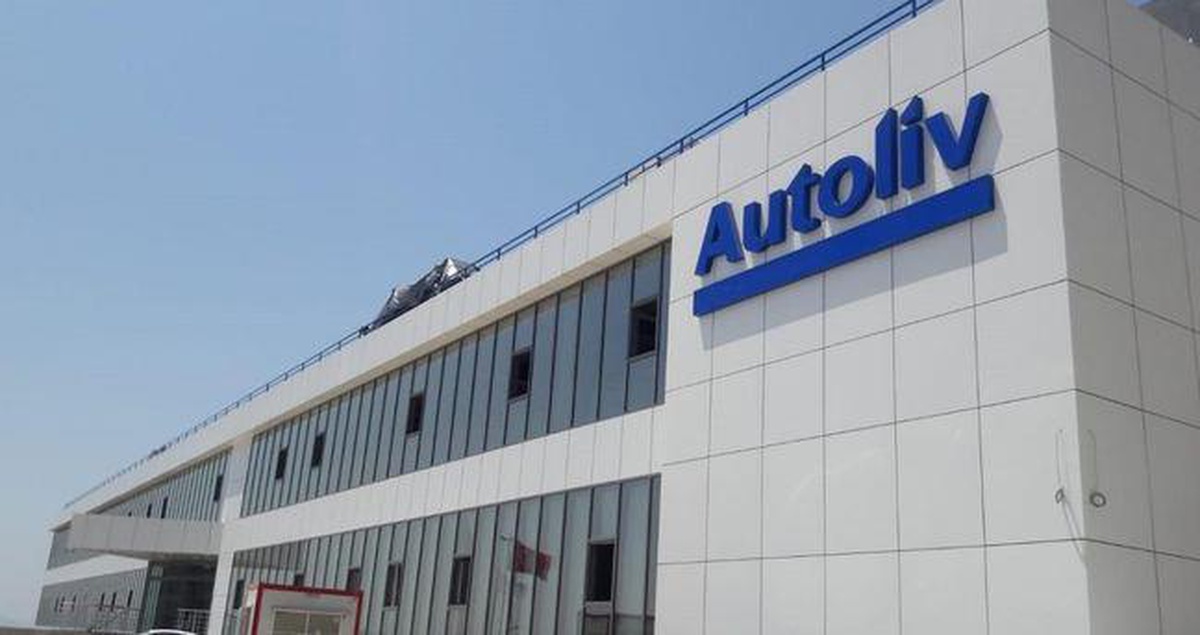
Foreign manufacturers have also announced plans to withdraw production from Turkey. Swedish automotive safety equipment supplier Autoliv said in May that it would discontinue its Turkish manufacturing operations, affecting approximately 2,200 jobs, with closures expected to be completed during the first half of 2028.
Autoliv, which manufactures airbags, seatbelts and steering wheels, said production would move to other facilities in Europe and the Middle East. It cited excess regional manufacturing capacity, changing automotive industry conditions and restructuring needs.
Israeli bathroom and kitchen fixture manufacturer Hamat also decided to halt production at its Turkish subsidiary MCP amid continued losses and weak demand. The company cited difficulties selling its products domestically and internationally, including trade restrictions affecting commerce between Turkey and Israel.
The companies did not attribute their decisions to the investment fund scandal. Their closures and restructuring plans reflect broader economic difficulties that existed before the scandal emerged and could leave smaller suppliers more vulnerable to further disruptions.
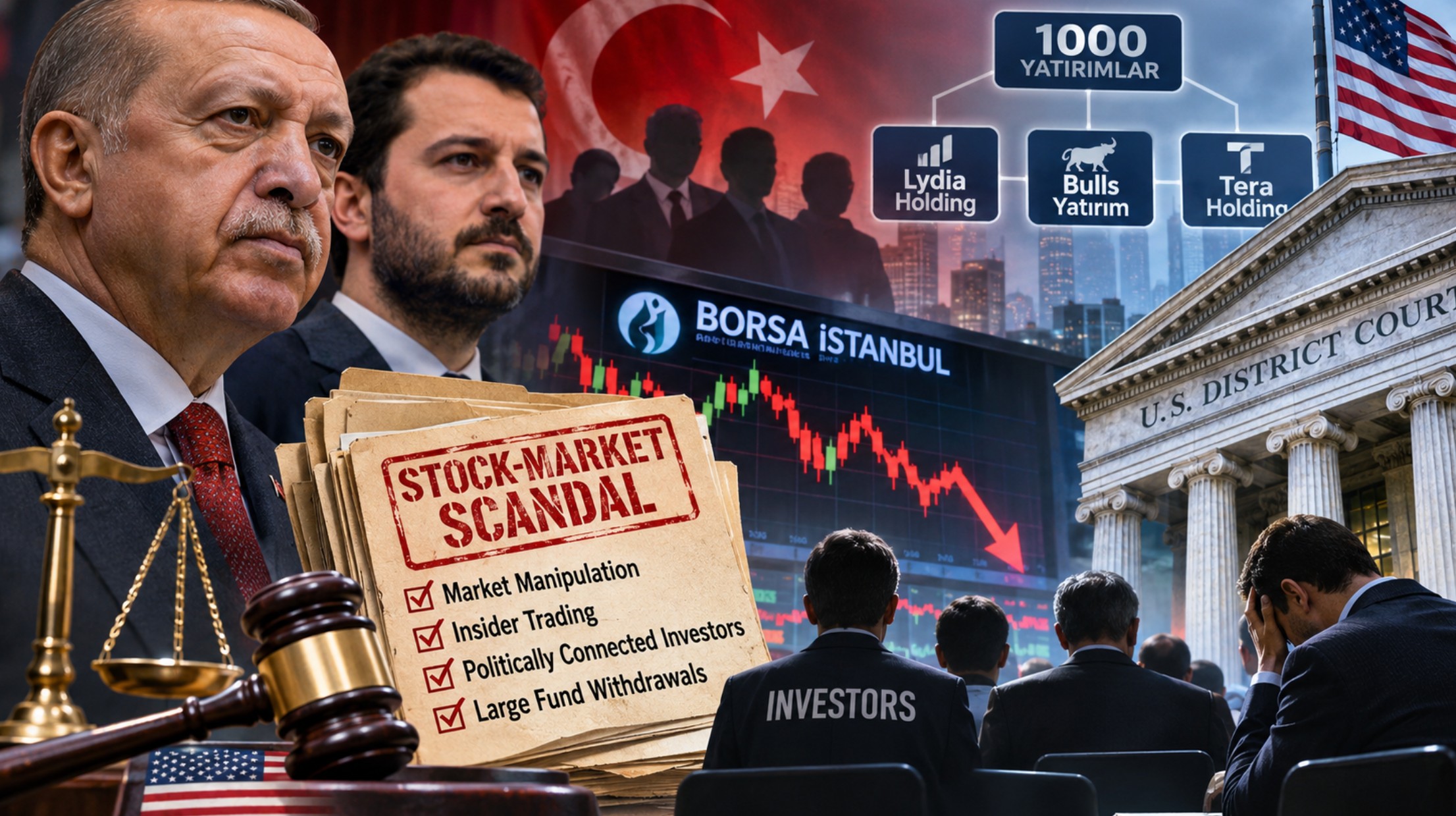
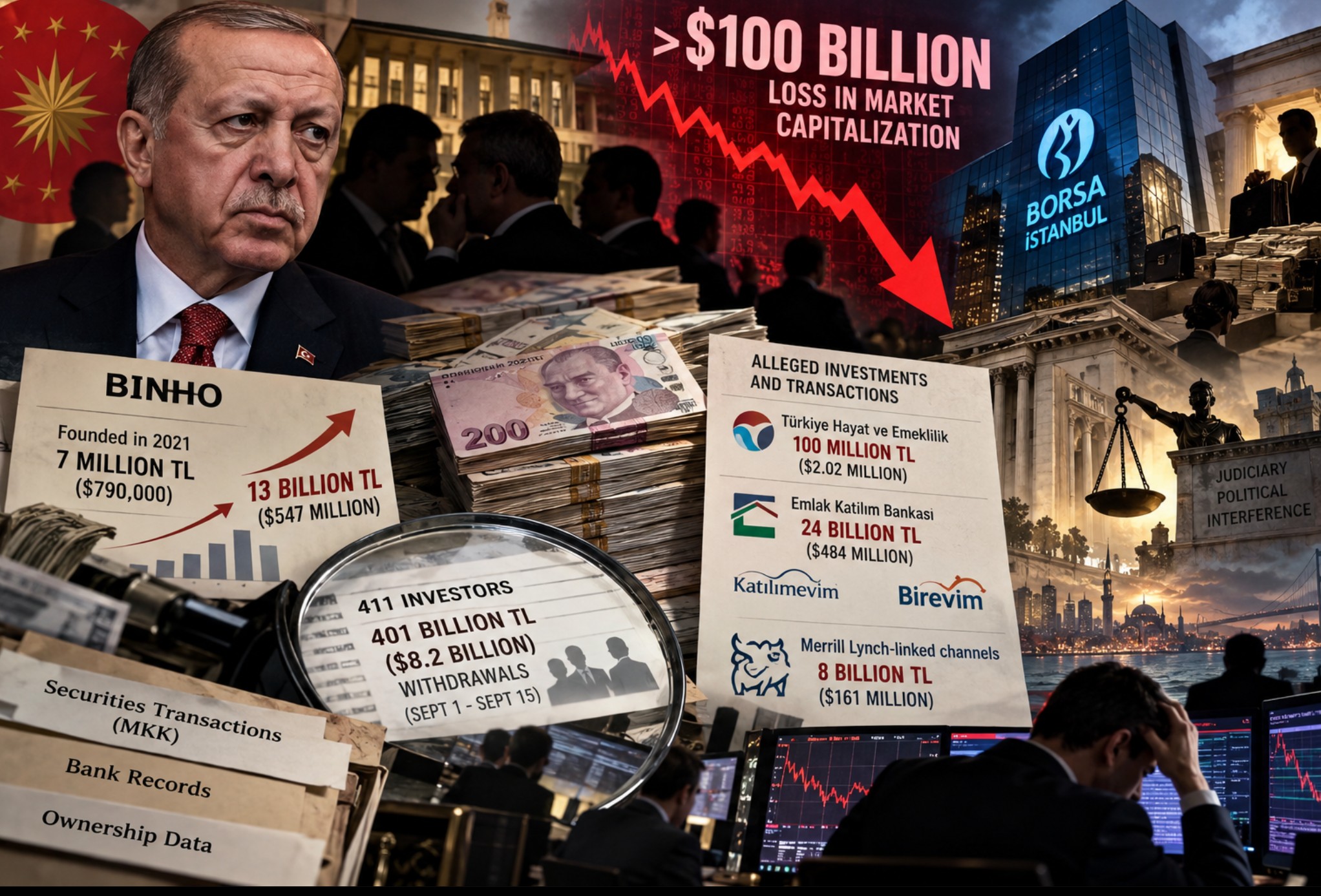
The fund crisis erupted in September when investment funds struggled to meet withdrawal requests, triggering a market selloff and intervention by Turkey’s Capital Markets Board, the country’s securities regulator.

The regulator ordered the liquidation of 131 funds managed by seven portfolio companies. The funds had approximately 455,000 individual investors and assets estimated at more than $20 billion before the crisis.
Prosecutors are investigating allegations that fund managers artificially inflated share prices and valuations through coordinated transactions. The investigation has also raised questions about regulatory oversight and financial relationships involving listed companies, investment funds and public institutions.
On November 3 Justice Minister Akın Gürlek said investigators had uncovered what he described as an organized criminal network extending into the senior financial bureaucracy. He said the investigation involved 433 suspects, including 112 people held in pretrial detention and another 186 subject to judicial supervision.
Authorities also imposed restrictions on assets and bank accounts belonging to 359 individuals and 111 legal entities, according to the minister. The allegations are subject to judicial proceedings.
The investigation has raised questions about political oversight of financial regulators under President Recep Tayyip Erdogan’s executive presidency. The head of the Capital Markets Board was replaced by presidential decree during the investigation, while prosecutors examined allegations involving senior financial officials.
The government has pointed to existing industrial assistance programs. Industry and Technology Minister Mehmet Fatih Kaçır told parliament that the Small and Medium Enterprises Development Organization (KOSGEB) had provided 69.359 billion lira ($1.39 billion) in financing to 52,047 businesses over the preceding year.
Kaçır said manufacturers were receiving 150 billion lira ($3 billion) in loan guarantee support and 250 billion lira ($5 billion) in working capital financing during 2026.
Companies in the clothing, textile, leather and furniture sectors that retained their workers were eligible for monthly government support of 3,500 lira ($70) per employee, up from 2,500 lira ($50).
The reach of those programs was questioned during the hearing. The ministry’s target for supported SMEs was 54,000 for 2027, compared with a figure of 57,437 cited for 2025.
Turkish manufacturers also face uncertainty over the European Union’s proposed Made in Europe industrial strategy. The European Commission’s proposed Industrial Accelerator Act would introduce rules requiring that certain products be manufactured in the EU or other eligible countries and that they meet limits on carbon emissions to qualify for some public procurement contracts and industrial support programs. The measures could affect industries including automotive manufacturing, steel and battery production.
The proposal could influence purchasing decisions across European supply chains, although the final rules have not been adopted. Under the committee’s proposal, products originating in countries with EU customs union arrangements, including Turkey, would generally qualify as equivalent to EU origin for specified requirements, subject to applicable conditions.
The committee has said the proposal would not alter the existing customs union. Lawmakers nevertheless questioned whether Turkey had assessed the potential consequences for automotive manufacturers, component suppliers, steel producers and battery companies.
Kaçır defended the government’s industrial policies, reporting manufacturing value added of $259 billion and exports of $283.7 billion. He also announced plans to allocate 53 billion lira ($1.06 billion) in the 2027 budget to organized industrial zones, industrial regions and industrial estate projects.
The proposed spending comes as SME loans in collection have nearly doubled in a year, while manufacturers confront factory closures, expensive financing and uncertain export demand. Whether the fund scandal adds to those pressures through disrupted payments and orders remains unknown, leaving smaller suppliers exposed to potential financial problems at their largest customers.