
Abdullah Bozkurt/Stockholm
A Turkish energy company now headed by a former finance minister and senior presidential official under President Recep Tayyip Erdogan allegedly supplied and reimbursed money used to bribe Ghanaian officials in order to secure a lucrative electricity contract, according to US federal court documents in a case that just recently went to trial in Brooklyn.
The company, Aksa Enerji Üretim A.Ş. (Aksa), part of Turkey’s Kazancı Holding, which owns 80 percent of Aksa, was flagged as a key actor in a federal indictment of Asante Kwaku Berko, a former Goldman Sachs investment banker and dual US-Ghanaian citizen.
Prosecutors allege that Berko, senior Aksa executives and well-connected Ghanaian intermediaries orchestrated a major bribery and money laundering scheme between December 2014 and March 2017, paying at least $700,000 to Ghanaian officials to obtain government approval for a power plant.
Aksa and the Turkish executives identified as uncharged co-conspirators have not yet been indicted, and it remains unclear whether US prosecutors intend to expand the case by bringing criminal charges against Turkish nationals in the future. In any event, the court filings have publicly exposed serious allegations that the Turkish company and its executives used bribery and political connections to conduct business in Africa and expand market share.
Aksa, a relatively small family-run business, has grown substantially since Erdogan came to power in 2002 and started securing major contracts in Turkey allegedly with political favors in non-competitive bids from the government. It brands itself today as Turkey’s largest publicly listed independent power producer, operating in seven countries and employing 1,618 people. The company says it has built and operated more than 40 power plants using natural gas, fuel oil, coal, wind, hydroelectric and biogas technologies. Its total installed generating capacity had reached 3,188 megawatts by the end of March 2026.
The US grand jury indictment of Asante Kwaku Berko:
Its parent compnay, Kazancı Holding, is a family-controlled conglomerate active in electricity generation, distribution and sales, natural gas distribution and generator manufacturing. According to its own reports, the holding operates in 25 countries, employs more than 17,000 people, produces on four continents and exports to 180 countries.
With the Erdogan government’s political backing, Aksa began its international expansion in 2015, selecting Africa as its first major overseas market. Its business model focuses heavily on rapidly installing power plants in countries facing electricity shortages and selling their output under government-backed, long-term purchase guarantees, generally denominated in US dollars or euros.
By March 2026 the company operated plants in Ghana, Mali and the Republic of Congo and maintained subsidiaries or developing projects in Cameroon, Côte d’Ivoire, Senegal, Gabon, Burkina Faso and Guinea. The company reported approximately 16.5 billion Turkish lira in spending on African projects still under construction as of March 31, 2026.
Ghana has become one of the most important components of Aksa’s African operations. The company owns 75 percent of Aksa Energy Company Ghana Limited and fully controls the Netherlands-registered holding company Aksa Ghana B.V. Its 370-megawatt Tema power plant was developed under the 2015 agreement at the center of the US criminal case.

The initial contract provided for the sale of electricity under a six-and-a-half-year purchase guarantee with a tariff denominated in US dollars. The plant began operating with 192.5 megawatts in March 2017 and reached its full 370-megawatt capacity in 2018. Aksa says the electricity is sold to the state-owned Electricity Company of Ghana under a guaranteed-purchase arrangement, which was extended for another 15 years in October 2022.
Aksa has since expanded further in Ghana. In 2023 it signed a separate 20-year, dollar-denominated agreement with the Electricity Company of Ghana for a planned 350-megawatt natural gas plant in Kumasi. The first phase began partial commercial production in December 2025 and reached 130 megawatts in January 2026. Together, the Tema and Kumasi facilities gave Aksa 500 megawatts of operating capacity in Ghana by March 2026, making the country a central base for the company’s African expansion.
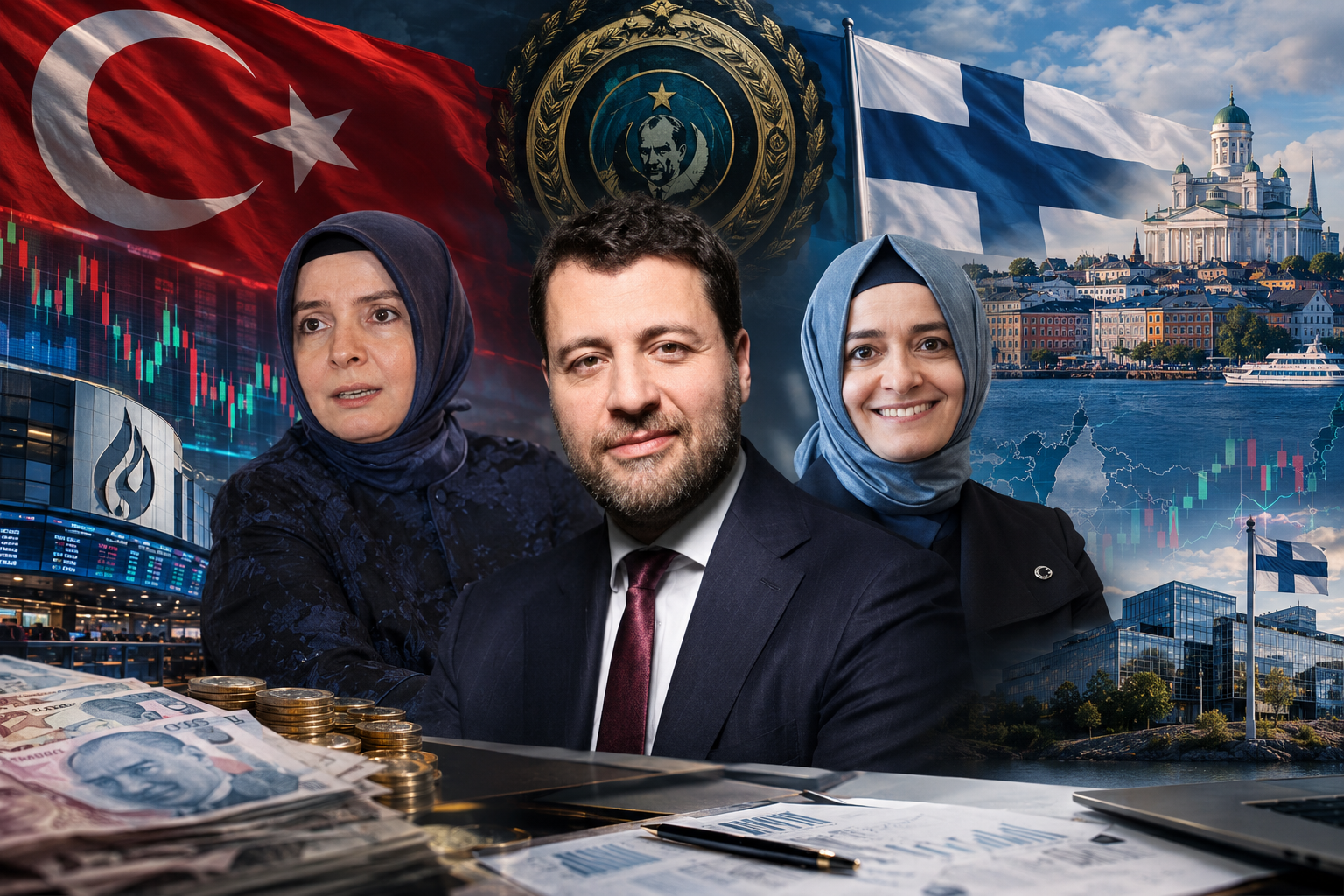
The company’s senior leadership also reflects its close connections to Turkey’s governing establishment. Former finance minister Naci Ağbal, who previously headed the Presidency’s Strategy and Budget Office and served as governor of Turkey’s central bank, assumed the positions of chief executive and chairman of Aksa’s executive committee on January 26, 2026. Ağbal also serves as vice chairman of both Aksa Enerji and Kazancı Holding, while Şaban Cemil Kazancı chairs the boards of Aksa Enerji, Kazancı Holding and Aksa Elektrik.
The US federal case involving Aksa centers on a 370-megawatt power plant developed during a period of severe electricity shortages in Ghana. Prosecutors say Berko began exploring the project in late November 2014 while working as executive director in the investment banking division of Goldman Sachs International in London.
At the time Goldman Sachs was both an adviser to Aksa and the owner of approximately 16 percent of the Turkish company’s shares. The bank expected to arrange a loan of approximately $190 million to finance construction of the plant as well as a roughly $75 million letter of credit for Ghana. Had the financing been completed, Goldman Sachs stood to collect about $10.3 million in loan fees and more than $1 million for the letter of credit, according to the indictment. The bank ultimately withdrew from the financing and received none of those fees.
The government’s Memorandum of Law in Support of Its Motions in Limine in the criminal case against Asante Kwaku Berko details allegations that a Turkish company bribed Ghanaian officials:
To build and operate the plant, Aksa needed an emergency power agreement, also described as a power purchase agreement, with the Ghanaian government. The project required the signature of a senior Ministry of Power official as well as approvals from the cabinet, parliament, the Electricity Company of Ghana, the state-owned Ghana Grid Company and the Public Utilities Regulatory Commission.
Prosecutors allege that Berko and his partners decided to obtain those approvals by paying officials through two Ghanaian consulting firms. The companies, left anonymous in the indictment, were identified in Berko’s court filings as Tricorp Group Ltd. and RMG De Ghana Ltd.
Tricorp allegedly collected money from Aksa for bribes and payments to members of the conspiracy. RMG was allegedly used to submit false invoices for supposed consultancy services, allowing Aksa or its parent company to reimburse bribes that Berko and the Ghanaian intermediaries had already paid. The funds transfers originated in Turkey, passed through correspondent banks in New York and ended up in Ghanaian accounts, including accounts controlled by Berko.
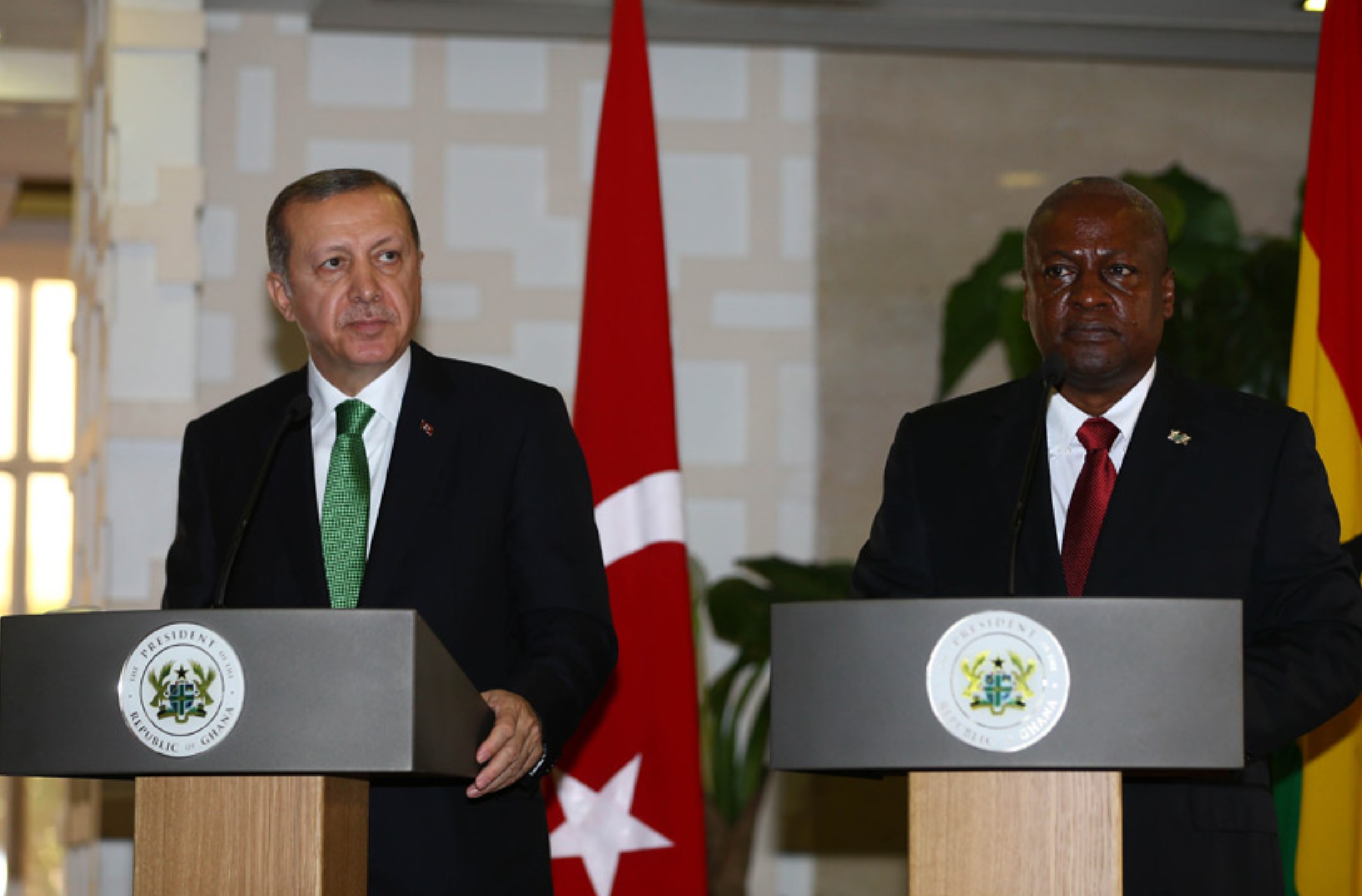
The operation began taking shape in December 2014, when Berko arranged meetings between Aksa representatives and senior Ghanaian officials. In January 2015 Berko, an unidentified Goldman Sachs employee, Ghanaian officials and a relative of Ghana’s then-president traveled to Istanbul for talks with two senior Aksa officers, identified in the indictment as Co-Conspirators 2 and 3.
After the Istanbul meeting, Aksa submitted its bid for the emergency power agreement. Court documents say Berko and the Ghanaian intermediaries used their access to government officials and relatives of senior political figures to move the proposal through Ghana’s bureaucracy.

The alleged arrangement was not limited to reimbursement of relatively small bribes. Beginning in the spring of 2015, Berko and his partners negotiated a separate services contract under which Aksa or its parent company would pay Tricorp tens of millions of dollars.
Early drafts provided for Tricorp to receive a variable annual fee linked to power production but no less than $10 million a year. Aksa’s financial models projected payments of approximately $9.7 million annually. The drafts also included a $5 million fee payable when the power agreement was secured, divided into milestone payments tied to the signing of the agreement, completion of the letter of credit and the start of plant operations.
After further negotiations, including an August 2015 meeting in London, Aksa’s parent company and Tricorp signed a contract on September 29, 2015, providing for $42 million in total payments over the life of the power agreement. Prosecutors characterize the consulting companies as vehicles used both to fund bribes and to enrich members of the conspiracy.
The company initially expected the facility to begin operating gradually in March 2016 and to significantly increase its operational profitability from the third quarter of that year. Aksa described the project as its entry into African markets requiring major energy and infrastructure investment, saying it aimed to increase profitability, expand dollar-denominated sales and reduce its exposure to currency volatility.
The first major transaction cited in the US indictment occurred on April 14, 2015, when an intermediary prepared a $500,000 invoice from RMG. The invoice described the payment as compensation for consulting services and included instructions routing the money through a New York bank to Ghana.
Five days later a Ghanaian intermediary sent an urgent email to a senior Aksa executive, copying Berko on his personal account. “Kindly arrange for the first 500k$ to be in Ghana this week,” the intermediary wrote, adding that the “intended recipient is on my case.”

The intermediary said he planned to give $250,000 to the Ministry of Power adviser identified as Ghana Official 1, describing it as a partial payment. In another message the same day, he wrote: “500 now!!! Very urgent,” adding that it was in everyone’s interest to ensure that “the necessaries are done now.”
On April 20, 2015, the Aksa executive responded that the money was on its way and instructed the intermediary to “pay [Ghana Official 1].” That day, Aksa transferred $500,000 from a Turkish bank account to RMG’s account in Ghana, using a correspondent bank in New York. The wire transaction carried the same reference number as the alleged sham invoice.
Four days later a delegation of approximately five Ghanaian officials traveled to Turkey to inspect equipment proposed for the plant. According to prosecutors, Berko and a Ghanaian intermediary paid the officials’ airfare and hotel expenses and gave each of them $5,000.
After returning from Turkey, the officials submitted a favorable assessment of Aksa’s equipment. Their report was passed to the senior Ministry of Power official whose signature was needed for the project.
The indictment alleges that the importance of Ghana Official 1 was understood by both the Turkish and Ghanaian participants. In a May 2 email an Aksa executive complained about difficulties with the adviser and acknowledged that the senior official responsible for signing the contract might hesitate if the adviser submitted a negative report.
The senior Ghanaian official signed the emergency power agreement on May 12, 2015. On the same day the intermediaries prepared another purported consultancy invoice, this time for $1.5 million.
Aksa transferred the $1.5 million to RMG on May 22. On June 11 RMG transferred $75,000 to one of Berko’s Ghanaian bank accounts. Several weeks later Berko moved approximately $50,000 from that account to a bank account in the United States, according to the indictment.
Ghana’s parliament ratified the agreement on July 17, 2015. The Ghanaian government and Aksa formally executed it on August 10.
In two public disclosures issued on August 10 and 25, 2015, for Istanbul stock exchange, Aksa Enerji announced that it had signed a five-year power purchase agreement with the Ghanaian government to install and operate a 370-megawatt heavy fuel oil power plant. The agreement, approved by Ghana’s parliament, guaranteed the purchase of all electricity generated by the facility at prices denominated in US dollars and could be extended by mutual consent before the initial term expired.
Aksa said the dollar-based contract would protect the company from foreign-exchange losses and generate rapid hard-currency cash flow once the plant became operational.
Once the contract had been secured, the conspirators turned to reimbursing money already distributed among officials, prosecutors allege. An August 2015 email contained a breakdown of a $250,000 reimbursement request.
The list included $20,000 for the Public Utilities Regulatory Commission, $10,000 for Ghana Official 2, $20,000 for three women working at the Ministry of Power, $25,000 for members of a government power team, $20,000 for GridCo engineers, $45,000 for the officials’ trip to Turkey, $30,000 for members of parliament and $35,000 described as Berko’s personal expenditure.
“These are the substantial payments made,” the Ghanaian intermediary wrote. “Kindly perform your magic.”
When an Aksa officer disputed the requested total, the intermediary provided a more detailed account. He said the utilities regulator had received $120,000, including $100,000 from the Turkish executive and $20,000 from Berko.
Each inspector who traveled to Turkey had received $5,000 in addition to flights and accommodation, the email said. The intermediary described the three female Ministry of Power employees as “most vital to our communication and information acquisition,” saying they had been promised $30,000 and had received $20,000.
He also wrote that Berko had paid all the money intended for members of parliament and had added another $10,000 during his last visit. The intermediary estimated that Berko had distributed approximately $46,000 to parliamentary figures.
GridCo engineers were allegedly paid repeatedly to provide information and assistance. Members of the government’s emergency power team became “very receptive” after payments were negotiated, the email stated.
The parties eventually settled the reimbursement dispute at $140,000. On September 4, 2015, Aksa transferred that amount from a Turkish bank account to an account belonging to an employee of one of the Ghanaian consulting companies. Six days later $99,900 was transferred from that account to another account in Berko’s name.
The indictment describes additional transfers after the main power agreement had been secured. In February 2016 Aksa sent $200,000 to the Ghanaian consulting company employee’s account. Days later $194,000 was moved into Berko’s account.
In September 2016 Aksa’s parent company transferred $1 million to Tricorp under the services agreement. An intermediary then prepared an email thanking the Turkish company for paying one invoice while noting that another $2 million invoice remained outstanding.
Between September and December 2016, Aksa allegedly transferred another $1.5 million directly to a Ghanaian account controlled by Berko. A further $500,000 was transferred to the same account in February 2017, shortly before Berko left Goldman Sachs. The power plant became operational later that year.
Prosecutors say the participants took deliberate steps to conceal the true nature of the payments from Goldman Sachs compliance personnel. Discussions about bribes were conducted through personal email accounts. In one exchange, after receiving information about an expected $250,000 payment and a Ghanaian official waiting for what was called the “holy rain,” Berko instructed an associate to reply using “Gmail only!”
When Goldman employees questioned the consulting expenses, an Aksa executive described Tricorp merely as a local partner that arranged housing, security and permitting assistance. The Turkish executives later said the company had provided routine services such as securing visas and renting cars.
One Aksa officer told Goldman Sachs that Tricorp had been paid $300,000. Prosecutors allege that the Turkish company had in fact transferred more than $2 million to Tricorp and RMG by that time and had agreed to the separate $42 million contract.
Berko was copied on the correspondence but did not correct what prosecutors call false explanations. When the bank pressed Aksa for additional documentation, one Turkish executive responded, “Sorry. We don’t have time for this.”
Goldman Sachs ultimately declined to finance the project after carrying out a due diligence review that uncovered Berko’s communications with the Ghanaian intermediaries. Berko left the bank in March 2017.
The government has indicated that its trial evidence will include financial records, emails among Berko, Aksa executives and Ghanaian intermediaries, material extracted from Berko’s iCloud account and electronic devices, records from Ghanaian government websites and charts tracing the flow of money from Turkey through US banks to Ghana. Prosecutors also plan to introduce excerpts from an FBI-assisted recording of a meeting between Berko and a confidential source.

The confidential source has become one of the most contentious aspects of the proceedings. According to Berko’s attorneys, the source made far more extensive allegations during the early investigation, claiming that two relatives of then-Ghanaian president John Dramani Mahama initially sought $50 million in exchange for securing presidential support and that the parties later discussed approximately $40 million.
The source also allegedly claimed to have seen large piles of cash intended for government officials and said a technical adviser to the power minister received $1 million. Those allegations appeared in an affidavit used to obtain a warrant for Berko’s personal email account.
Berko’s defense argued that the source’s reliability was never established and that the FBI affidavit failed to corroborate the most explosive claims with independent evidence. His attorneys sought suppression of the emails and dismissal of the indictment, arguing that the government relied on an untested source, improperly kept the indictment sealed and violated his right to a speedy trial.
Prosecutors rejected those arguments, saying the source’s information had been corroborated in multiple ways and that the warrant established probable cause even without the source’s statements. They also said the indictment was properly sealed while Berko remained abroad because alerting him or politically connected co-conspirators in Ghana could have triggered flight or compromised the investigation.
The government said it considered an attempt to extradite Berko from Ghana unlikely to succeed because of the positions held by people implicated in the alleged scheme and Berko’s significant political connections. Investigators instead waited for him to travel to a country where he could be arrested without the same risks.
Judge Diane Gujarati rejected the defense motions in December 2025, allowing the prosecution and the evidence obtained from Berko’s personal email account to proceed. The government has said it will not call the confidential source as a trial witness or offer his statements as proof of the allegations. His recorded comments would be used only to provide context for Berko’s own responses, prosecutors said.
Berko first met voluntarily with Justice Department and Securities and Exchange Commission investigators in New York in May 2017 after receiving a safe-passage letter. The interview lasted more than eight hours. A federal grand jury indicted him under seal in August 2020, shortly before the relevant statute of limitations was due to expire.
He was arrested at London’s Heathrow Airport on November 3, 2022, and extradited to the United States in July 2024. He was subsequently released on bond pending trial. Berko has pleaded not guilty and faces one count of conspiracy to violate the Foreign Corrupt Practices Act, one substantive FCPA count and one count of conspiracy to commit money laundering.
The criminal prosecution followed a related SEC civil case. In June 2021 Berko consented to a final judgment requiring him to disgorge $275,000 and pay $54,163.92 in prejudgment interest. The SEC alleged that he had arranged for at least $2.5 million to be funneled to a Ghanaian intermediary, helped pay more than $200,000 to government officials and personally distributed more than $60,000 to parliamentarians and other officials.
The contract at the center of the case developed into a long-term and valuable foothold for Aksa in Ghana. The company says the 370-megawatt plant was completed in nine-and-a-half months and commissioned in 2017. In October 2022 Aksa and the state-owned Electricity Company of Ghana signed a new 15-year, US dollar-denominated electricity sales agreement for power generated at the facility.
The trial is therefore expected to examine not only Berko’s conduct but also a paper trail that prosecutors say shows senior Turkish company officials authorizing payments, discussing specific Ghanaian recipients and reimbursing money after key government approvals were secured. Whether that evidence proves the charged conspiracies beyond a reasonable doubt will be decided by the jury.
The case has nevertheless exposed allegations concerning how a major Turkish company, Aksa Enerji, its parent company Kazancı Holding and senior Turkish executives pursued business opportunities in Africa through bribery and political influence, including lobbying by Erdogan government officials in support of the Ghanaian power contract.
Aksa Enerji reported first-quarter 2026 revenue of TL 9.95 billion (approximately $224 million) and EBITDA (earnings before interest, taxes, depreciation and amortization). Overseas operations generated nearly half of Aksa’s sales and 84 percent of its EBITDA, highlighting its growing reliance on government-backed power contracts in Africa and Central Asia.
The company reported TL 138.9 billion ($3.12 billion) in total assets and TL 70 billion ($1.57 billion) in shareholders’ equity, while carrying TL 52.9 billion ($1.19 billion) in net financial debt. The figures make it clear that Aksa’s international expansion is supported by long-term, hard-currency electricity agreements and substantial borrowing.
Aksa Enerji’s corporate disclosure in May 2026 show that the company operates through an extensive network of subsidiaries spanning Turkey, Africa, Central Asia and Europe. Its African portfolio includes power-generation companies in Ghana, Cameroon, Congo, Madagascar, Mali, Senegal, Gabon, Burkina Faso and Guinea, along with holding companies established to manage some of these investments.
For example, Aksa owns 75 percent of Aksa Energy Cameroon PLC, 80 percent of Aksa Taboth IPP, 85 percent of Senegal-based Ndar Energies SA and 60 percent of Aksa–Ndar Holding SA, while maintaining full ownership of subsidiaries in Congo, Madagascar, Mali, Gabon, Burkina Faso and Guinea.
The disclosure illustrates the scale of Aksa’s expansion across African electricity markets and its reliance on locally registered subsidiaries and holding structures to manage power-generation projects. It also raises questions on whether the company also used bribes and political lobbying by the Erdogan government in securing contracts in other African counties as well.
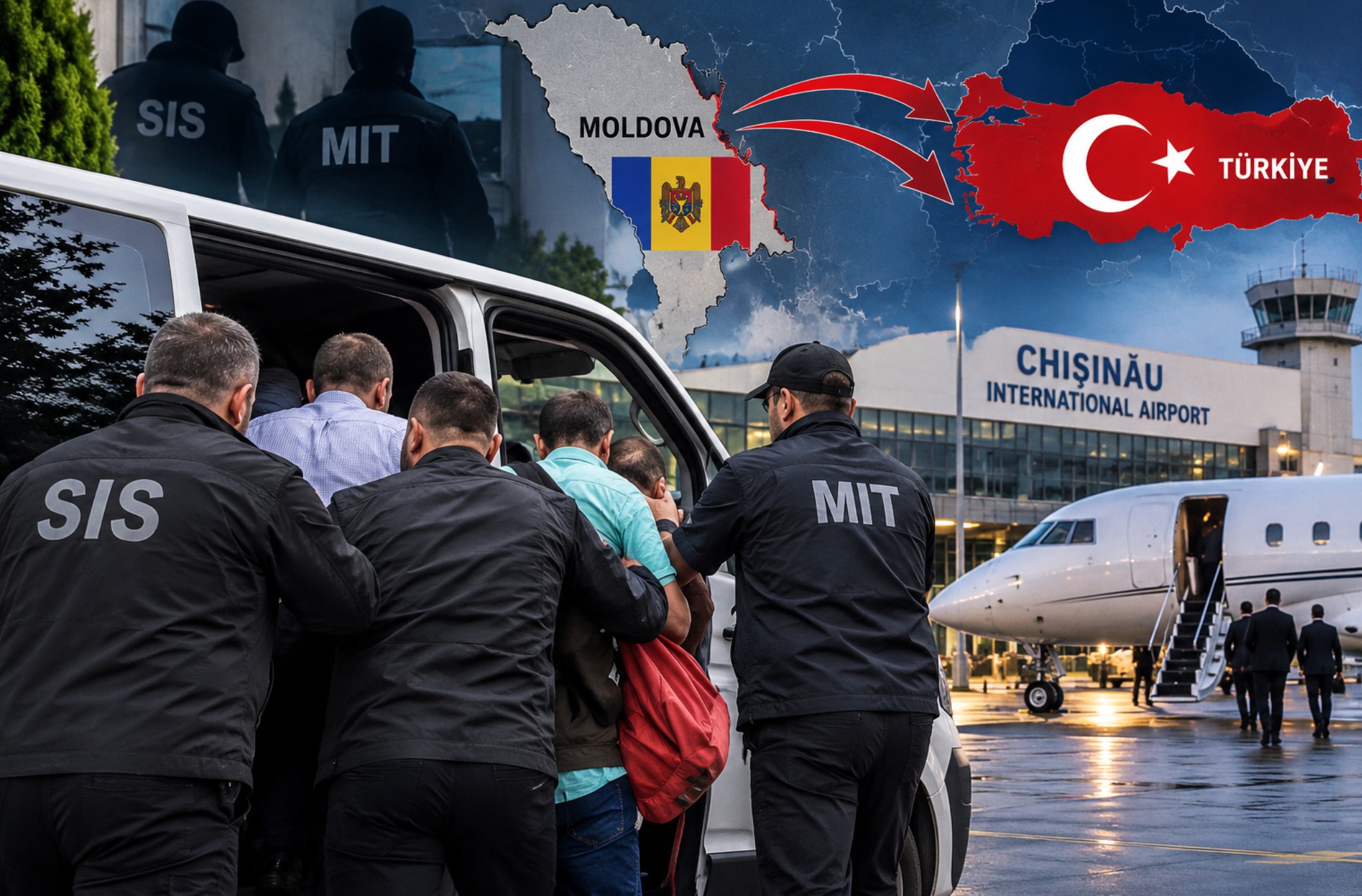
The allegations also fit a broader pattern of Ankara’s use of bribery to advance its interests in Africa. In a since-deleted 2022 interview, former Turkish intelligence officer Ali Burak Darıcılı inadvertently revealed that Turkey’s spy agency MİT used bribes and local collaborators in African and Central Asian countries to facilitate the abduction and forced return of alleged members of the Gülen movement, a faith-based group that has sharply criticized pervasive corruption under the Erdogan government. Darıcılı remarked that knowing whom to bribe was itself an important part of such intelligence operations.
The Berko case also serves as a warning to Turkish nationals that the long arm of US justice may eventually catch up with corrupt practices involving Turkish companies, even when those companies enjoy protection from the Erdogan government. The case raises the possibility that Turkish nationals could very well be prosecuted under the US Foreign Corrupt Practices Act when prosecutors establish a sufficient jurisdictional connection to the United States and decide to press ahead. Aksa executives can also face charges such as money laundering, conspiracy or wire fraud under US law.