
Levent Kenez/Stockholm
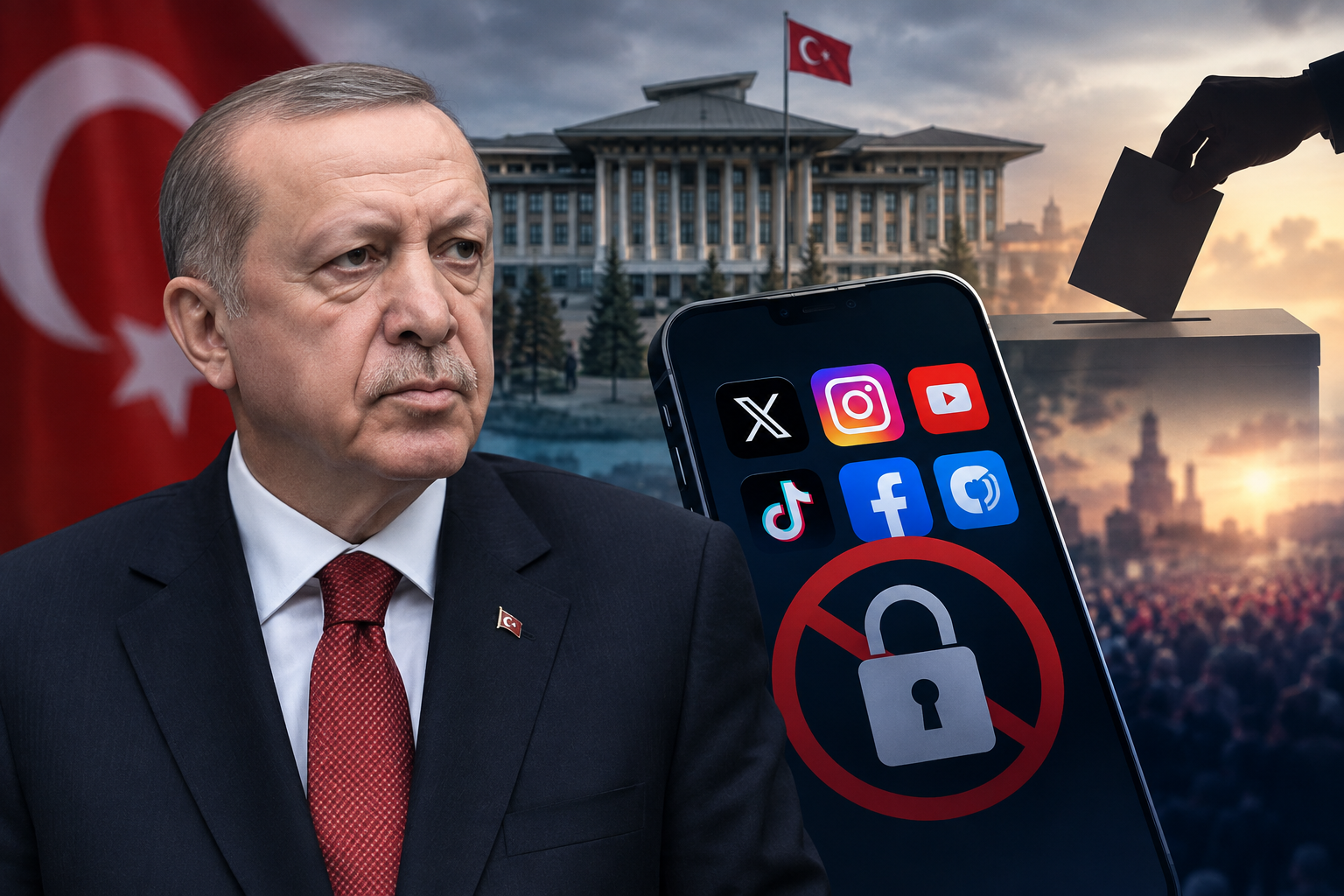
The Turkish government is preparing legislation that would require social media users to link their accounts to their national identification numbers, a measure expected to be submitted to parliament in October, as courts continue to order access restrictions on accounts belonging to journalists, rights groups and other organizations.
Justice Minister Akın Gürlek said the identity-verification system would be included in the 13th Judicial Reform Package, which he expects to be submitted to parliament when the new legislative session begins next month. Gürlek said the system would use what he described as a key model under which a user’s national identification number would be linked to the account without being made public or shared with the platform itself.
“Nobody will be able to hide behind fake or anonymous profiles to damage someone’s reputation or run perception operations with false news,” Gürlek said in televised remarks. He said the linked data would be held by Turkey’s Cyber Security Directorate and disclosed to prosecutors or courts only when an account was linked to one of a defined list of offenses. Users would still be able to post under nicknames, he said, and the requirement would not force them to display their real names.
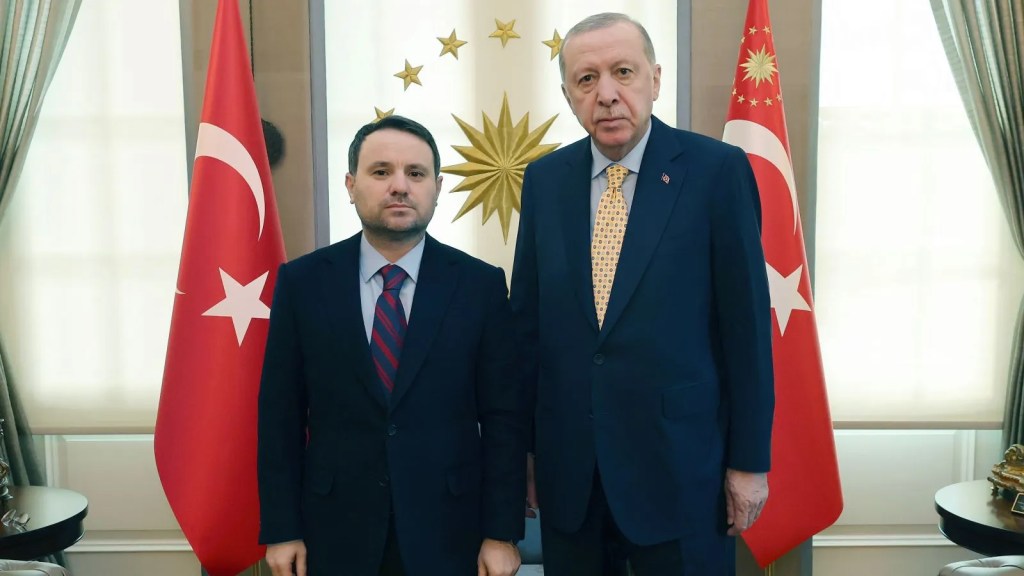
Gürlek did not specify which platforms would be covered. A Justice Ministry statement in September said personal identification data would not be transferred to foreign servers and would remain within state systems, addressing concerns raised after ministry officials said in recent months that major platforms had agreed in principle to cooperate with the plan. The package also includes changes to alimony rules and divorce proceedings, according to ministry officials.
Under the proposal, an investigation into a user’s identity would be triggered only after a prosecutor or court determines that a specific offense, such as defamation, has occurred. The Cyber Security Directorate would then disclose the account holder’s identity. The ministry has described the system as a way to protect users who act lawfully while making it harder for people who commit offenses to remain anonymous.
The legislation would formalize a system that digital-rights researchers say already operates in practice. Turkish authorities have for years been able to trace anonymous accounts through internet service providers and IP-address records. Researchers who track the country’s blocking orders say the new identification requirement would add a formal legal channel to an existing technical capability. They argue that its main effect would be to discourage anonymous criticism of the government by making the possibility of identification explicit and routine rather than dependent on separate investigative steps.
The timing of the proposed legislation could become particularly significant as Turkey approaches its next elections. Under President Recep Tayyip Erdogan, much of the country’s traditional media landscape has come to be dominated by pro-government outlets, while social media has remained one of the few channels through which opposition politicians, independent journalists and government critics can reach large audiences without relying on state-aligned media organizations. The proposed identity requirement, combined with the expanding use of account blocking and criminal investigations over online activity, would give authorities additional tools to identify and deter anonymous users. While the government has presented the measure as an effort to combat crime and disinformation, its implementation before an election could further narrow the space for critical voices at a time when political parties and candidates increasingly depend on social media to reach voters.
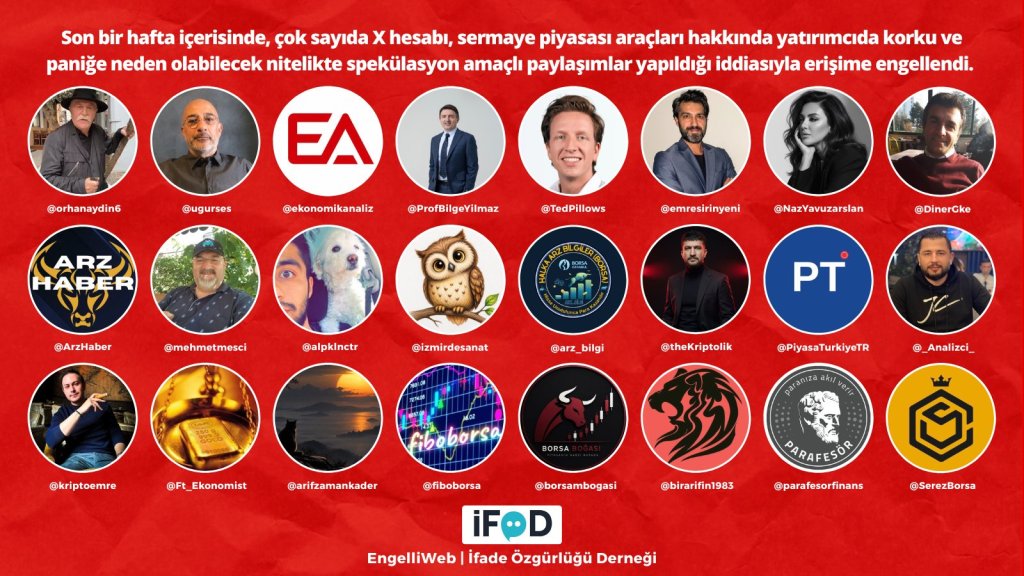
The proposal also comes amid a period of intensified account blocking. Istanbul prosecutors said this month that 419 social media accounts and one link had been blocked following a review by the Cybercrime Investigation Bureau, with the restrictions officially described as targeting obscene content. The blocking orders, issued by courts in Istanbul and Mersin between September 12 and September 15, affected LGBTQ rights group Kaos GL along with dozens of other organizations and individuals, according to the monitoring group EngelliWeb. Later orders during the same period covered the newspaper Evrensel, the Turkish branch of Amnesty International, the Academics for Peace group, the Media and Law Studies Association and several journalists.
Separately, Presidential Communications Director Burhanettin Duran said this month that 2,034 social media accounts had been blocked over the previous two months. He said 699 were linked to terrorist or criminal organizations and 1,335 were spreading disinformation or engaging in what he described as disinformation campaigns against the country. It is common for Turkish authorities to block access to opposition and critical social media accounts on terrorism-related grounds.
Turkey’s interior minister said this month that police cyber patrols had blocked roughly 73,000 accounts so far this year. The restrictions have disproportionately affected government critics, while accounts supportive of the ruling party have not faced comparable enforcement.
Turkey has blocked more than 1 million websites and domain names since it adopted its current internet law in 2007. It has also periodically restricted access to platforms including X, YouTube and Instagram during periods of political unrest, including following the 2025 arrest of Istanbul Mayor and presidential candidate Ekrem İmamoğlu.
International monitors have consistently ranked Turkey among the countries with the most restrictive environments for online expression. Reporters Without Borders ranked Turkey 163rd out of 180 countries in its 2026 World Press Freedom Index, down from 159th in 2025. Turkey was put in the index’s “very serious” category.
Freedom House has rated Turkey’s internet as “Not Free” since it began its current country-level assessment and gave Turkey a score of 31 out of 100 in its 2025 Freedom on the Net report. Turkey was the lowest-scoring country among those assessed in Europe in that edition.
The United Nations special rapporteur on freedom of opinion and expression has recognized the importance of anonymity to online expression and warned that restrictions on anonymity can affect privacy and freedom of expression. In a report to the Human Rights Council, the rapporteur urged states to take measures to allow individuals to express themselves anonymously online, while noting that anonymity does not protect speech intended to commit crimes.
A United Nations General Assembly resolution adopted on December 19, 2023, affirmed the importance of anonymity in protecting digital freedoms and human rights:
Other governments that have introduced similar systems have had mixed results. South Korea required real-name verification on major websites beginning in the late 2000s, but its Constitutional Court struck down the system in 2012, finding that it violated freedom of expression without sufficiently reducing harmful content. China has developed a broad real-name registration system across online platforms as part of a wider system of state surveillance and censorship. India has debated requiring messaging services to identify the origin of messages, prompting legal disputes with technology companies over encryption and user privacy.
Turkey’s Constitutional Court in 2023 upheld Article 217/A of the Penal Code, which provides prison sentences of one to three years for spreading false information about the country’s internal or external security, public order or public health with the purpose of creating panic, fear or anxiety capable of disrupting public peace. The court rejected a request to annul the provision in November 2023. The article has been used in cases involving journalists covering corruption and other sensitive subjects.
Under the plan described by Gürlek, users would have three months after the law takes effect to link their accounts to their identification numbers, after which unverified accounts would be closed.