
Levent Kenez/Stockholm
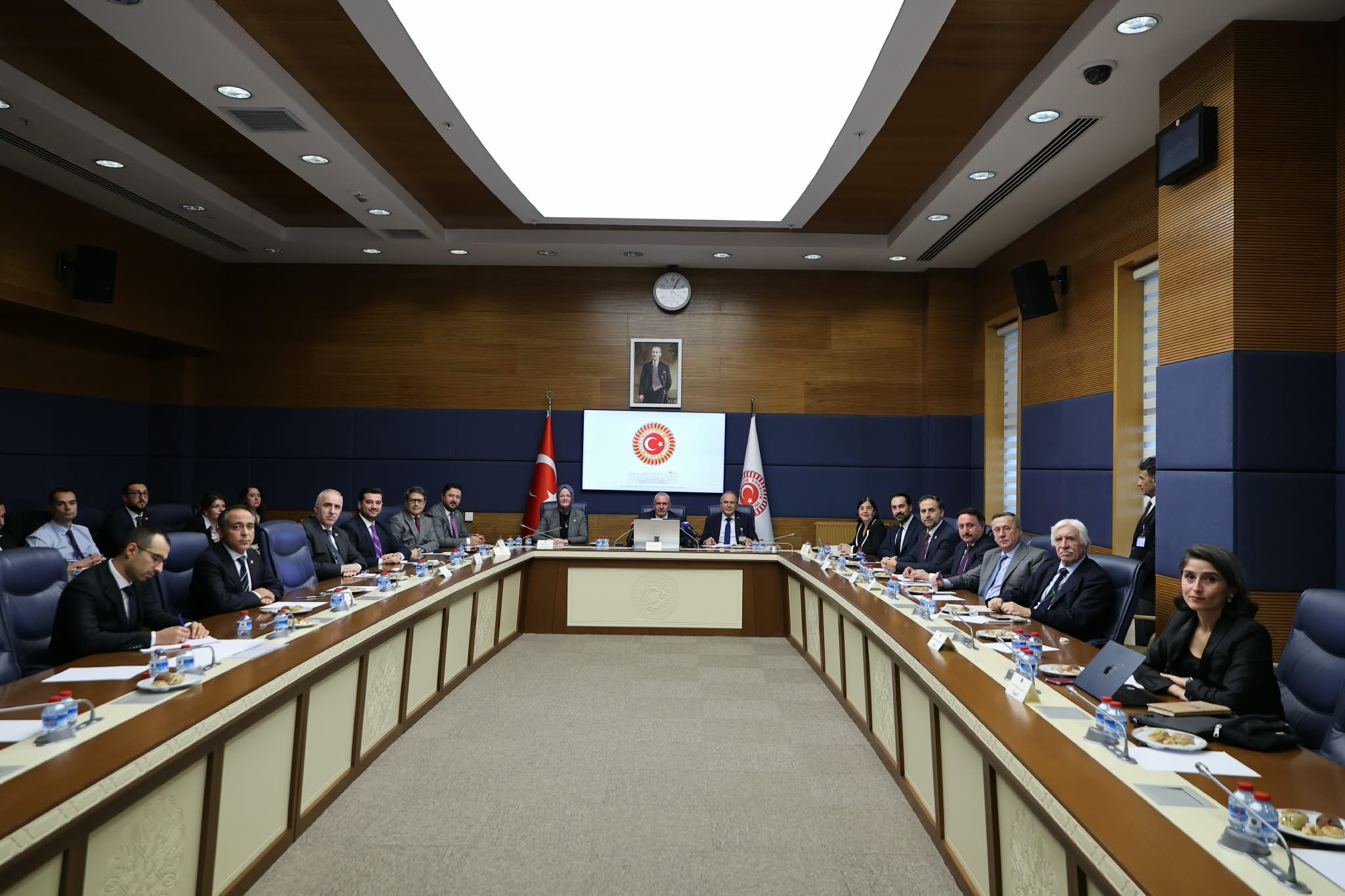
Turkey declared a nationwide demographic mobilization after a sustained decline in birth rates triggered concerns about the country’s economic future, military, social structure and institutional stability, according to official data and government statements.
Figures released by the Turkish Statistical Institute (TurkStat) show that fertility has fallen to 1.48 children per woman, significantly below the 2.1 level required to sustain population size without migration. The decline represents a sharp shift from the early 2000s, when fertility remained above replacement level and confirms a long-term downward trajectory.
The change is reflected in broader population indicators. Turkey’s annual population growth rate has slowed to below 1 percent, compared to rates exceeding 1.5 percent in the early 2000s. The number of births has also declined in absolute terms in recent years, despite overall population growth continuing at a reduced pace.

TurkStat data show that the total fertility rate fell from approximately 2.38 in 2001 to 2.10 by the mid-2010s, before declining more rapidly to 1.48. Over the same period the crude birth rate dropped from above 20 per thousand to nearly half that level. The average age of mothers at childbirth has risen, and the share of first births occurring at older ages has increased, indicating delayed family formation.
Marriage and household data reinforce the shift. The number of marriages per year has decreased compared to previous decades, while the average age at first marriage has risen above 28 for men and around 26 for women. Divorce rates have increased, contributing to a decline in average household size, which has fallen steadily and is now below 3.2 persons per household.
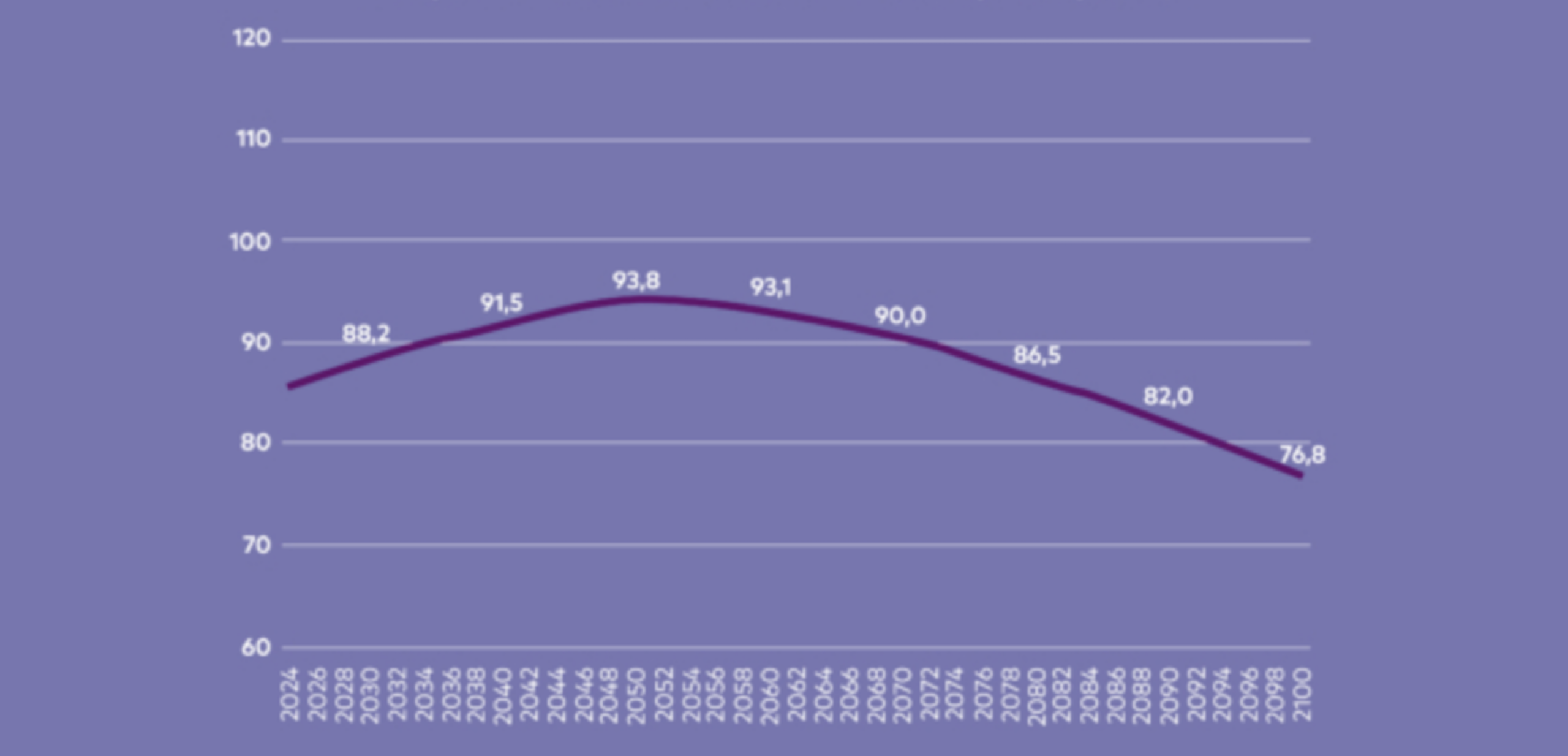
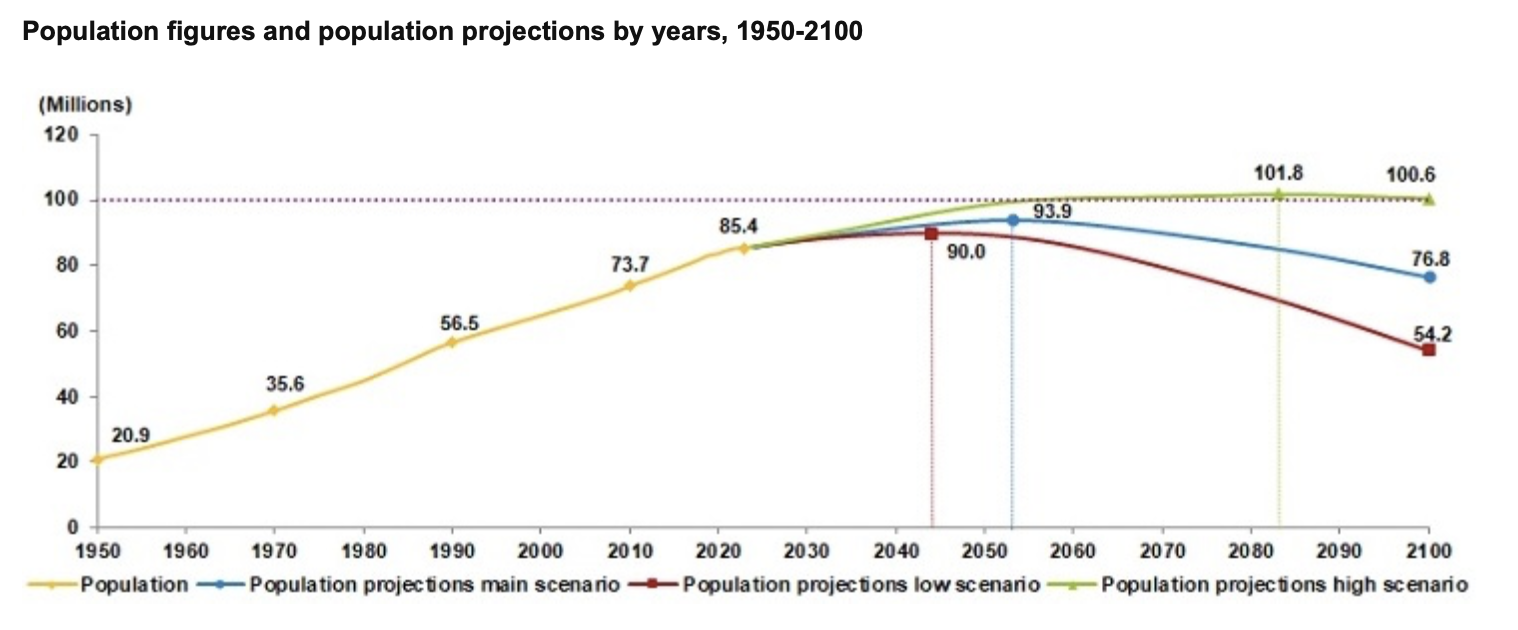
TurkStat’s population projections provide a detailed framework for understanding the long-term impact of these trends. In the baseline scenario Turkey’s population, currently exceeding 85 million, is expected to continue growing at a slowing pace before reaching a peak of approximately 93 to 95 million around the 2040s. After that point, the population begins to decline gradually.
By 2075, the total population is projected to fall back toward current levels, and by the end of the century, it could decline to between 70 million and 80 million, depending on fertility assumptions. In low-fertility scenarios, the decline is steeper, while even high-fertility scenarios do not return the country to sustained long-term growth.
Age structure changes are central to these projections. The median age in Turkey has risen from around 30 in 2000 to approximately 34 today and is projected to exceed 40 by the 2040s and approach 45 to 47 by 2100, reflecting a rapid transition toward an older population profile.
The share of the population aged 65 and older, currently around 10 percent, is projected to rise to approximately 16 percent by 2040 and exceed 25 percent by the end of the century. At the same time, the proportion of children aged 0 to 14 is expected to decline significantly, reducing the size of future working-age groups.
The working-age population, defined as ages 15 to 64, is projected to peak in the 2030s before beginning a gradual decline. This shift alters the dependency ratio, increasing the number of elderly individuals relative to the number of active workers. TurkStat projections indicate that the old-age dependency ratio could more than double by 2100.
These changes carry measurable economic implications. A declining working-age population reduces labor supply, which can limit economic growth unless offset by productivity gains. At the same time increased longevity raises demand for healthcare services and long-term care, leading to higher public expenditure.
The pension system is directly affected by demographic balance. As the ratio of contributors to beneficiaries narrows, financing pressures increase. Current projections indicate that without adjustments, the system will face rising costs linked to longer retirement periods and a growing elderly population.
Demographic trends also intersect with national defense planning. Turkey’s system of conscription relies on a steady flow of young adults reaching military age each year. A decline in the size of this group reduces the available pool, requiring structural adjustments in recruitment and force composition over time.

Regional disparities are becoming more pronounced. Population growth is concentrated in major urban centers, while many rural provinces are experiencing stagnation or decline. In some regions population loss has led to reduced school enrollment and consolidation of educational facilities. Healthcare access in sparsely populated areas has also become more limited as demographic density decreases.
Urbanization continues to shape fertility patterns. Higher education levels, increased participation in the workforce and a higher cost of living in cities are associated with smaller family size. Data show that fertility rates in major metropolitan areas fall significantly below the national average, in some cases approaching levels seen in advanced European economies.
The decline in fertility is linked to multiple measurable factors. Delayed marriage, increased education duration, rising housing costs and labor market conditions all correlate with lower birth rates. Household surveys indicate that economic constraints play a central role in decisions about childbearing, along with changing social preferences.
Turkey’s trajectory aligns with broader global patterns observed in developed and developing economies undergoing demographic transition. In Northern Europe countries such as Sweden, Norway and Finland have recorded fertility rates ranging between 1.3 and 1.7 in recent years, despite extensive family support policies. These cases demonstrate that sustained declines can persist even under favorable welfare conditions.
Speaking on May 2 during the “Family and Population 10-Year Vision (2026–2035)” presentation program, President Recep Tayyip Erdogan said single-person households have reached 20.5 percent. He also stated that among those aged 20 to 24, the share of individuals who have never married stands at 79 percent for women and 94 percent for men. Erdogan said the figures present a situation that requires concern and action regarding the country’s future.
During the International Family Forum organized on May 23, 2025, Erdogan earlier said, “Fertility rates were higher in periods when income per capita was lower,” and added that the decline is linked to changing cultural patterns.
However, opposition parties point to the cost of marriage as a factor affecting family formation and population decline. Births outside marriage remain rare in Turkey. Social norms continue to associate childbearing with marriage. TurkStat data show that in married households, family size is often limited to one or two children. Education and childcare costs are higher in large cities, where population density is concentrated.