
Abdullah Bozkurt/Stockholm
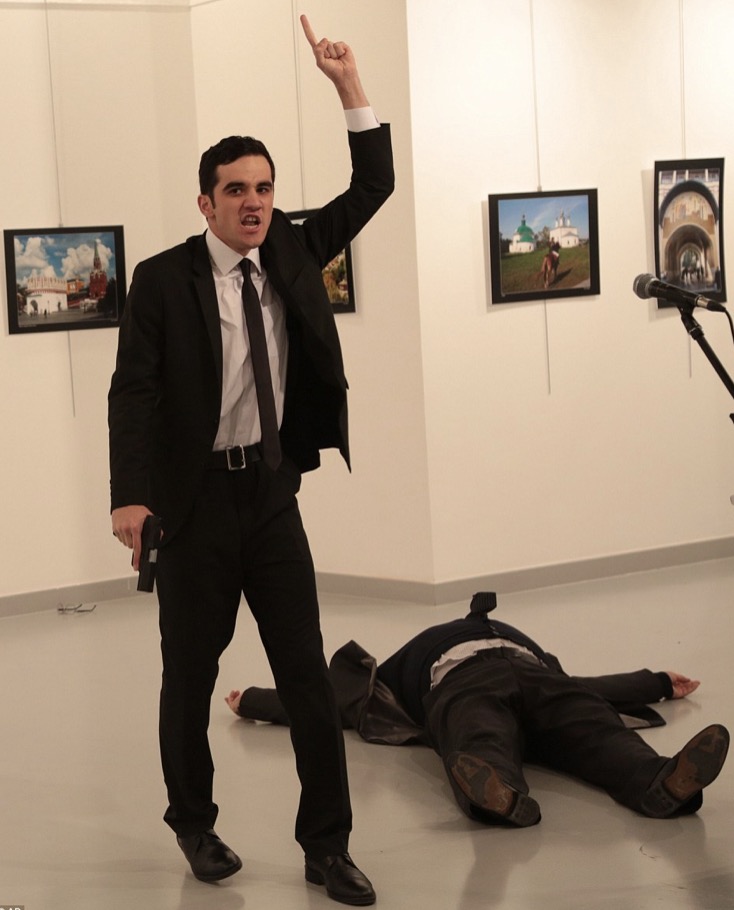
A decade after Russian ambassador Andrei Karlov was gunned down in Ankara in December 2016 by a radicalized police officer, the Islamist government of President Recep Tayyip Erdogan has continued to obscure the role of al-Qaeda-linked and other jihadist networks. Instead, it has systematically shifted blame onto uninvolved individuals, apparently hoping Moscow would eventually move past the the case amid evolving regional dynamics that require closer engagement between Russia and Turkey.
The indictment filed on November 22, 2018 — two years after the murder — by public prosecutor Adem Akıncı, a jurist handpicked by the government to contain the fallout, failed to present the true story. Rather than uncovering the full scope of the conspiracy, it reflected a clear effort by authorities to whitewash their role, deflect responsibility and pin the blame on individuals with no connection to the crime, in what appeared to be an attempt to sell a fabricated narrative to Russian officials.
Moscow, however, never lent credibility to what it viewed as a flawed investigation, a distorted indictment and a sham trial. Russian authorities eventually stopped sending observers to the hearings and, through their own inquiry, identified those they believe to be the real perpetrators behind the assassination. Rather than escalating tensions, Russia appears to have put the case on hold for now, preserving it as leverage for a time when political conditions are more favorable.
Given Russia’s longstanding reliance on covert operations and strategic patience — particularly through its intelligence services — it is widely expected that Moscow may eventually settle the score at a time and place of its own choosing, using methods difficult for Turkish authorities to counter.
In the meantime, a review of thousands of pages of official annexes in the case file — including phone and banking records, witness and suspect statements, search and seizure reports and notable evidentiary gaps — reveals a far more complex picture of the killing, one deliberately overlooked by the Turkish prosecutor.
Documents obtained by Nordic Monitor shed light on the background of the assassin, his network of contacts and the process through which he was recruited and radicalized.
Radical clerics and al-Qaeda network
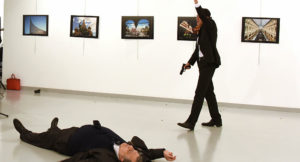
Two clerics played a central role in radicalizing Mevlüt Mert Altıntaş, a 22-year-old Turkish police officer who gunned down the ambassador in the most secure part of the Turkish capital.
One was Nurettin (Nureddin) Yıldız, an extremist preacher widely described as a family cleric of Erdogan. He frequently appeared as a keynote speaker at youth events organized by the ruling Justice and Development Party (AKP) as well as programs run by the Turkey Youth Foundation (TÜGVA), an organization closely linked to Erdogan’s family.
Yıldız traveled to Syria to meet with militant groups and consistently preached in support of violent jihadist campaigns worldwide. Multiple witness statements confirmed that Altıntaş regularly attended weekly lectures delivered by Yıldız in Ankara under the umbrella of the Social Fabric Foundation (Sosyal Doku Vakfı), an NGO used to disseminate his ideology.
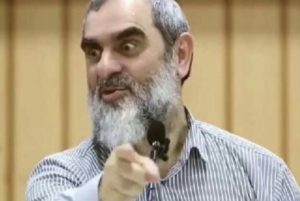
Despite this, prosecutor Akıncı neither investigated the foundation nor listed Yıldız as a suspect, failing even to take his statement as a witness.
The second cleric was Hüsnü Aktaş, a known jihadist figure who had previously been jailed multiple times. Aktaş had been charged in connection with aiding a Chechen group that hijacked a Russia-bound ferry in 1996. Evidence showed that Altıntaş attended his sermons and was introduced to him by associate Mustafa Akalın.
In conversations recounted by Turkish al-Qaeda militant Enes Asım Silin, Aktaş advised Altıntaş to resign from the police force, arguing that such work was incompatible with Islamic principles.
Silin himself is a senior figure in Turkey’s al-Qaeda network and a board member of the Global Humanitarian Aid and Political Training Center (KİSEM), a front organization run by İbrahim Şen, a former Guantánamo detainee and convicted al-Qaeda operative.
İbrahim Şen and his brother Abdurrahman Şen worked with Turkish intelligence agency MIT in supporting jihadist groups in Syria during the civil war in that country. Although both were indicted in 2014 on terrorism charges, the case was quietly buried after their links to MIT were exposed.
Direct operational links to the assassin
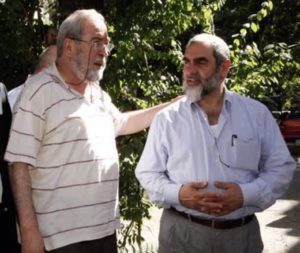
Annexes in the Karlov case file reveal that Abdurrahman Şen played a direct role in radicalizing and guiding the assassin. Altıntaş was influenced by a book titled “Tüm Yönleriyle Suriye Devrimi” (The Syrian Revolution in All Its Aspects) authored by Abdulkadir Şen and a copy of which was purchased by the assassin. He traveled to Istanbul on October 8, 2016, to meet with Şen in person, a meeting arranged by Silin.
Despite strong evidence, Şen was never charged.
Financial and communication records further show that Altıntaş transferred money to Fatih Köçer, a convicted al-Qaeda member, and maintained connections with İbrahim Bilal Oduncu, a government-employed muezzin in Ankara who acted as a mentor figure.
Prosecutor Akıncı failed to investigate these individuals properly, instead taking statements and releasing them without pursuing charges.
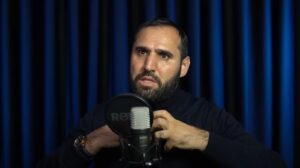
Another associate, Tahsin Şenlik, who ran a front organization called the Musab Bin Umeyir Association for Mosque Building, Maintenance, Education and Culture (Musab Bin Umeyr Camii Yaptırma Yaşatma Eğitim ve Kültür Derneği) in Ankara that funded logistical support for jihadist groups in Syria, was also spared despite phone and financial links to the assassin.
The association raised funds to send pickup trucks to jihadist groups in Syria, where armed militants used these vehicles, often mounted with artillery in the flatbed, as assault platforms. Evidence in the case file shows that the killer spoke with Şenlik twice by phone during the morning hours of September 5, 2016. Financial records further reveal that the assailant transferred funds to the organization run by Şenlik.
Şenlik is also linked to Sedat Peker, a convicted mafia leader who has previously threatened Russia, advocating that Chechen militants be trained by Turkish intelligence and deployed there. He has issued similar threats against Europe and Israel in response to their criticism of Turkish President Erdogan. Peker is currently living as a fugitive in the United Arab Emirates and is the subject of an INTERPOL arrest warrant.
Links to international jihadist infrastructure
The investigation also uncovered connections between Altıntaş and organizations flagged internationally.
His close associate Durmuş Kutlu told police he had invited Altıntaş to join an aid convoy organized by the Foundation for Human Rights and Freedoms and Humanitarian Relief (İnsan Hak ve Hürriyetleri ve İnsani Yardım Vakfı, IHH) to Syria shortly before the assassination. The convoy departed Istanbul on December 14, 2016, amid protests against Russian operations in Aleppo.
Five days later, on December 19, Altıntaş assassinated the ambassador.
Financial intelligence reports from the Financial Crimes Investigation Board (MASAK) show that Altıntaş made 11 separate transfers to IHH accounts between 2015 and 2016.
The IHH was named at the United Nations Security Council by Russia as a sender of arms to jihadist groups in Syria.
Kutlu said he had known the assassin for the last two years, met with him regularly at prayer circles and talked about jihad in their private conversations.
“Five days before the [murder] incident, I told him I would join the IHH’s ‘Make Way for Aleppo’ convoy and that he could join if he wanted to. But he said leaves of absence [in the police department] were planned monthly and that he couldn’t take part for that reason,” Kutlu said.
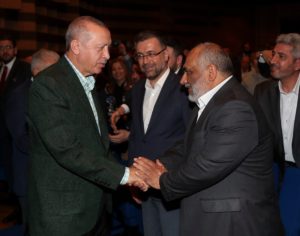
The IHH launched a huge convoy of vehicles from Istanbul on December 14, 2016, to protest Russian and Syrian government force attacks on jihadist and dissident groups in Aleppo. The convoy disbanded in the Turkish border province of Hatay.
On December 19, five days after the IHH’s protest rally, Altıntaş called in sick and received a medical report to justify his absence from work while preparing all day long to assassinate the Russian ambassador during a public event at an art exhibit in one of the most secure districts in the Turkish capital.
His friend Kutlu also told the police that the killer was eager to go to Syria to join the jihadist campaign, wanted to quit his job and said more could be done for Syria. According to investigation reports prepared by MASAK, Altıntaş transferred money to IHH accounts in 11 separate transactions between January 2015 and July 2016.
Another radical cleric who interacted with the killer is Recep Uğuz, who also goes by the name Ebu Huzeyfe Turki. He is a Turkish imam affiliated with the government’s religious service arm, the Directorate of Religious Affairs (Diyanet İşleri Başkanlığı), and serves in Ankara’s Yenimahalle district. The killer regularly attended his mosque and received Arabic-language lectures from Uğuz, whose path toward radicalism began in 1993 in Sudan — then a crossroads for numerous extremist networks, including those linked to Osama bin Laden, who lived in Khartoum between 1991 and 1996.
Uğuz was personally trained by a battle-hardened Algerian jihadist, Abu Saleh Lakhdar al-Jazairi, a Salafist, between 1993 and 1994 in the Rumaila district of southern Khartoum. Abu Saleh had fled Algeria with another jihadist, identified as Kamal, a French citizen, and was detained in Libya before managing to escape to Sudan. During his time there, Ebu Huzeyfe also developed ties with individuals who joined Sudan’s paramilitary Popular Defense Force militias (al-difa al-shabi) in the conflict against South Sudan.
State cover-up and propaganda campaign
While evidence pointing to jihadist networks was systematically ignored, the Erdogan government launched a coordinated disinformation campaign to deflect scrutiny.
One of the first steps taken by the government was to circulate false claims within minutes of the murder. Ahmet Tezcan, a former press adviser to Turkish President Erdogan, posted on the social media platform X falsely alleging that the killer had lived in the home of journalist Abdullah Bozkurt.
Bozkurt, who had frequently reported on jihadist networks — including individuals linked to the assailant — was targeted as part of a smear campaign aimed at deflecting criticism from the government and discrediting his investigative work exposing Erdogan’s ties to jihadist groups. In fact, just three days before the assassination, Bozkurt had warned that foreign embassies in Ankara were under threat from jihadist actors, emboldened by the government’s lenient approach. Numerous radical groups had been allowed to stage demonstrations in front of embassies in Ankara and consulates in Istanbul, including US and Russian diplomatic missions.
The claim that the killer had stayed at the journalist’s home was later disproven during the investigation, which identified two separate apartments used by the assailant while he was serving in the police force. One of the residences belonged to a lawyer with close ties to Erdogan’s ruling AKP, while the other was rented collectively by several unmarried police officers seeking to reduce housing costs by sharing accommodations.
The false narrative was further amplified by the pro-government Sabah daily, a media outlet owned by Erdogan’s family. Despite the investigation clearly debunking the allegation, the newspaper has continued to repeat the same claims even today.
Execution of the assassin and destruction of evidence
In an highly unusual move, the government also rushed then–interior minister Süleyman Soylu, the boss of the assailant, a police officer who had in fact received 34 commendations from the Interior Ministry since joining the force in 2014, to the crime scene while the attack on the Russian ambassador was still unfolding. Although the gunman had not taken any hostages, did not attempt to shoot anyone other than the ambassador and had been wounded in the leg and was lying on the ground, Soylu ordered his execution by deploying special forces, even though he could have been captured alive and could have exposed the wider network that was involved in the planning and execution of the assassination.
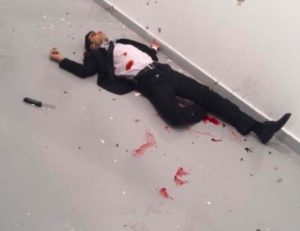
An autopsy of the gunman’s body revealed that he was shot 33 times, with 13 of the bullet wounds deemed fatal. Multiple entry and exit wounds were documented on his head, neck and chest, indicating that officers continued firing after he had been incapacitated and no longer posed a credible threat.
Soylu’s reported connections to individuals within the circles the gunman frequented, combined with his rapid arrival at the scene and decision to order a lethal operation, raise serious questions about his potential role and responsibility in the handling of the incident.
Blocking Russian involvement
In the meantime, several attempts by Russia to participate in the investigation were rebuffed by the Erdogan government, in what appeared to be an effort to limit Russian officials’ access to the probe. Fearing that evidence might be compromised, Russia’s first move was to file an emergency notice with the Turkish Foreign Ministry, requesting that prosecutors refrain from conducting an autopsy on the ambassador’s body. That request, however, was rejected.
Turkish authorities also denied a Russian request to administer a lie detector test to a key suspect whom Ankara claimed was complicit in the assassination of the Russian ambassador. The refusal further fueled doubts about the credibility of the Turkish investigation and prosecution. The suspect, Mustafa Timur Özkan, consistently denied any involvement and even volunteered to undergo the Russian-administered polygraph in an effort to prove his innocence.
Özkan, who organized the art exhibition where the ambassador was killed, stated that the event had been planned in close coordination with the Russian Embassy. He also denied prosecutors’ claims that the exhibition had been orchestrated by the Gülen movement — a group opposed to the Erdogan government that the authorities falsely blamed for staging the conditions that allegedly enabled the assassination.
Torture, fabricated evidence and judicial manipulation
The Turkish government also resorted to torture and abuse to extract incriminating statements from individuals it claimed were involved in the murder. These efforts began to unravel during court hearings, when victims publicly detailed the severe mistreatment they had endured.
One such victim, Şahin Söğüt, a former employee of the Information and Communication Technologies Authority (Bilgi Teknolojileri ve İletişim Kurumu, BTK), testified in court on January 9, 2019, that he had been physically tortured by police during a three-day detention to coerce him into signing an incriminating statement. Söğüt had been accused by prosecutor Akıncı of issuing the hit order to the jihadist police officer. His lawyer alleged that the prosecutor himself was complicit in the torture and had coordinated with a police chief to frame an innocent man. Despite these claims, there is nothing in the hundreds of pages of the indictment that credibly links Söğüt to the assassination, yet the prosecutor portrayed him as the mastermind.
Another victim, Hüseyin Kötüce, was abducted, tortured and held at a black site run by Turkish intelligence agency MIT in Ankara. During the trial Kötüce, who had been accused of gathering intelligence on the Russian ambassador, described how he was forced to sign a pre-written statement implicating a low-level MIT officer working on the Russia desk. He later recanted that statement in court, testifying that he did not know the agent at all and that his earlier confession had been extracted under duress.
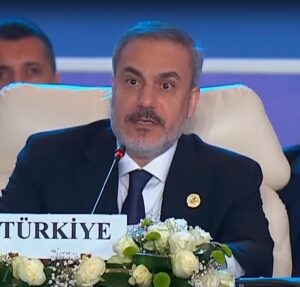
Court documents also revealed attempts to fabricate testimony through financial inducements. According to Hasan Tunç, who testified during a hearing on September 4, 2020, Turkish authorities offered him $1 million to falsely implicate innocent individuals in the assassination. In exchange, he was promised lenient detention conditions and a reduced sentence, underscoring broader concerns about efforts to manipulate the investigation to fit an official narrative.
The case ultimately concluded with the judiciary endorsing the false narrative advanced by the government of Erdogan. The Ankara 2nd High Criminal Court wrapped up the trial on March 9, 2021, handing down sentences to 13 individuals who had no proven connection to the assassination, while disregarding key evidence, dismissing defense arguments and failing to pursue the actual perpetrators.
The Supreme Court of Appeals later upheld the convictions of 12 defendants and overturned one, effectively bringing the judicial process to a close on June 23, 2023. While the Erdogan government appears to have closed the case, Russia has continued to assess the case independently and is expected to present its own findings when it deems the timing appropriate.