
Levent Kenez/Stockholm
A planned $283 million transfer of US-made weapons from Turkey to Ukraine has sparked a sharp warning from Moscow, adding a point of tension to relations between Ankara and the Kremlin as President Recep Tayyip Erdogan strengthens ties with US President Donald Trump and Turkey reduces some of its energy dependence on Russia.
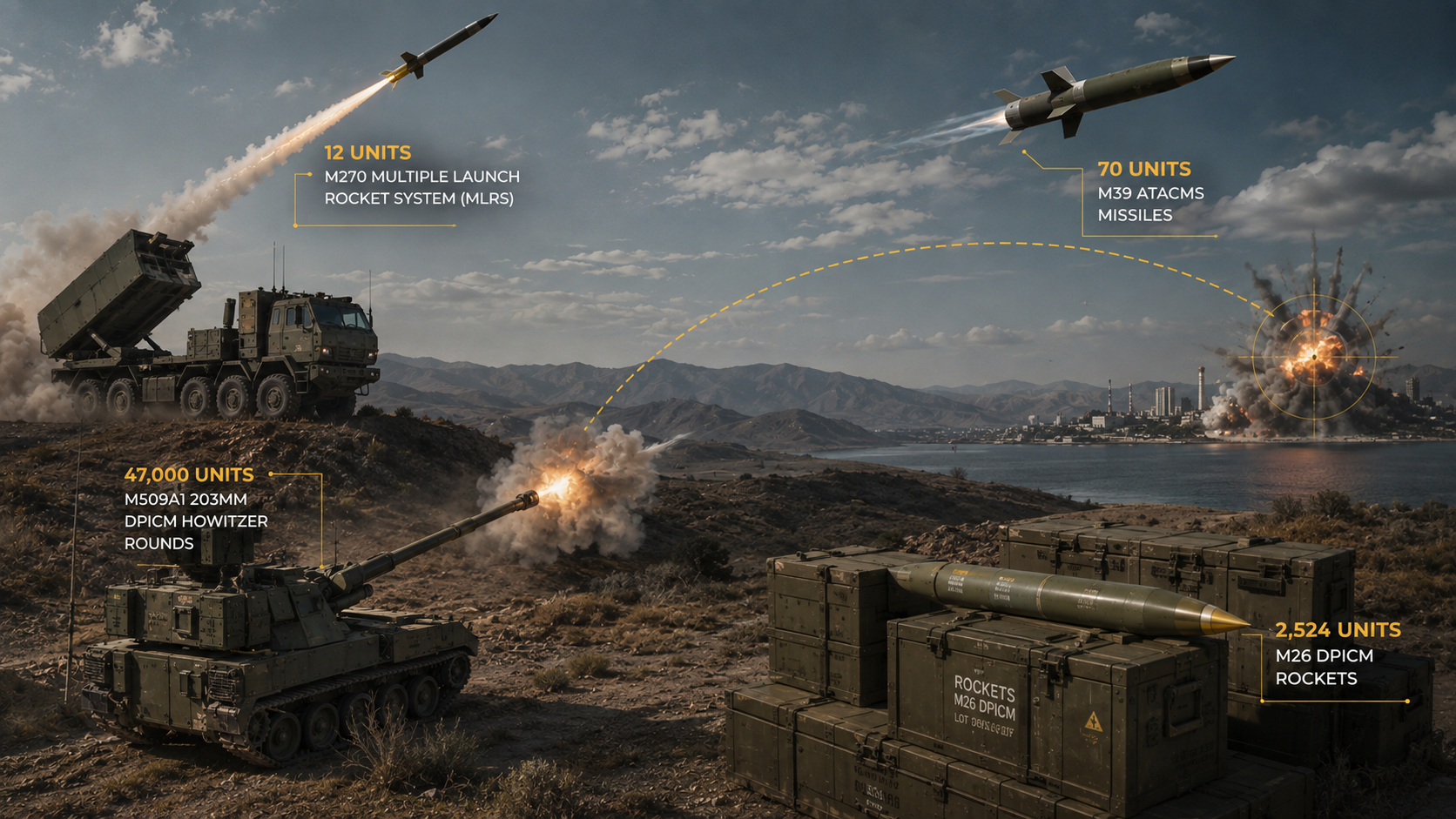
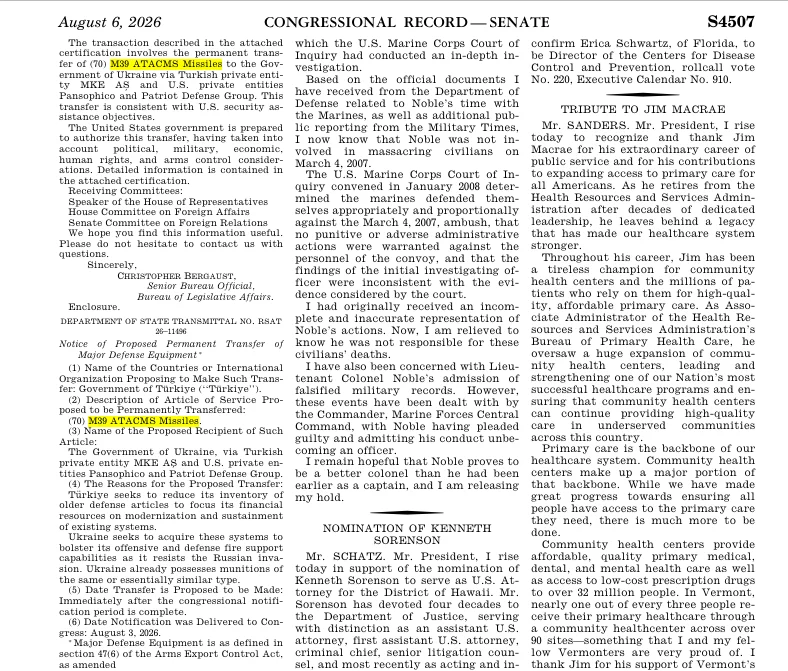
The proposed transfer includes 70 M39 ATACMS tactical ballistic missiles, 12 M270 multiple rocket launchers, 2,524 M26 rockets and 47,000 M509A1 203mm artillery shells. The US State Department notified Congress of the proposed transfer in August, with Turkey listed as the transferring country and Ukraine as the recipient.
The package is the largest military transfer to Ukraine proposed by Turkey since Russia launched its full-scale invasion in February 2022. The M39 ATACMS missiles have a range of about 165 kilometers and can be used against targets behind the front line. Each missile carries 950 M74 submunitions.
Russia has responded to the plan. Maria Zakharova, spokeswoman for the Russian Foreign Ministry, said on August 15 that the transfer could cause serious damage to Moscow’s relations with both Ankara and Washington. She also called for explanations from the United States and Turkey over the proposed shipment.
The Russian reaction comes as Ankara’s relationship with Washington has become closer during Trump’s second term in office. Trump has developed a close relationship with Erdogan and has backed closer defense cooperation with Turkey.
At the same time Erdogan’s direct contact with Russian President Vladimir Putin has become less frequent. Erdogan and Putin last spoke by phone on April 3, according to Turkey’s Communications Directorate. The leaders discussed bilateral relations and regional and global issues. Erdogan also said Turkey wanted to prevent further escalation in the Russia-Ukraine war and urged all sides to avoid steps that could increase tensions.
The Ukraine weapons proposal is part of a broader change in Turkey’s military relationship with Kyiv. Turkey has supported Ukraine’s territorial integrity while maintaining diplomatic contacts with Moscow since the beginning of the war.
The proposed weapons transfer would involve US-origin systems already in Turkey. Because the weapons were originally supplied by the United States, Ankara needs Washington’s approval for their transfer to a third country. The US administration notified Congress that it was prepared to authorize the transfer. Congress has 15 days to review the proposed transfer and object. If Congress does not block the transfer during that period, the process can proceed.
Turkey has said the purpose of the transfer is to reduce its inventory of older defense equipment and direct financial resources toward the modernization and maintenance of its existing systems. The US notification said Ukraine wanted the weapons to strengthen its offensive and defensive fire-support capabilities against Russia.
The package also contains cluster munitions. The 2,524 M26 rockets and 47,000 artillery shells contain more than 10 million explosive submunitions in total when the ATACMS missiles are included. The 2008 Convention on Cluster Munitions prohibits its parties from using, producing, stockpiling or transferring such weapons. Turkey, Russia, Ukraine and the United States are not parties to the convention.
Turkey has previously said it does not use, produce, import or transfer cluster munitions. Turkey’s permanent mission in Geneva made that statement in 2023 and repeated the position in September 2024. The proposed transfer has therefore brought those earlier statements back into focus.
The growing military distance from Moscow comes along with changes in Turkey’s energy relations with Russia, although Russia remains an important supplier. Turkey has reduced purchases of Russian oil this year and has increased supplies from other countries. Reuters reported that Turkish imports from Russian Black Sea ports fell to about 900,000 tons in July 2026 from 1.2 million tons in June 2026. Imports were expected to fall further in August, while Turkey was increasing purchases from suppliers including Brazil and Guyana.
Turkey is also seeking to diversify its natural gas supply. Russian gas remains a major part of Turkey’s energy mix, but Ankara has expanded its use of liquefied natural gas and signed long-term contracts, including with US suppliers. Russian gas supplied through the Blue Stream and TurkStream pipelines accounted for less than 40 percent of Turkey’s gas mix under contracts discussed in late 2025, down from more than 50 percent in 2018.
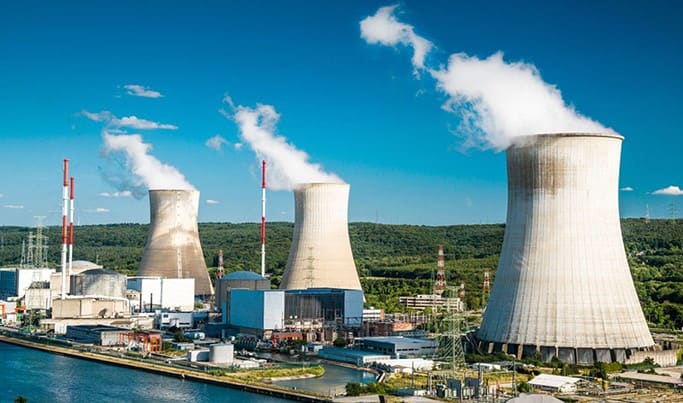
The shift in energy purchases is taking place despite Russia’s continuing role in Turkey’s energy infrastructure. Russia’s Rosatom state nuclear company is building the Akkuyu Nuclear Power Plant, Turkey’s first such facility, in Mersin. The project consists of four Russian-designed VVER-1200 reactors with a combined capacity of 4.8 gigawatts. Rosatom began start-up operations at the first unit in June, with commissioning expected in 2026.
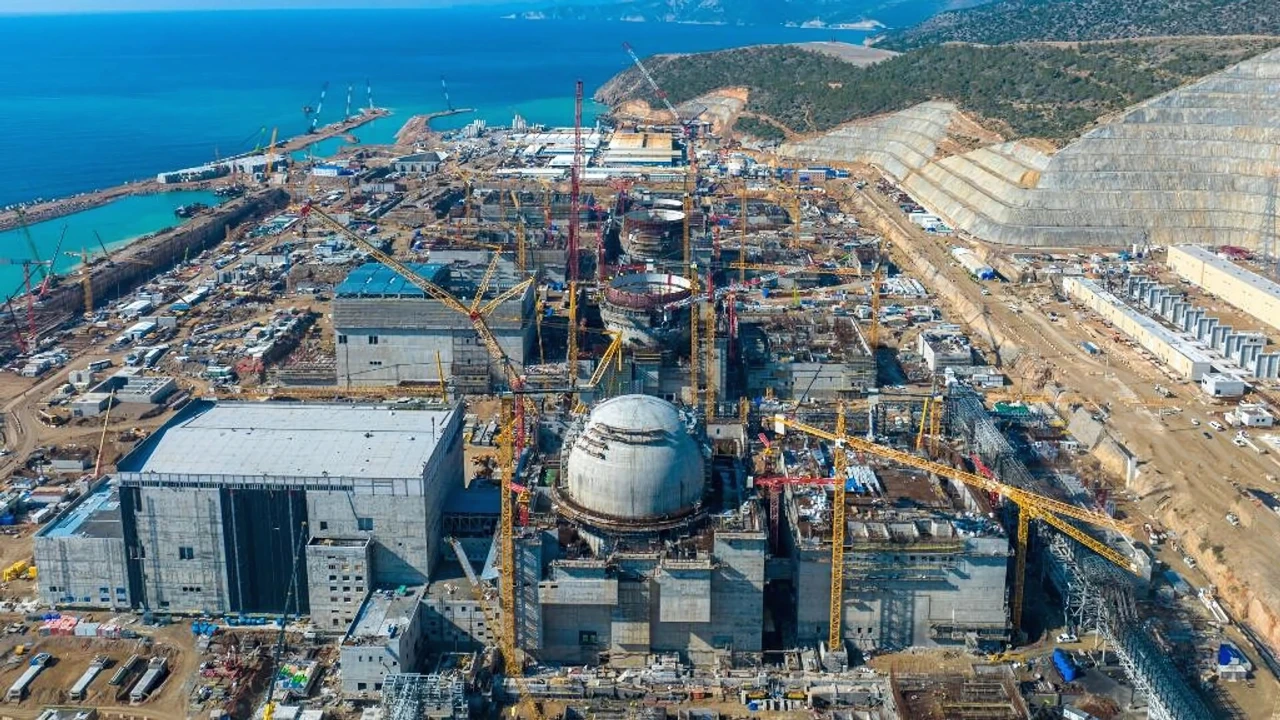
Akkuyu remains one of the largest areas of long-term economic cooperation between Turkey and Russia. Rosatom is financing the project and has been discussing the possible sale of a stake of up to 49 percent to Turkish companies. The project was agreed by Ankara and Moscow in 2010, and construction began in 2018.
The combination of closer US-Turkish ties, expanded military support for Ukraine and declining Russian energy purchases has changed several parts of the relationship between Ankara and Moscow. At the same time, Turkey continues to depend on Russia in areas including natural gas and nuclear energy.
The proposed arms transfer has added a military issue to those changes. Moscow’s public warning came after the US Congress was notified of the planned transfer but before any transfer had taken place. For Ankara, the proposed transfer puts its support for Ukraine alongside its increasingly close relationship with Washington. For Moscow, the move comes as Turkey continues to reduce some of its purchases of Russian energy while maintaining major Russian involvement in its nuclear energy sector.
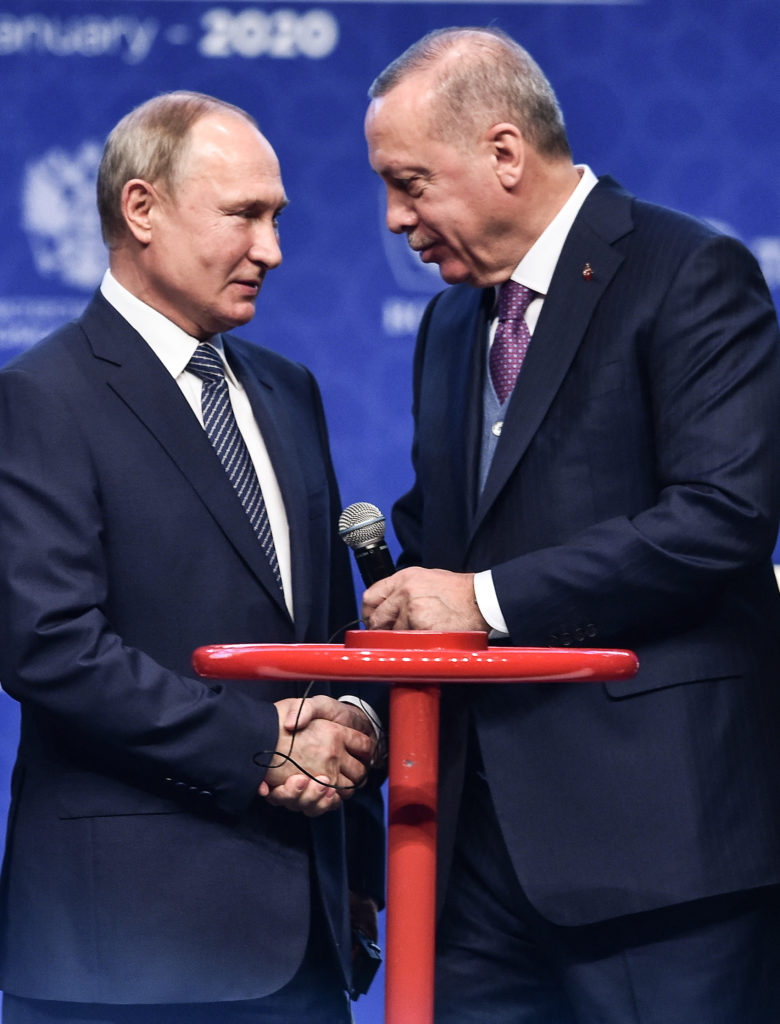
For years Turkey insisted it would stay out of Western sanctions due to its reliance on Russian gas and revenue from Russian tourists, but it is now seeking to distance itself from Moscow in energy trade despite not formally implementing the sanctions.
Turkey had benefited from cheap Russian oil and welcomed Russian companies, taking advantage of Moscow’s favor while not joining the Western bloc against Russia. This allowed Ankara to save on oil expenditures and earn revenue during a currency crisis, as the Turkish lira had lost more than 28 percent of its value against the dollar in 2022. President Erdogan even made a controversial statement indicating that Turkey’s doors were open to Russian capital groups seeking to “park” their facilities in the country, a message that appears to have been heeded as Russians led all foreign investors in Turkey in 2022, establishing 1,363 joint ventures, up from just 177 in 2021, primarily in real estate and investment advisory services.
According to a 2023 joint notice from the US departments of Justice, Commerce and Treasury, malign actors continued to try to evade Russia-related sanctions, often using intermediaries or transshipment points to disguise transactions and obscure the identities of Russian end users.
President Erdogan’s turn toward the West is not without domestic motives. Turkey’s opposition argues that Erdogan is consolidating power by sidelining domestic rivals through imprisonment or pressure, and that maintaining good relations with the US and the EU helps prevent Western criticism over human rights abuses. With the Turkish economy already under strain, any clash with the West could worsen the crisis, trigger a sharp currency depreciation and further exacerbate economic pressures, making Erdogan’s position even more precarious.