

Levent Kenez/Stockholm
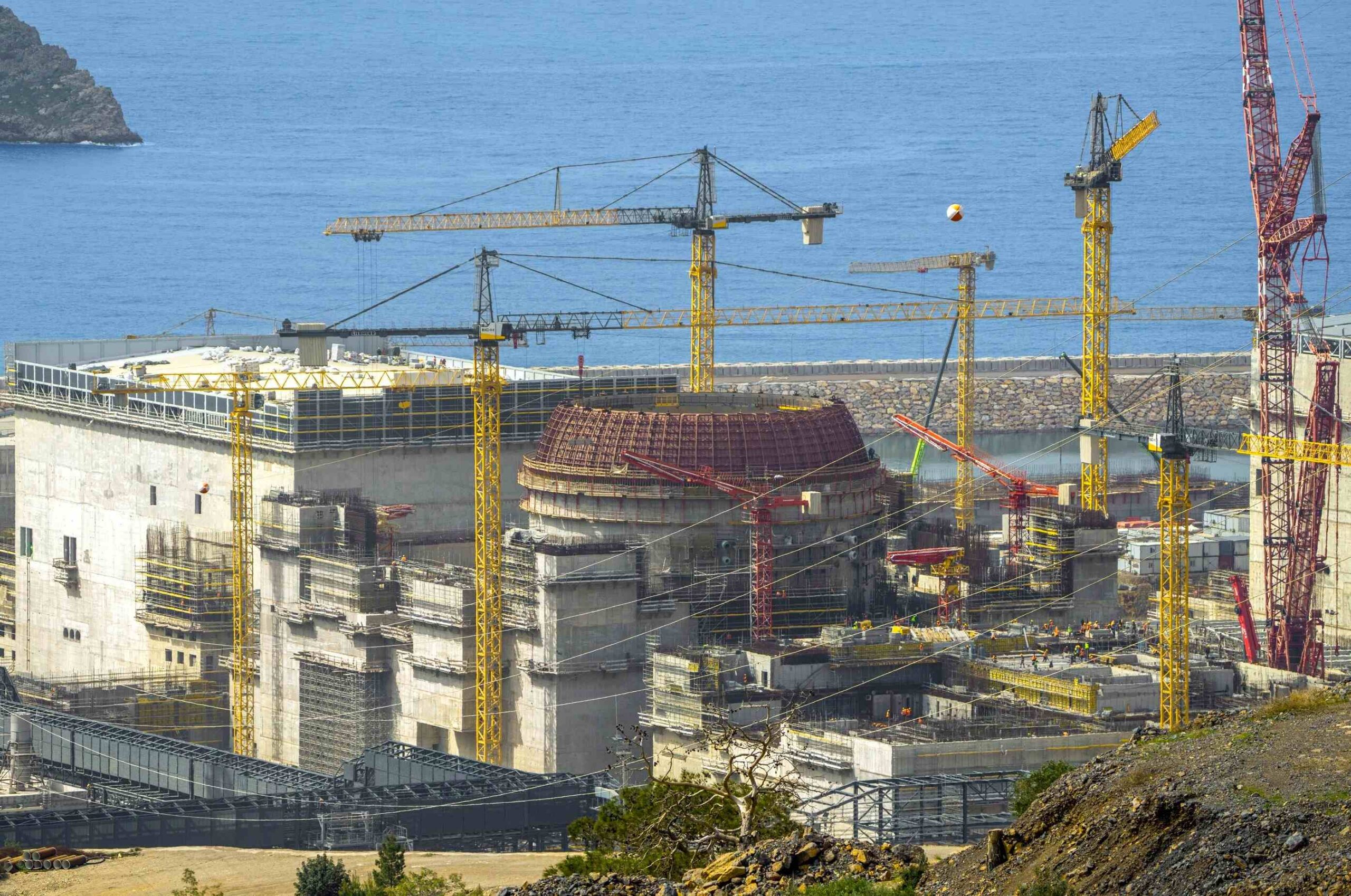
The Turkish Parliament has approved legislation granting extensive tax exemptions to nuclear power operators through the end of 2045, a move expected to provide significant financial benefits to the Russian state-owned company building and operating the Akkuyu Nuclear Power Plant on the Mediterranean coast.
The measures, adopted as last-minute amendments to a broader omnibus economic bill, exempt eligible nuclear operators from several taxes and fees, including corporate-related transaction costs, value-added tax (VAT) obligations on certain investments and stamp duties. The legislation comes as the first reactor at the Akkuyu plant approaches commercial operation at the end of the year.
The amendments revise corporate tax law by creating a separate incentive regime for companies having preliminary or full licenses to operate nuclear power plants. Companies covered by the law will be exempt from stamp duties on investment contracts, financing agreements and procurement transactions. They will also receive VAT refunds or exemptions for construction work, equipment and other investment-related purchases.
Government officials defended the legislation during meetings of the parliamentary Planning and Budget Committee, arguing that the incentives are needed to attract long-term investment as Turkey seeks to expand its nuclear energy capacity to 20,000 megawatts by 2050.
Officials said the incentives would also support negotiations with potential partners from China and South Korea for Turkey’s planned second and third nuclear power plants, expected to be built in Sinop on the Black Sea coast and in the Thrace region.
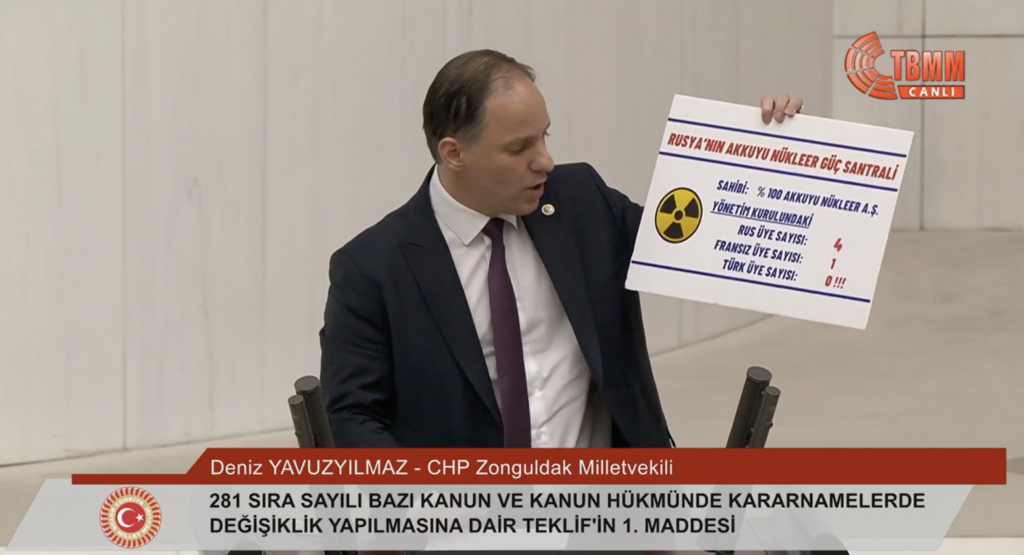
However, the only company immediately positioned to benefit from the new incentives is Akkuyu Nuclear JSC, the project company responsible for Turkey’s first nuclear power plant. The legislation was approved as Russia’s state nuclear corporation, Rosatom, prepares to commission the first of Akkuyu’s four reactors. Rosatom CEO Alexei Likhachev has said the first unit is expected to begin operating before the end of 2026.
Rosatom owns a controlling stake in Akkuyu Nuclear JSC under the build-own-operate model, making the project unique among nuclear plants because the Russian state company will retain ownership and operational control after construction is completed.
The new tax incentives reduce the project’s operating and investment costs at a time when Russia faces international sanctions that have restricted access to Western financing.
Opposition lawmakers strongly criticized the legislation, arguing that it shifts a substantial financial burden onto Turkish taxpayers while benefiting a company owned by the Russian government. Members of the main opposition Republican People’s Party (CHP) said previous tax incentives granted to the Akkuyu project were already worth approximately $9.8 billion. According to opposition lawmakers, the latest package could add another $5 billion in tax advantages over the coming years. (
They argued that instead of providing tax exemptions to a foreign-owned company, the government could have used similar financial resources to acquire a public ownership stake in the nuclear plant. The criticism also focused on the timing of the legislation. The nuclear provisions were added to the omnibus bill during the final stages of parliamentary debate. The same bill also included measures regulating Turkey’s minimum pension, which was set at 23,552 ($498) Turkish lira.
Opposition lawmakers said the government was asking citizens to cope with inflation and rising taxes while granting generous fiscal incentives to one of the country’s largest infrastructure projects. They also criticized the legislative process, saying the nuclear provisions were introduced through last-minute motions without broader public consultation or detailed parliamentary scrutiny.
Minutes of the Turkish Parliament’s Planning and Budget Committee debate on the Akkuyu Nuclear Power Plant:
Beyond the new tax exemptions, critics have also pointed to the long-term financial commitments contained in the original Akkuyu agreement. Under the contract, the state-owned Turkish Electricity Trading and Contracting Corporation (TETAŞ), whose responsibilities have since been transferred to successor public entities, is required to purchase 70 percent of the electricity generated by the plant’s first two reactors and 30 percent from the remaining two reactors for 15 years.
The guaranteed purchase price averages 12.35 US cents per kilowatt-hour, a level that has often exceeded wholesale electricity prices in Turkey. Critics argue that the combination of guaranteed electricity purchases and long-term tax exemptions limits the state’s ability to recover public spending associated with the project while ensuring stable revenues for the operator.
Although the plant is located in southern Turkey, ownership of the facility, key technology and future commercial revenue will remain with Rosatom under the current ownership structure. The legislation extends these tax benefits until December 31, 2045, giving the project long-term protection from changes in Turkey’s tax framework. The move also raises broader geopolitical questions because Turkey is a NATO member while Rosatom remains wholly owned by the Russian state.
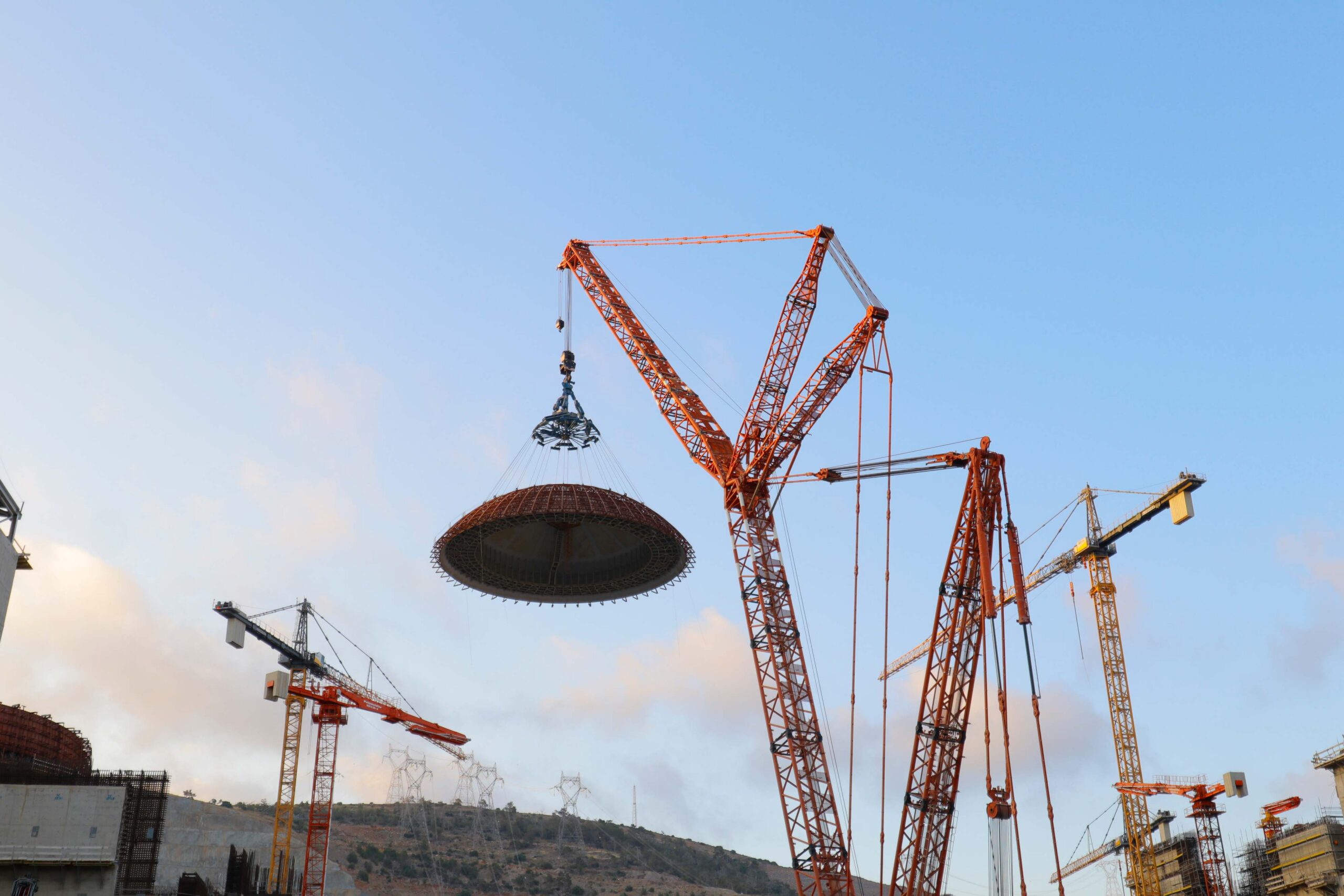
The Akkuyu project has become one of the most significant examples of energy cooperation between Ankara and Moscow. The new legislation further strengthens Russia’s economic position in Turkey by reducing the project’s tax burden for decades. Turkey will also remain dependent on Russia for nuclear fuel.
The four reactors at Akkuyu are designed to use fuel supplied by TVEL, a Rosatom subsidiary that manufactures nuclear fuel assemblies. Although Turkey has uranium deposits in the provinces of Manisa, Yozgat and Nevşehir, it does not possess the commercial uranium conversion or enrichment facilities needed to produce nuclear fuel.
Under the project’s technical framework, alternative fuel suppliers cannot be used without Russian certification, effectively leaving the plant dependent on Rosatom throughout its operational life. Government officials argue that nuclear power will reduce Turkey’s dependence on imported natural gas by replacing an estimated 7 billion cubic meters of annual gas consumption once Akkuyu reaches full capacity.
At the same time, Ankara has sought to diversify future nuclear projects.Turkey recently has signed a memorandum of understanding with the United States on civilian nuclear cooperation and is in talks with American, South Korean and Chinese companies for future nuclear plants. Turkish officials have indicated that those projects are expected to include greater domestic participation and technology transfer than the Akkuyu model.