
Levent Kenez/Stockholm
Turkish opposition lawmakers acknowledged during a parliamentary hearing that they blame Greece and Cyprus in meetings with European counterparts rather than openly discussing problems at home, with one legislator admitting that what they say abroad “is not true.” The unusually candid exchange exposed how opposition politicians defend Turkey’s official positions overseas despite criticizing the government of President Recep Tayyip Erdogan over its democratic record and failure to implement European court rulings.
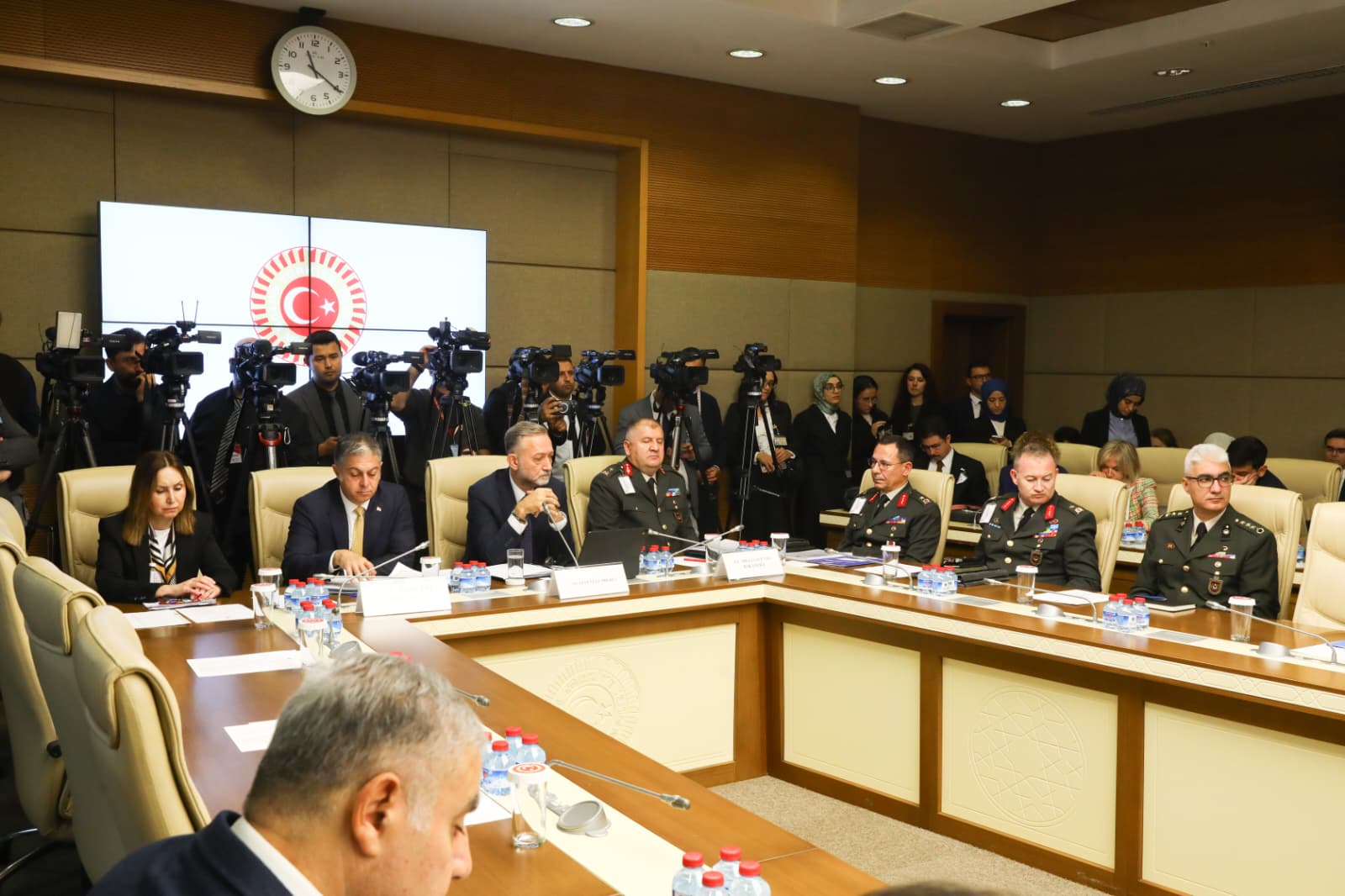
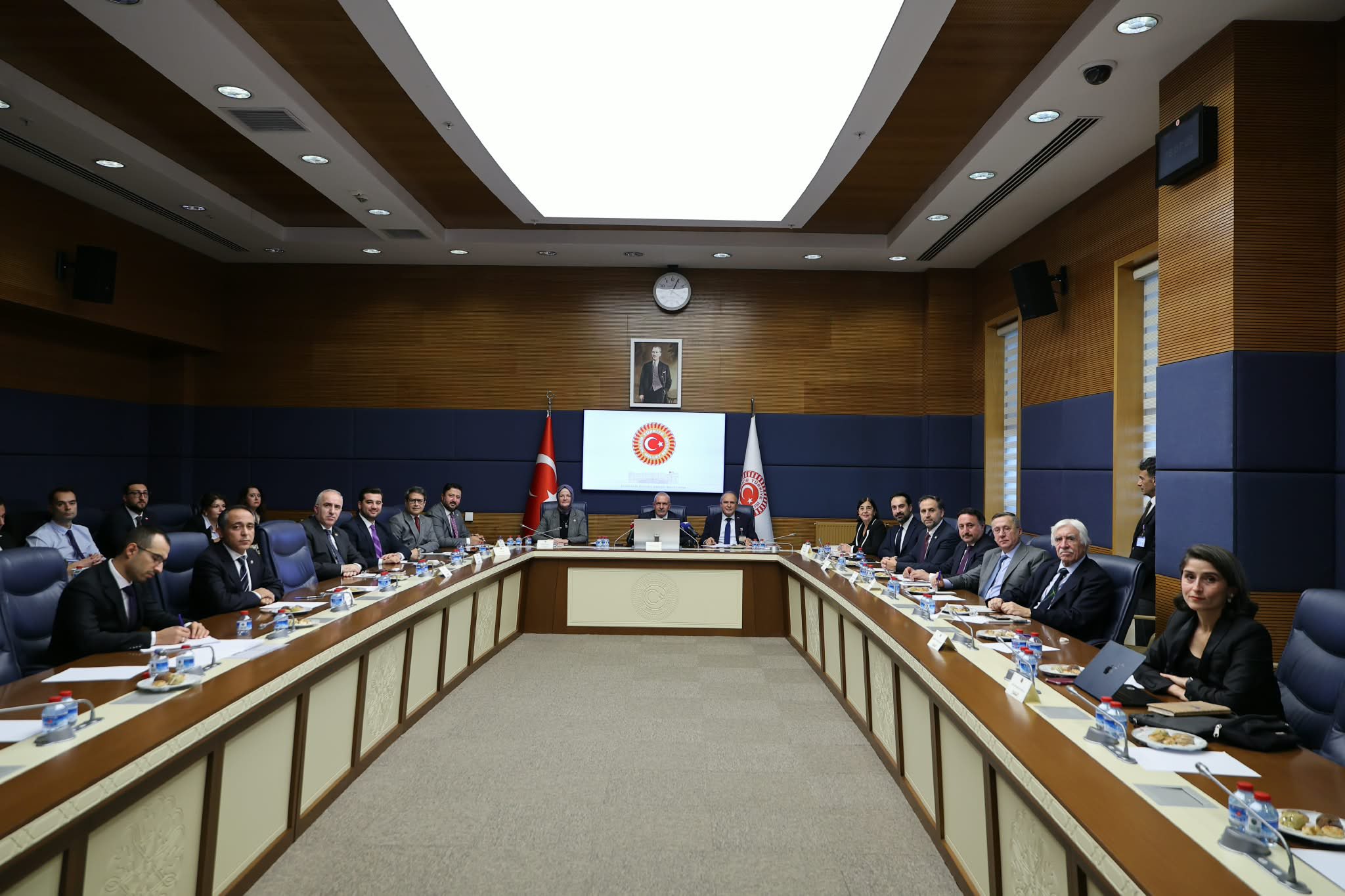
The exchange unfolded October 13 before parliament’s European Union Harmonization Committee, where lawmakers were questioning Deputy Foreign Minister Mehmet Kemal Bozay about Turkey’s stalled bid to join the European Union.
Jale Nur Süllü, a legislator from the opposition Republican People’s Party (CHP), told lawmakers that Turkish delegations routinely deflect attention from domestic problems in discussions with European counterparts. The exchange brought a familiar diplomatic practice into unusually direct public view.
“We don’t say these things when we go abroad,” Süllü said. “We always blame them, we attribute it to Cyprus, we attribute it to Greece.” Without candid debate at home, she added, Turkey would make no progress.
Lütfü Türkkan, a lawmaker from the nationalist İYİ (Good) Party, interrupted with a sharper assessment: “What we say abroad is not true. That’s what I’m saying.” Süllü replied that they were trying to protect their country.
The remarks followed a lengthy critique by Süllü of a relationship she said had ceased to be a credible membership process and had become a series of transactions. Turkey has sought European Union membership for decades, but accession negotiations have remained effectively frozen amid disputes over democratic standards and foreign policy.
Süllü pointed to the October 9 inauguration of the 153-kilometer Cerkezkoy-Kapikule railway section, part of a broader rail connection between Istanbul and the Bulgarian border. The newly opened section received 275 million euros in European Union grant funding under the bloc’s pre-accession assistance program. European Commissioner for Enlargement Marta Kos attended the ceremony along with Erdogan. She said Kos had voiced concerns about democracy but turned to the benefits of cooperation under changing geopolitical conditions.

Her complaint extended beyond European diplomacy. Süllü said Turkish courts had failed to carry out decisions of the country’s Constitutional Court and that Ankara had not completed the remaining reforms required for visa liberalization. She referred to the case of Tayfun Kahraman, an imprisoned urban planner sentenced to 18 years for his alleged role in the 2013 Gezi Park protests. A Constitutional Court ruling published October 6 found that lower courts had violated his rights by refusing to implement an earlier judgment ordering his retrial.
She also described educated and financially secure Turks seeking citizenship abroad, establishing companies or buying homes overseas because they saw diminished prospects at home. These were observations from people she knew, not figures from a migration survey.
Türkkan, who earlier questioned whether Turkey’s European Union ambitions could be taken seriously while it resisted European Court of Human Rights (ECtHR) rulings, said the country had to confront its own shortcomings. He asked whether the government genuinely intended to join the bloc or was merely prolonging the process.
Bozay defended Turkey’s record, estimating that it had complied with roughly 90 percent of ECtHR decisions while arguing that certain prominent cases received disproportionate attention. Other committee members disputed the usefulness of that figure when rulings concerning imprisoned philanthropist Osman Kavala and Kurdish politician Selahattin Demirtaş remained unresolved.

Turkey’s implementation of ECtHR judgments has faced scrutiny over whether procedural compliance produces meaningful remedies. In disputed cases authorities have relied on renewed judicial proceedings, alternative legal grounds for continued detention or compensation payments while the underlying violations remained unresolved. Such measures can be presented as steps toward compliance without necessarily restoring the rights of those affected. Under the European Convention on Human Rights, however, implementing a judgment requires more than reopening a case or paying damages when additional measures are necessary. States must also address the consequences of violations and take steps to prevent their recurrence, obligations supervised by the Council of Europe’s Committee of Ministers.
The debate concentrated on a handful of prominent defendants despite a much larger body of ECtHR litigation involving thousands of people accused of links to the Gülen movement, a group critical of Erdogan. The opposition lawmakers’ selective focus on politically prominent cases left the grievances of many other applicants largely unaddressed during the hearing, raising questions about their willingness to defend the rights of all victims of alleged judicial abuse, regardless of their political affiliations or the accusations against them
The parliamentary exchange also echoed a position previously articulated by Özgür Özel, now leader of the New Party, who was forced out of the Republican People’s Party (CHP) leadership after a controversial court ruling reinstated his predecessor, Kemal Kılıçdaroğlu. The decision, which opposition figures accused Erdogan’s government of orchestrating through the judiciary, prompted Özel and 90 other lawmakers to leave the CHP and establish a new party in July 2026.
In a May 2024 television interview, when he headed the CHP, Özel said he had asked Erdogan for Foreign Ministry briefings before foreign trips and the opportunity to inform the government about his meetings upon his return. He said the government and opposition ought to share common ground on much of Turkey’s foreign policy, even while disagreeing elsewhere.
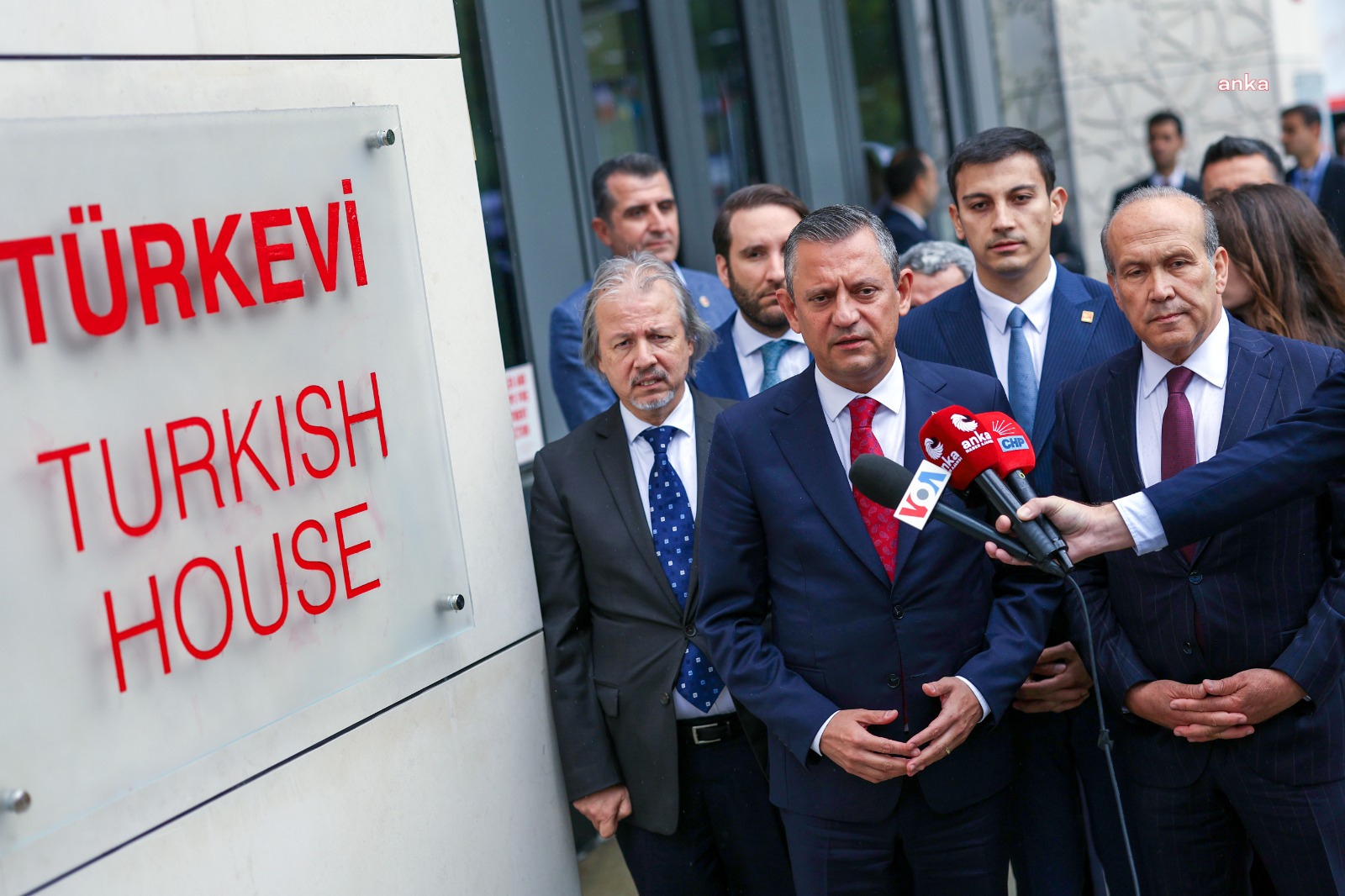
During a September 26, 2024, visit to New York for a Socialist International meeting, Özel, then leader of Turkey’s main opposition, publicly affirmed his adherence to Ankara’s official foreign policy. Asked by a foreign journalist outside the Turkish House diplomatic complex about possible legal action against the Taliban over human rights violations, Özel replied, “As the Republican People’s Party, we follow the line set by our Foreign Ministry and our representatives here.”
The distinction between criticizing a government and criticizing a country has long been disputed in Turkish politics. In July 2025 Ömer Çelik, spokesman for Erdogan’s ruling Justice and Development Party (AKP), accused Özel of complaining about Turkey during foreign visits rather than supporting national interests. Pro-government media outlets have used similar language to challenge opposition criticism overseas.
The opposition’s willingness to support some national security decisions while criticizing Erdogan is documented in parliamentary votes. In December 2025 the CHP backed a two-year extension of Turkey’s military mission in Libya, but its foreign policy spokesman Namık Tan called the approval conditional and said it did not endorse the government’s wider approach.
At the committee meeting, Süllü questioned why Turkish officials kept hearing the same criticism from Europe without addressing unresolved reforms. The European Commission’s latest enlargement proposals, released October 6, again described progress toward membership as dependent on reforms and protection of the rule of law.