
Levent Kenez/Stockholm
When 75-year-old retired teacher and environmental volunteer Ayten Yakut boarded a bus for a birdwatching trip outside Ankara, she expected to return home with photographs of migratory birds and memories of a summer day spent in nature. She never imagined the excursion would end with a raid on her home and questions about terrorism.
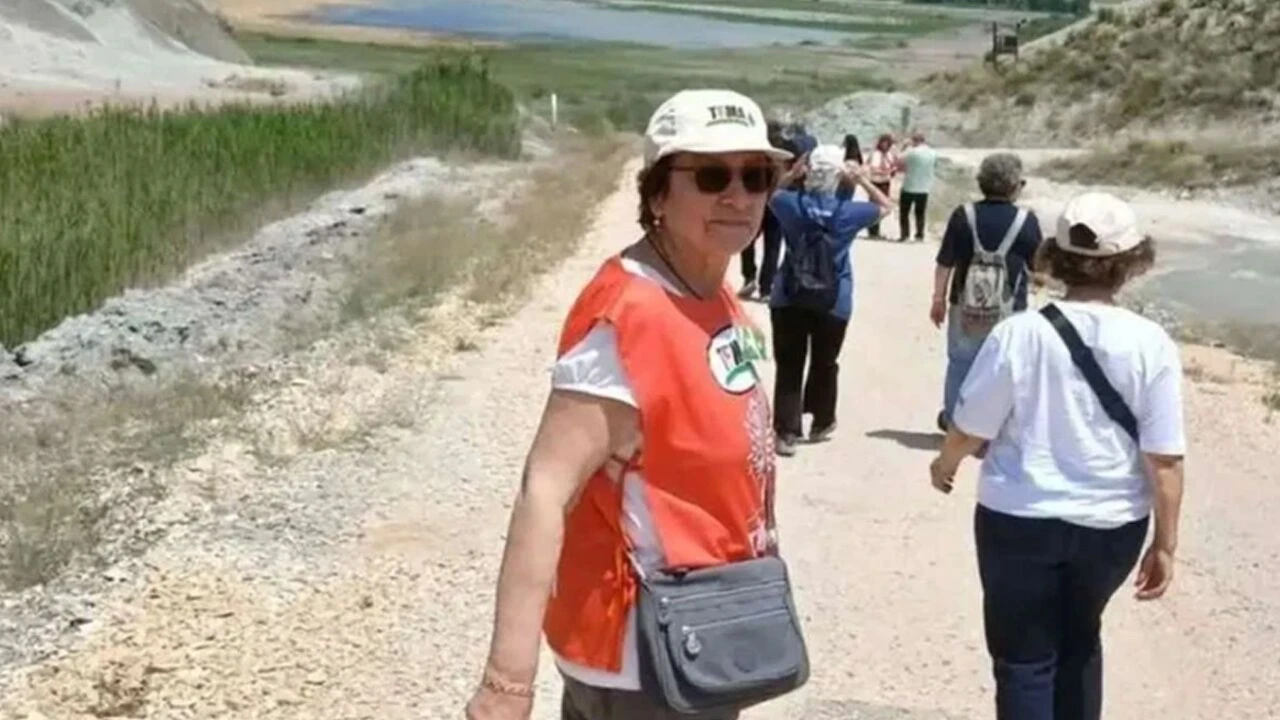
The excursion on June 23, 2026, had been organized by The Turkish Foundation for Combating Soil Erosion for Reforestation and the Protection of Natural Habitats (TEMA), one of Turkey’s best-known environmental organizations. The destination was the bird sanctuary in Nallıhan, northwest of Ankara, a popular site for nature enthusiasts and amateur photographers.
For Yakut, who has spent years volunteering on environmental projects after retiring from teaching, it was another routine outing. The return journey, however, unfolded against a political backdrop few passengers fully understood.
As the return bus stopped at a roadside gas station for a break, two passengers got off to use the restroom. At the same service station, miners from the central Turkish province of Eskişehir were also taking a break after traveling to Ankara, where they had been protesting for weeks over unpaid wages that they said were owed by Doruk Mining, a company owned by a businessman known for his close ties to President Recep Tayyip Erdogan.
Several passengers on the TEMA bus and the miners exchanged greetings through the windows. According to some of the passengers, the encounter lasted only moments. Yet shortly after leaving the gas station, police stopped the bus three times for identity checks.
In Turkey, such checks are commonly referred to as a “GBT,” an abbreviation for Genel Bilgi Toplama or General Information Collection. The procedure allows police to determine whether someone is wanted, has an outstanding warrant or is linked to an ongoing investigation. Passengers later said they believed the brief greeting exchanged with the miners had attracted the attention of the security force.
For Yakut, the repeated identity checks marked only the beginning. At around 5 a.m. the following morning, gendarmes arrived at her apartment. Living alone, Yakut later said the raid left her terrified. She was first taken to a hospital for a routine medical check before being transferred to the courthouse in Ankara. It was there, she later recalled, that she first learned why she had been detained.
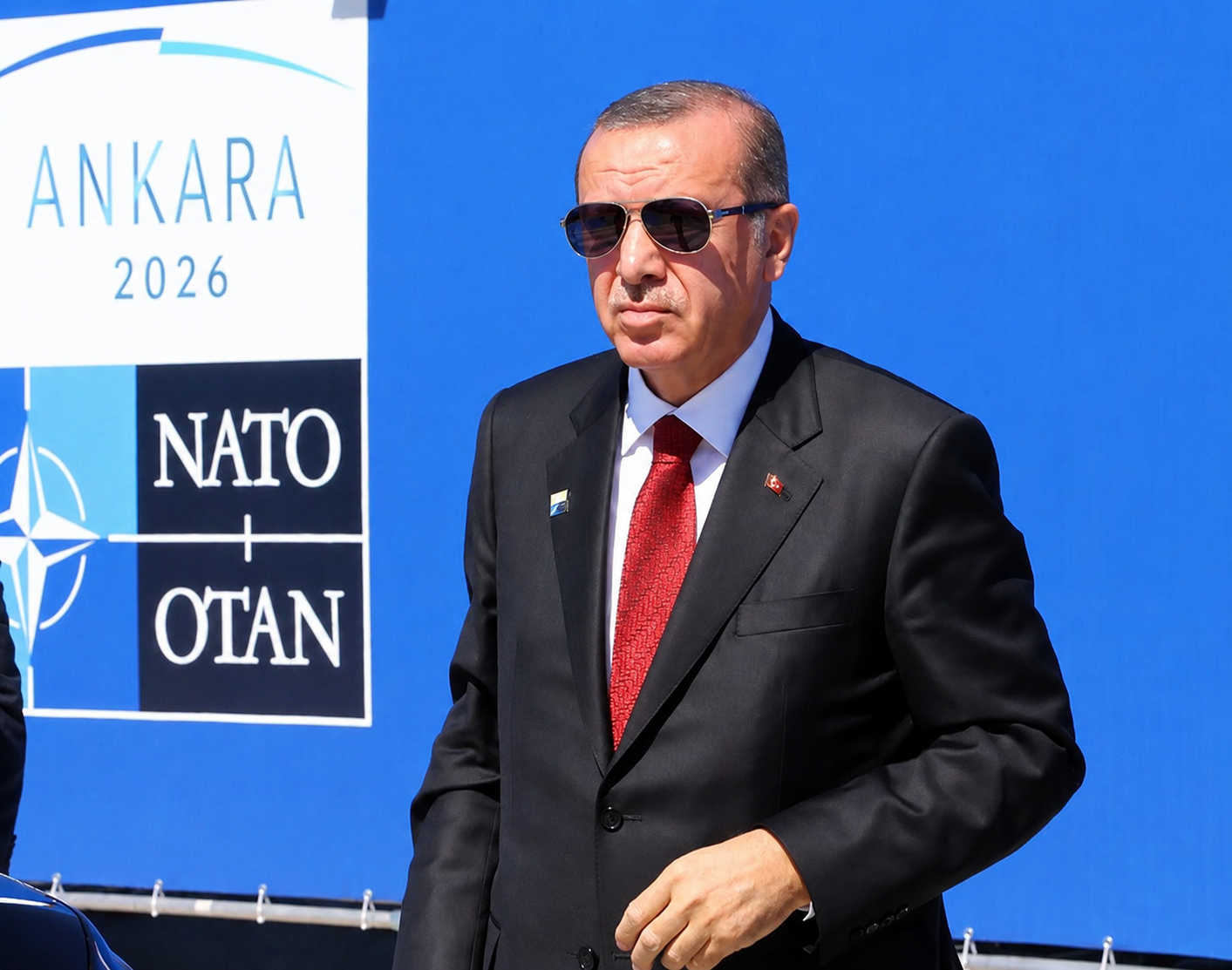
A prosecutor told her she was among hundreds of people detained as part of security operations carried out ahead of the NATO leaders’ summit scheduled for July 7-8 in Ankara.
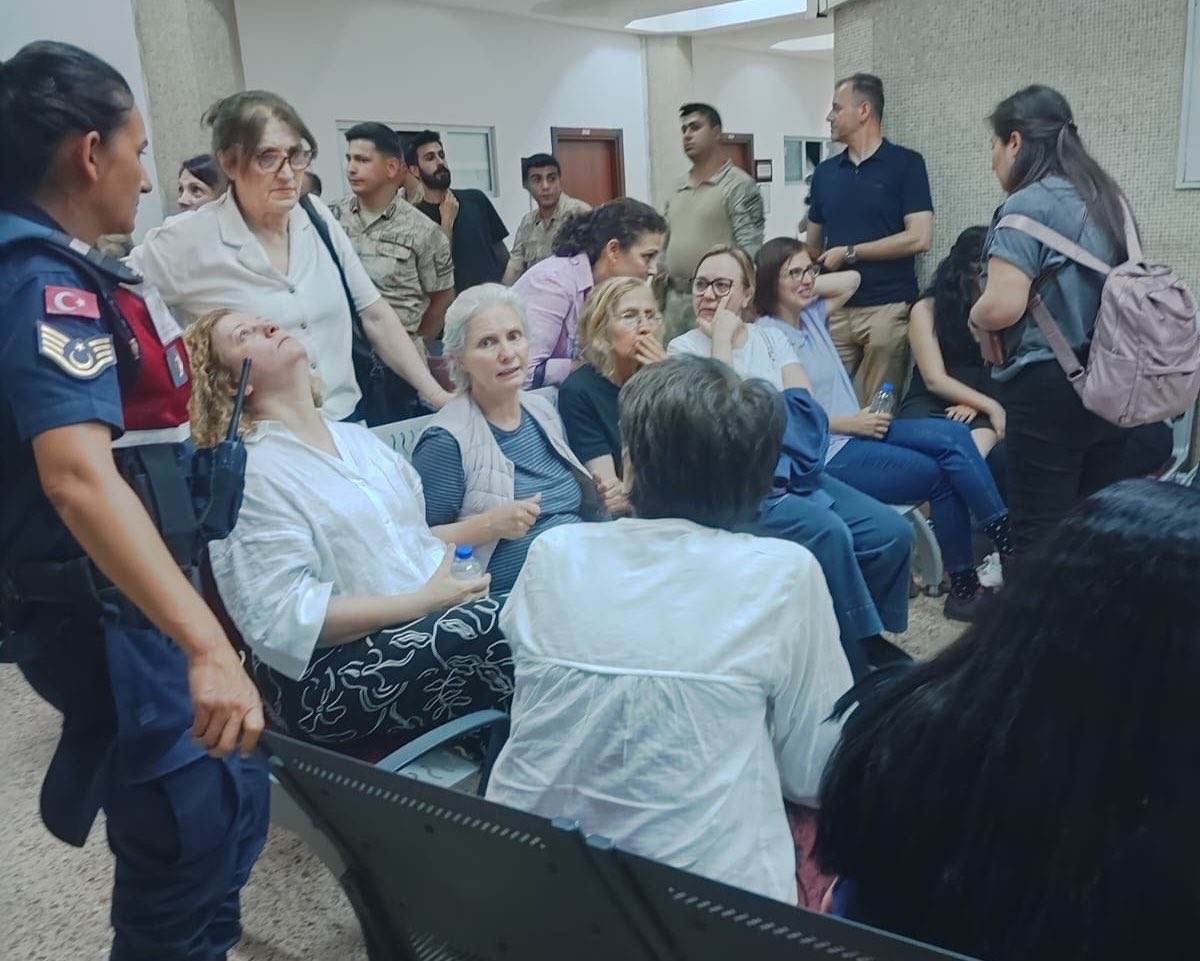
According to her account, the prosecutor asked questions that seemed detached from everything she had experienced during her lifetime, whether she had received weapons training, whether she belonged to a revolutionary armed organization and what her code name was.
She says she had never even heard the name of the organization prosecutors claimed she was connected to. Within hours, she was ordered jailed pending trial. This arrest alone demonstrates how easily people in Turkey can be sent to prison on terrorism charges without any evidence.
Court documents reviewed by local media showed that Yakut and more than 100 other suspects could participate in terrorist activities during the NATO summit. The prosecutors also argued that the suspects were acting on behalf of several socialists organizations allegedly seeking to carry out attacks to portray Turkey as a country associated with terrorism.
Yakut remained in jail until July 1, when a court ordered her release pending trial. Others detained in the same investigation, including TEMA volunteers, however, remained behind bars.
According to lawyers, rights groups and opposition politicians, the operations have expanded well beyond individuals accused of planning violent acts. Those groups allege that more than 500 people were detained nationwide in multiple waves of operations before the summit and that hundreds were subsequently jailed pending trial on terrorism-related charges. Turkish authorities have not publicly confirmed all those figures.
The investigations have targeted a broad cross-section of society, including journalists, lawyers, academics, students, labor activists and members of labor unions. Several professional associations and civil society groups have argued that many of those detained had been involved primarily in lawful political activity or public demonstrations.
Separate operations also targeted Islamist activists critical of the government of President Recep Tayyip Erdogan over its handling of the war in Gaza. Rights advocates said that at least 10 activists known for organizing pro-Palestinian demonstrations were detained in coordinated raids across several provinces on July 6.
The preparations for the NATO summit reshaped the city into one of the most heavily secured capitals in Europe. The Ankara Police Department announced that approximately 56,000 security personnel would be deployed. While supporters view the summit as an opportunity to present Turkey as a confident regional power, critics argue that the extensive security measures and mass detentions came at the expense of civil liberties.

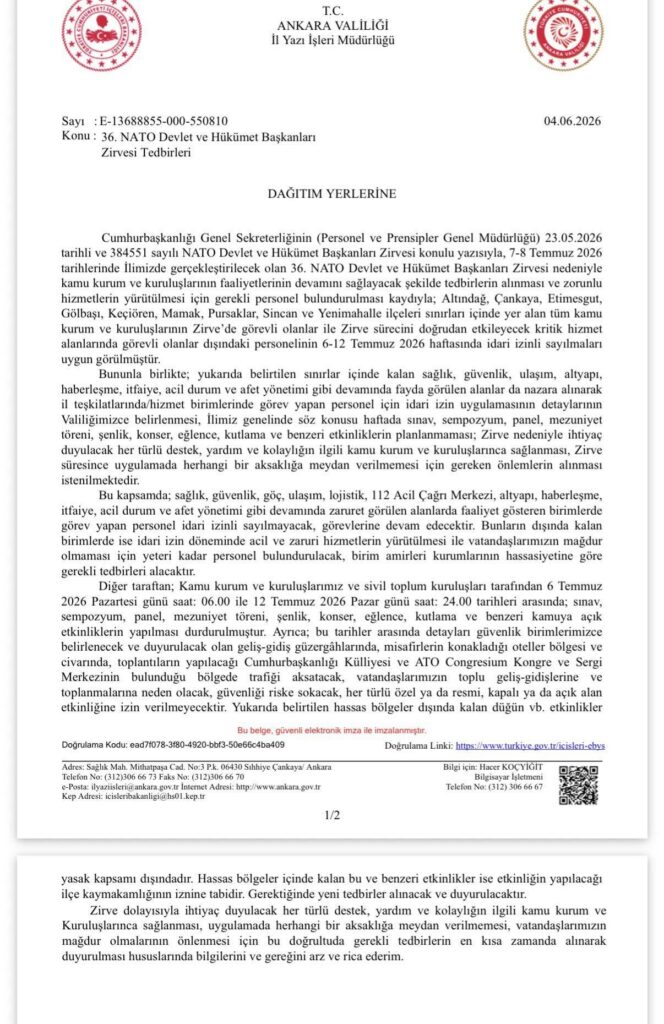
The Ankara Governor’s Office imposed broad restrictions on public demonstrations beginning June 28 and continuing through July 12. The measures prohibited public gatherings, marches, tents, leaflet distribution and banners throughout the capital.
Residents said roads leading from Ankara Esenboga Airport toward the city center were resurfaced, while municipal crews repaired sidewalks along routes expected to be used by foreign delegations. Large decorative billboards were installed along some roads. The panels were intended to shield poorer neighborhoods from the view of visiting delegations. Turkey’s Directorate of Communications rejected such claims, describing the installations as routine security and organizational measures. Local media also reported that the exterior walls of some homes near the airport had been painted by municipal authorities.
For many residents traffic restrictions, security checkpoints and road closures have led many people to plan to stay home during the summit. Moreover, thousands of civil servants were granted leave during the NATO summit week and told not to come to work.
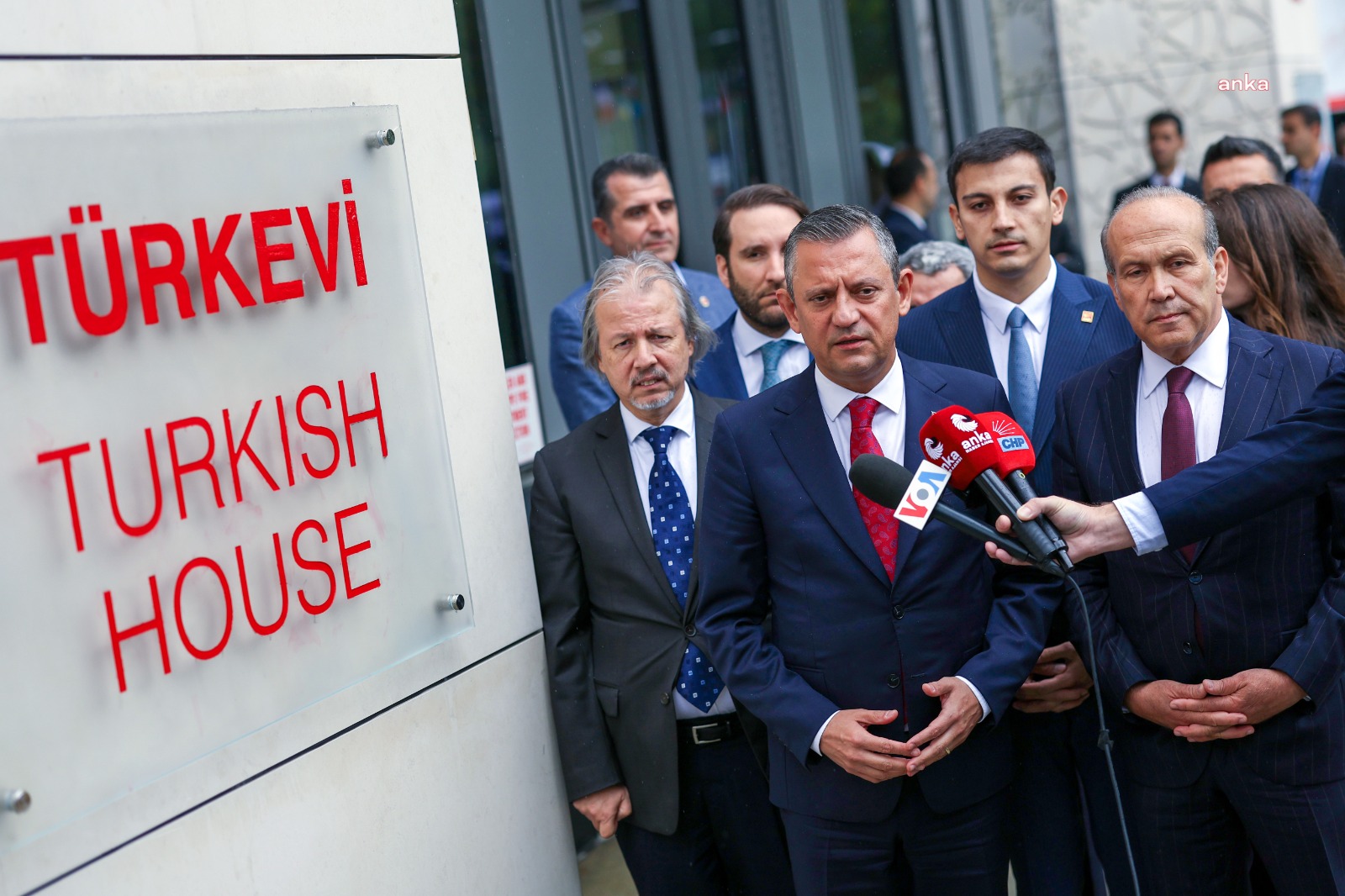
Meanwhile, the Turkish opposition believes that the most critical domestic developments will unfold after the NATO summit. Backed by US President Donald Trump and re-establishing his presence on the international stage as a legitimate leader, President Erdogan is expected to maintain his crackdown on opposition parties and groups. The primary targets of this campaign are expected to be key opposition leader Özgür Özel, along with potential presidential candidates Ankara Mayor Mansur Yavaş and the already jailed Istanbul Mayor Ekrem İmamoglu.
The political landscape shifted dramatically on May 21, 2026, when an Ankara court annulled the main opposition Republican People’s Party (CHP) 2023 convention, removing the newly elected Özel and reinstating former chairman Kemal Kılıçdaroglu, a politically ineffective figure whom Erdogan has always sought to keep as his opponent.
Public expectations now lean toward Özel and his allied lawmakers breaking away to form a new political party. However, with the ruling coalition holding a parliamentary majority, there are predictions that parliament will approve pending summaries of proceedings to lift legislative immunity. In Turkey’s current political climate, this could imminently force Özel to face trial.
Authorities have already targeted dozens of CHP-run municipalities, arresting mayors over alleged corruption. Analysts warn that Ankara Mayor Yavaş could similarly be removed from office overnight through a sudden police operation, a persistent risk unless Yavaş announces that he will not run for the presidency.
Erdogan’s most formidable rival, İstanbul Mayor İmamoglu, has been imprisoned since March 19, 2025. Furthermore, an İstanbul court last year annulled İmamoglu’s university diploma, the possession of which is a prerequisite for the presidency. In the ongoing legal battle, he faces thousands of years in prison for corruption, espionage and official document forgery. A conviction in one of his his pending trials is widely seen as inevitable.
For Erdogan, securing another electoral victory while his health permits remains paramount to dismantling the opposition’s remaining hopes and ensuring a smooth transition of power to a family member. For this reason, Erdogan views the NATO summit being held at a time when democracy in Turkey has already collapsed as an international rubber stamp for his future crackdowns.