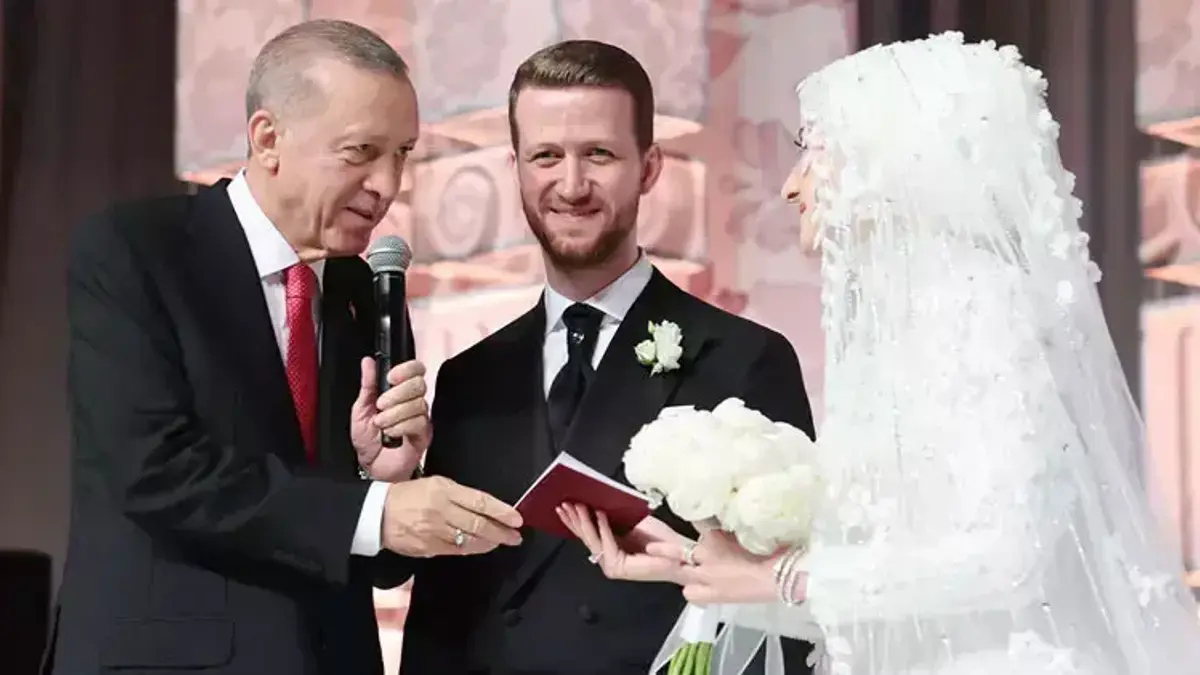


Abdullah Bozkurt/Stockholm
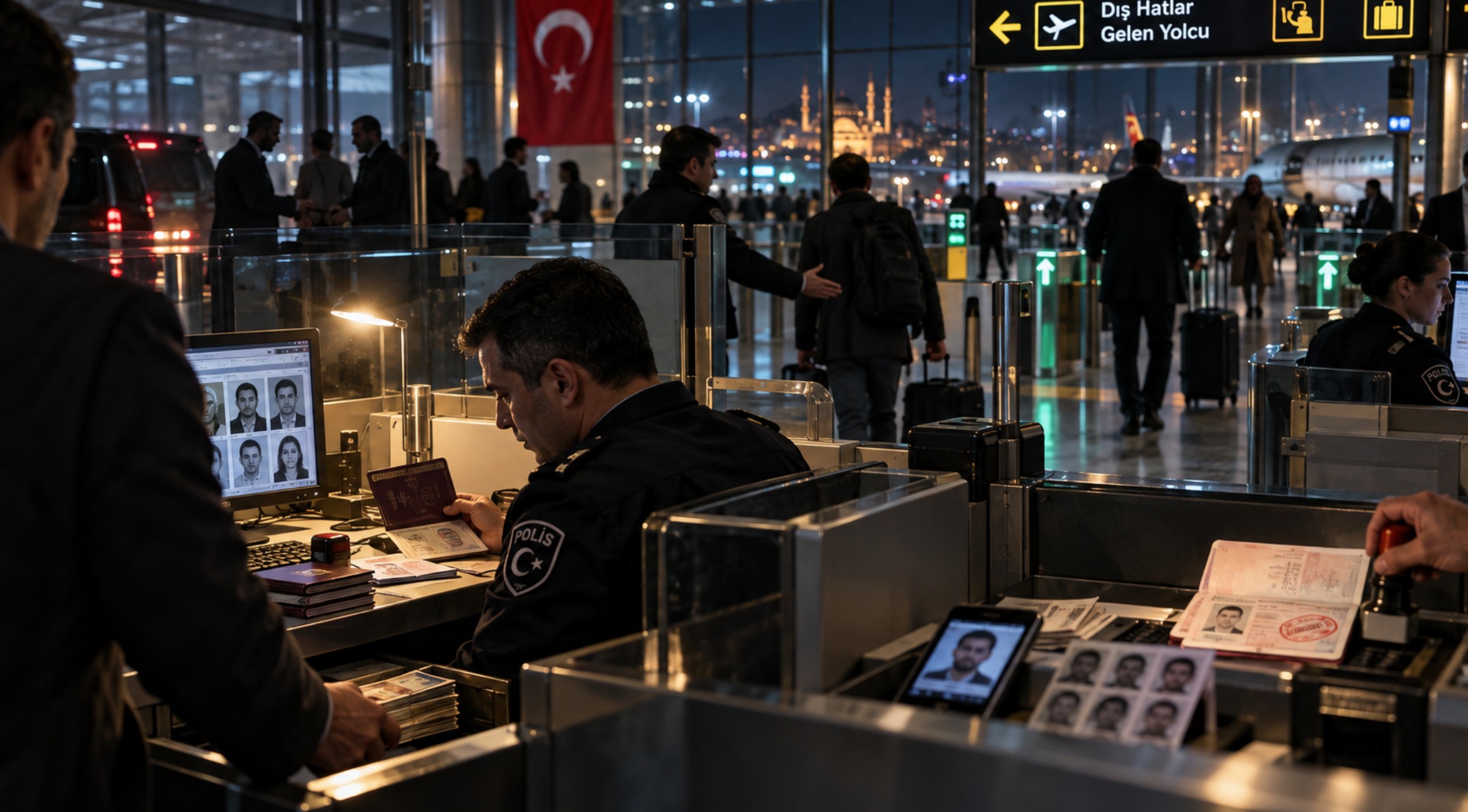
The transformation of Turkey’s diplomatic service into an intelligence and security apparatus under former spy chief Hakan Fidan has been moving at full speed according to a newly published report by the Foreign Ministry that outlines strategic priorities, institutional objectives and performance indicators for the coming years.
Fidan, who led Turkey’s notorious intelligence agency for more than a decade before becoming foreign minister, has introduced a series of structural changes in the foreign service, brought intelligence officers into key positions, instructed Turkish envoys, diplomats and consular officers to engage in intelligence gathering abroad and expanded recruitment efforts among the Turkish diaspora and Muslim communities abroad.
This notable transformation turning a traditional diplomatic institution into an increasingly security-oriented bureaucracy that closely aligns diplomacy with intelligence, military power and national security objectives was reflected in the ministry’s newly published 2026 Performance Program.
A comparison with the ministry’s 2025 program reveals a significant shift in its official doctrine. The 2026 report shows that the ministry’s rhetoric, strategic priorities and institutional focus have increasingly come to resemble those of a national security organization rather than a traditional diplomatic institution.
The transformation carries particular significance because Fidan served for more than 13 years as director of Turkey’s National Intelligence Organization (Milli İstihbarat Teşkilatı, MIT), where he expanded the agency’s overseas operational capabilities, sanctioned torture sessions, approved assassinations, kidnappings in foreign countries and set up heavily armed special force units comprising former military and police officers to deploy when needed.
The Turkish Foreign Ministry’s 2026 Performance Program reveals how the country’s diplomatic service has been transformed into an intelligence hub under former spy chief Hakan Fidan:
He later integrated intelligence activities into nearly every aspect of Turkish foreign policy after assuming the post of foreign minister in June 2023.
The most striking change appears in the opening policy statement signed by Fidan and incorporated in the first pages of the report.
The 2025 Performance Program framed Turkey’s diplomacy primarily around conflict resolution, mediation, humanitarian assistance and regional stability. It emphasized securing a ceasefire in Gaza, facilitating negotiations between Russia and Ukraine, supporting political reconciliation in Syria and revitalizing Turkey’s European Union accession process.
In contrast the 2026 program adopts markedly different language. It repeatedly characterizes the international environment as one of geopolitical competition, strategic uncertainty and existential threats. It argues that pursuing an “independent, strong and determined foreign policy” constitutes a matter of state survival (beka meselesi in Turkish) and presents diplomacy as an extension of national power rather than a mechanism for peaceful engagement.
The ministry now portrays Turkey as a “rule-making” regional power whose diplomats are expected to defend the country’s interests through a comprehensive combination of diplomatic, military, economic and strategic instruments.
Perhaps the clearest indication of this conceptual shift is the growing prominence given to military power in a foreign ministry planning document.
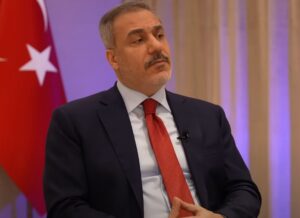
The 2026 program highlights Turkey’s strong armed forces, modern military capabilities and advanced defense industry, describing the country as a security provider extending from Europe and North Africa to the Asia-Pacific region. Such references are largely absent from the 2025 document, which instead concentrated on diplomatic initiatives and conflict mediation.
The document also repeatedly links diplomacy with strategic transportation corridors, defense cooperation and NATO security architecture, reflecting a much broader understanding of foreign policy as an integrated component of national security.
The ministry’s institutional priorities likewise reveal an expanded security orientation.
Among the six principal strategic objectives listed in the 2026 program, the first is strengthening peace and security in Turkey’s region, followed by reinforcing the institutional foundations of foreign relations and enhancing the ministry’s own organizational capacity. The emphasis on institutional capability goes well beyond administrative modernization, incorporating digital transformation, accelerated decision-making and improved coordination across government.
The document stresses investments in digital infrastructure, faster communication between headquarters and overseas missions and technological systems intended to improve intelligence collection and interagency coordination.
One of the more revealing aspects of the performance program concerns the ministry’s Intelligence and Security Affairs Directorate General (İstihbarat ve Güvenlik İşleri Genel Müdürlüğü, İGGM). The directorate was restructured after Fidan arrived at the foreign ministry with dozens of senior intelligence operatives and now mirrors, at times even rivals, the country’s main intelligence agency MIT.
The Turkish Foreign Ministry’s 2025 Performance Program:
Organizationally, the directorate remains largely unchanged from the previous year. It continues to operate along with directorates responsible for multilateral diplomacy, NATO affairs and international security. However, the performance indicators assigned to the unit provide an important glimpse into its operational focus.
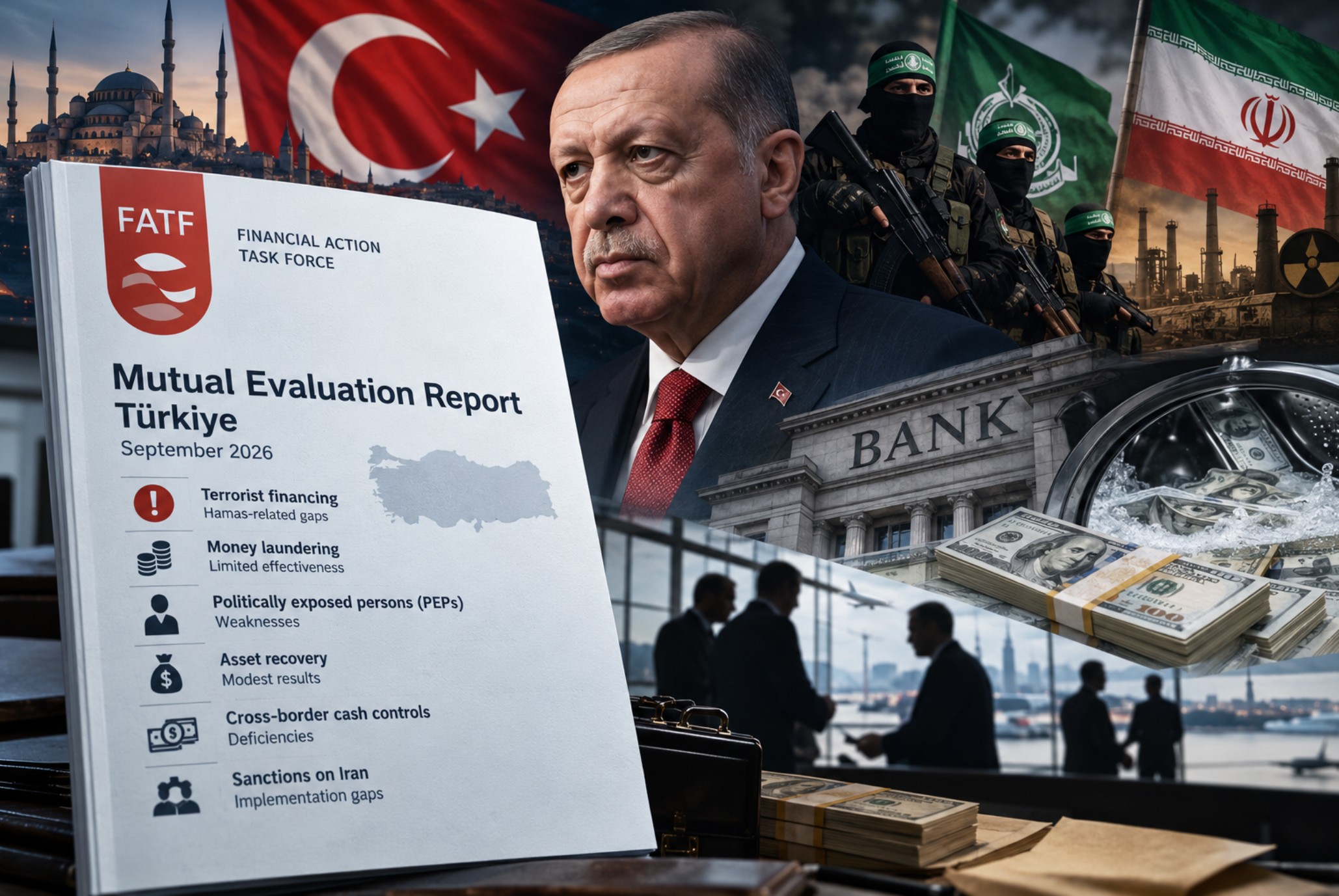
The first indicator measures the number of international coordination mechanisms established to combat terrorist financing. At face value this appears to target actual terrorist groups such as al-Qaeda and the Islamic State in Iraq and Syria. In practice, however, the Turkish government routinely brands critics of its repressive rule — from human rights defenders to journalists who write critical articles — as terrorists.
The government then targets their assets and sources of income in an effort to undermine their work. As a result, “combating terrorist financing” often amounts to depriving innocent people of their livelihoods and the financial means needed to sustain their professional activities.
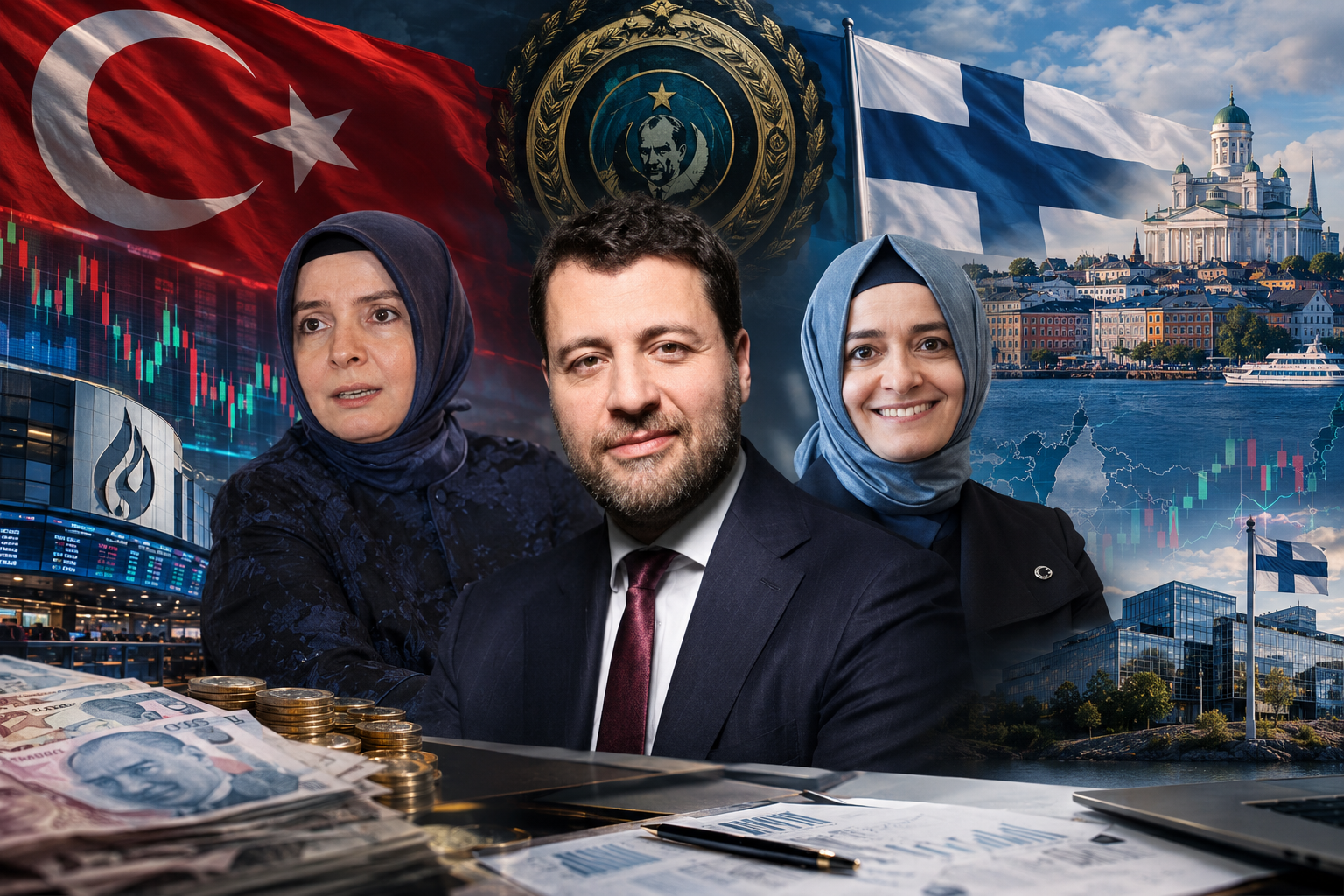
It has been well documented over the years that the Turkish government has deliberately corrupted financial intelligence data by putting journalists, human rights defenders and other government critics on terrorism watchlists without credible evidence. These politically motivated designations have, in some cases, disrupted the banking and financial activities of journalists living in exile after global data providers, including the London Stock Exchange Group plc (LSEG), incorporated Turkish government data into the databases they supply to banks and financial institutions. Those institutions rely on such databases to conduct Know Your Customer (KYC) and Customer Due Diligence (CDD) checks, including sanctions and watchlist screenings. As a result, manipulated Turkish government data has at times led to frozen accounts, blocked transactions and heightened compliance scrutiny for individuals who have done nothing unlawful.
The second indicator in the performance is more unusual. It measures the number of reputable academic publications and international media reports concerning organizations Turkey classifies as terrorist groups. Such an indicator suggests that the directorate’s responsibilities extend beyond traditional security coordination into monitoring — and potentially shaping — international narratives regarding Turkish government priorities.
Numerous reports over the years have alleged that the Turkish government has systematically financed influencers, academics, journalists and media organizations outside Turkey to advance its foreign policy agenda. By providing funding, sponsored travel, research grants, advertising revenue and other financial incentives, Ankara has sought to cultivate favorable coverage and amplify narratives aligned with the priorities of President Recep Tayyip Erdogan’s government. Critics argue that these influence operations are intended to shape public opinion, academic discourse and policy debates in Western countries while obscuring the government’s deteriorating human rights record and increasingly authoritarian rule.
Measuring foreign media coverage and academic discourse is an uncommon benchmark for a diplomatic institution and points to a growing convergence among public diplomacy, strategic communication and intelligence functions.
This convergence mirrors developments elsewhere in the ministry. Public diplomacy, strategic communication and digital diplomacy receive increasing emphasis throughout the 2026 program.
Another notable development is the continued expansion of Turkey’s diplomatic network.
The ministry reports that the number of permanent overseas missions increased from 261 to 263 within a year, involving the establishment of one additional embassy and one new permanent mission. While modest in numerical terms, the expansion reinforces Turkey’s position as the country with the world’s third-largest diplomatic network and provides additional infrastructure through which Ankara projects political influence abroad.
Turkey has increasingly turned its embassies and consulates into staging grounds for aggressive intelligence-gathering operations, assigning a growing number of spies to diplomatic missions abroad. Diplomatic immunity not only provides cover and legal protection for these operatives but also gives them access to people, institutions and sensitive environments that would otherwise be difficult to reach.

The 2026 report also adopts considerably stronger ideological language regarding the Middle East. Where the previous year’s program emphasized humanitarian aid, ceasefire negotiations and support for a two-state solution in the Israeli-Palestinian conflict, the new document speaks of leading international efforts against what it describes as Israel’s actions in Gaza, defending Jerusalem, expanding recognition of Palestine and mobilizing Islamic institutions in support of Palestinian objectives. It has adopted a starkly anti-Israel posture, reflecting the Erdogan government’s policy of portraying Israel as a national security risk and a threat to the existence of the Turkish state.
Similarly, Syria policy shifts from facilitating refugee returns and supporting a political transition toward emphasizing reconstruction, state consolidation and restoring Syria’s international standing.

The cumulative effect is a ministry that increasingly resembles a strategic headquarters coordinating multiple dimensions of Turkish state power rather than a bureaucracy devoted primarily to diplomacy.
This transformation indicates that the Foreign Ministry has assumed operational intelligence responsibilities traditionally exercised by MIT. The ministry’s own planning documents demonstrate how diplomacy is being systematically integrated into a broader national security framework shaped by Fidan’s experience as Turkey’s longest-serving intelligence chief.
The 2026 Performance Program therefore offers perhaps the clearest official articulation to date of the institutional philosophy emerging under Fidan’s leadership: one in which diplomacy, intelligence, military capability, strategic communication and digital statecraft function not as separate disciplines but as interconnected instruments serving a unified concept of Turkish national power.