
Levent Kenez/Stockholm
The arrest of Dutch national Wilhelmus Adrianus Leijdekkers in Istanbul this month has revived scrutiny over Turkey’s handling of international organized crime figures, after court records, police operations and prior judicial decisions showed that several members of the same cocaine trafficking network had previously been detained and later released before disappearing.
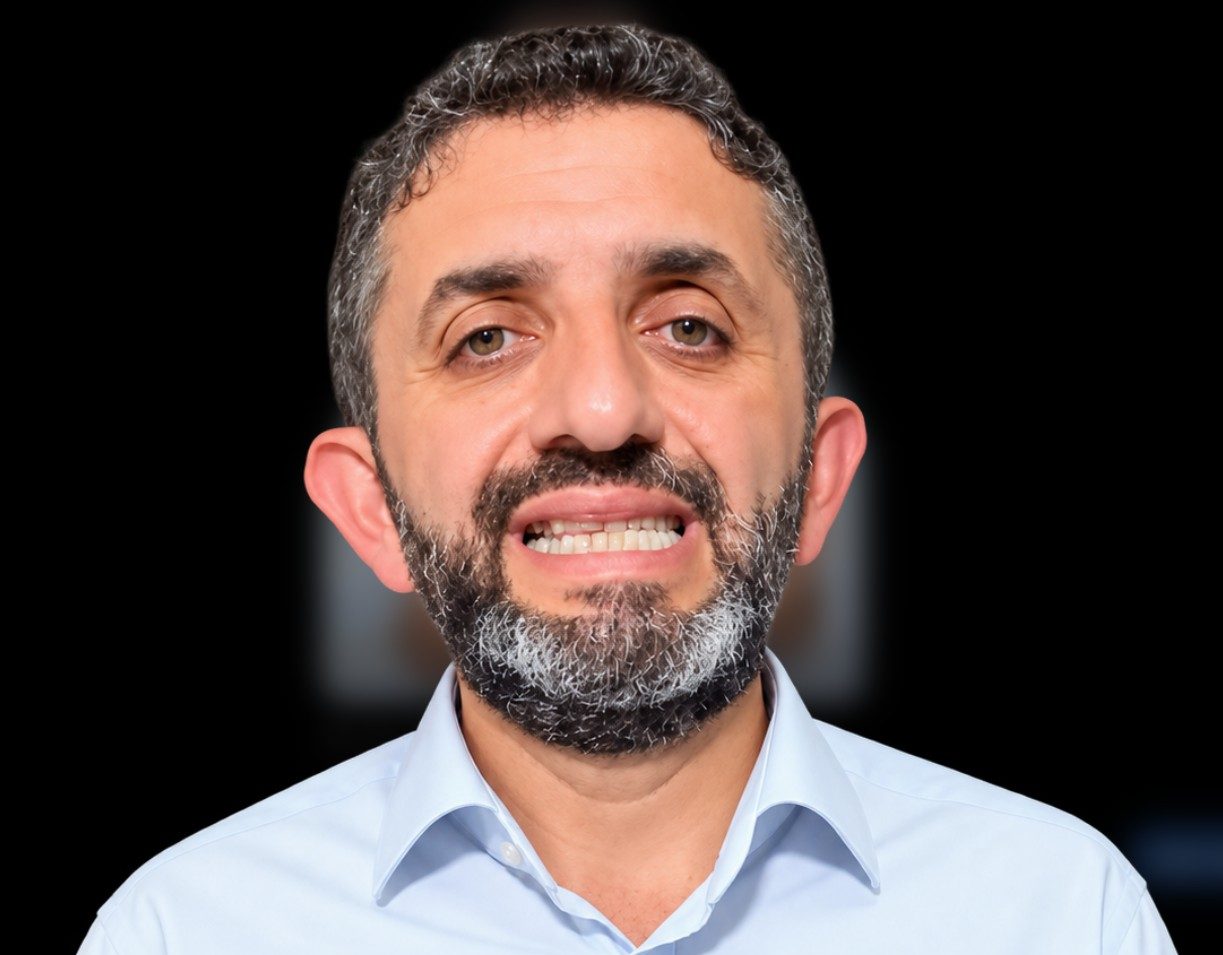
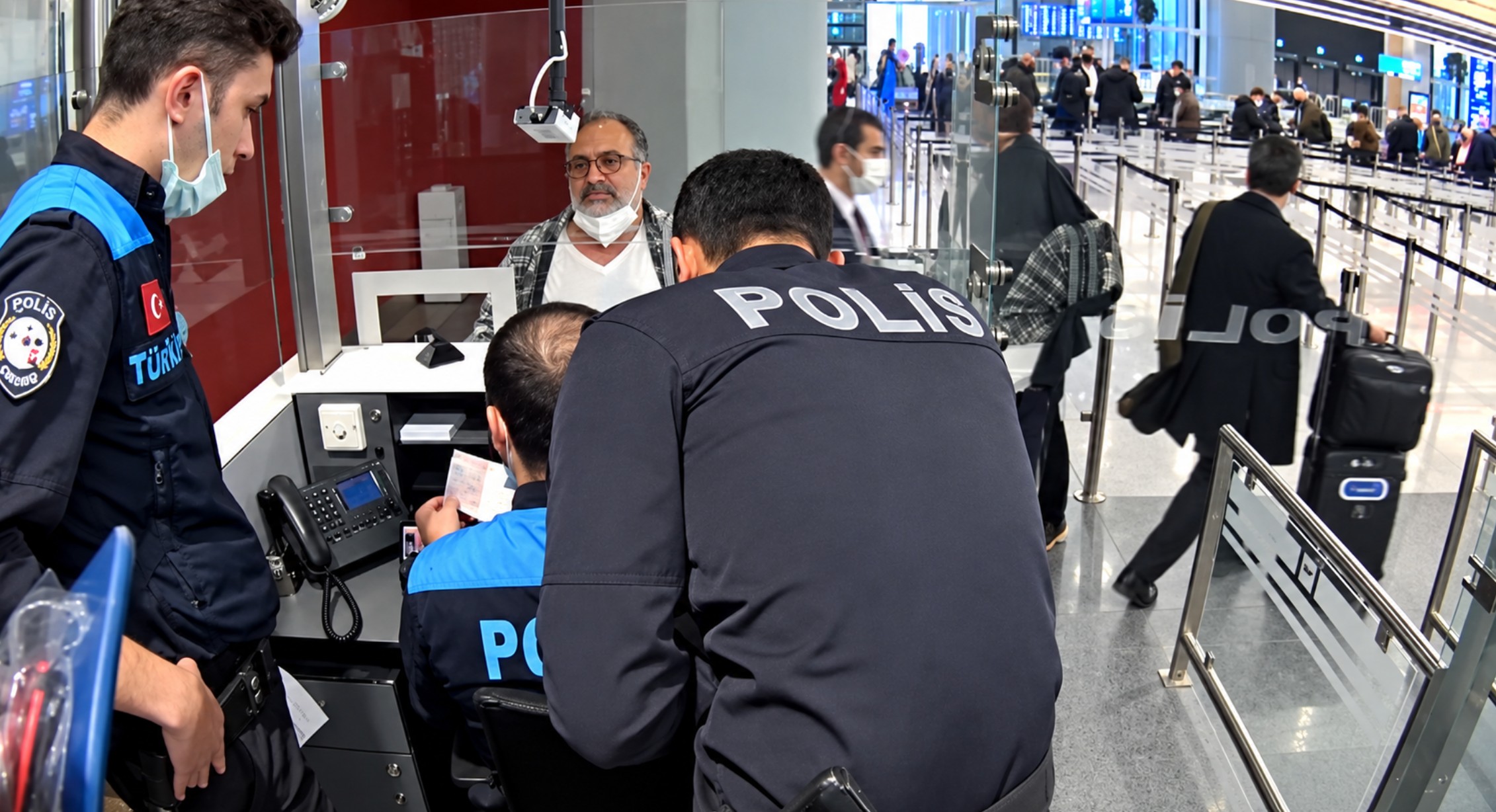
Turkish authorities announced that Leijdekkers was detained on May 16 in Istanbul’s Pendik district during a joint operation by the Istanbul Police and National Intelligence Organization (MİT). Dutch authorities had sought him through an INTERPOL Red Notice on charges tied to money laundering.
Police identified him as the brother of Joseph Johannes Leijdekkers, the Dutch fugitive known in Europe as “Bolle Jos,” one of Europol’s most wanted suspects. Investigators said Wilhelmus Adrianus Leijdekkers was involved in cocaine trafficking with his brother and had acquired assets using proceeds from the narcotics trade.
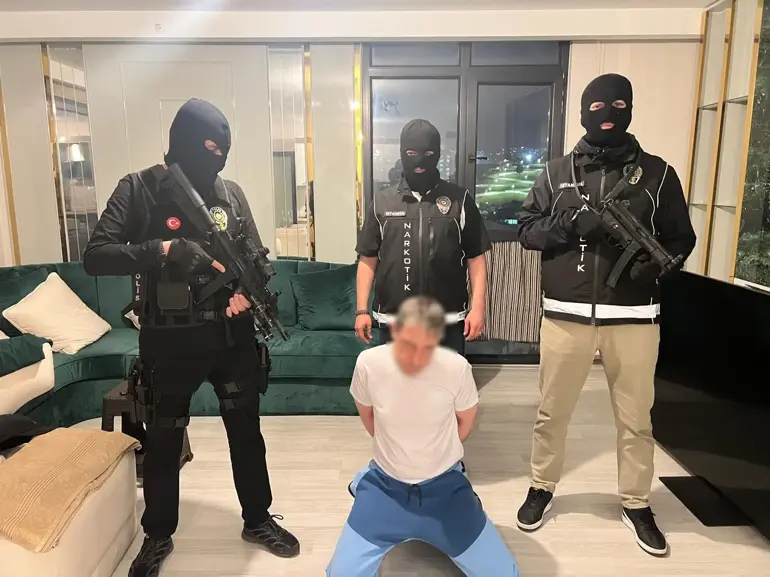
The latest arrest was not his first encounter with Turkish authorities. Wilhelmus Adrianus Leijdekkers had already been detained during earlier Turkish operations targeting the same organization in 2023 and 2024. Prosecutors later sought his re-arrest after his release during trial proceedings, but by then he had disappeared along with other suspects facing extradition requests and lengthy prison terms.
The sequence of arrests, releases, vanished suspects and renewed detentions has intensified questions about how internationally wanted traffickers repeatedly managed to operate inside Turkey despite Red Notices, foreign extradition requests and extensive surveillance files.
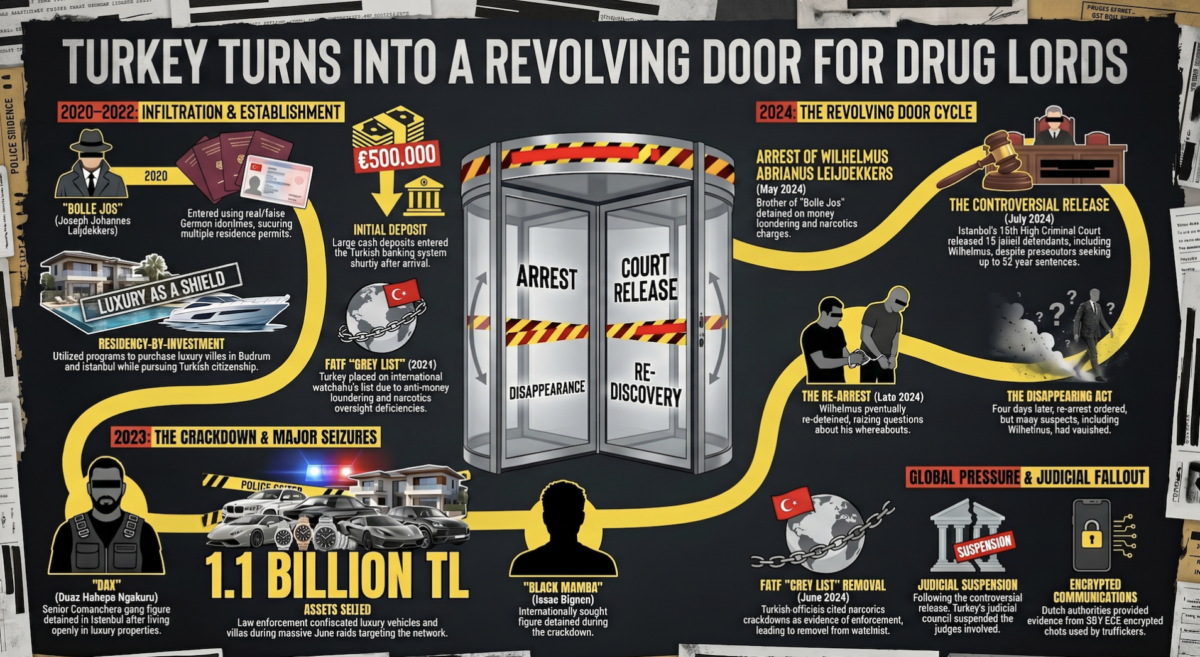
Turkish authorities launched a major crackdown on the Leijdekkers network in June 2023, conducting raids across multiple provinces and seizing assets valued at roughly 1.1 billion Turkish lira. Authorities displayed confiscated luxury vehicles and publicized the operation as evidence of an expanding campaign against transnational narcotics organizations.
Among those detained during the operations were Isaac Bignan, known as “Black Mamba,” and Dutch national Jurean Anthony Finix, both sought internationally.
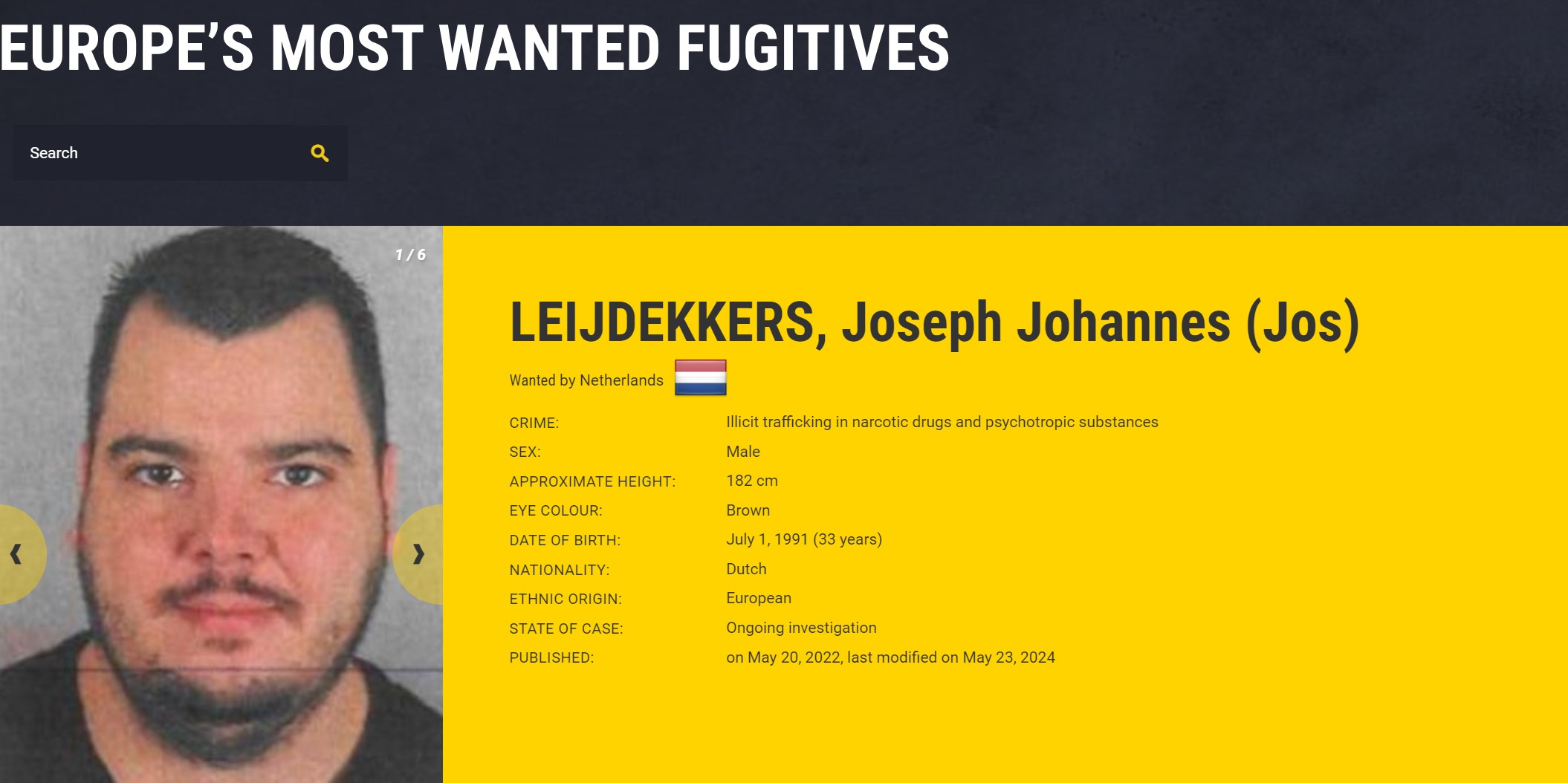
Yet Joseph Johannes Leijdekkers himself was never captured. Court proceedings later produced another controversy. In July 2024 the Istanbul 15th High Criminal Court released 15 jailed defendants tied to the organization despite prosecutors seeking prison sentences of up to 82 years. Several of the suspects were already facing extradition demands from the Netherlands, Belgium and Germany.
Four days later, prosecutors objected to the releases, and another court ordered the re-arrest of seven suspects, including Wilhelmus Adrianus Leijdekkers. By then, however, the defendants had already disappeared.
Turkey’s judicial council later suspended the judges involved in the release decision. The renewed detention of Wilhelmus Adrianus Leijdekkers now raises another unresolved question inside Turkey’s judicial and security system: whether he had actually fled the country after his release or remained in Istanbul despite being sought internationally.
A Turkish government document indicates that a villa purchased by Leijdekkers at the Vogue Bodrum Supreme Hotel resort in Turkey was used to support his application for Turkish citizenship on November 17, 2020:
The broader Leijdekkers case had already exposed how deeply the organization embedded itself in Turkey. Investigative files and court documents showed that Joseph Johannes Leijdekkers entered Turkey in 2020 using both his real identity and an alleged false German identity. Prosecutors later determined that he secured multiple residence permits and Turkish identification numbers while living in luxury villas in Bodrum and Istanbul.
Financial crime reports included in Turkish prosecution files showed large cash deposits moving through the banking system, including a €500,000 deposit shortly after his arrival in Turkey.
The organization also established local business and family connections inside Turkey. Prosecutors identified Turkish associate Abdullah Alp Üstün as a key figure in the network’s operations. Court records showed family ties between Üstün and relatives connected to Leijdekkers.
Despite years of intelligence monitoring and requests from Dutch authorities, the network continued operating in Turkey for an extended period before the first large-scale raids began in 2023.
The case became internationally sensitive after Dutch officials reportedly warned their Turkish counterparts about alleged threats linked to the Dutch royal family and mounting evidence from encrypted SKY-ECC communications used by European trafficking groups.
Turkey’s campaign against the network also coincided with efforts to improve its standing with the Financial Action Task Force (FATF), the international watchdog overseeing money laundering and terrorist financing compliance.
Turkey had been put on FATF’s grey list in 2021 over deficiencies in anti-money laundering controls and oversight. Turkish officials later cited narcotics and financial crime operations as evidence of stronger enforcement efforts before the country was removed from the grey list in June 2024.
Over the last several years Turkey has emerged as a destination for organized crime figures from the Balkans, Eastern Europe, Central Asia and the Middle East, many of whom relocated after crackdowns elsewhere.
Serbian crime boss Jovan Vukotić, leader of the Skaljari clan, was shot dead in Istanbul in 2022 after reportedly living in Turkey under false documentation. Montenegrin and Balkan organized crime groups have repeatedly appeared in Turkish police investigations tied to cocaine shipments moving between Latin America and Europe.
In January 2023 Turkish police detained New Zealand-born Australian national Duax Hohepa Ngakuru, known as “Dax,” in Istanbul, identifying him as a senior figure in the Comanchero motorcycle gang accused of directing international drug trafficking and money laundering operations. Australian investigations linked him to global narcotics networks exposed through the FBI-led ANOM operation, while intercepted communications cited in Australian media reports showed Ngakuru claiming he had enough influence in Turkey to avoid arrest. Authorities said he had been living openly in luxury properties in Istanbul along with other internationally wanted Australian fugitives, reinforcing concerns among foreign investigators that Turkey had become a recurring refuge for transnational organized crime figures.

Turkish authorities have also faced criticism over the country’s citizenship-by-investment and residency programs, which allowed foreign nationals to obtain residence permits and pursue citizenship through real estate purchases.
The Leijdekkers case demonstrated how those mechanisms intersected with international criminal investigations. Prosecutorial documents showed that the Dutch fugitive purchased luxury property in Bodrum while pursuing Turkish citizenship.
The organization’s activities unfolded during a period in which Turkey simultaneously promoted large anti-narcotics operations and expanded financial amnesty policies that enabled foreign currency and undeclared assets to enter the banking system with limited scrutiny over origins.
Europol has identified Turkish-based networks as growing intermediaries in cocaine distribution, money laundering and maritime trafficking operations connecting Latin America, Europe and the Middle East.
For years Turkish officials denied accusations that the country had become a sanctuary for international criminal groups. Yet the chronology surrounding the Leijdekkers network — residence permits, property acquisitions, delayed prosecutions, released defendants and vanished suspects later found again inside Turkey — has reinforced perceptions that major traffickers were able to repeatedly enter, operate and reappear inside the country even while sought abroad.