Abdullah Bozkurt/Stockholm
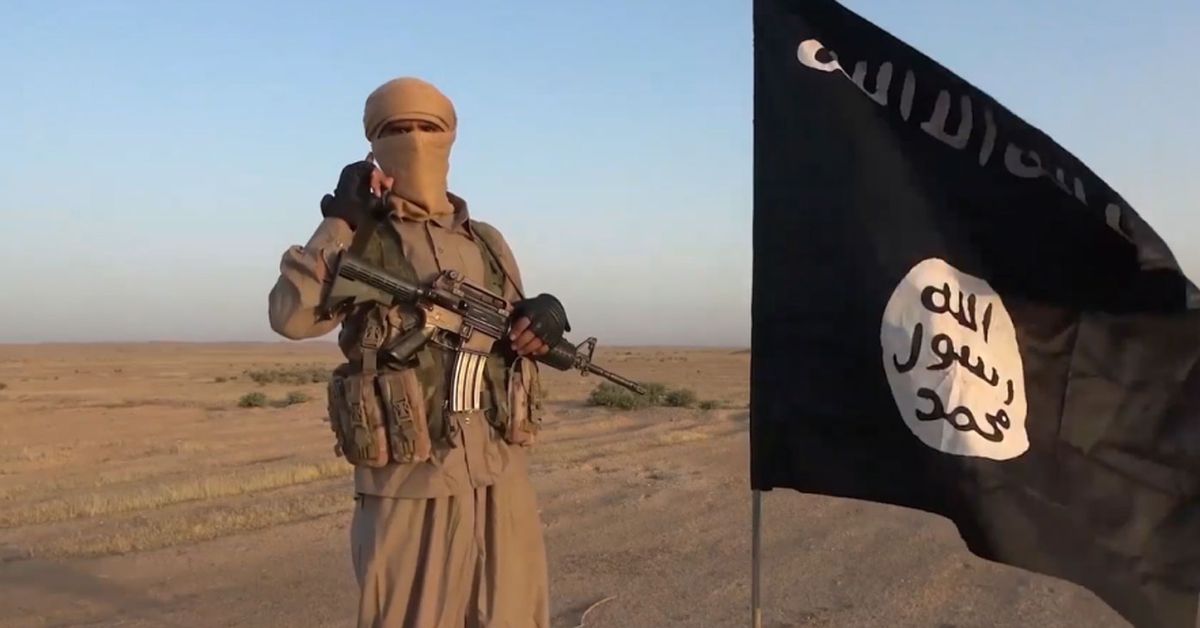
A convicted Islamic State in Iraq and Syria (ISIS) operative used Istanbul for years as a base to recruit foreign fighters, operate safehouses and coordinate their transfer into Syria, according to US federal court records that shed new light on how extremist networks exploited Turkey as a staging ground during the height of the Syrian war.
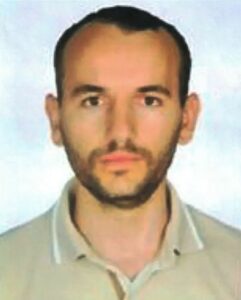
The details emerge from appellate filings and trial records in the case of Mirsad Kandic, an ISIS terrorist who was sentenced to two life terms in prison in the United States after being convicted of providing material support to the terrorist organization.
The documents describe how Kandic spent years operating from Istanbul, where he coordinated the arrival of foreign jihadists and helped move them through Turkey into ISIS-controlled territory.
US prosecutors described him as a trusted facilitator within ISIS’s international support network, responsible for recruitment, logistics and financial transfers. His conviction was later upheld by the US Court of Appeals for the Second Circuit, which rejected his appeal and confirmed the jury verdict.
Kandic, a US resident since 2003 and a Kosovar national, was barred from boarding a Kosovo-bound flight in July 2012 after being put on a no-fly list due to his extremist views. But he ultimately managed to reach Turkey by traveling overland to Mexico and then taking connecting flights through Panama and Brazil before arriving in the country. His co-conspirator, Russian Asainov, who was also convicted of terrorism charges in a separate trial in February 2023, also arrived to Turkey on the same day. The two crossed the Turkish land border and joined ISIS in the area of Haritan, Syria.
Court filings explicitly describe Turkey as a primary entry point used by ISIS facilitators.
“Turkey is a common transit point for foreign fighters traveling to Syria to join ISIS. These individuals typically enter Turkey legally and then are smuggled by facilitators across the border into Syria,” it said. Kandic became one of the facilitators operating inside this system.
Indictment filed with a US federal court in New York against ISIS operative Mirsad Kandic:
For years foreign jihadists traveled through Turkey en route to Syria to join militant groups fighting in the country’s civil war. The pipeline was enabled by the Islamist government of President Recep Tayyip Erdogan, which sought to mobilize anyone willing to fight the regime of Bashar al-Assad, including militants linked to al-Qaeda, ISIS and other jihadist factions.
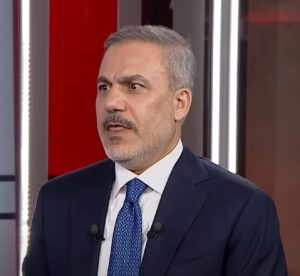
Nordic Monitor has previously published classified documents showing that Turkey’s intelligence agency, the National Intelligence Organization (MIT), under the leadership of Hakan Fidan, now serving as foreign minister, provided material support to jihadist groups and facilitated the travel of foreign fighters to Syria through Turkish territory.
Kandic joined the Jaysh al Muhajireen wal Ansar (JAMWA) brigade, composed principally of foreign fighters and led at the time by Omar al Shishani. JAMWA was later subsumed by ISIS, and Shishani subsequently became the effective ISIS minister of defense, reporting directly to Baghdadi, the ISIS caliph.
After spending time inside ISIS territory and fighting in some battles, Kandic returned to Turkey and became part of the organization’s international recruitment infrastructure. By 2014 Kandic had relocated to Istanbul, where he began coordinating travel and logistics for recruits arriving from abroad. Court records state that Kandic operated one or more safehouses in Istanbul used by incoming ISIS recruits. In the meantime, he travelled back and forth to Syria.
Foreign fighters arriving in Turkey were directed to these apartments before being transported toward the Syrian border. The safehouses functioned as staging points where recruits received instructions and waited for arrangements to enter Syria.
The network also involved another ISIS operative identified in the filings as “Abdullah,”described as the emir responsible for safehouses in Istanbul. Kandic maintained communication with this individual while coordinating travel for recruits. Several ISIS recruits stayed at safehouses personally operated by him, including one family that was a “priority” for him and ISIS because the patriarch of the family had experience as a military aircraft pilot.
Court records also show that Kandic maintained close ties with several senior ISIS figures while operating from Istanbul. Among them was Bosnian militant Baja Ikanovic, who ran one of ISIS’s largest training camps in northern Syria and regularly exchanged voice messages with Kandic, sharing battlefield updates and intelligence. Kandic also maintained connections with Abu Luqman, ISIS’s powerful governor in Raqqa. In addition Kandic claimed links to prominent ISIS propagandists Raphael Hostey and Neil Prakash, both known for recruiting and radicalizing foreign fighters online.
Prosecutors presented extensive digital evidence showing that Kandic ran a large online propaganda and recruitment operation. He controlled more than 120 social media accounts used to promote ISIS and communicate with prospective fighters.
Witnesses during the trial described him as the group’s “Emir of Media,” running multiple Twitter accounts from Istanbul that promoted ISIS content and helped guide recruits seeking to travel to the so-called ISIS.
In one instance an undercover investigator posing as a teenage girl interested in joining ISIS said Kandic advised her on how to obtain secure phones for encrypted communications. Prosecutors said accounts linked to Kandic promoted hundreds of ISIS propaganda videos, including footage glorifying suicide bombings and executions of prisoners.
The appellate ruling upholding the conviction of Mirsad Kandic revealed additional details showing how Turkey functioned as a safe haven for ISIS operations:
ISIS placed particular value on English-speaking recruits such as Kandic because they could translate and spread the group’s propaganda to English-speaking audiences while also benefiting from Western passports that facilitated travel across Europe and other countries.
From Istanbul Kandic encouraged supporters around the world to travel to Turkey and join the group. In conversations cited in the filings, he provided instructions on how to reach the country and avoid attracting attention.
In one exchange he advised a recruit:
“You are a turist on vacation in one of the most visited place in Asia called Istanbul :)” The message reflected how ISIS facilitators coached recruits to present themselves as tourists entering Turkey.
One of Kandic’s recruits was Jake Bilardi, an Australian teenager who became an ISIS suicide bomber. Court filings include messages exchanged between Kandic and Bilardi while the latter was planning his journey.
Bilardi asked whether it was safe to fly directly to Turkey. He wrote: “Is it safe to fly direct to Turkey though or would it look a bit suspicious?” He also asked: “Should I fly to Istanbul or closer to the border?” Kandic advised him to travel to Istanbul.
Bilardi followed the instructions and arrived at Istanbul Atatürk Airport in August 2014. From there he was transported through ISIS networks into Syria. Bilardi later carried out a suicide bombing in Iraq in March 2015 that killed 30 people, part of a coordinated ISIS attack involving multiple bombers.
Prosecutors argued that Kandic’s guidance and logistical assistance enabled the teenager’s path to the battlefield.
A key cooperating witness at Kandic’s trial, his former female companion Azra Delja, testified that she traveled to Turkey hoping to reach ISIS territory in Syria after becoming radicalized online and believing life under sharia law would offer a safe Muslim community. She described how Istanbul served as a transit hub for would-be ISIS recruits, recalling a crowded safehouse filled with individuals waiting to cross into Syria.
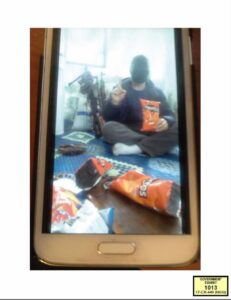
After meeting Kandic in Istanbul, she said he operated a safehouse for those seeking to make hijra (a religious migration for supporters to leave their home countries and relocate to ISIS-held areas) and helped produce counterfeit identification cards to help recruits pass checkpoints on their way to the Syrian border. Delja also testified that Kandic used encrypted messaging and social media to spread ISIS propaganda, took steps to avoid surveillance and worked with foreign associates to smuggle equipment and supplies into Syria for ISIS fighters.
While operating from Turkey, Kandic also helped transfer money to ISIS territory. Court records state that he transferred more than $8,000 from Istanbul to Mosul, which was under ISIS control at the time. These funds were intended to support ISIS fighters and operational activities.
In addition to funds transfers, Kandic helped recruits arrange travel logistics, including obtaining documentation and coordinating contacts. The documents indicate that ISIS facilitators in Istanbul monitored law enforcement activity. At one point Kandic received a warning from an associate telling him “not to leave the city because these cops blocked [certain areas].”
The message suggests that ISIS members operating in Istanbul were aware of police operations and adjusted their movements accordingly. That means ISIS was receiving information about law enforcement actions from inside the Turkish government, most likely from intelligence agency MIT, which had been running clandestine operations to help jihadists cross into Syria without coordination with the police.
In fact, while Kandic was running ISIS operations out of Turkey, MIT agents were twice intercepted in Turkish border provinces near Syria in January 2014 by police and gendarmerie units while transporting truckloads of heavy weapons to jihadist groups.
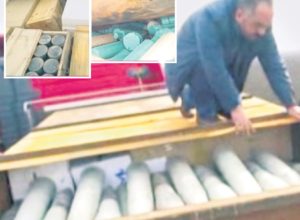
Turkish prosecutors launched terrorism investigations into the illegal shipments amid allegations that the arms were destined for al-Qaeda-linked groups in Syria. However, the Erdogan government intervened and shut down the probes, dismissing prosecutors as well as police and military officers who had been involved in the investigation.
Some of those who participated in intercepting the shipments were later imprisoned by the Erdogan government on fabricated charges in an apparent effort to intimidate law enforcement and the judiciary from pursuing investigations into MIT’s illegal activities.
Evidence presented during the US trial showed that Kandic helped coordinate the travel of recruits from several countries including Australia, the US, the United Kingdom and various European states. He had provided hundreds of false Turkish identity documents, known as kimlik in Turkish, to facilitate ISIS people’s travel inside Turkey.
After arriving in Turkey, they were moved through the safehouse network before being transported toward the Syrian border. The filings describe how Kandic frequently instructed recruits to contact him once they arrived in Istanbul so he could connect them with ISIS facilitators.
Kandic eventually fled Turkey as authorities finally started to take some action on ISIS networks after mounting global pressure on Ankara and the 2017 deadly ISIS nightclub attack in Istanbul that killed 39 people. He traveled to Bosnia and Herzegovina using false identification documents.
In a complaint and affidavit filed with the US District Court for the Eastern District of New York in April 2016, FBI Special Agent Robert J. Elmen, who specializes in counterterrorism investigations, wrote that Turkey had become a major transit hub for foreign fighters heading to Syria.
“Based on my knowledge, training and experience, Turkey is a common transit point to obtain entry into Syria,” Elmen stated, noting that many citizens of Western countries traveling from the United States and Europe to join ISIS had followed a route in which they entered Turkey legally and were then smuggled across the border into Syria by facilitators.
Bosnian authorities arrested Kandic in Sarajevo in June 2017. He was later extradited to the US, where federal prosecutors charged him with multiple terrorism offenses in August 2017. After a multi-week trial in federal court in Brooklyn during which he admitted to being an ISIS member but denied involvement in violence, a jury convicted him on all counts. He received two life sentences plus additional concurrent prison terms.
In 2025 the US Court of Appeals for the Second Circuit upheld the conviction, rejecting arguments raised by his defense.
The Kandic case provides rare courtroom documentation of how ISIS logistics networks operated in Turkey during the early years of the Syrian war. Between 2013 and 2016 thousands of foreign fighters traveled through Turkey on their way to join ISIS.
Most entered the country legally through international airports before being transferred through clandestine networks toward the Syrian border. Istanbul served as a key coordination hub where ISIS facilitators arranged housing, transportation and contacts for incoming recruits.
The Kandic prosecution illustrates how those networks functioned on the ground — using safehouses, airport pickups and smuggling routes to sustain a steady flow of foreign fighters heading to ISIS-controlled territory.