
Abdullah Bozkurt/Stockholm
The father-in-law of Turkish President Recep Tayyip Erdogan’s younger son has quietly built a nationwide civilian network that resembles a de facto paramilitary structure designed to mobilize loyalists in support of the government during periods of political unrest, according to internal communications, organizational records and information reviewed by Nordic Monitor.
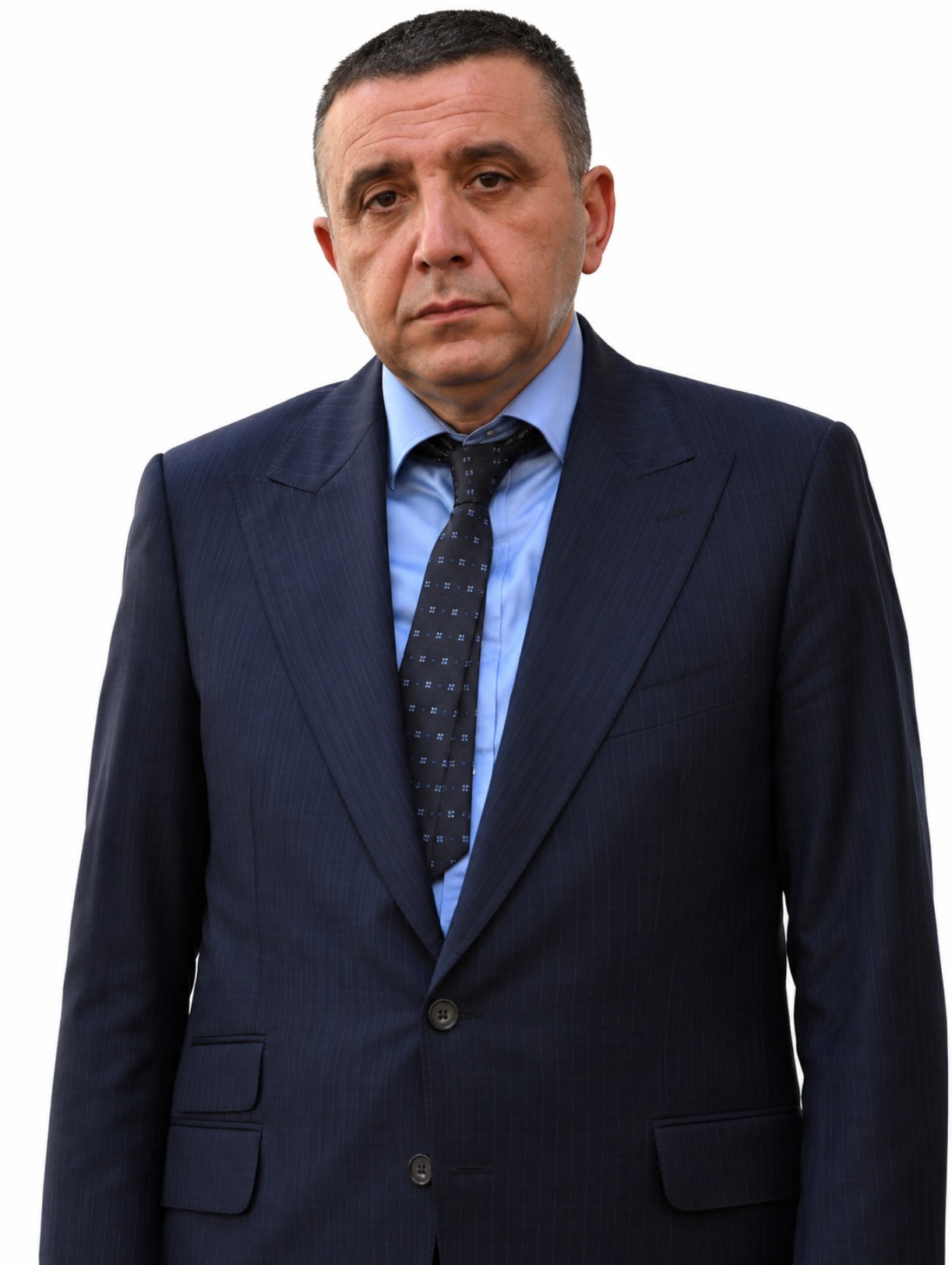
The network is led by Orhan Uzuner, whose 17-year-old daughter, Reyyan Uzuner, married Necmettin Bilal Erdogan, the president’s younger son, in 2003. Established in the aftermath of a false flag coup attempt in July 2016, the organization has expanded steadily over the past decade through support from government agencies, municipalities controlled by the ruling Justice and Development Party (AKP) and a web of pro-government civic organizations.
Operating publicly through two platforms — Kardeş Kal Türkiye (Stay as Brothers Turkey) and the Türkiye Yara Sar Acil Durum İletişim ve Haberleşme Derneği (Turkey Emergency Communication and Relief Association) — the network presents itself as a volunteer organization focused on emergency response, disaster preparedness and crisis communications.
However, interviews with confidential sources and internal communications indicate that its activities extend well beyond disaster-relief training and include efforts to establish rapid mobilization capabilities among government supporters across the country.
The organization’s growth reflects broader efforts by the Erdogan government to cultivate loyal civilian structures outside traditional state institutions, particularly following the mass purges of well over 100,000 government employees that reshaped Turkey’s military, police, judiciary and bureaucracy after 2016.
The initiative was justified against the backdrop of an extensive government campaign that portrayed the mobilization of civilians against alleged putschist soldiers on the night of July 15, 2016, as proof that citizen networks can play a decisive role during national crises. Critics of the government’s narrative, however, argue that the civilian mobilization was itself facilitated and directed through intelligence-linked channels at the time in an effort to create the impression of overwhelming public support for President Erdogan and his government.
According to official figures, only a small fraction of Turkey’s armed forces — estimated at roughly 1.5 percent of total military personnel — participated in the events of that night. Many military units were deployed under the pretext of responding to an imminent security threat, but key elements normally associated with a military coup were absent, including the detention of senior political leaders, the seizure of the government apparatus and the establishment of a functioning military command structure to coordinate a takeover.
The failed coup narrative was subsequently used by Erdogan’s government to justify extraordinary measures that had long been contemplated. The chaotic events of July 15 provided the political environment for sweeping purges across state institutions, a broad crackdown on opposition groups, the imprisonment of journalists and the closure of more than 200 media outlets. These measures enabled the government to further consolidate its control over key state institutions and strengthen its grip on power.
Stay as Brothers’ establishment was intended to provide an additional layer of protection for the government in the event of large-scale anti-government demonstrations, social unrest, voter backlash or political instability in the future.
The government frequently cites the mobilization of civilians against putschist soldiers during that night as proof that citizen networks can play a decisive role during national crises.
Uzuner and his associates appear to have sought to institutionalize that model by building a permanent nationwide structure capable of rapid mobilization through local chapters, volunteer coordinators and communication networks.
While Stay as Brothers does not appear to exist as a formally registered legal entity and primarily operates through social media platforms and messaging applications, the Yara Sar association, also led by Uzuner, is an officially registered organization licensed by the Interior Ministry.
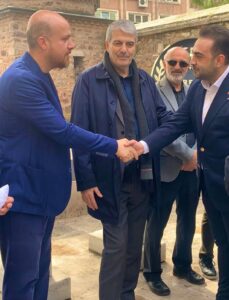
Government support for the initiative has so far been quite substantial. Deputy Interior Minister Bülent Turan, a key figure in Erdogan’s ruling AKP, is reported to have played a significant role in facilitating coordination between the network and state institutions, particularly law-enforcement bodies.

Internal communications indicate that the network has maintained close contacts with the National Police, including a specialized police force, as well as other government agencies.
The group has worked with officials from Turkey’s Information and Communication Technologies Authority (BTK) to establish secure communication channels among members. Such communications infrastructure would allow rapid dissemination of instructions and coordination during emergencies or mass mobilization efforts.
Sources familiar with the organization say local municipalities controlled by the ruling AKP have provided logistical support, meeting venues, transportation assistance and funding for various activities.
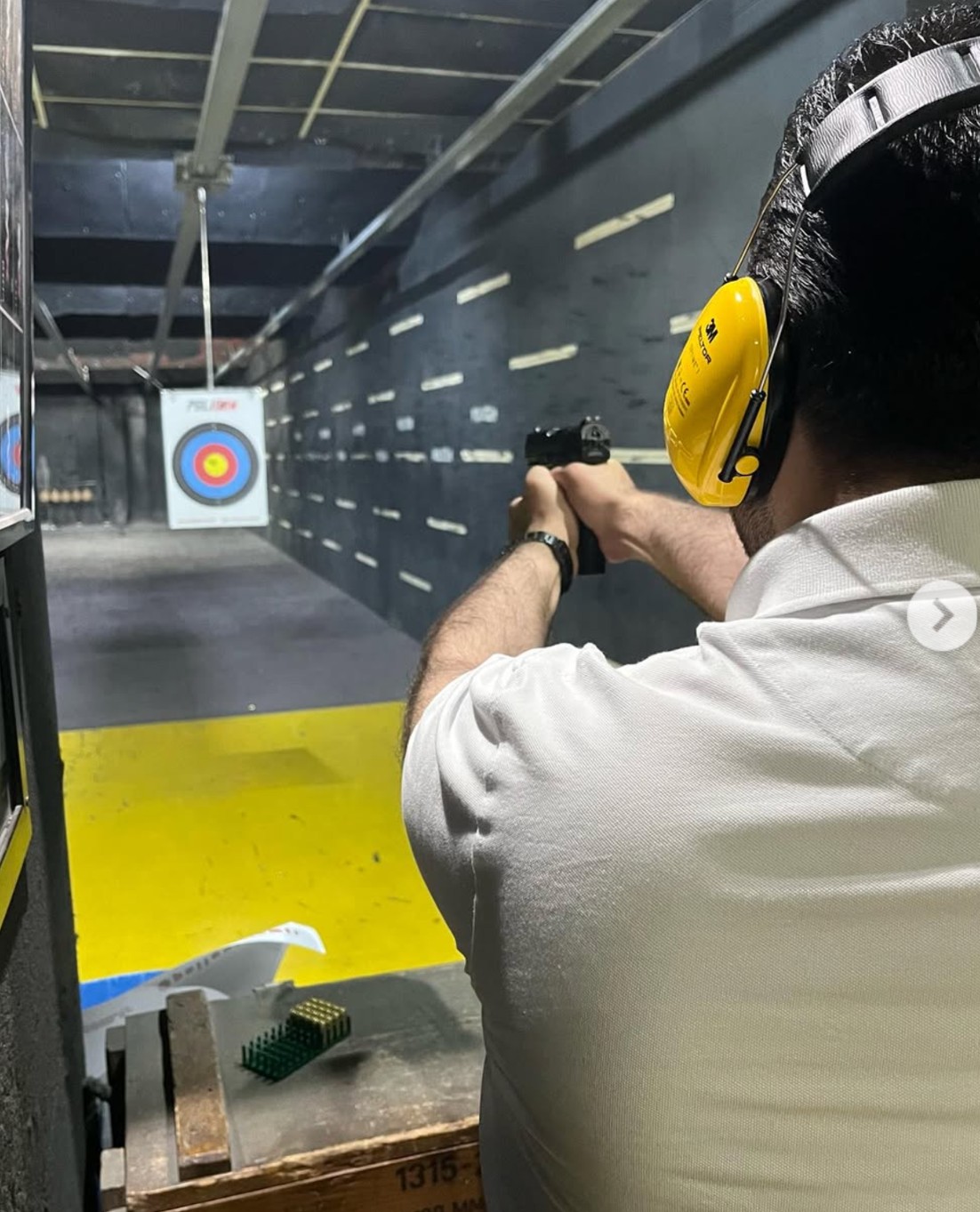
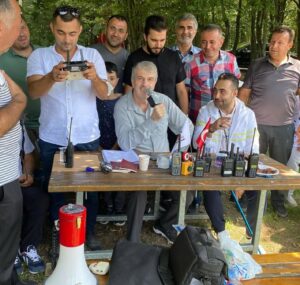
Training camps have been regularly held in venues away from public scrutiny in multiple provinces including Bolu, Sakarya and Karabük. Participants receive instruction in combat fighting, sabotage, surveillance, emergency response, communications, crisis management and organizational discipline. Uzuner himself has frequently attended these boot camps and addressed participants.
Photographs and videos from some of the gatherings show participants engaging in activities resembling structured field exercises including launching drones for surveillance activity although organizers publicly characterize them as disaster-preparedness training.
The organization has consistently denie accusations that it functions as a paramilitary force or that it provides weapons training to members.
Nevertheless, concerns have been fueled by statements made in private communications among members. Uzuner himself acknowledged in restricted WhatsApp groups that members could gain access to firearms if circumstances required it.
Such statements have intensified scrutiny of the organization’s true purpose and operational capabilities. Even indirect references to access to weapons are incompatible with the group’s public portrayal as a purely humanitarian and emergency-response initiative.
A key factor behind the network’s rapid expansion appears to be its ability to recruit members through a broad ecosystem of Islamist and nationalist organizations aligned with the Erdogan government.
Recruitment efforts have focused on members and supporters of organizations such as Cihannüma, the ÖNDER Imam Hatip Graduates Association, the Birlik Foundation and the Ensar Foundation, all of which maintain close ties to Turkey’s conservative religious establishment and the ruling party.
By attracting volunteers from already established networks, organizers have been able to create local chapters across multiple provinces without having to build organizational infrastructure from scratch.
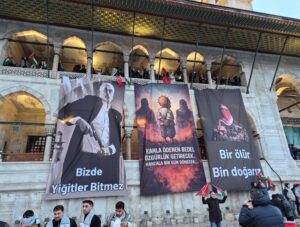
The organization’s social media presence on X and Instagram reflects a strongly ideological orientation characterized by anti-Western rhetoric and frequent expressions of support for Palestinian militant groups. Posts and campaign materials reviewed by Nordic Monitor show that the network regularly promotes narratives critical of the United States, Israel and Western governments while highlighting themes of Islamic solidarity and resistance.
Its social media accounts have also featured content praising Hamas and commemorating members of the group’s military wing, the Izz ad-Din al-Qassam Brigades. In several instances, slain Hamas commanders have been portrayed as heroic figures and presented as role models for followers.
Such messaging indicates that the organization’s public communications go beyond humanitarian or civic activism and instead promote a distinctly political and ideological agenda aligned with Islamist movements supported by Turkey’s ruling establishment.
The organization’s online campaigns frequently blend religious, nationalist and antisemitic themes, helping to reinforce its appeal among conservative and Islamist constituencies while further distinguishing it from conventional emergency-response or disaster-relief organizations.
In the meantime Uzuner has significantly expanded his business interests over the past decade, benefiting from government contracts awarded during a period in which his family ties to President Erdogan increased his influence and access. Many of these contracts were awarded through limited-tender or no-bid procurement procedures, allowing companies linked to Uzuner and his associates to secure substantial public funds. As a result Uzuner is said to have accumulated considerable wealth, with the value of contracts awarded to businesses connected to his network reaching hundreds of millions of Turkish lira.

A key figure in managing and expanding Uzuner’s commercial operations is Fatih Ural, a longtime associate and protégé. Ural previously served in a managerial position in the Stay as Brothers network before taking on a more prominent role in overseeing business ventures linked to Uzuner’s circle.
Ural has become one of the principal operators coordinating commercial activities, helping to manage relationships between the network’s civic, political and business interests.
The exact scope and financial structure of these ventures remain unclear. However, government records and procurement documents indicate that companies linked to Uzuner have generated substantial revenue through public contracts over the past decade. The volume and value of these contracts suggest that his business network accumulated significant financial resources, benefiting in part from privileged access to government-funded projects.
While there is no public accounting of how these funds were ultimately used, the scale of the revenue raises questions about whether some of the proceeds may have helped sustain the activities of organizations associated with Uzuner.

The financial resources generated through his commercial enterprises may have contributed to expanding organizational operations, funding events and training programs and strengthening loyalty networks among members and supporters. The overlap between business interests, political connections and civic organizations has fueled concerns about the extent to which public resources may have indirectly supported structures operating outside formal state institutions.
The emergence of semi-official civilian formations has long been a source of controversy in Turkey. Opposition politicians and human rights advocates have repeatedly warned against the creation of parallel security structures operating outside normal chains of command and accountability.
They argue that organizations capable of mobilizing large numbers of ideologically committed supporters could be used to intimidate political opponents, influence public demonstrations or intervene during periods of political turmoil.
Supporters of the network reject such criticism, insisting that their activities are focused exclusively on disaster preparedness, social solidarity and emergency communications.
Yet the combination of nationwide recruitment, close coordination with state institutions, a secure communications infrastructure and allegations regarding access to firearms has continued to fuel debate over whether the organization represents a civilian volunteer movement or a politically loyal force designed to protect the Erdogan government during moments of crisis.
As Turkey approaches an increasingly uncertain political future amid a worsening economic outlook and an ever-expanding crackdown on opposition groups, questions surrounding the role, capabilities and purpose of such organizations are likely to attract greater public scrutiny.