
Levent Kenez/Stockholm
Turkish President Recep Tayyip Erdogan this week delivered one of his strongest warnings on Cyprus in recent months, telling lawmakers that any attempt to undermine the rights of Turkey or the Turkish Cypriots in the eastern Mediterranean would draw a “very clear” and “very harsh” response.
The remarks came after a series of diplomatic, military and geopolitical developments that have increased concern in Ankara about what Turkish officials see as a changing balance around Cyprus and the wider eastern Mediterranean.
The immediate trigger was a defense cooperation agreement signed between France and the Republic of Cyprus on June 8, 2026. The agreement expands military coordination, defense industry cooperation, joint exercises and personnel exchanges between the two countries, deepening a relationship that has steadily grown over recent years.
The Turkish Defense Ministry on June 11, 2026, argued that the agreement risks altering the island’s existing security equilibrium and emphasized that Turkey remains committed to protecting Turkish Cypriot interests as one of the island’s guarantor states, a status derived from the 1960 treaties that gave Turkey, Greece and the United Kingdom limited rights and responsibilities over Cyprus. Yet the French-Cypriot agreement was only the latest in a succession of developments that have attracted attention in Ankara.
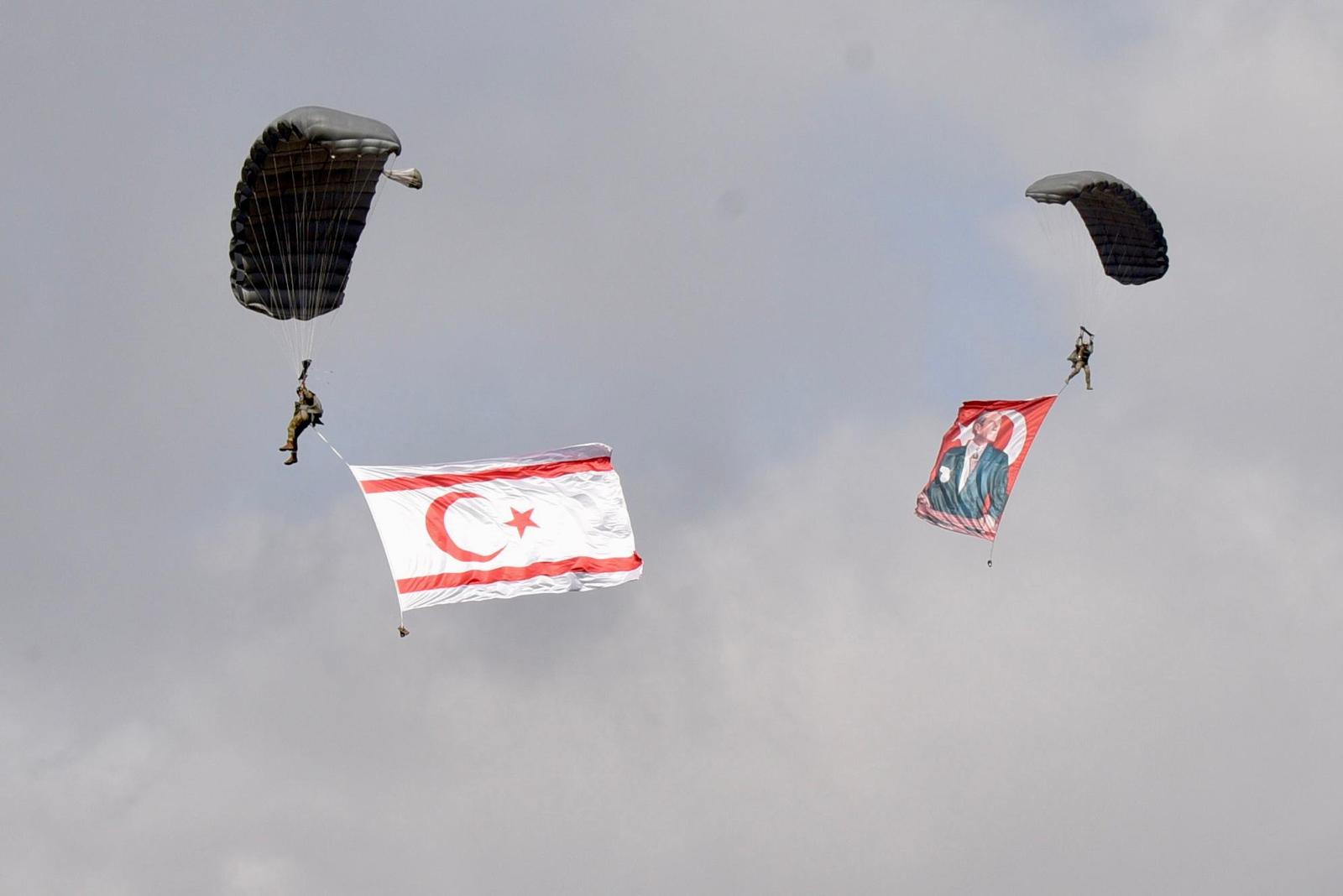
The Turkish Republic of Northern Cyprus (KKTC), a self-declared breakaway state, is described in Ankara’s 2026 aid package as a forward position in Turkey’s broader regional security posture, including tensions involving Israel:
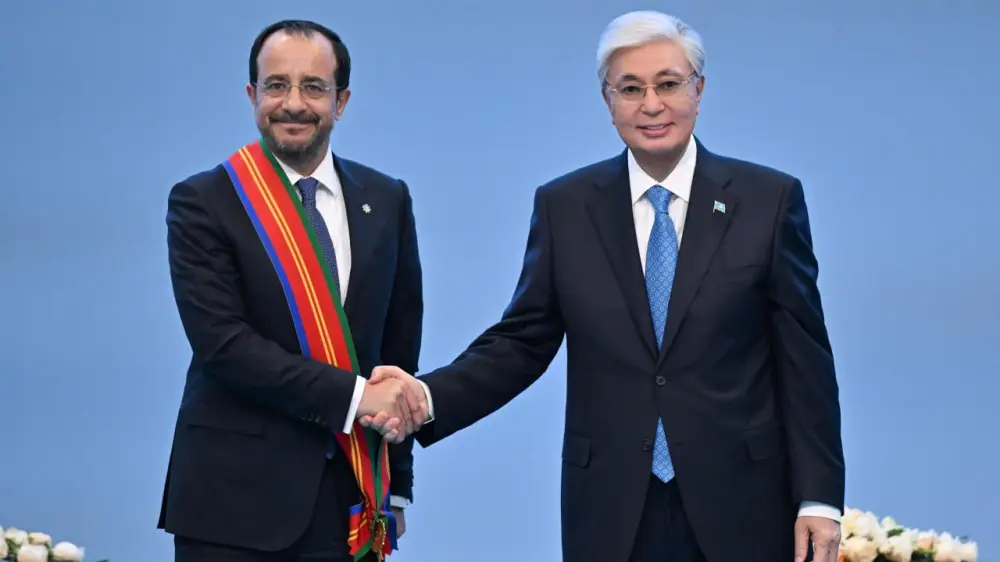
In recent months Cyprus has accelerated diplomatic engagement with Central Asian countries that Turkey has traditionally regarded as part of its closest political and cultural sphere. The trend became particularly visible during Cypriot President Nikos Christodoulides’ visit to Kazakhstan, where he received one of the country’s highest state honors from President Kassym-Jomart Tokayev.
The ceremony carried symbolic significance beyond bilateral relations. Tokayev praised Cyprus’s international standing and expressed support for expanding cooperation between the two countries. The visit also coincided with efforts to deepen diplomatic representation and economic ties between Kazakhstan and Cyprus.
For Ankara the optics were difficult to ignore. Turkish policymakers have spent years promoting closer coordination among Turkic states and encouraging support for northern Cyprus in regional organizations. The emergence of warmer relations between several Central Asian capitals and Cyprus has therefore been closely monitored by Turkish officials.
The issue carries added sensitivity because it follows Turkey’s successful effort in 2022 to secure observer status for northern Cyprus in the Organization of Turkic States. Since then, several Central Asian governments have simultaneously strengthened contacts with the European Union and expanded engagement with the internationally recognized Republic of Cyprus.
The diplomatic momentum has not been limited to Kazakhstan. Cyprus has increased outreach across Central Asia, seeking to build political and economic partnerships at a time when European governments are also expanding their presence in the region. The result has been a more active Cypriot diplomatic profile in an area where Turkey has traditionally enjoyed significant influence.
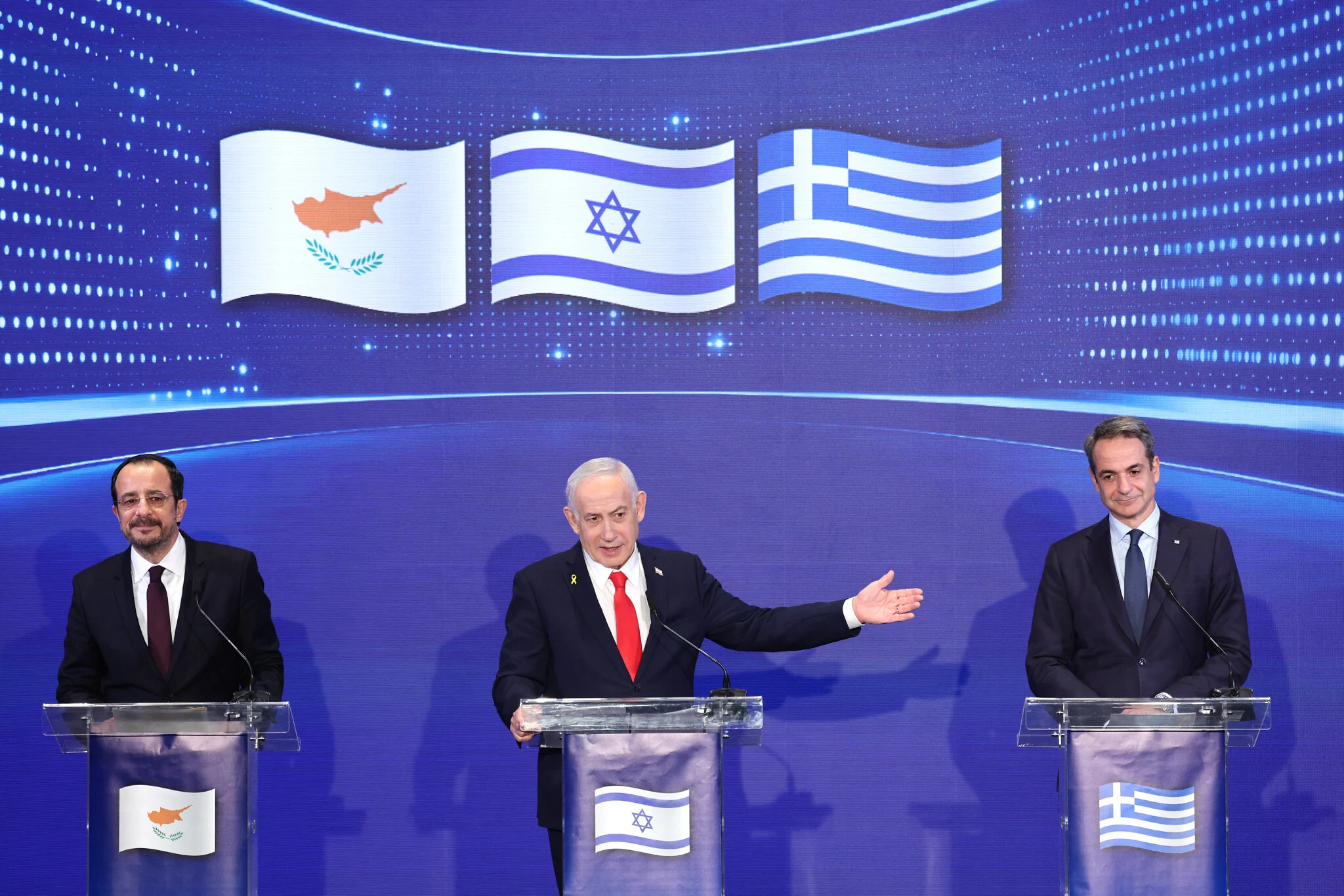
At the same time, another trend has been unfolding in the eastern Mediterranean. Relations among Israel, Greece and Cyprus have continued to deepen through defense cooperation, energy projects and regional security initiatives. The three countries have developed increasingly close strategic ties over the past decade while maintaining regular political and military consultations.
The relationship gained additional importance following the Gaza war and broader regional instability involving Iran and Israel. Cyprus has emerged as a logistical hub for humanitarian operations and regional coordination efforts, while European countries have increased their military presence on the island.
French military deployments to Cyprus in recent years reflected that broader shift. Paris has described its activities as contributing to regional stability and supporting operational requirements in the eastern Mediterranean and Middle East.
Turkish strategic planning, however, increasingly views Cyprus through the lens of a wider regional security competition. A cooperation agreement signed earlier this year between Turkey and northern Cyprus reflected that thinking in unusually explicit terms.
The document linked developments on the island to a broad arc of geopolitical tensions extending from Gaza and Syria to Iran, the eastern Mediterranean and Central Asia. It argued that Cyprus should no longer be viewed as an isolated dispute but as part of a larger contest involving military positioning, maritime routes, energy resources and regional influence.
Nearly half of the Turkish financial assistance package allocated to northern Cyprus for 2026 was earmarked for defense-related spending, illustrating the growing role security considerations play in Ankara’s approach to the island.
The agreement also portrayed northern Cyprus as a strategic partner whose future is increasingly tied to wider regional dynamics. The document linked Cyprus to conflicts and rivalries stretching from Gaza and Iran to the eastern Mediterranean, reflecting Ankara’s growing view that the island has become part of a broader regional confrontation in which tensions with Israel are an increasingly important factor.
Against that backdrop Erdogan’s latest comments appeared designed not only as a reaction to the French-Cypriot defense agreement but also as a response to a broader sequence of developments that Turkish officials see as reducing Ankara’s room for maneuver around Cyprus.
Notably, Erdogan refrained from directly naming France during his remarks despite the timing of the statement. The omission comes as Ankara and Paris continue discussions on potential defense cooperation, including renewed talks involving the SAMP/T air defense system.
The possibility of progress on that project has emerged ahead of the NATO summit to be held July 7-8, 2026 in Ankara, where alliance members are expected to focus on European defense capabilities, regional security and military procurement. Publicly targeting France by name would risk creating additional friction at a moment when both governments are exploring areas of practical cooperation despite longstanding disagreements in the eastern Mediterranean.
The timing is also significant because Turkey has sought to avoid major disputes with NATO allies ahead of the summit while continuing to defend its positions on Cyprus, maritime jurisdiction and regional security issues.

In recent months Ankara has pursued a careful balancing strategy. Turkish officials have maintained dialogue with European partners, worked to improve relations with several regional actors and continued defense industry discussions with countries whose policies on Cyprus often diverge sharply from Turkey’s own.
At home Cyprus remains one of the few foreign policy issues capable of generating broad political consensus. Turkish governments of different political backgrounds have historically treated the protection of Turkish Cypriots as a core national interest, with developments on the island continuing to receive close public attention.
The issue could acquire additional political relevance as Turkey moves closer to future electoral cycles. Questions involving national sovereignty, maritime rights and Cyprus have traditionally resonated with voters across ideological lines.
Recent discussions surrounding maritime policy have added another dimension. Turkish authorities have delayed some initiatives associated with maritime jurisdiction claims as broader diplomatic priorities, including NATO-related considerations, take precedence.
Taken together, the French-Cypriot defense accord, expanding Central Asian engagement with Cyprus, Kazakhstan’s honoring of Christodoulides and the continuing convergence among Israel, Greece and the Republic of Cyprus have contributed to a perception in Ankara that the strategic environment around the island is changing.