
Levent Kenez/Stockholm
A newly enacted $30 million grant agreement between Turkey and Somalia has brought renewed scrutiny to a long-running financial relationship that has continued uninterrupted since 2016, even as economic hardship inside Turkey fuels public debate over overseas spending.
The agreement, signed in Mogadishu on April 1, 2026, and published in Turkey’s Official Gazette on May 1, authorizes Ankara to provide Somalia with up to $30 million in non-repayable funding. The money will be disbursed in monthly installments capped at $2.5 million, and Somali authorities are required to submit reports detailing how the funds are used.
Although the announcement has attracted attention, the structure and purpose of the grant are not new. Turkey has been extending nearly identical financial packages to Somalia for years, forming a steady and predictable stream of budgetary support.
Data compiled by Nordic Monitor shows that the first grant in this format was signed on May 31, 2016, totaling $24 million. This was followed by a $30 million agreement in 2017. Additional grants were signed in 2019, 2021 and 2023, each valued at $30 million. The latest 2026 agreement continues this pattern, bringing the total value of publicly disclosed grants since 2016 to at least $174 million.
These agreements consistently define the purpose of the funding as supporting Somalia’s national budget and strengthening institutional capacity. In practice the funds are widely used to cover core government expenditures, including salaries for public employees and routine administrative costs in a country still recovering from decades of instability.
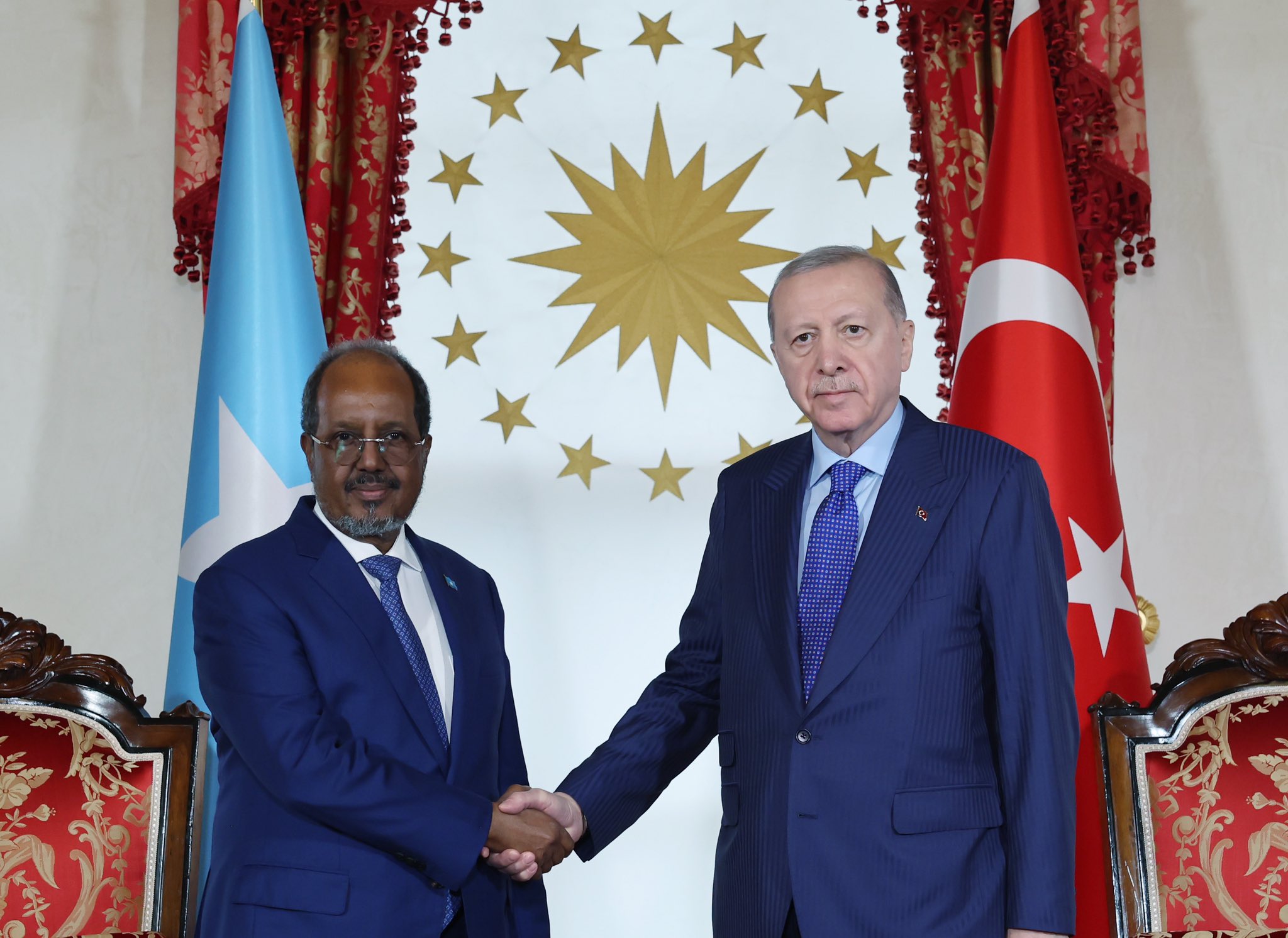
Turkey’s sustained financial support reflects a broader strategy that has transformed its relationship with Somalia over the past 15 years. Ankara has become one of the most influential external actors in the country, combining humanitarian assistance with military cooperation and economic investment.
In July 2022 President Recep Tayyip Erdogan said Turkey’s total humanitarian and development assistance to Somalia had exceeded $1 billion over the previous decade. This figure includes not only direct grants but also infrastructure projects, emergency aid and long-term development programs.
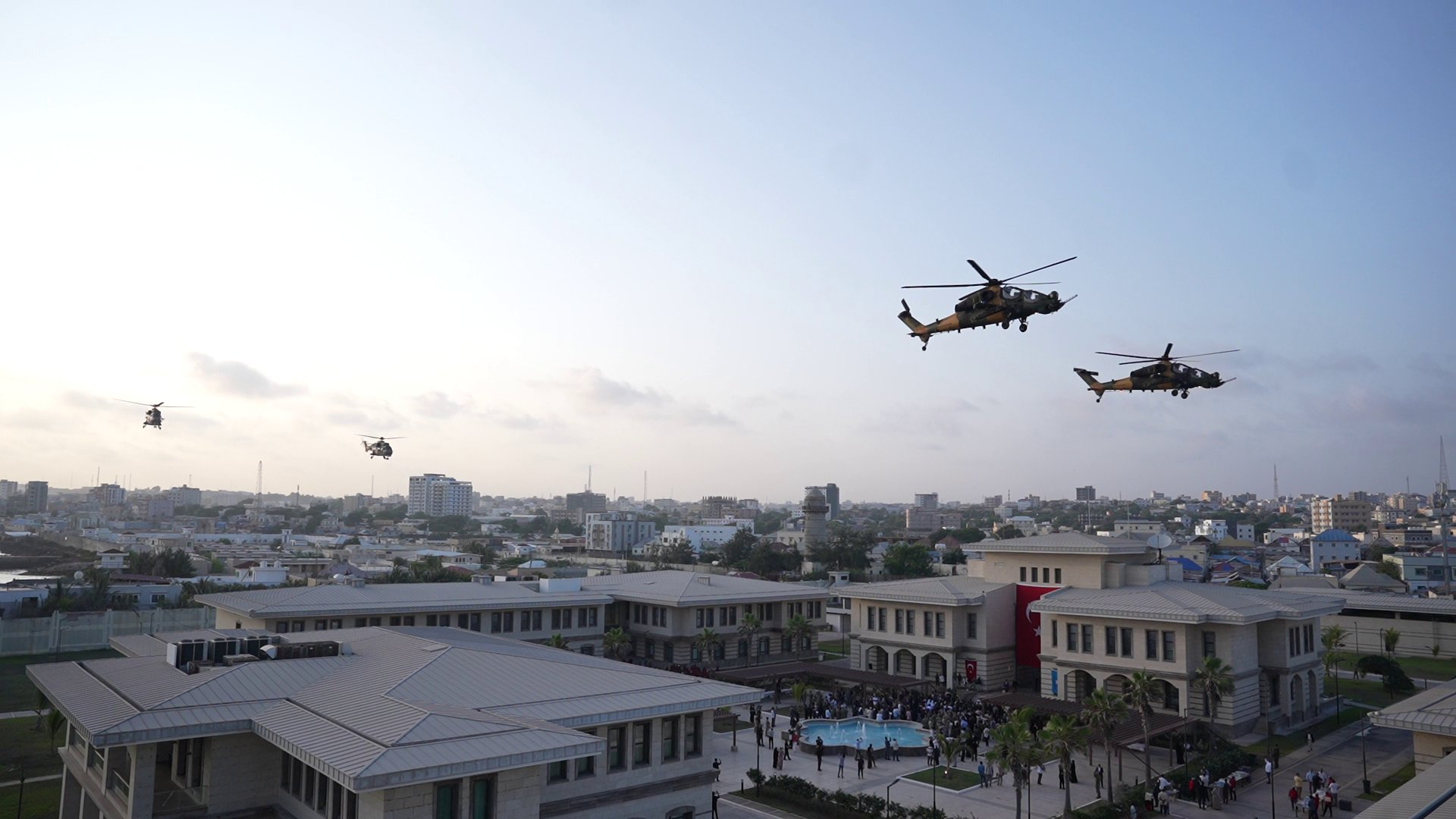
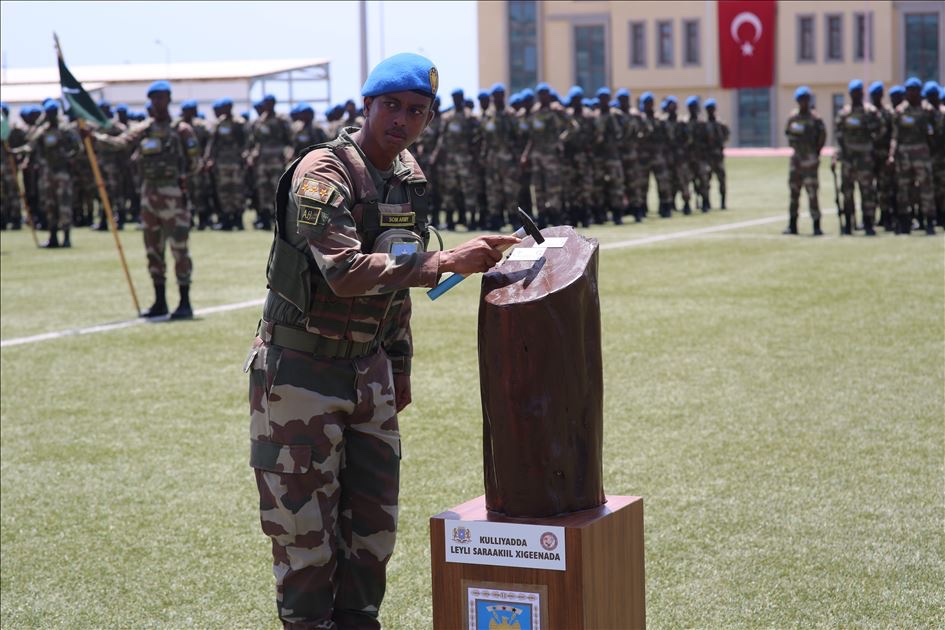
Turkey’s presence in Somalia extends well beyond funds transfers. Since 2017 it has operated its largest overseas military training base in Mogadishu, where Somali forces receive training designed to improve operational effectiveness. Among the units trained are the Gorgor special forces, which are actively involved in counterterrorism operations against al-Shabab.
Training programs include the use of armored vehicles, coordination between infantry and mechanized units and battlefield mobility. The goal is to strengthen Somalia’s ability to conduct independent security operations and reduce reliance on foreign peacekeeping forces.
Defense cooperation has expanded further through formal agreements. A deal signed in February 2024 includes provisions for Turkey to assist in protecting Somalia’s territorial waters for 10 years. The agreement also supports efforts to develop maritime resources, linking security cooperation with economic interests.
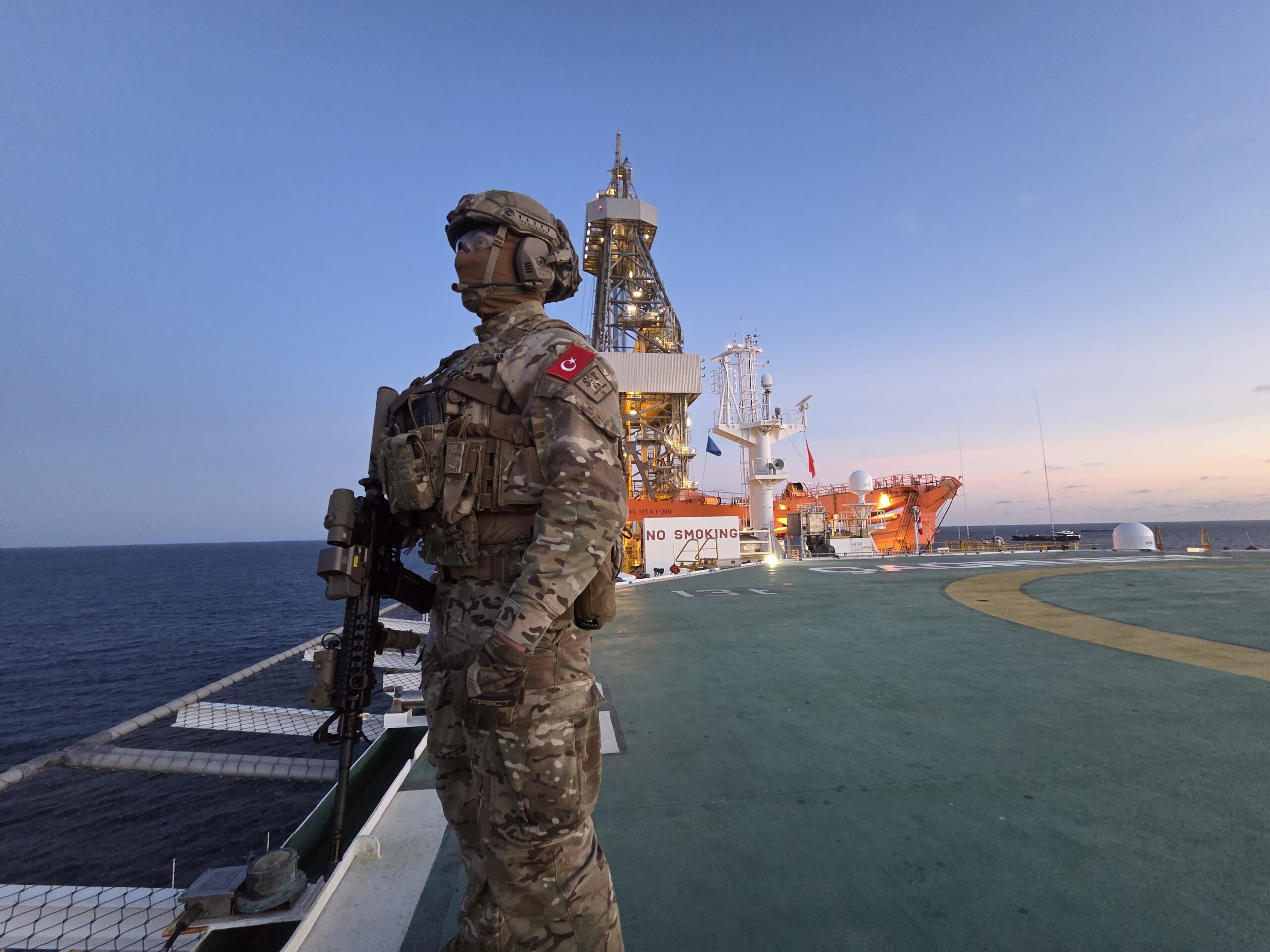
Energy exploration has become an increasingly important component of the partnership. Turkey has shifted part of its energy exploration focus to Somalia following disputes with the European Union in the eastern Mediterranean over oil and natural gas exploration linked to Cyprus. In early 2026 Turkey sent its newest drilling vessel, the Çağrı Bey, to Somali waters, marking Turkey’s first offshore energy operation outside its own maritime jurisdiction and signaling growing interest in Somalia’s potential oil and gas reserves. Turkish naval vessels have been deployed to support and protect these exploration activities in the Gulf of Aden and surrounding waters. These deployments underline the strategic importance Ankara places on securing its investments and expanding its presence in the region.
In 2024 Erdogan announced that Turkey was planning to establish a strategic spaceport in Somalia aimed at enabling independent access to space and launching domestically built satellites. The site was selected for its proximity to the equator and its geographic advantages, which are expected to improve launch efficiency.
Last December OYAK, Turkey’s military pension and investment fund, signed a far-reaching agreement with Somalia that centralizes the licensing and regulation of fishing across the country’s maritime zones under a newly established company controlled by OYAK, putting a strategic natural resource in the hands of a defense-linked institution with no prior track record in fisheries management.
Despite this strategic framework, the continuation of financial grants has become increasingly controversial in Turkey. With inflation, currency pressure and a rising cost of living affecting households, questions have been raised about whether public funds should be directed abroad.
The government maintains that its engagement with Somalia serves both humanitarian and strategic objectives. Somalia’s location along key maritime routes and its untapped natural resources are seen as important factors shaping Ankara’s approach. Turkey also has a strategic interest in ensuring that the Somali government it supports remains in power and is not removed through a coup or internal uprising. This consideration has informed Ankara’s security engagement in the country, including instances in which Turkey has provided support to Somali authorities during operations targeting groups opposed to the central government.
On March 29, 2026, Somalia’s South West State, a semi-autonomous federal member state, accused the federal government of deploying Turkish-trained forces and Turkish-supplied drones in an offensive against its administration, raising allegations of civilian harm and intensifying scrutiny of Turkey’s expanding military role.
The government has also pushed back against criticism, describing it as short-sighted and lacking strategic vision, while arguing that Turkey’s presence in Somalia serves as a gateway for expanding relations across Africa. During a meeting of parliament’s Foreign Affairs Committee on July 17, 2025, former deputy foreign minister Nuh Yılmaz mentioned the multi-layered nature of Turkey’s engagement with Somalia, emphasizing what he called the “special nature” of bilateral ties based on shared history and growing mutual interests. Yılmaz compared Turkey’s approach in Somalia to its policy in Syria, saying that once security is established in a partner country, conditions become more favorable for the operation of Turkish businesses. “Once a country ensures security in a partner state, the field naturally opens up to Turkish businesspeople,” he told committee members.
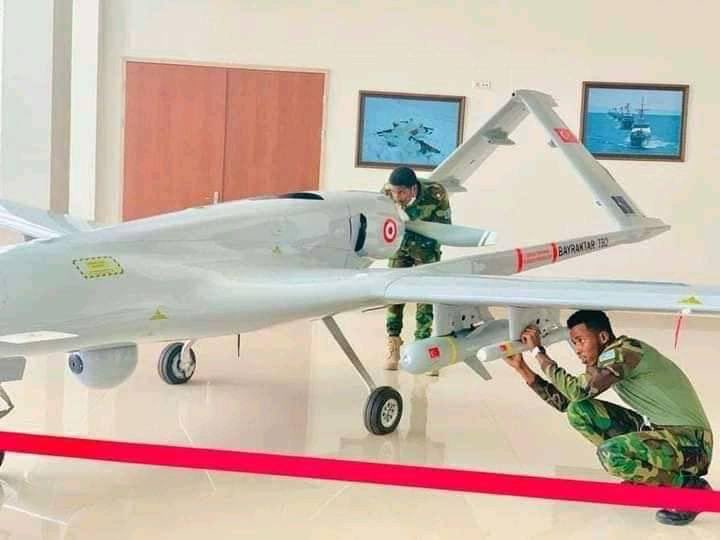
Opposition figures also question the transparency of the financial arrangements. Some claim that the grants may intersect with defense and commercial ties, including Somalia’s procurement of Turkish-made military equipment such as military drones produced by a company owned by Erdogan’s son-in-law and armored vehicles sold by businessmen close to Erdogan.
The Somalia case reflects a broader pattern in Turkey’s foreign policy, where financial assistance, defense cooperation and economic engagement are closely linked.
A recent example is Kyrgyzstan, which acquired more than $33 million worth of Turkish military equipment including drones and armored vehicles while simultaneously benefiting from the full cancellation of nearly $59 million in public debt owed to Ankara.
The debt forgiveness agreement, finalized in Bishkek in November 2024, was publicly announced by Turkish President Erdogan as a gesture of support for “environmental and green economy” projects. However, the legal text of the agreement contains no reference to climate initiatives or ecological commitments, raising concerns that the stated justification is little more than a diplomatic facade. The official debt forgiveness, totaling $58.8 million, stems from a low-interest loan Turkey provided to Kyrgyzstan in 2012.
Simultaneously, Kyrgyzstan purchased Bayraktar TB2 armed drones from Turkey, along with 40 armored vehicles, in a deal valued at 300 million Kyrgyz som (approximately $33.4 million).