
Nordic Monitor/Stockholm
A secret letter sent by Turkey’s intelligence agency (Milli İstihbarat Teşkilatı, MIT) complaining about an investigative article has exposed the agency’s deep concern over the public disclosure of its clandestine links to jihadist groups in Syria.
The classified document, obtained by Nordic Monitor, shows that MIT moved quickly to contain the fallout from an article written by Sweden-based Turkish journalist Abdullah Bozkurt. The report detailed the agency’s covert relationship with Anas Hasan Khattab, now director of Syria’s General Intelligence Service (Al-Mukhabarat al-Amma, GIS), tracing the ties back to his role in overseeing al-Qaeda operations during the Syrian civil war and his later appointment as spymaster under the interim government of Ahmed al-Sharaa.
The article revealed that MIT had worked closely with Khattab during the conflict and that he was handled by senior Turkish intelligence officer Kemal Eskintan, then head of the agency’s Special Operations (Özel Opreasyonlar) section. This cooperation continued despite Khattab being designated by both the United States and the United Nations in 2012 and 2014, respectively, over his links to al-Qaeda and flagged by Turkish police for suspected affiliation with the Islamic State in Iraq and Syria (ISIS).
Although UN designations are binding on Turkey, Ankara resisted listing Khattab for years. It eventually designated him as a terrorist in 2016 under mounting international and domestic pressure. However, the designation remained largely symbolic and was never meaningfully enforced. According to the report, covert cooperation between MIT and Khattab continued, enabling al-Qaeda offshoot Hay’at Tahrir al-Sham (HTS) to maintain supply lines for logistics, funding, fighters and weapons through Turkish territory.
The secret letter, dated January 22, 2025, and signed by MIT legal counsel Fuat Midas on behalf of intelligence chief İbrahim Kalın, implicitly confirmed key elements of the investigation. In particular, it acknowledged details concerning Eskintan’s covert identity, noting that he operated under the alias of “Abu Furqan” in dealings with jihadist groups in Syria.
In the document, MIT complained that the article had exposed the identity of one of its operatives and sensitive intelligence activities, arguing that the report was intended to discredit the agency and put it in a difficult position. The letter was marked “secret” and forwarded to the Office of the Chief Public Prosecutor in Ankara, with a demand that the journalist be prosecuted and sentenced to up to 17 years in prison.
As anticipated, the complaint triggered a criminal investigation based on politically motivated accusations. The case was assigned to prosecutor Ahmet Ardıç of the Special Investigations Bureau (Özel Soruşturma Bürosu), a unit known for handling sensitive political cases referred by intelligence authorities.
The bureau has long been criticized for pursuing such cases without scrutinizing the substance of allegations or considering protections afforded to journalists under Turkey’s constitution and the European Convention on Human Rights (ECHR), whose provisions supersede domestic law.
Ardıç filed an indictment against Bozkurt on April 2, 2026, after Justice Minister Akın Gürlek granted formal authorization on March 13, 2026. The indictment was accepted by the Ankara 25th High Criminal Court on April 22, 2026, launching a trial in absentia.

Responding to the charges, Bozkurt said the article exposed conduct that would constitute criminal activity under both international and Turkish law.
“If a criminal case needs to be launched, it should be against MIT and its agents who empowered terrorist groups in Syria, contributing to the murder of innocent people who had nothing to do with the campaign to oust Bashar al-Assad,” he said.
Bozkurt described the prosecution as part of a well-established pattern in Turkey’s politicized judiciary, where intelligence agencies initiate legal action to silence critical reporting.
“MIT was caught red-handed supporting a designated terrorist group. This case shows the agency is panicking and scrambling to defend itself by fabricating charges against journalistic work,” he added.
Bozkurt is already facing multiple criminal cases in Turkey over investigative reporting that has exposed Ankara’s ties to jihadist networks and the intelligence agency’s false flag operations, which included a failed coup bid in 2016 to empower President Recep Tayyip Erdogan. These also include a defamation lawsuit filed by Erdogan as well as roughly a dozen arrest warrants issued in absentia.

Turkey has also sought his extradition from Sweden. However, the Supreme Court of Sweden rejected the request last year, ruling that the allegations did not constitute a crime under Swedish law and that Bozkurt’s work is protected by strong safeguards for freedom of expression and the press.
Ankara further attempted to pressure Swedish authorities to shut down Nordic Monitor, Bozkurt’s investigative reporting website, leveraging Stockholm’s bid to join NATO. Swedish officials declined, resisting what was seen as an effort to extend Turkey’s domestic crackdown on critical media beyond its borders.
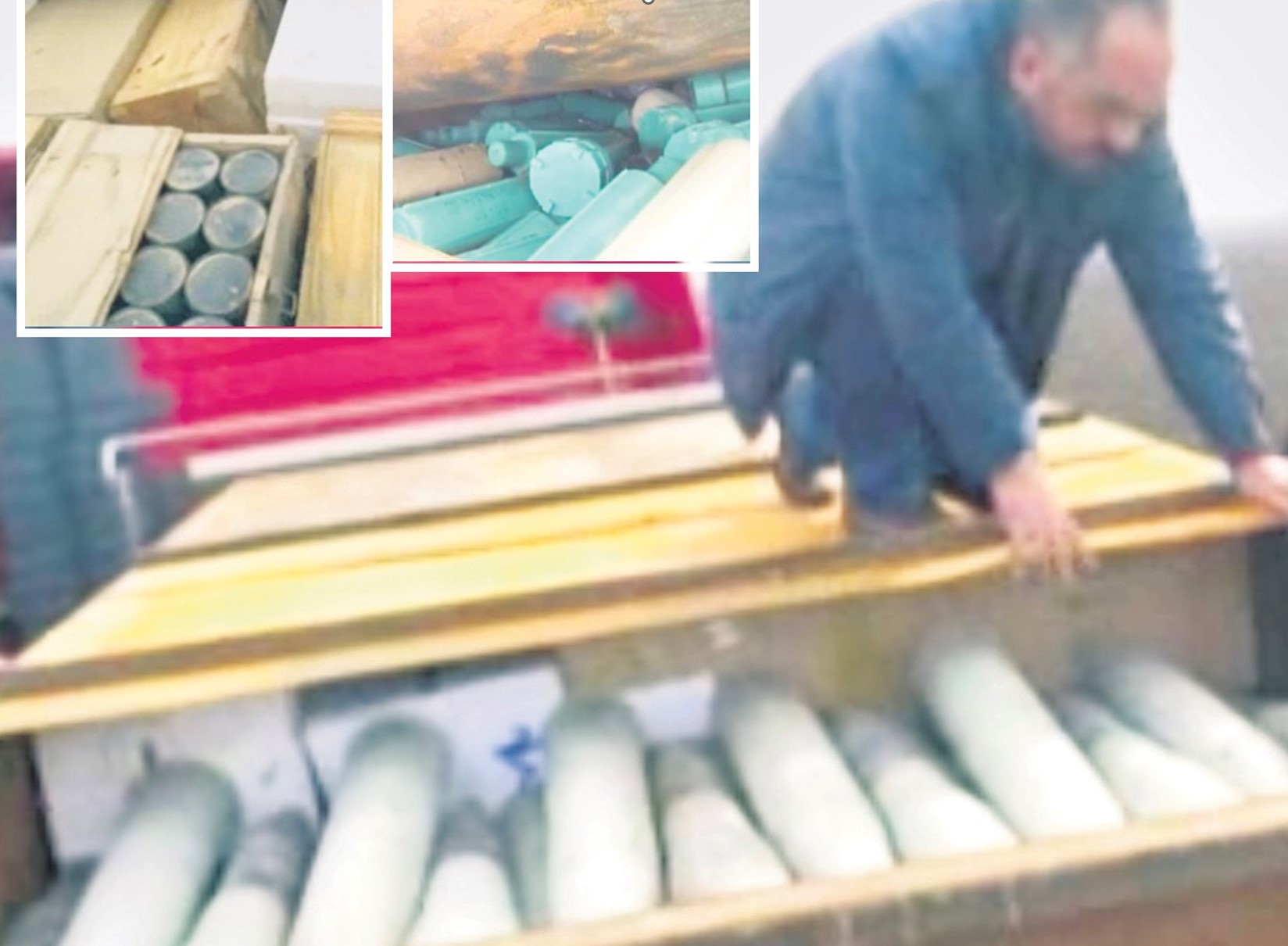
Turkish intelligence’s letter about Bozkurt also sheds light on broader allegations regarding Turkey’s role during the Syrian civil war. Under directives from President Erdogan, Turkish intelligence is accused of facilitating various jihadist groups by supplying weapons, logistics and transit routes while allowing foreign fighters to cross into Syria.
Criminal investigations launched between 2013 and 2015 into arms shipments by MIT to al-Qaeda-linked groups were ultimately shut down by the government. Legislative amendments rushed through parliament granted the agency sweeping legal immunity, effectively shielding it from prosecution even if that amounts to breaking Turkish and international laws.
Prosecutors and law enforcement officials who pursued these investigations of MIT were removed from their posts, and in several cases prosecuted and imprisoned in what critics describe as retaliatory actions driven by the intelligence apparatus.