
Levent Kenez/Stockholm
A recent report titled “A Multidimensional Partnership Model” released by Turkey’s National Intelligence Academy examining Turkey–Somali relations warns that Somalia is entering a period of heightened fragility shaped by militant threats, political fragmentation, institutional weakness, external pressures and economic strain. The intelligence assessment, which draws on field data, security sources and diplomatic records concludes that the partnership between Turkey and Somalia has grown into a multi-layered strategic model; yet the environment in which this model operates is marked by what analysts describe as hard risks that will determine the trajectory of both Somalia’s stability and the bilateral relationship.
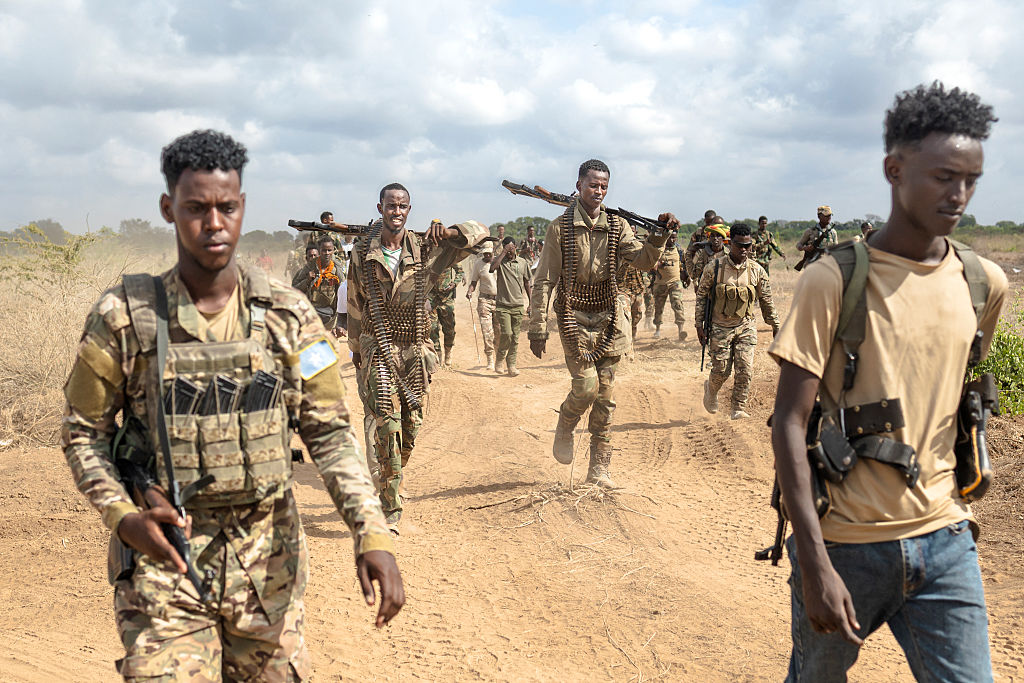
According to the report the first major risk is the sustained presence of al Shabab, which continues to carry out bombings and assassinations while administering shadow governance structures in rural areas. The intelligence review states that although joint offensives in 2022 yielded gains, federal forces were unable to maintain operational momentum, and the group regained influence in 2023. A smaller Islamic State in Iraq and Syria (ISIS) faction in Puntland adds another destabilizing layer, even if its reach is comparatively limited. The assessment warns that the Somali National Army is still unable to secure the country without external backing.
The second risk centers on the unresolved federal system. Intelligence officers point to Somalia’s incomplete constitution and the ambiguous division of power between Mogadishu and federal member states. This has produced recurring confrontations over elections and revenue control, particularly with Puntland and Jubaland. The report says these disputes stall national decision making and directly affect Turkey’s development projects, which depend on stable coordination between central and regional authorities.
A third risk identified in the report is the weakness of state institutions. Analysts describe what they call a governance crisis marked by insufficient administrative capacity, limited oversight systems and donor dependence that prevents Somalia from sustaining basic services on its own. The intelligence review acknowledges that debt relief secured through IMF and World Bank reforms is a significant step but notes that Somalia still lacks the financial autonomy needed for long-term stability. Persistent delays in procurement and project execution remain a major barrier to progress.
Environmental shocks form the fourth major risk. Repeated droughts linked to climate change have disrupted livelihoods, increased food insecurity and created openings for extremist recruitment. The intelligence report warns that future climate pressures could trigger internal displacement at levels that overwhelm state institutions and add volatility to an already fragile security landscape.
The fifth risk combines external geopolitical pressures with information warfare. Somalia’s strategic position on the Red Sea corridor exposes it to rivalries among regional and global powers. The report cites the diplomatic crisis sparked by the 2024 memorandum between Ethiopia and Somaliland signed without Mogadishu’s consent as a prime example of how regional competition can escalate unpredictably. Intelligence analysts state that this volatility threatens maritime routes in the Gulf of Aden and the Bab el Mandeb Strait. At the same time disinformation campaigns targeting Somalia and its partnerships, particularly efforts to portray Turkey’s presence as purely military or extractive, spread quickly due to the weakness of the local media environment. These narratives undermine public trust and complicate policy coordination.
While the intelligence assessment mentions progress including infrastructure improvements in Mogadishu, security cooperation that could strengthen the Somali army by 2030 and new economic opportunities through East African Community membership, it argues that these gains remain vulnerable to the five core risks shaping the country’s trajectory.
The report concludes with a stark message for policymakers: Somalia’s future depends on whether it can build functional institutions, reduce militant threats, manage political disputes, withstand external pressures and stabilize its economy. Without improvements in these areas, the environment in which Turkey and Somalia pursue their strategic partnership will remain unpredictable and prone to repeated crises.
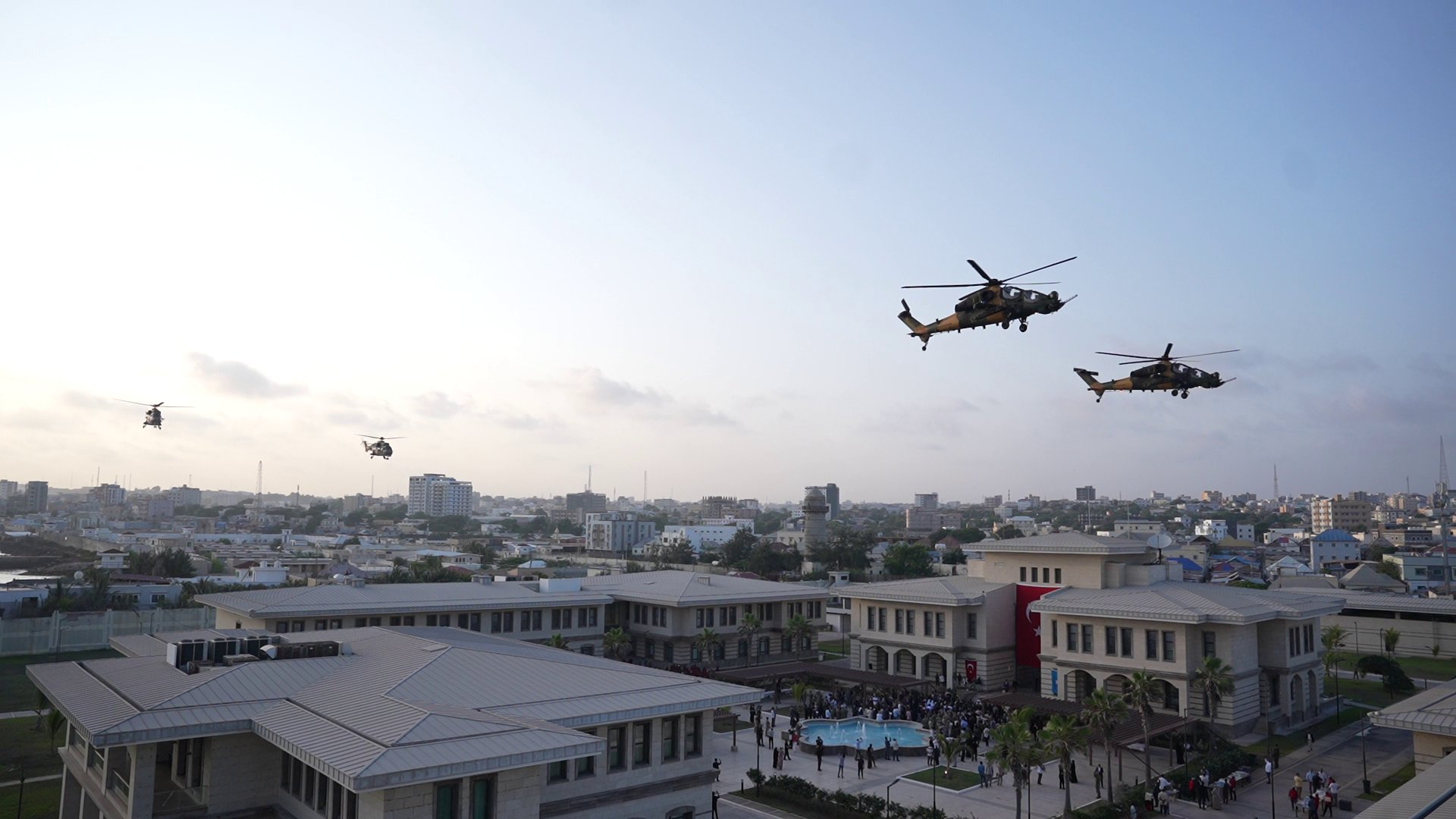
Turkey has steadily expanded its political, economic and military footprint in Somalia since President Recep Tayyip Erdogan’s visit to Mogadishu in 2011. Its engagement spans defense, infrastructure, healthcare and humanitarian aid with Camp TURKSOM in Mogadishu serving as Turkey’s largest overseas military training base, having trained over 15,000 Somali troops. Turkish companies also operate key infrastructure, including Aden Adde International Airport and the Port of Mogadishu.
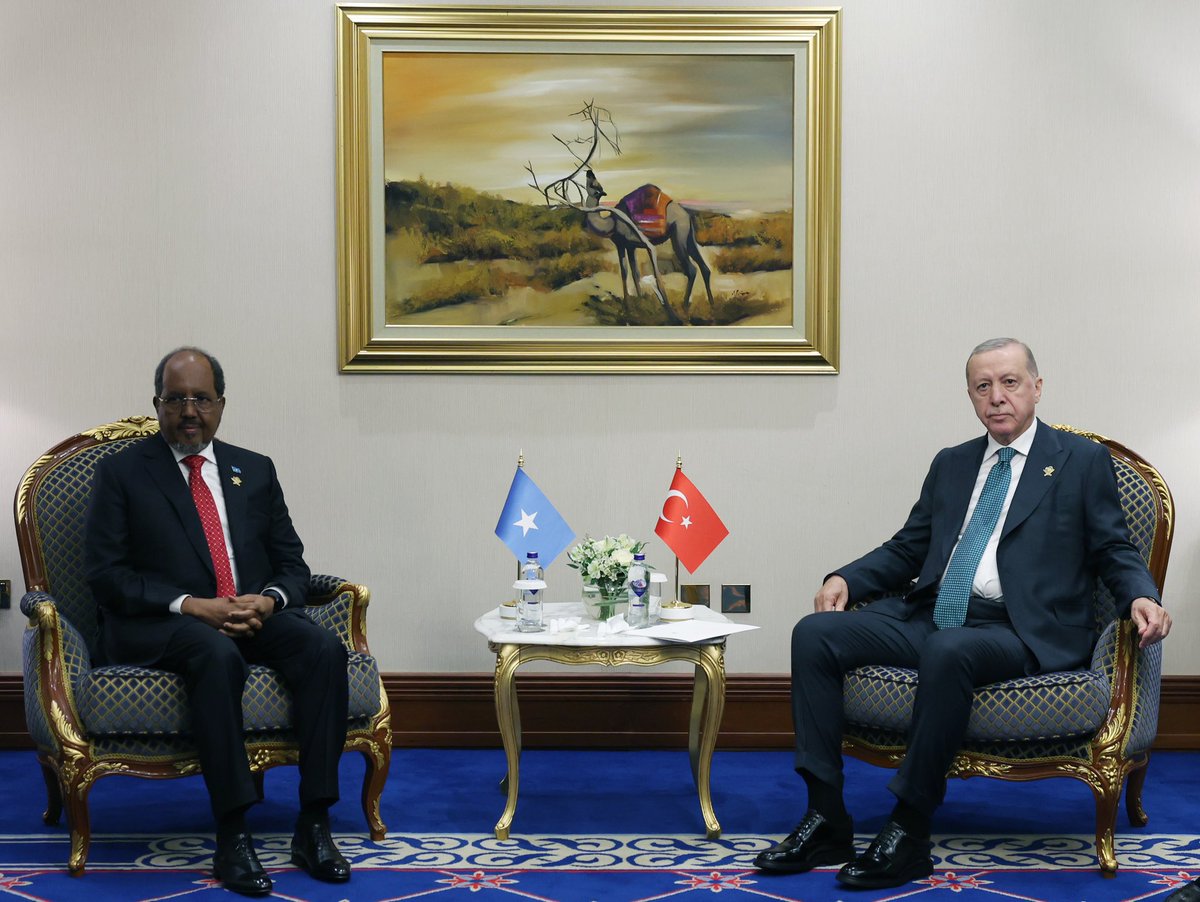
Parliamentary discussions in Turkey pointed to the strategic nature of this relationship, with officials comparing Somalia to Turkey’s approach in Syria: first stabilizing security, then opening opportunities for Turkish business. The two countries have exchanged land for embassy compounds, with Turkey currently building a new Somali Embassy in Ankara, following the construction of its largest embassy abroad in Mogadishu.
Turkey’s total financial and developmental assistance to Somalia is estimated at over $1 billion, including humanitarian aid and debt relief. However, Turkish media reports have claimed that much of this aid is funneled to companies close to Erdogan operating in Somalia, sparking criticism that the government may be using its foreign engagement to financially benefit select domestic business interests.
Despite a dip in bilateral trade from $426 million in 2023 to $384 million in 2024, Turkey remains Somalia’s leading foreign investor. Turkey’s activities have also raised international concern: UN investigators in 2022 found that Turkey had supplied armed drones to Somalia without UN approval, potentially violating international sanctions. Critics argue that these developments suggest Turkey’s presence in Somalia may serve both strategic and domestic political-economic interests.
Nordic Monitor previously published the full text of a wide-ranging hydrocarbons agreement between Turkey and Somalia following its submission to the Turkish Parliament for ratification on April 22, 2025. The release of the document provided the first detailed insight into the scope, terms and strategic intentions behind Ankara’s deepening energy and defense partnership with Mogadishu. According to the agreement, Turkey has secured sweeping operational and financial privileges.
National Intelligence Academy’s report on Turkish-Somali relations: