

Levent Kenez/Stockholm
Turkey is confronted with a growing organized crime problem, according to figures and assessments documented in parliamentary budget proceedings on November 17. Interior ministry data indicate a surge in large criminal networks operating across major cities and border regions. The information also reflects rising concern about the country’s ability to contain these structures after more than two decades under the same government led by President Recep Tayyip Erdogan.
Documents presented to parliament show that the authorities dismantled 552 organized crime groups in the first 10 months of 2025 and arrested 6,788 people. Confiscated assets linked to these groups totaled 76 billion lira (around $1.8 billion). These numbers were introduced as indicators of enforcement capability. The scale of operations also illustrates the depth of illegal formations that have taken hold.
Information read into the session cited Turkey’s position in the 2025 Global Organized Crime Index, in which Turkey is ranked 10th among 193 countries. The index places Turkey seventh worldwide in the category that measures criminal actors operating within state structures. Material displayed in the chamber compared Turkey’s standing with European and other countries and showed a position worse than many countries with smaller economies or lower enforcement capacity.
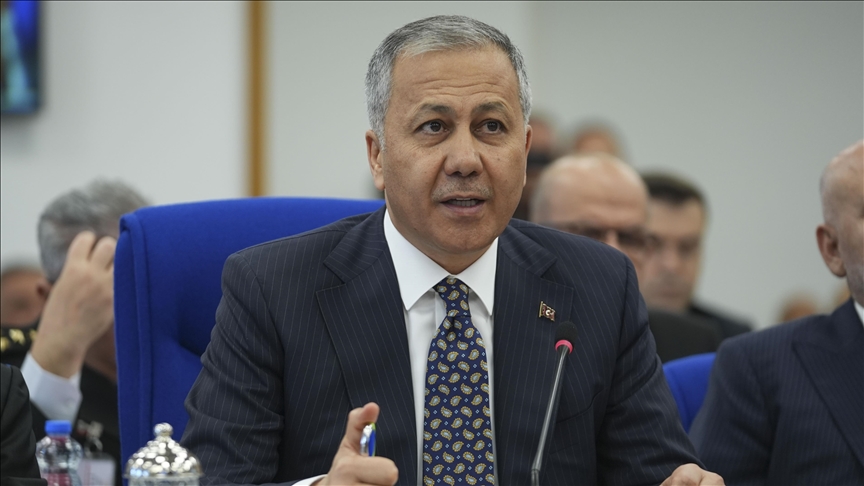
Statements recorded in the debate repeatedly noted that Turkey has been governed by the same political leadership since 2002. Several comments by opposition lawmakers pointed to criminal entities that became entrenched during this long period. Observations made during the session described the emergence of new types of gangs and local networks in recent years, while attention was directed at restrictions unrelated to organized crime. The debate concluded that these structures were able to expand across urban centers without consistent intervention.
Concerns were also raised about enforcement patterns. A reference was made to 145 gangs dismantled in Istanbul followed by questions about how such groups could form and expand with access to weapons funding and manpower without early state action. The information emphasized that these organizations did not appear suddenly and that their growth indicates systemic vulnerability.
Participants asked why crime rates had not declined despite thousands of operations each year. The session included references to expanded drug use over the past decade and the renewed influence of mafia-style organizations. Comparisons were made between frequent raids promoted on official accounts and the continued rise of complex networks. Additional remarks noted the spread of synthetic drugs and a sharp decline in the average age of new users.
Budget execution data provided further context. In the anti-addiction program category only 462 million lira ($10.94 million) of a 7.341 billion lira ($173.8 million) allocation was used in 2025. A similar pattern appeared the previous year. The low utilization was cited as evidence that causes of criminal expansion were not adequately addressed.
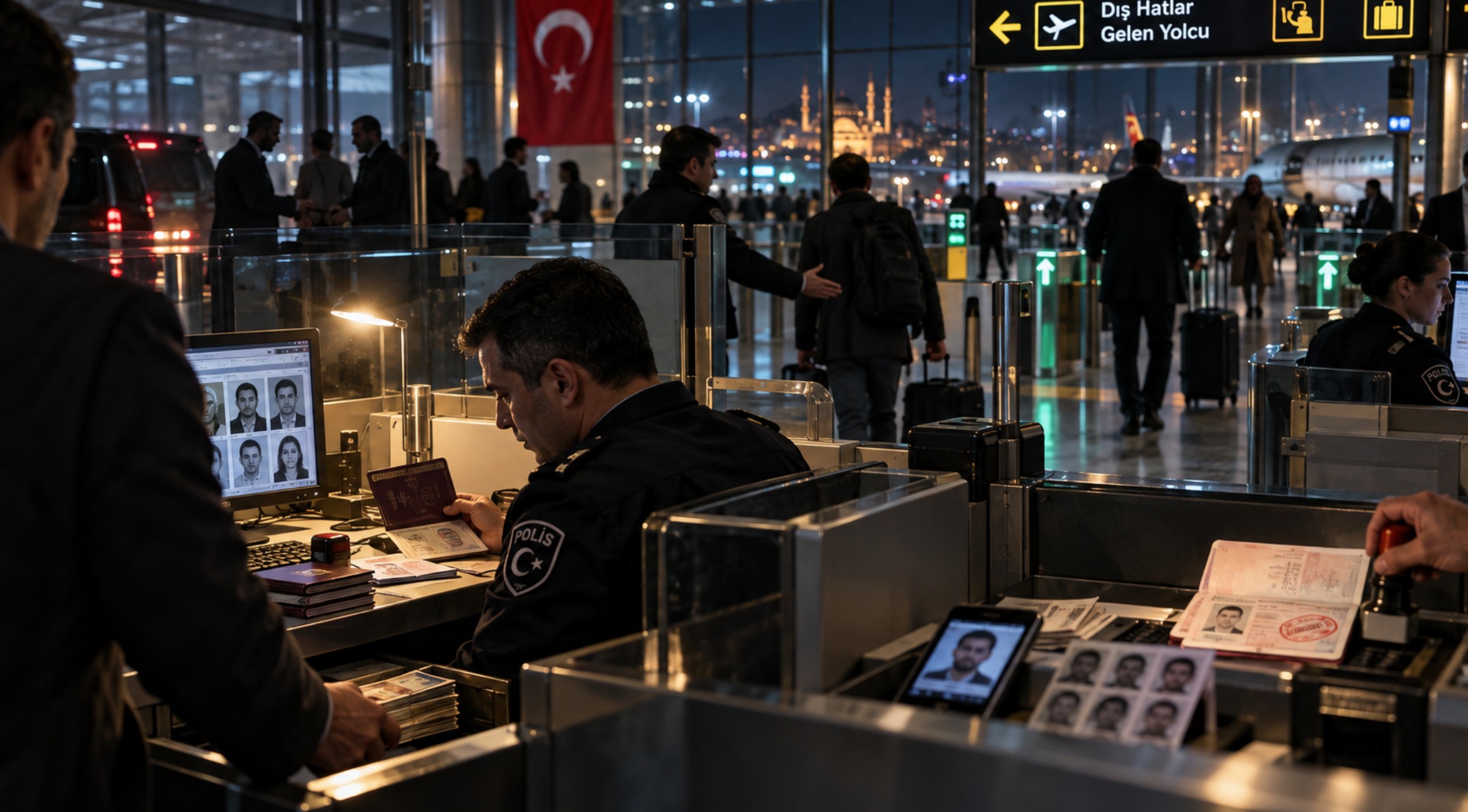
Proceedings also detailed a major breach inside the police system. A 29-year-old drug user infiltrated the force using forged documents and gained access to protected systems. The description characterized the incident as an example of institutional fragility and as an indication of the reach that criminal actors can achieve under current conditions.
Further discussion centered on figures distributed by the interior ministry in a booklet. According to the data 1,367 organized crime groups have been dismantled during the current Cabinet term. Responses in the chamber said that if these groups originated in earlier periods, then the new figures confirm that previous management failed to control criminal growth. If they formed during the present period, then the data reflect ongoing shortcomings.
Interior ministry representatives told parliament that Turkey now forces criminal entities to flee and no longer provides protection inside the state. The ministry described continuous surveillance along borders and reported a large number of narcotics seizures and raids on financial networks. The information was offered as evidence of operational strength, with supporters saying security agencies maintained steady pressure on illegal structures.
The proceedings reflect a consistent theme. Turkey faces a broad organized crime environment linked to drug trafficking, human smuggling, illegal firearms production, counterfeit markets, financial fraud and cyber-enabled schemes. These issues developed during a political period characterized by centralized governance and limited institutional balance. Concerns persisted about transparency, judicial independence and uneven application of the law.
Minutes of the parliamentary debate on November 17, 2025:
According to the Global Organized Crime Index 2025, Turkey has become a significant transit point for cocaine from Latin America to European, Russian and Caucasian markets while continuing to serve as a corridor for heroin from Afghanistan. The criminality score for Turkey is 7.20, which places the country 10th worldwide. The resilience score is 3.96, which indicates weak institutional capacity. The report released with the index notes the activity of Turkish mafia-style groups in cooperation with foreign cartels. It also records foreign criminal networks operating inside Turkey and mentions allegations involving state-connected individuals in narcotics, arms trafficking, counterfeit trade and smuggling. Additional sections describe human trafficking, migrant smuggling, financial crimes, cyber fraud, environmental offenses, corruption concerns and restrictions on media and civil society. These points correspond closely with the issues raised in the parliamentary proceedings.