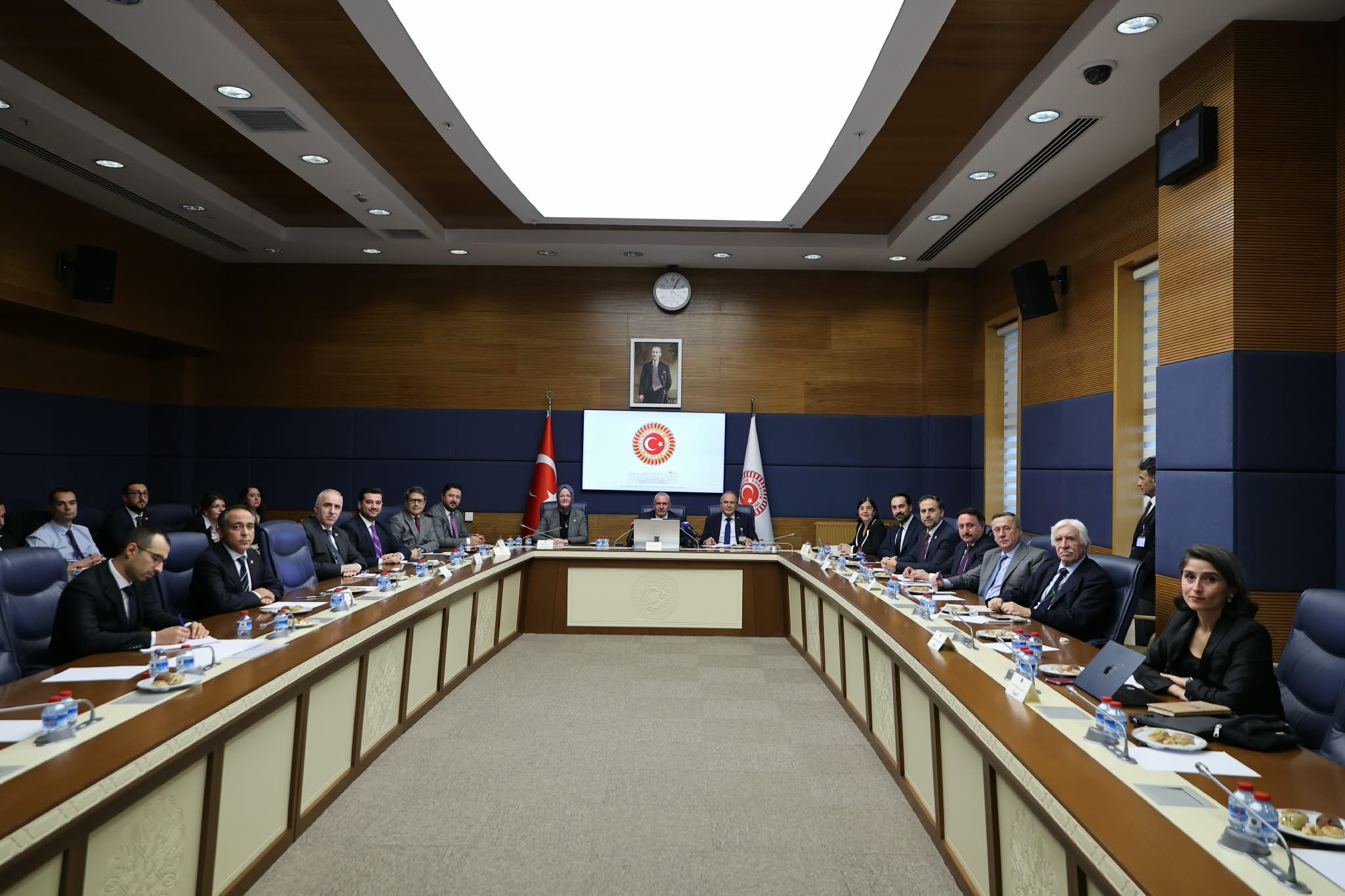

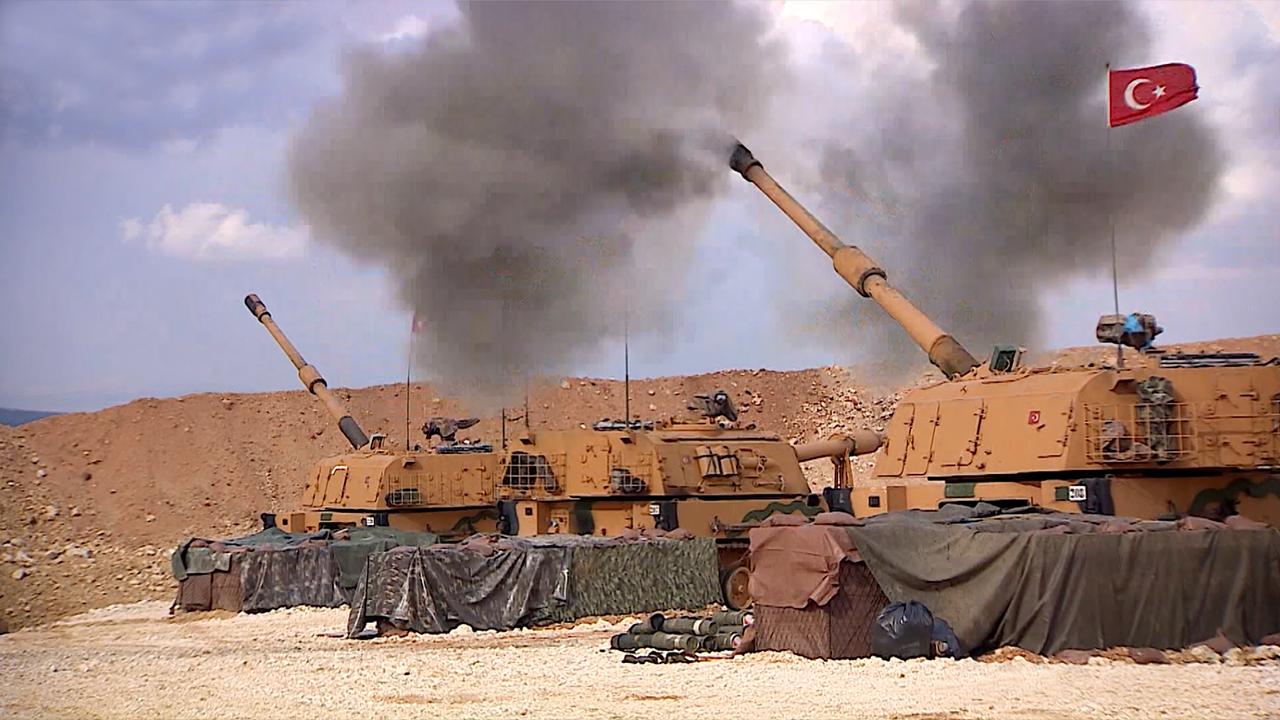
The Turkish Parliament has voted to extend the government’s authority to conduct military operations in Syria and Iraq for three more years. The decision gives President Recep Tayyip Erdogan continued power to send troops abroad and to authorize foreign forces to operate inside Turkey. It represents the longest mandate since Turkey launched its first cross-border intervention in Syria in 2016.
The motion was supported by the ruling Justice and Development Party (AKP), its nationalist ally the Nationalist Movement Party (MHP) and two smaller parties. The Republican People’s Party (CHP) and the Peoples’ Equality and Democracy Party (DEM Party) opposed it. The opposition said the law removes parliamentary oversight and grants the president unchecked control over foreign military policy.
Parliament has renewed the cross-border mandate regularly since 2014, usually for one year. This latest extension pushes the next review to 2028, giving the government a longer window to operate without returning to parliament for approval.
The motion authorizes the president to decide on the “scope, timing and duration” of operations. Lawmakers from the ruling bloc said the extension is necessary because terrorist groups remain active near the Turkish border and because Syria’s political situation has not stabilized.
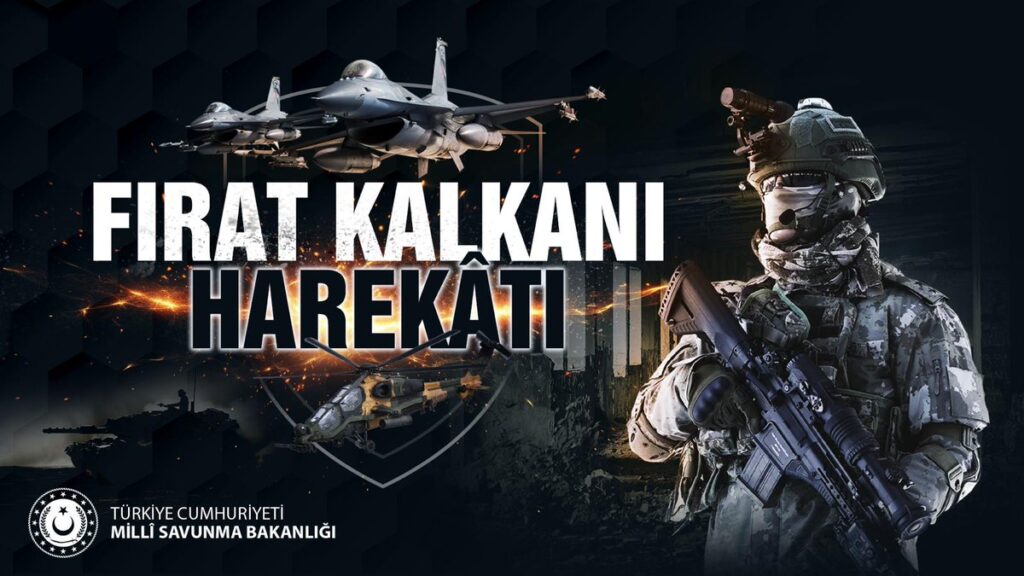
Turkey’s military presence in northern Syria began with Operation Euphrates Shield in August 2016, aimed at removing Islamic State in Iraq and Syria (ISIS) fighters and curbing the advance of Kurdish forces affiliated with the People’s Protection Units (YPG). Ankara considers the YPG the Syrian branch of the Kurdistan Workers’ Party (PKK), which has fought against the Turkish state since 1984.
Since 2016 Turkey has carried out several large-scale operations. Operation Olive Branch in 2018 targeted the YPG in the Afrin region, while Operation Peace Spring in 2019 pushed Turkish forces deeper into northeastern Syria. Smaller operations have followed, consolidating Turkish control in parts of Aleppo and Raqqa provinces.
Turkish troops and intelligence officers operate alongside the Syrian National Army, a coalition of armed groups supported by Ankara. They run checkpoints, patrol border areas and manage local councils in several towns. Turkish-backed local administrations use the Turkish lira and rely on support from Turkish institutions for basic services.
The government describes these areas as “safe zones” designed to block attacks and allow the resettlement of Syrian refugees. However, security remains fragile, with frequent clashes among local militias and sporadic bomb attacks.
The government’s written justification cites continuing threats from the PKK, YPG and ISIS. It says terrorist groups continue to plan attacks from across the border and that Syria’s fragmentation prevents lasting stability. The text also mentions Turkey’s contribution to clearing landmines, preventing the use of chemical weapons and supporting reconstruction efforts in both Syria and Iraq.
Officials say the extension provides flexibility for military planning and continuity in counterterrorism operations. They argue that shorter authorizations create uncertainty and limit the military’s ability to respond quickly to threats.
Opposition lawmakers rejected the motion, saying it reduces transparency and removes parliament’s power to review the use of force. CHP parliamentary group leaders said annual renewals had allowed lawmakers to monitor the government’s military policies and assess results. They argued that the new three-year period limits that oversight.
DEM Party deputies said the motion gives the president full discretion over military actions and turns parliament into a symbolic institution. They described the policy as part of a broader pattern of centralizing power in the presidency since the 2017 constitutional amandments that ended Turkey’s parliamentary system of governance.
Opposition members also criticized the absence of measurable objectives. The motion does not define under what conditions Turkish troops would withdraw, what goals have been met or how success will be determined. Lawmakers said this vagueness risks turning the Syria mission into an open-ended military commitment.
Nearly a decade after the first operation, Turkey maintains thousands of troops and local allies across northern Syria. While ISIS no longer holds territory, the YPG still controls large parts of northeastern Syria with support from US forces. Turkish-controlled towns such as Afrin, Jarabulus and Tel Abyad continue to experience sporadic violence and economic hardship.
Local councils under Turkish influence manage education, policing and municipal services, but governance remains fragile, with many residents depending on humanitarian aid. The Turkish military presence has prevented large-scale YPG or Syrian regime advances, but daily life in these regions remains unstable.
The government says its operations serve both counterterrorism and regional stability goals. Officials argue that a strong presence in northern Syria deters cross-border attacks and gives Turkey leverage in talks with Russia, the United States and Iran. Ankara also uses its control over Syrian territory as bargaining chips in discussions on refugee returns and Syria’s political future.
The government’s justification has shifted over time from defeating ISIS to preventing the formation of a Kurdish autonomous region. Turkish authorities now describe the mission as essential to protecting national interests and influencing post-war negotiations.
The length of the new mandate has raised questions about political motives. Some lawmakers view the three-year term as an attempt to insulate foreign military policy from potential shifts in parliamentary balance. If future elections alter the composition of parliament, the government’s military authority would remain intact until late 2028.
Text of the motion approved by the Turkish Parliament extends Turkey’s military presence in Syria and Iraq:
Since the transition to a presidential system, Erdogan’s administration has gained broad control over defense and foreign policy. Parliamentary approval remains legally required for cross-border deployments but in practice, oversight has become limited to procedural votes.
Turkey hosts more than 3.3 million Syrian refugees, the largest number in the world. The government promotes resettlement projects in Turkish-controlled parts of Syria, including housing construction programs and infrastructure funded by Turkish municipalities.
Independent monitors report that conditions in many of these areas remain insecure, with limited access to healthcare, education and electricity. As a result, voluntary returns are slower than expected, and many refugees fear renewed violence if they go back. The government insists that returns are voluntary and says no one will be forced to leave Turkey.