

Levent Kenez/Stockholm
Turkey’s investment fund scandal has opened an unexpected trail to Nigeria involving a key suspect arrested as part of an investigation into alleged market manipulation. The trail leads from Turkey’s capital markets to two little-known companies with Nigerian connections and a Nigerian businessman whose interests span Turkish construction, banking, energy and government-backed projects, raising questions about the nature and purpose of the business relationships behind them.
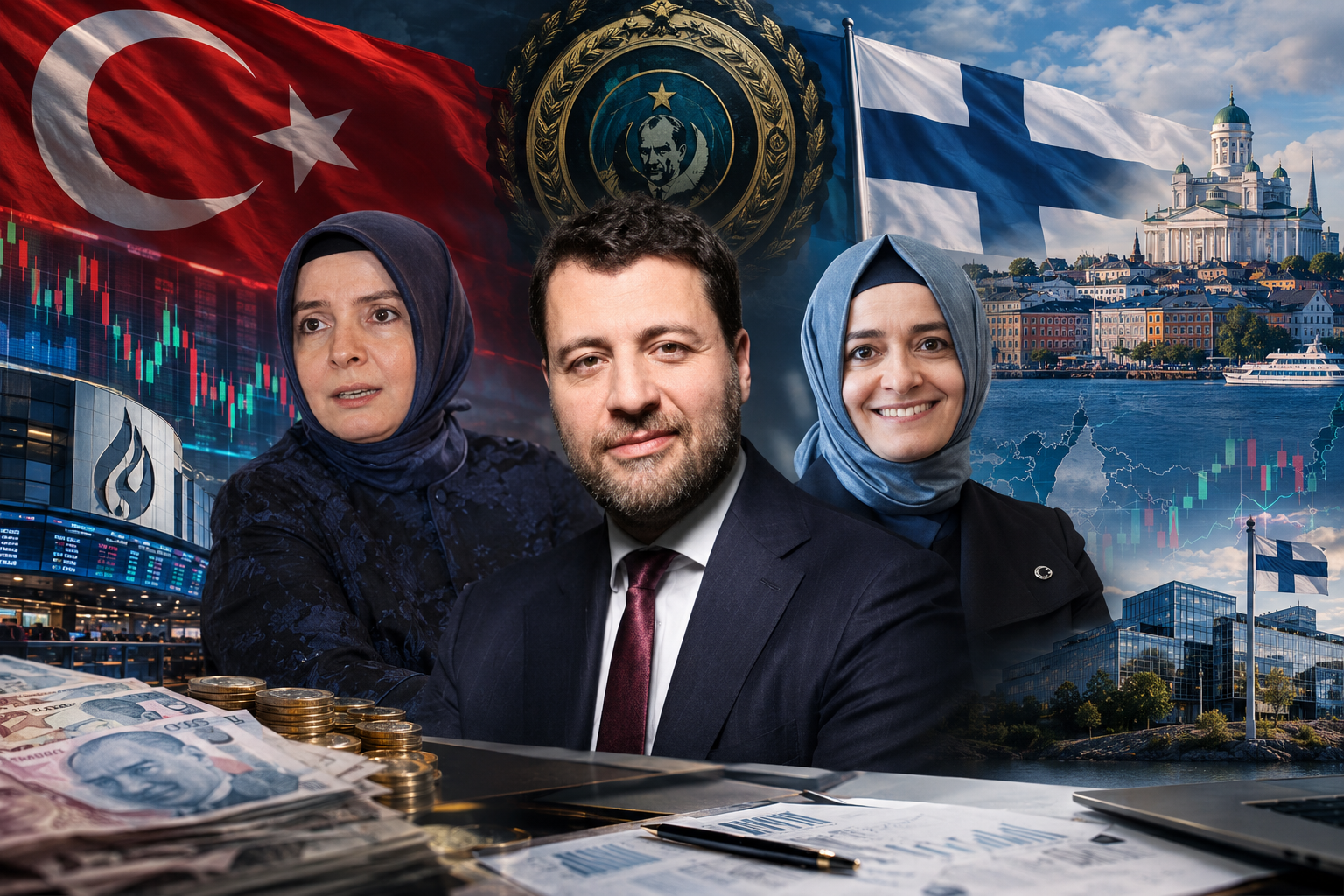
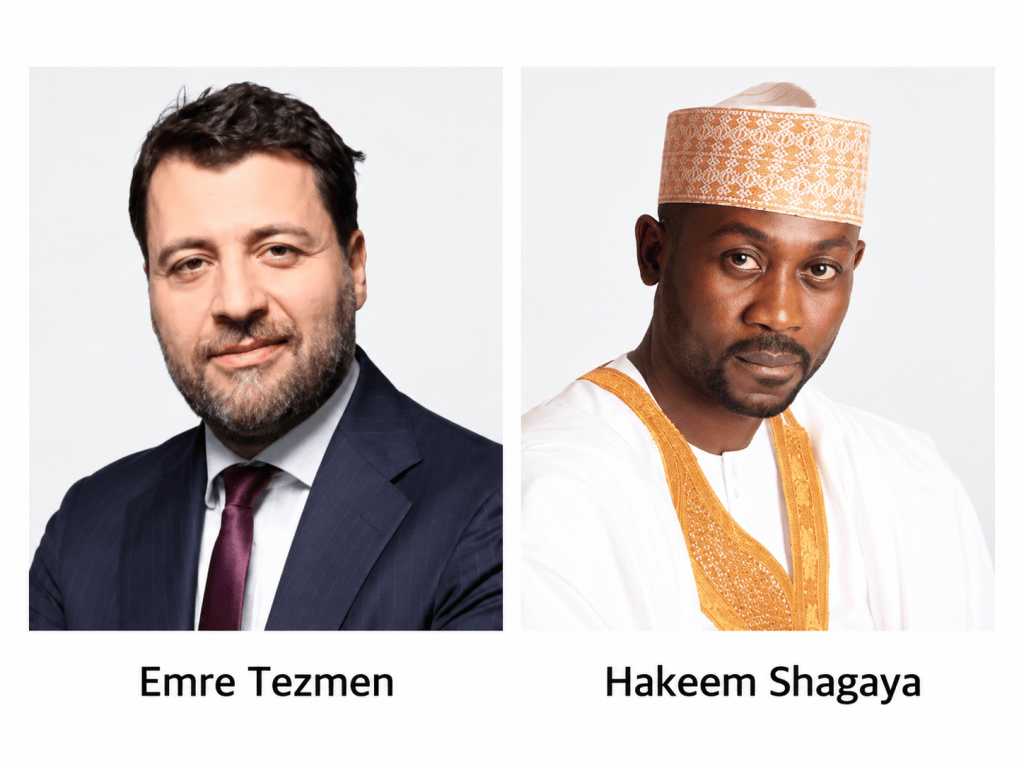
At the center of the Nigerian connection is Emre Tezmen, chairman of Tera Investment Holding and one of the main figures arrested in Turkey’s investment fund scandal. Corporate records reveal a previously little-known business partnership between Tezmen and Nigerian businessman Hakeem Shagaya, who established a company with him in Turkey in 2019.
The company, Savana Foreign Trade Consultancy Inc., was established to conduct trade with Nigeria, with Tezmen and Shagaya each having a 50 percent stake. Savana appears on a seizure list issued in connection with the Turkish fund investigation, according to corporate records reported by Turkish journalist Bahadır Özgür. The records also point to a second company registered in Nigeria in which Tezmen holds a majority stake.
The discovery adds a Nigerian dimension to Tezmen’s international business interests at a time when his Tera group has come under scrutiny over investment funds accused of manipulating share prices. Turkish authorities ordered the liquidation of 131 investment funds, affecting 455,758 investors and assets valued at approximately $20 billion. Prosecutors are investigating allegations that funds were used to inflate the prices of thinly traded shares and generate artificial gains, while suspicious financial transfers are also being examined.
The investigation has focused partly on funds that generated extraordinary returns. Tera’s TLY hedge fund, for example, reportedly produced a return of approximately 15,000 percent before the crisis. Prosecutors are examining whether investment funds were used to push up share prices and create artificial gains. Tezmen has denied wrongdoing, telling prosecutors that Tera funds were legally permitted to purchase shares in companies connected to the group.
Savana’s official registration records from 2019:
Against that background, Tezmen’s Nigerian business interests raise questions about why a financial executive whose main activities were in Turkey’s capital markets established companies connected to Nigeria and what business those companies conducted.
Savana’s publicly documented activities offer little insight into its operations. There is limited publicly available evidence of commercial activity since the company was established in 2019, and corporate records do not establish whether it conducted significant trade or generated revenue. The company was subsequently included in the seizure measures connected to the fund investigation, with Tezmen’s stake reportedly subject to the order.
The corporate trail extends to Nigeria through an address listed for Shagaya in records associated with Savana. The same address is linked to Para Haraket Nig. Ltd., a separate company registered in Nigeria in which Tezmen is listed as having a 51 percent stake.
That address is also associated with Karmod Nigeria Ltd., a company chaired by Shagaya. Karmod Nigeria has no documented ownership connection to Tezmen in the records cited, but Shagaya’s role provides a link between the company and Savana, in which he is Tezmen’s business partner.

The address overlap is a significant corporate detail, although it does not establish that the three companies operated together, shared financial resources or conducted transactions with one another. Savana was established in Turkey, and the Nigerian address listed for its partner does not itself demonstrate that the company maintained an operating office in Nigeria.
Unlike the two companies associated with Tezmen, Karmod Nigeria has an established commercial presence linked to a Turkish construction business. The company is associated with Karmod Prefabricated Technologies, a Turkish manufacturer of prefabricated buildings that says it began operating in Nigeria in 2014 and has completed projects across the country.
Nigerian government records show Shagaya participating in the opening of a Karmod facility in Abuja in 2019 along with senior executives from Turkey. Karmod’s Nigerian activities therefore predate the establishment of Savana and demonstrate Shagaya’s involvement in commercial relationships with Turkish businesses before his partnership with Tezmen became visible in the corporate records.
Shagaya comes from one of Nigeria’s wealthy business families. His mother, Bola Shagaya, is a prominent businesswoman with interests in real estate, oil and gas and banking. He has built his own career in banking, construction and renewable energy, including serving as a non-executive director of Unity Bank and chairman of Asolar Systems Nigeria.
Through Asolar, Shagaya also became involved in Nigerian government-backed solar energy programs. The company participated in Solar Power Naija, a federal initiative aimed at expanding electricity access through solar home systems.
In 2021 Nigerian news organization TheCable reported that the Niger Delta Power Holding Company (NDPHC), a government-owned power company, had agreed to guarantee a 7 billion naira bank loan for Asolar, equivalent to approximately $17 million at the time. NDPHC defended the arrangement, saying it had followed due process, and cited its previous work with Asolar, including the deployment of 20,000 solar home systems beginning in 2016.
Shagaya’s involvement in banking, construction and government-backed energy projects illustrates the range of his business activities in Nigeria. His role at Karmod Nigeria also establishes a commercial connection to Turkish businesses independent of his partnership with Tezmen.

What remains unclear is how the two businessmen came together. There is no publicly available account of a previous commercial relationship between Tezmen and Shagaya before Savana was established in 2019. Nor do the available records explain why Tezmen acquired a majority stake in Para Haraket or whether either company developed substantial commercial operations.
The financial activities of the two companies remain largely unclear. Publicly available records do not establish whether Savana conducted trade between Turkey and Nigeria, whether Para Haraket generated revenue or maintained business relationships with Tezmen’s Turkish companies, or whether either company had financial dealings with his greater investment operations.
The lack of clarity is particularly significant given the scope of the Turkish fund investigation, which extends beyond share trading to suspicious financial transfers. Reuters reported that prosecutors were examining funds movements linked to the alleged market manipulation. Tezmen’s Nigerian business interests add another dimension to his international corporate network, although the available records provide no evidence that either company was involved in suspicious transactions.
Tezmen’s international business activities were not limited to Nigeria. In Finland he acquired a stake in Auro Portfolio and later became chairman of the Turkey–Finland Business Council. His seized private jet was also reported to have traveled to Switzerland, Germany, Norway and Finland, countries where he had commercial relationships, according to Özgür’s review of flight records. The records examined by Özgür did not show a trip to Nigeria.
The Nigerian connection differs from those European business interests in the extent of publicly available information about the underlying activities. While Tezmen’s corporate and investment activities in Finland have been documented, the Nigerian records identify ownership and business relationships without clearly establishing the purpose or financial operations of the companies involved.
There is no public evidence establishing that Shagaya invested in Tera’s funds or participated in the alleged manipulation. Nor do the available records establish that Karmod Nigeria, Asolar or Shagaya’s other business interests had any involvement in the conduct being investigated by Turkish authorities.
The significance of the Nigerian connection instead lies in Tezmen’s previously little-known corporate interests and his partnership with a Nigerian businessman already involved in Turkish commercial activities and government-backed projects. Savana, established jointly by Tezmen and Shagaya, was later included in the seizure measures connected to the Turkish investigation. Para Haraket, in which Tezmen reportedly has a majority stake, provides a separate corporate link to Nigeria, while the address records also connect Shagaya to Karmod Nigeria.
The available records establish these ownership and address links but leave the underlying business activities largely unexplained. Whether Savana and Para Haraket conducted significant trade, maintained financial relationships with Tezmen’s Turkish companies or played any role in his larger business operations remains unknown. No evidence has emerged from the records cited connecting Shagaya or his Nigerian businesses to the alleged market manipulation at the center of Turkey’s fund investigation.