
Levent Kenez/Stockholm
The government of Turkish President Recep Tayyip Erdogan has long refused to permit large-scale demonstrations, treating marches and protests as threats to its authority.
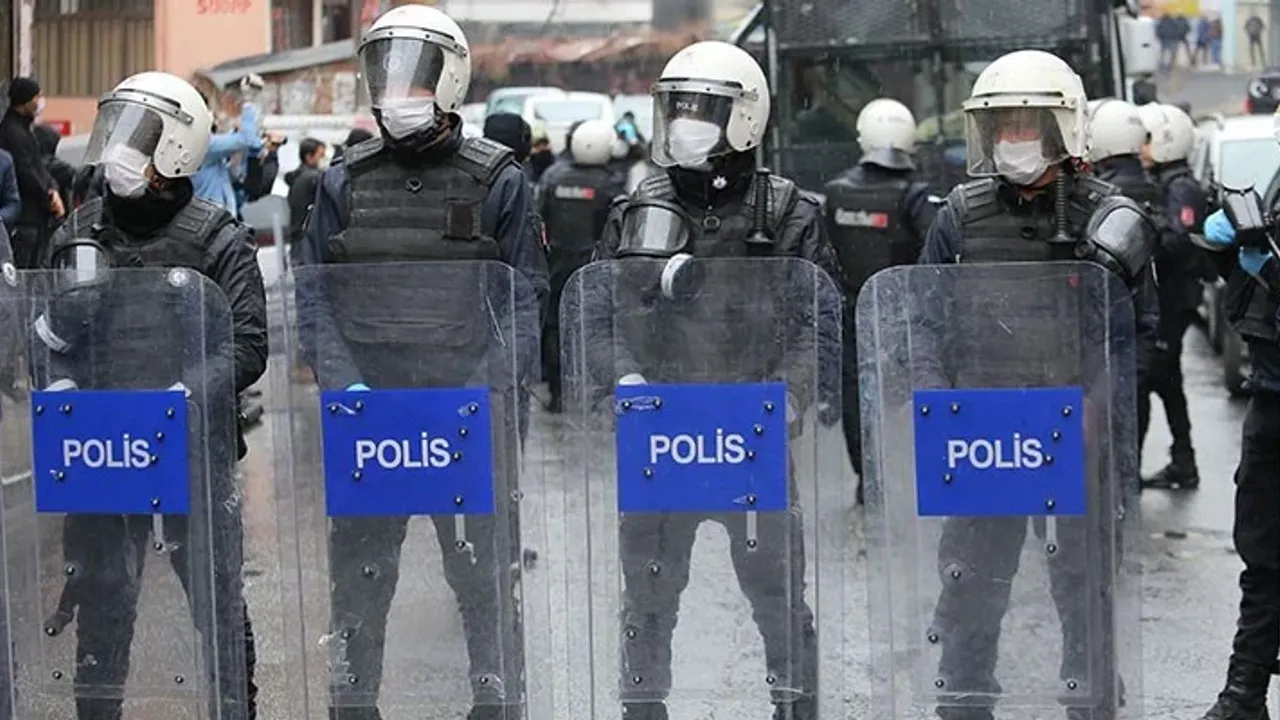
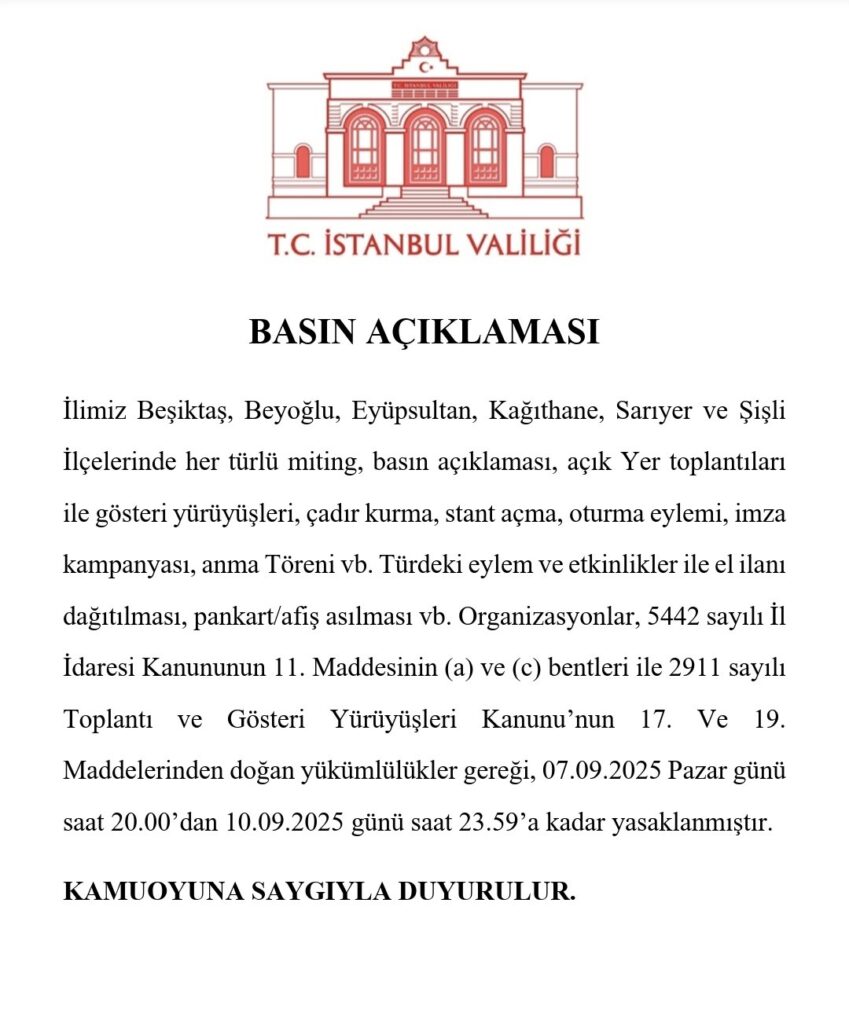
In Istanbul last week, that approach was once again on display as riot police surrounded the Istanbul branch office of the Republican People’s Party (CHP) after a court-appointed trustee was assigned to oversee its administration. At the same time the Istanbul Governor’s Office announced a ban on protests, marches and rallies in several districts.
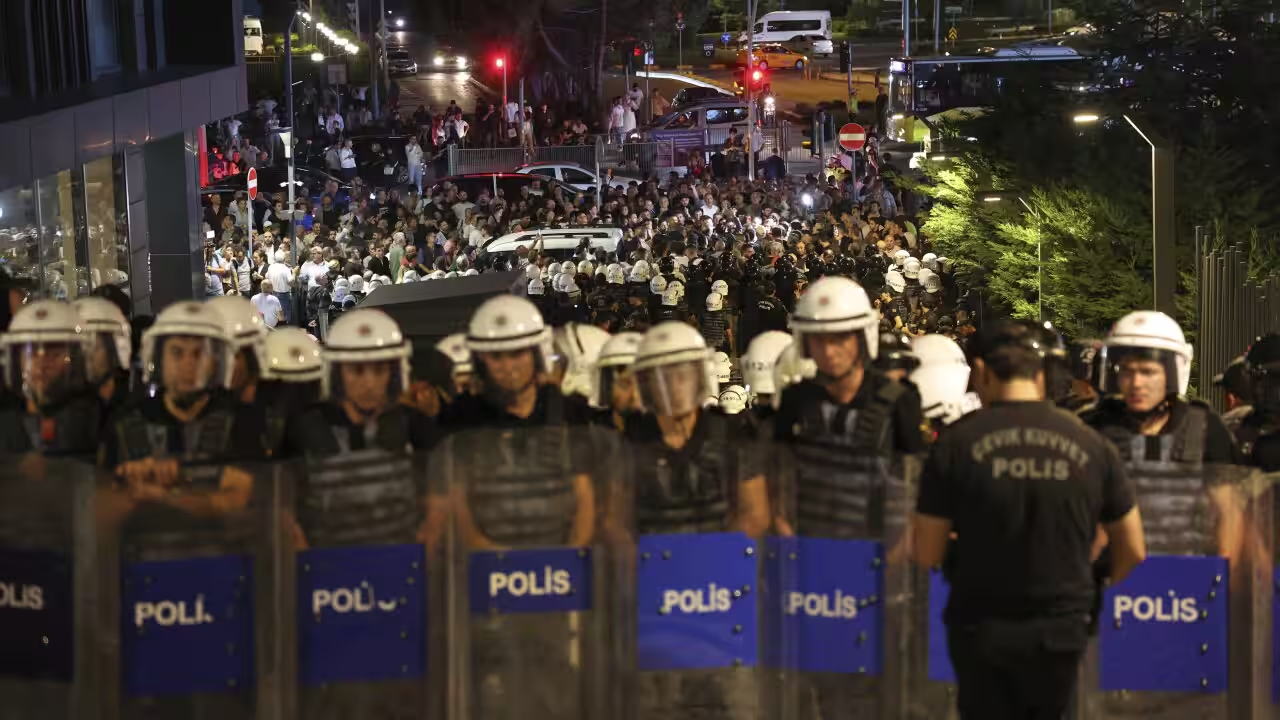
Even the celebration for the national women’s volleyball team, which finished second in the World Championship, was canceled, with officials citing concerns that attendees might turn the event into a protest.
The developments reflect a pattern that has become routine in Turkey. Provincial governors, appointed by the central government, often cite security concerns to ban opposition meetings and marches, especially in Istanbul, where political activity has traditionally been vibrant and protests have drawn large crowds.
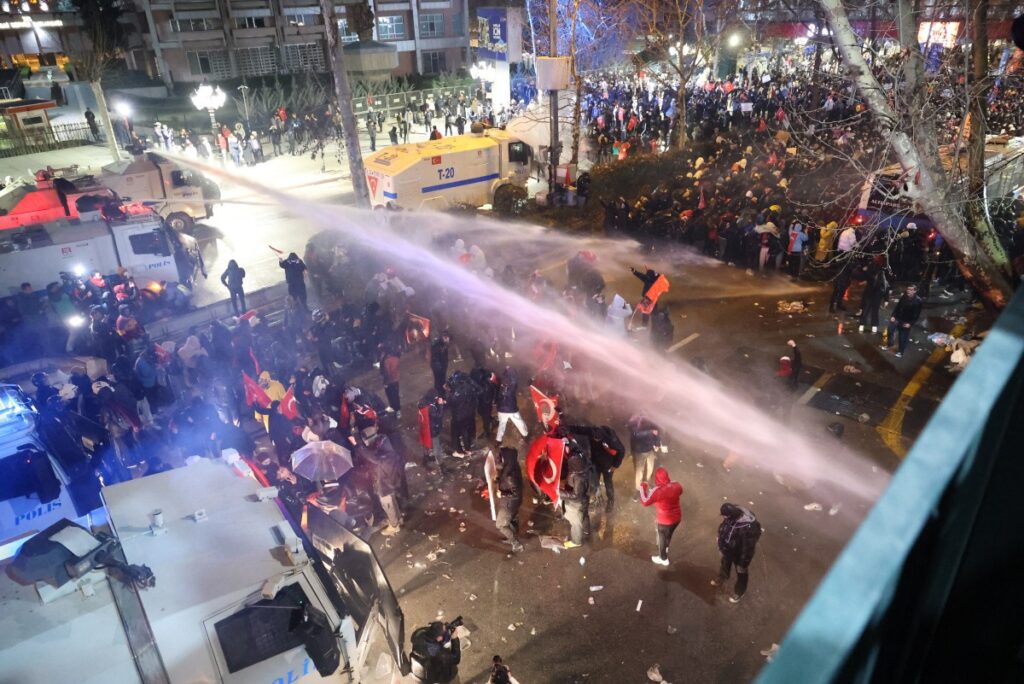
Observers often trace the government’s restrictive stance back to the 2013 Gezi Park demonstrations, when mass protests erupted in Istanbul and spread nationwide. The unrest was triggered by plans to redevelop a central park but quickly evolved into broader opposition to Erdogan’s leadership.
The authorities appear determined to prevent a repeat. Officials fear opposition gatherings could grow and break what many describe as a “wall of fear” among citizens. To deter participation, police frequently detain large numbers of demonstrators, often on charges of violating protest laws.
Interior Minister Ali Yerlikaya said 1,418 people were taken into custody during demonstrations between March 19 and March 25 following the arrest of Istanbul Mayor Ekrem Imamoglu, a prominent rival of Erdogan. He said 979 remained in detention while 478 were referred to courts.
Justice Minister Yilmaz Tunc later told reporters in parliament that about 200 of those detained had been arrested. In the following months, while many activists were released, some university students still remained in prison on charges of insulting Erdogan.
Legal proceedings related to demonstrations have multiplied in recent years. Data from prosecutors’ offices show a steady increase in cases filed under Law No. 2911 on meetings and demonstrations. By the end of 2024 prosecutors had opened 4,379 cases involving 11,041 suspects and 14,016 charges, up from 4,097 cases against 12,571 suspects and 17,120 charges in 2023.
Human rights advocates note that the Constitutional Court, Turkey’s highest body for individual applications, has repeatedly ruled that the right to assembly had been violated. In 2022 the court issued 602 such rulings, more than doubling to 1,403 in 2023.
Restrictions have also been extended into cultural life. Concerts and artistic events have faced cancellations and bans. On September 5 the Istanbul Governor’s Office announced that a performance by French singer Enrico Macias at the Cemil Topuzlu Open-Air Theater would not proceed. Officials cited calls for protests on social media, saying demonstrations linked to Israel’s war in Gaza could put young people at risk of prosecution.
Earlier, the Ministry of Culture and Tourism restricted performances at ancient theater venues for several well-known Turkish pop artists. Singers including Yalin, Sertab Erener, Melek Mosso, Mabel Matiz, Cem Adrian, Melike Sahin, Gulsen and Hadise, all of whom had criticized Imamoglu’s arrest, were barred from appearing at state-controlled sites.
The measures in Istanbul mirror a broader nationwide trend. Provincial governorates across Turkey regularly issue blanket bans on demonstrations, often on anniversaries of politically sensitive events. Even small gatherings can prompt police intervention.
Security forces typically use mass detentions as deterrence. Rights groups report that young activists are frequently targeted, with many released after short periods in custody but facing lengthy legal proceedings. The European Court of Human Rights has repeatedly ruled against Turkey in freedom of assembly cases, but the judgments have had little effect on domestic policies. Officials defend their actions by citing national security concerns and the risk of violent groups disrupting events.
Statistics from prosecutors’ offices illustrate the scale of judicial involvement. In 2024 alone more than 11,000 people faced charges related to protest activity, with accusations ranging from violating assembly laws to resisting police orders.
Restrictions are most common in the south and east of the country, where the population is predominantly Kurdish. Although the government now shows some flexibility due to negotiations with Kurdish groups including the Kurdistan Workers’ Party (PKK) and its imprisoned leader Abdullah Öcalan, obtaining permits for Kurdish-language cultural events and concerts remains difficult.
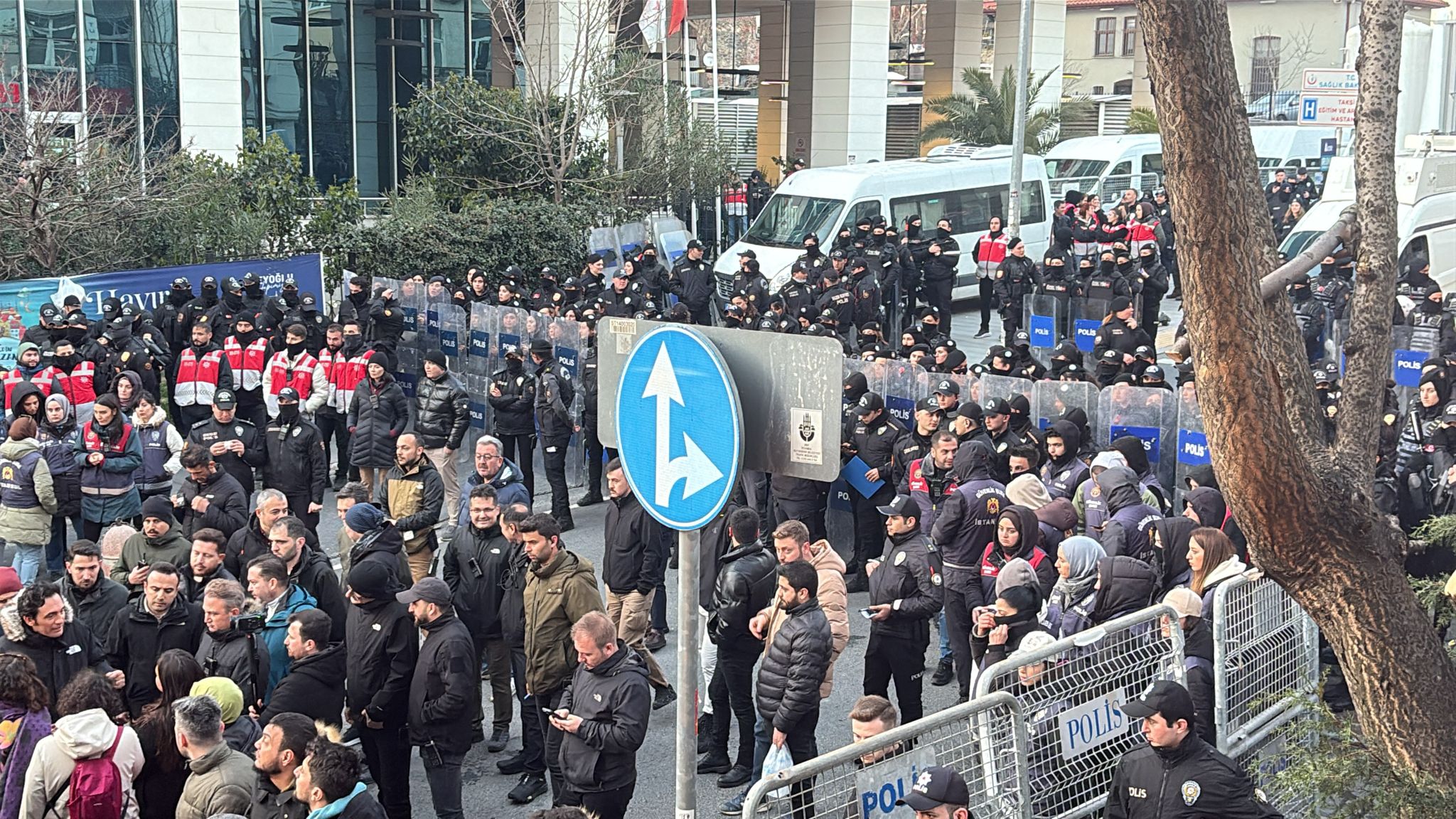
The government has also taken a hard line on symbolic days such as May Day, International Women’s Day and LGBT Pride marches, banning gatherings, closing central squares and deploying a heavy police presence. Hundreds of participants, including activists and students, have been detained during such events in recent years.
The numbers represent thousands of trials and hearings, adding to the justice system’s caseload. Critics say the judiciary has become a tool of political control. Officials deny this, arguing that prosecutors and courts are enforcing the law.
The tightening restrictions highlight the divide between the government and segments of society seeking more space for expression. Opposition parties, rights groups and cultural figures face political and legal constraints, while citizens risk detention for attending gatherings. For now the government shows no sign of easing its approach. Each new round of protests, whether over politics, cultural events or foreign policy, has been met with bans, police deployments and mass detentions