
Levent Kenez/Stockholm
A senior opposition lawmaker has accused Turkish President Recep Tayyip Erdogan and his family of orchestrating a financial cover-up through a shadowy company registered in Jersey, alleging that more than $1 billion in oil transit revenue from the Kurdistan Regional Government (KRG) of Iraq had vanished before the company itself was dissolved.
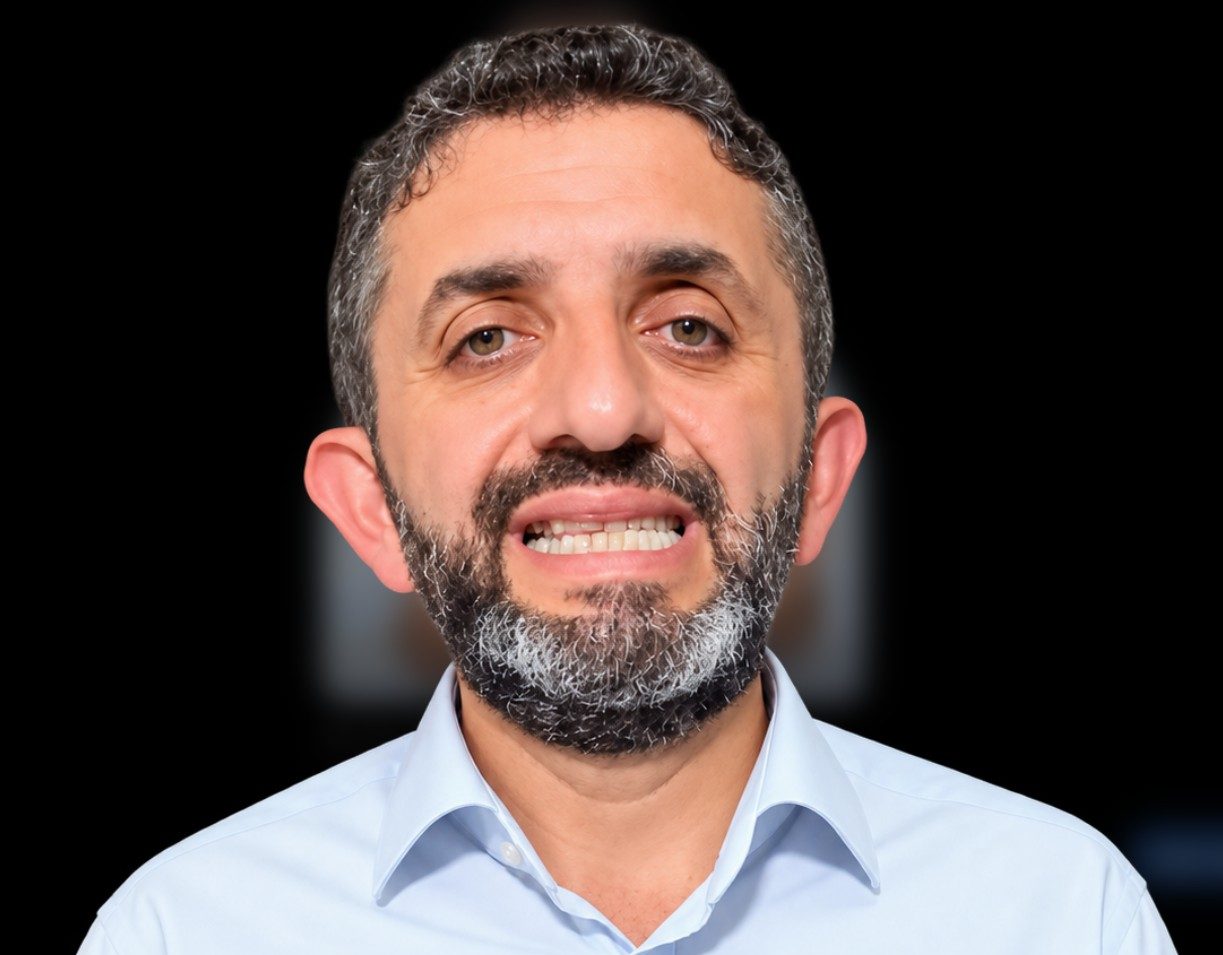
Deniz Yavuzyılmaz, a member of parliament from the main opposition Republican People’s Party (CHP) and the party’s deputy chair, said the missing funds were linked to the Turkish Energy Company (TEC), which he described as a shell company established in 2012 to receive payments from Erbil, capital of the KRG in northern Iraq, for crude oil transported through the Iraq–Turkey pipeline.
“Between May 21, 2014, and September 30, 2018, the Kurdistan Regional Government made transit payments to TEC amounting to $2.32 billion,” Yavuzyılmaz said in a series of statements. “Only $1.17 billion was transferred onward to Turkey’s state pipeline operator BOTAŞ. The remaining $1.15 billion evaporated in Jersey. And after this money vanished, so did the company itself.”
According to Yavuzyılmaz TEC was deliberately established as a layered subsidiary of BOTAŞ, resembling “Russian nesting dolls” that make financial oversight difficult. The company was incorporated in Jersey, a well-known offshore financial center, to receive transit fee payments on behalf of Turkey.
Yavuzyılmaz said the financial discrepancies became evident during arbitration proceedings brought by Iraq against Turkey over alleged breaches of pipeline agreements. He cited Deloitte audits of Kurdish oil revenues and the 2023 final ruling of the International Arbitration Tribunal, which determined that Erbil had paid $3.5 per barrel in transit fees to TEC during the contested period.
“The government now admits, through its own figures, that money did not reach BOTAŞ,” Yavuzyılmaz said. “This is not an accounting error. This is an organized operation to make billions vanish abroad.”
The opposition lawmaker also accused the government of attempting to erase evidence once questions about TEC’s operations arose on the international stage. In June 2021, he said, the government registered a new entity in Ankara with the exact same name: Turkish Energy Company. Two months later, the Jersey company was formally dissolved and transferred to the Ankara-based TEC.
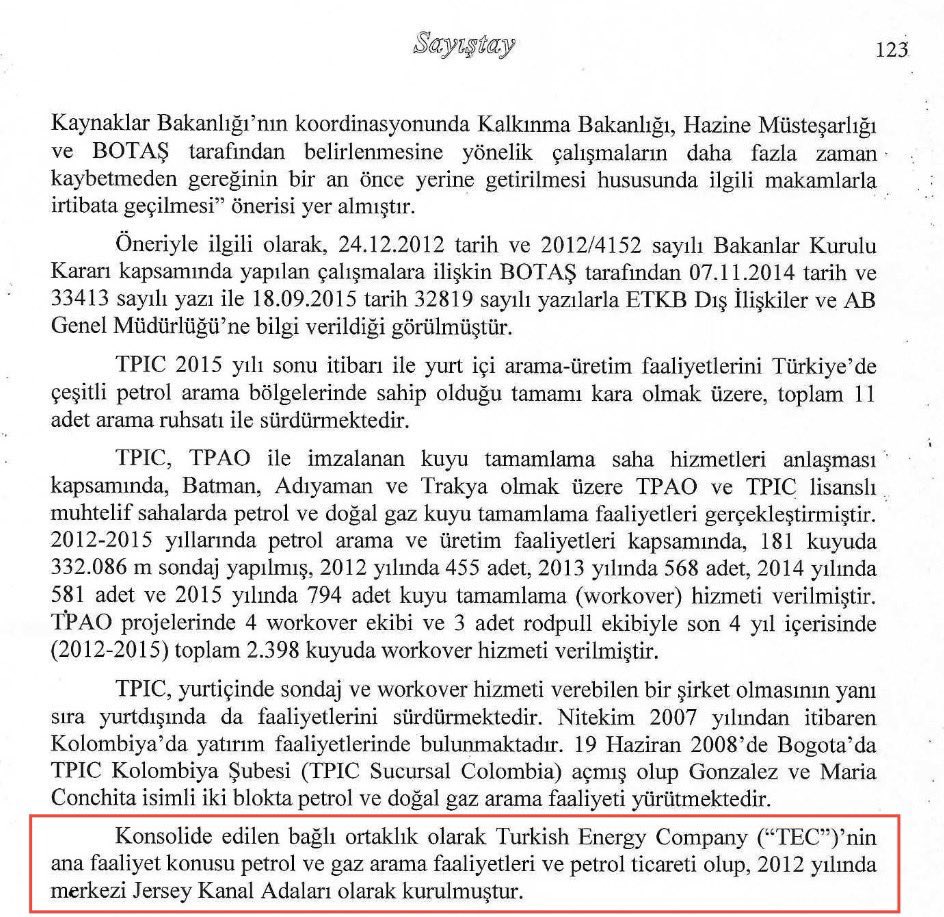
Among the documents released by opposition lawmaker Deniz Yavuzyılmaz are official records showing that the Turkish Energy Company (TEC) was established in Jersey in 2012:
“This maneuver was nothing more than a sleight of hand,” Yavuzyılmaz said. “By shutting down the Jersey entity and creating a namesake in Ankara, the government pretended that TEC was a normal state-owned enterprise all along. Subsequent Court of Accounts reports refer only to the Ankara company, not to the Jersey one. There has never been a single audit of the offshore company. Not a single state auditor has ever set foot in Jersey.”
Yavuzyılmaz described the move as a “smokescreen designed to sanitize suspicious financial flows” and said it was part of a wider pattern of what he called the ruling party’s political cunning that exposes the Turkish state to international legal jeopardy.
The Turkish government has dismissed the claims as false and politically motivated. In a written statement the Presidency’s Directorate of Communications said that social media posts alleging a $1.4 billion shortfall were “entirely baseless and constitute disinformation and black propaganda.”
The statement stressed that BOTAŞ’s total revenue from pipeline transport between 2014 and 2018 amounted to $1.48 billion and that the arbitration ruling did not state that Turkey had earned $2.32 billion. It described TEC as a state-owned company whose revenues and expenditures were properly recorded, audited by the Court of Accounts and reviewed by parliament’s public enterprises committee.
The opposition’s allegations touch on longstanding controversies surrounding Turkey’s handling of Kurdish oil exports, which Baghdad says violated the Iraq–Turkey pipeline agreement signed in 1973 and ratified in 1975. The deal and its subsequent protocols allowed for the export of Iraqi crude through Turkish territory. But Baghdad argued that Ankara acted unlawfully by permitting independent exports from Erbil between 2014 and 2018, bypassing Iraq’s federal oil marketing company SOMO.
The dispute led to years of arbitration in Paris, culminating in a March 2023 ruling that partially sided with Iraq and ordered Turkey to pay compensation. Ankara temporarily halted Kurdish oil exports following the verdict, disrupting a vital revenue stream for the KRG. Flows only resumed after further negotiations but remain vulnerable to political disputes.
Allegations of financial improprieties around TEC also evoke past claims involving members of President Erdogan’s family. Opposition politicians have repeatedly pointed to alleged ties between Erdogan’s family and energy trading companies, including Powertrans, which once held exclusive rights to transport crude by road and rail from northern Iraq.
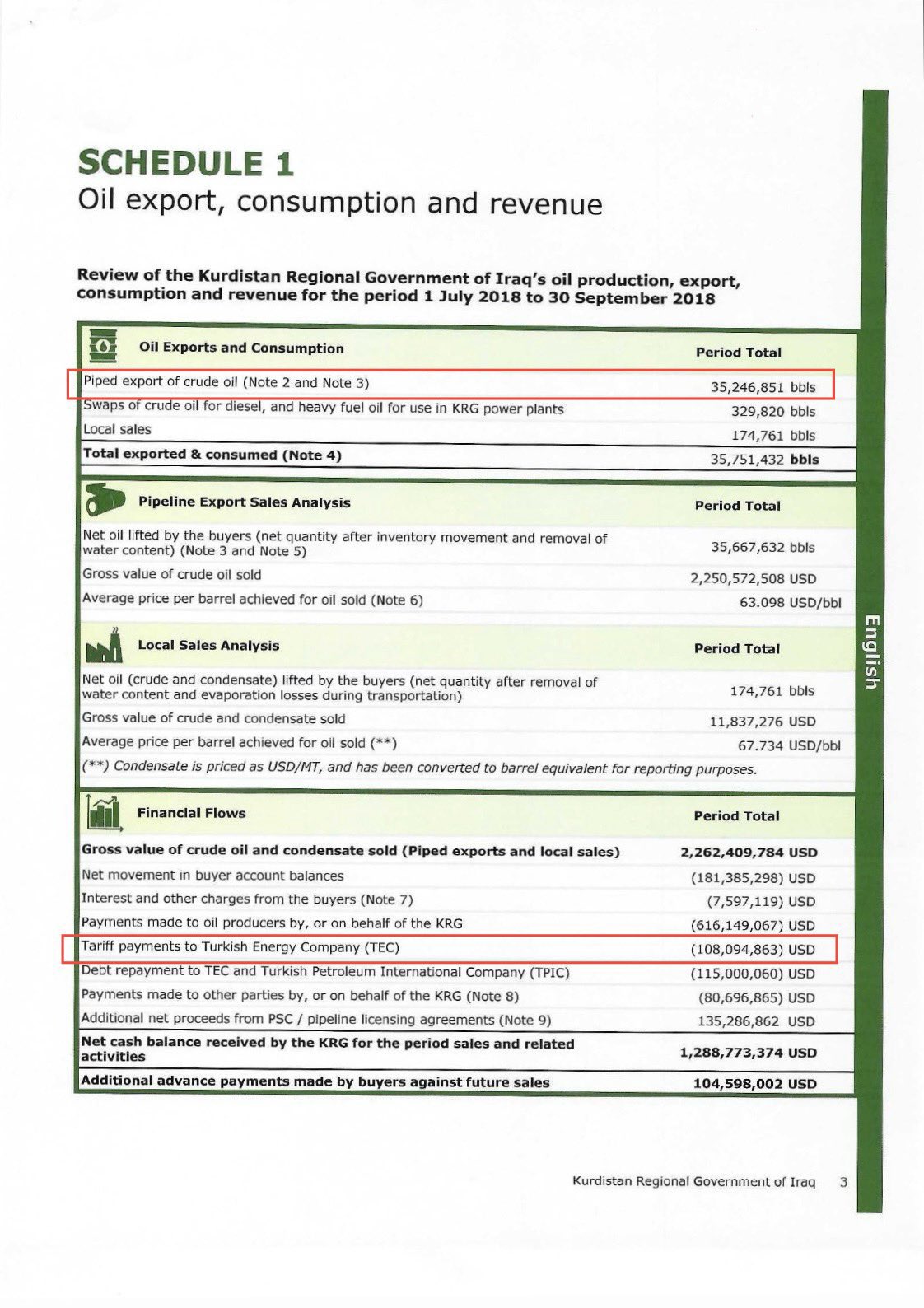
A 2018 Deloitte report includes examples of payments made by the Kurdistan Regional Government to the Turkish Energy Company (TEC):
Those suspicions gained traction in 2016 when WikiLeaks released a trove of emails from Berat Albayrak, Erdogan’s son-in-law and former energy minister. The correspondence showed that Albayrak had overseen aspects of Powertrans operations since at least 2012. The archive contained around 30 emails exchanged between Albayrak and company executives, who sought his approval on personnel matters, including new hires and salary arrangements. Opposition figures seized on the documents as evidence of direct family involvement in the company’s management, an allegation the government has not accepted.
More allegations surfaced about Powertrans with regard to oil sold by the Islamic State in Iraq and Syria (ISIS), which for some time had control of oilfields in Syria and Iraq. It was reported that some of the oil transported by Powertrans did not make it to the port for re-export but rather was illegally sold to the domestic Turkish market. The allegations that Powertrans was involved in the smuggling of ISIS oil were not investigated under pressure from the Erdogan government.
The controversy over TEC erupted just as Turkey moved to terminate its decades-old oil transit agreement with Iraq. Earlier this month President Erdogan announced that Ankara had unilaterally canceled the 1973 pipeline treaty and subsequent protocols, which were due to expire in July 2026. Officials said the move was intended to pave the way for negotiating a new deal that better served Turkey’s interests.
Analysts say the timing of both the cancellation and the renewed opposition scrutiny of TEC is significant. With arbitration costs, damaged ties with Baghdad and questions over transparency, Turkey’s oil pipeline strategy remains a politically charged issue at home and abroad.