Levent Kenez/Stockholm
Ankara’s sudden focus on ISIS detainees comes after hundreds of suspects, including Turkish nationals, were transferred from prisons in northern Syria to Iraq. For years, Turkey took no formal steps to pursue the return of these individuals while they were held in Syria, raising renewed questions about the government’s earlier inaction and its approach to suspects with alleged links to Turkish intelligence.
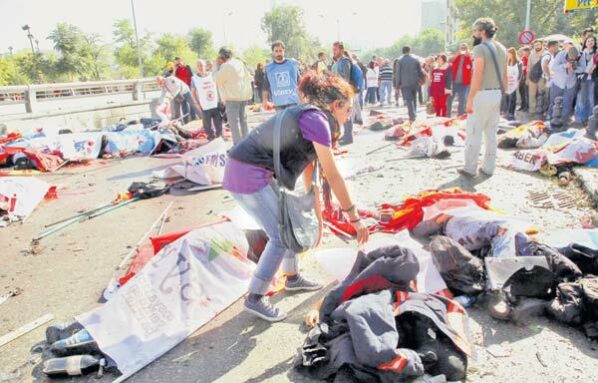
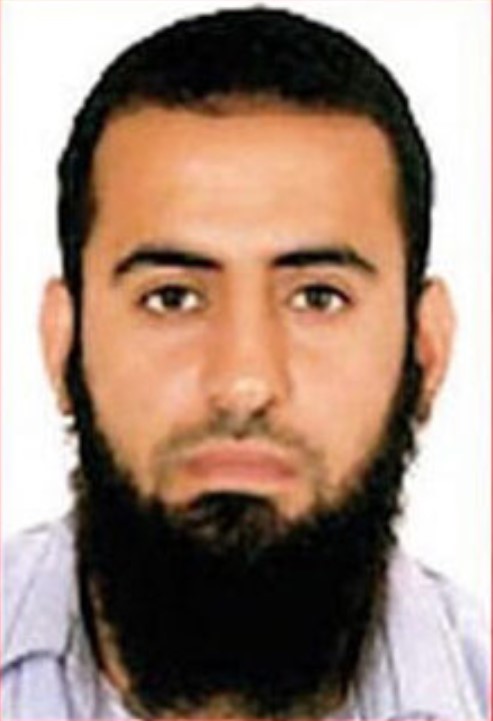
The debate intensified after confirmation that İlyas Aydın, known by the codename Ebu Ubeyde and described in indictments as ISIS’s so-called Istanbul emir, was moved from a prison in northeastern Syria to Iraqi custody. Aydın is wanted under an INTERPOL Red Notice for his alleged role in the July 20 , 2015, Suruç bombing and is named in court files related to the Ankara train station massacre on October 10, 2015, which killed 103 people and wounded more than 400.
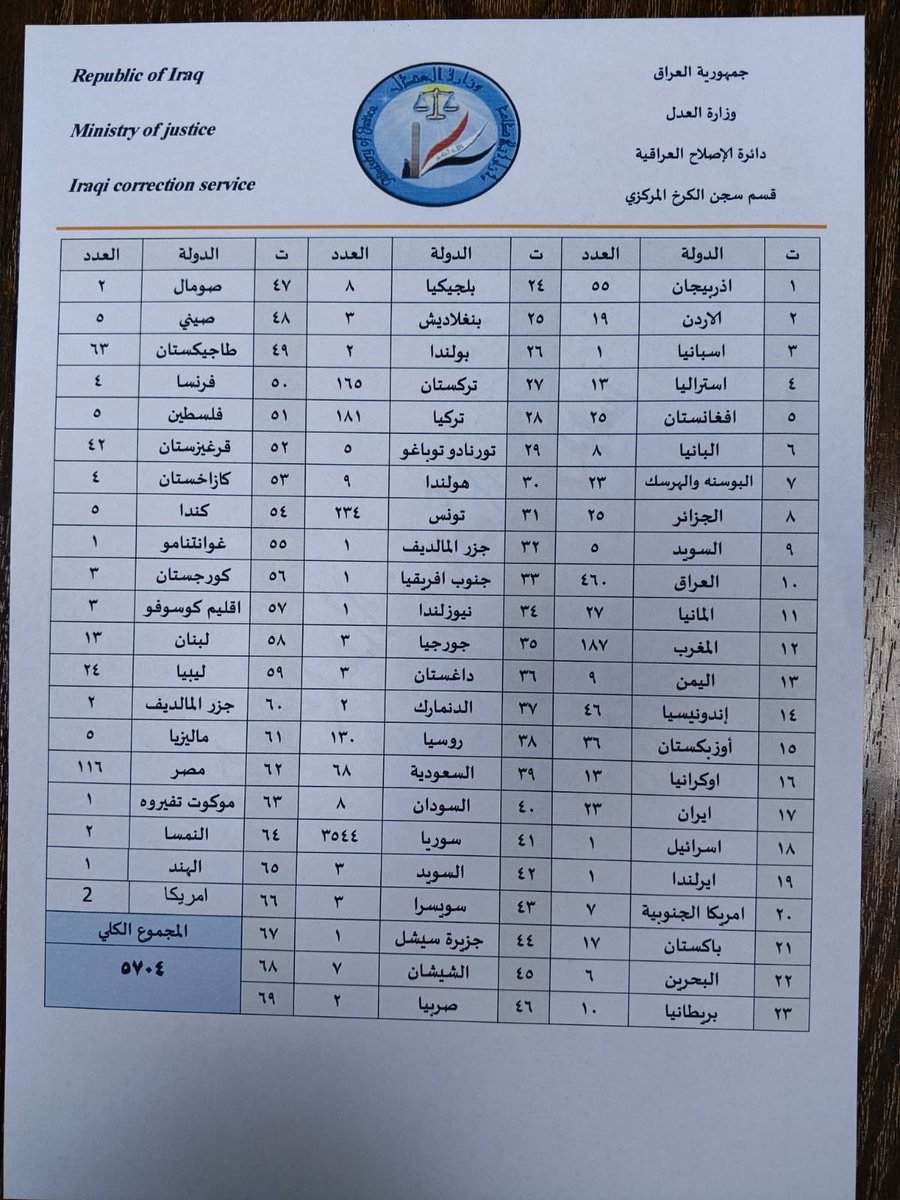
Iraqi authorities began transferring ISIS detainees from prisons formerly run by the Syrian Democratic Forces (SDF) on January 21, 2026, completing the process on February 12. A total of 5,700 ISIS members were sent to Iraq, including 166 Turkish citizens. Confirmation of Aydın’s transfer circulated on encrypted, ISIS-linked communication platforms, citing sources in the region, according to a report by journalist Hale Gönültaş.
Ankara has since confirmed that it is preparing diplomatic steps to secure the return of Turkish nationals held in Iraq after Iraqi interrogations are completed. Turkish Ambassador Anıl Bora Erdin said in Baghdad that Turkey and Iraq had reached a mutual understanding on the repatriation of Turkish ISIS prisoners. Iraqi media outlets reported his remarks under headlines stating that Turkey would take back more than 180 detainees of Turkish nationality. Erdin said a meeting would be held in Baghdad next month to finalize the mechanism for their return.
Iraq’s foreign minister, Fuat Hussein, also confirmed that Turkey would receive its citizens among the ISIS detainees transferred to Iraqi prisons. He said Baghdad welcomed Ankara’s decision but did not provide further details about the legal framework or timeline.

The new initiative marks a shift from Ankara’s previous stance regarding suspects believed to be in Syria. During a parliamentary session on November 18, 2025, lawmakers asked Foreign Minister Hakan Fidan why Turkey had never formally requested the extradition of fugitives linked to the Ankara train station bombing. Fidan did not respond during the hearing.
A previous official letter bearing Fidan’s signature, dated July 3, 2025, and sent to parliament in response to a written inquiry, stated that Turkey had not pursued extradition of suspects located in northern Syria. Instead, authorities relied on INTERPOL Red Notices. The letter acknowledged that no formal requests were made to Syrian or Iraqi authorities for detention or transfer in those cases.
Court records in the Ankara bombing trial list 26 suspects tried in absentia, 16 of whom remain at large. Judicial files indicate that Turkish authorities possessed intelligence regarding the identities and locations of several fugitives in northern Syria. A police memo submitted to the court stated that at least five suspects were identified through field reports and intercepts. Despite this information, no extradition requests were filed.
Among the most prominent fugitives is İlhami Bali, described in indictments as a senior ISIS operative accused of directing attacks including the Ankara train station bombing and the Suruç massacre. Parliamentary questions submitted on October 10, 2025, cited intelligence documents alleging that Bali traveled to Ankara in May 2016 and stayed at a hotel in the Söğütözü district under the supervision of intelligence personnel. The same documents indicated that he received treatment at a state hospital while arrest warrants were active.
Court correspondence shows that the Justice Ministry informed judges in a letter dated May 13, 2025, that there were no developments regarding extradition efforts and advised against seeking further updates unless new information emerged.
For years ISIS detainees were held in prisons administered by the SDF in northeastern Syria. Turkey considers the SDF to be linked to Kurdish militant groups it designates as terrorist organizations and did not maintain formal cooperation mechanisms with the group. There is no public record indicating that Ankara submitted extradition requests directly to SDF authorities for suspects in the Ankara bombing case.
The situation changed after the Syrian government launched operations earlier this year to retake control of northeastern territory. The transfer of detainees to Iraq placed Turkish nationals under the jurisdiction of Iraqi courts.
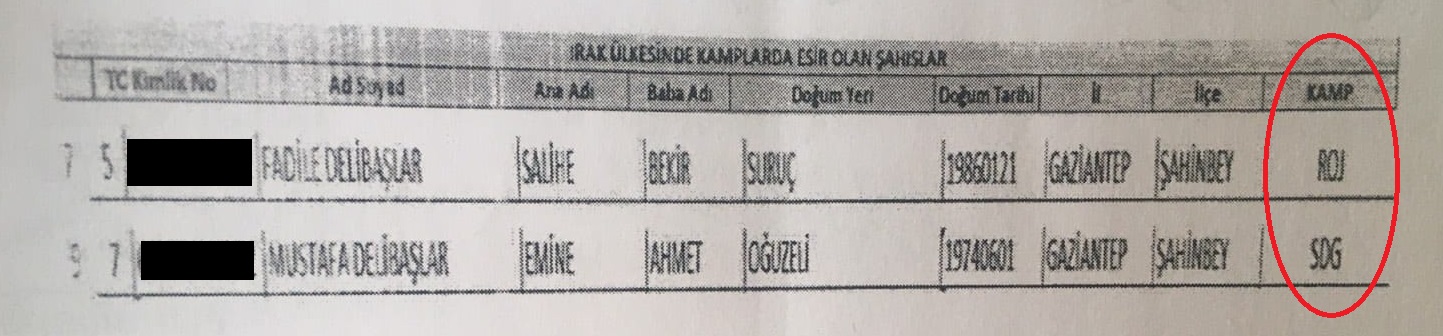
Under Iraq’s counterterrorism law, ISIS membership can carry the death penalty. Lawyers in Baghdad handling terrorism cases say proceedings are conducted with strict confidentiality, making it difficult for families to obtain information. Turkish families have contacted Iraqi law firms through attorneys in Turkey to confirm whether relatives are among those transferred.
The prospect of Iraqi death sentences appears to have accelerated Ankara’s response. Diplomatic contacts between Ankara and Baghdad have focused on implementing an existing prisoner transfer agreement that would allow Turkish citizens to be returned after Iraqi judicial procedures are completed.
Officials have not clarified whether all 166 Turkish nationals transferred from Syria will be repatriated or whether only selected individuals will be requested. They have also not specified how trials would proceed in Turkey or whether prior indictments would be consolidated.
For nearly a decade after the October 10, 2015, Ankara massacre, Turkey did not submit formal extradition requests for suspects believed to be in Syria, despite intelligence references to their locations. Within weeks of their arrival in Iraqi prisons in late January and February 2026, Ankara confirmed its intention to bring them back.
No detailed public explanation has been provided for the change in approach. As Iraqi interrogations continue, Turkish authorities have left open the possibility that some high-profile detainees could be transferred before public announcements are made. Whether the renewed effort will resolve longstanding questions surrounding the Ankara attack and the Suruç bombing remains uncertain.
The shift in policy has fueled a more pointed question in Ankara. For years Turkey did not seek the return of ISIS suspects held in northern Syria, even when court files indicated that authorities knew who they were and where they were located. Now that many of those same figures are in Iraqi custody, Ankara has moved quickly to signal it will take them back. Critics argue that repatriating them from Iraq before they are fully tried in a third country could limit the scope of public proceedings abroad and reduce the risk that sensitive details emerge about past contacts between certain ISIS operatives and Turkish intelligence officials. By ensuring that any prosecutions take place inside Turkey rather than in a foreign courtroom, the government would retain control over the judicial process and the flow of information, including testimony that could touch on alleged intelligence links from the early years of the Syrian conflict.