
Levent Kenez/Stockholm
The Turkish government is preparing a new regulatory framework that will require virtual private network (VPN) providers to obtain licenses and comply with state-defined obligations, with authorities warning that services failing to meet the requirements will be blocked nationwide. The move follows deadly school attacks in Şanlıurfa and Kahramanmaraş last week and is being presented as part of a broader effort to protect minors from harmful online content.
VPN is a software tool that routes a user’s internet connection through encrypted servers, masking their location and allowing them to access websites as if they were in another country. Many people in Turkey rely on VPNs because thousands of websites, news platforms and social media posts are blocked by the government. Without a VPN, users often cannot reach independent news sources, opposition voices or globally available content that is restricted within the country.

A series of violent school shootings last week struck the districts of Siverek in Şanlıurfa and Onikişubat in Kahramanmaraş, two cities in Turkey’s southeast, resulting in a national tragedy. The crisis began on April 14 at a school in Siverek, when a 19-year-old former student armed with a weapon attempted an attack that was fortunately thwarted without fatalities. However, the violence escalated the following day at a middle school in Kahramanmaraş, where a 14-year-old student at the same school opened fire on students and faculty. According to official reports the attack claimed the lives of nine individuals: eight students and one teacher.
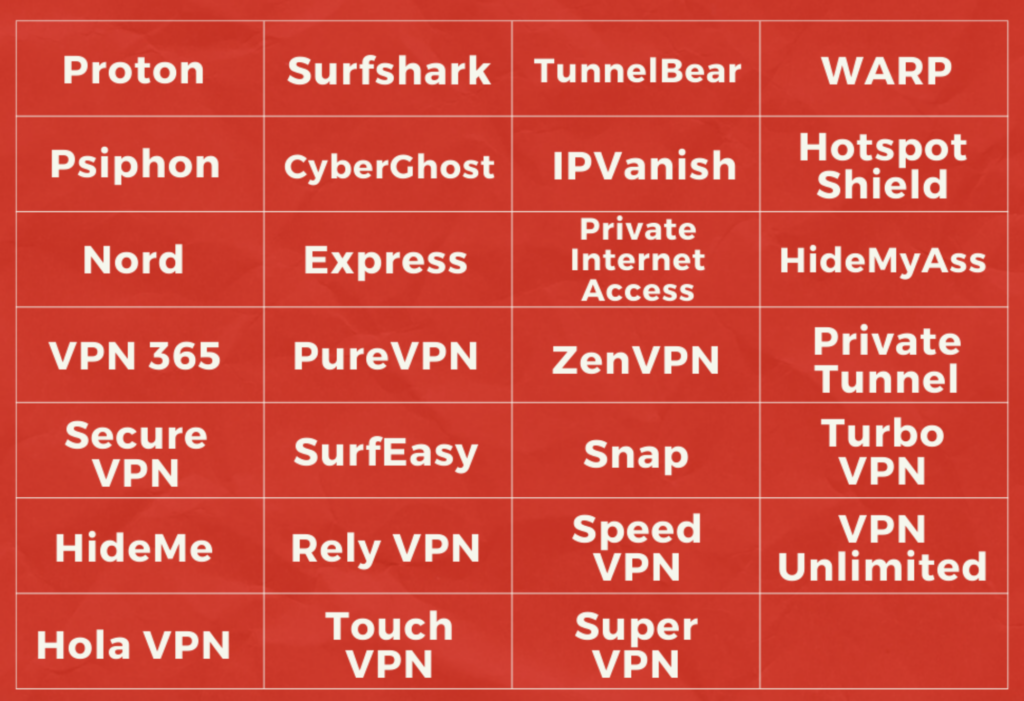
The proposed VPN regulation is part of a larger policy package that includes new controls on mobile access. A planned “child SIM card” system would allow parents to restrict access to certain categories of content at the network level. The controls would be implemented through telecom operators, limiting exposure to material defined by authorities as harmful or inappropriate. A number of VPN services in Turkey are already blocked; however, some services remain accessible and are still in use.
The initiative, expected to soon be introduced in parliament, would for the first time put service providers under direct state oversight. Authorities say licensed providers will be required to comply with Turkish law, including content restrictions and possible data obligations. VPN applications that do not obtain licenses or fail to meet these conditions are expected to be blocked entirely.
The government has linked the new measures to findings from the school attack investigations, stating that the perpetrators had been exposed to violent digital content. Officials have not released detailed forensic reports but have emphasized the role of mobile devices and unrestricted internet access in shaping minors’ behavior.
Turkey already operates one of the most restrictive internet environments among countries with competitive elections. Data from the Information and Communication Technologies Authority(BTK) show that more than 1 million websites and domain names have been blocked since 2007. Monitoring group EngelliWeb reported that as of 2024, over 1,264,506 individual URLs were inaccessible, along with tens of thousands of social media posts removed or restricted across platforms including X, YouTube, Facebook and Instagram.
Temporary nationwide restrictions on major platforms have become a recurring practice. Access to X, YouTube and Instagram has been slowed or blocked during political events, security operations and national emergencies. In 2023 access to X was restricted following two major earthquakes, limiting the flow of real-time information during rescue efforts.
VPN services have become a key tool for users seeking to bypass these restrictions. DataReportal reported that VPN downloads in Turkey increased by more than 400 percent during major access blocks. The data indicate that millions of users rely on such services to access news outlets, social media accounts and websites that are otherwise unavailable in the country.
From a technical perspective, licensing and blocking VPN services is unlikely to fully prevent circumvention. VPN protocols can be modified to avoid detection, and encrypted traffic can be routed through alternative systems that do not depend on commercial providers. Tools such as Tor, Shadowsocks and encrypted DNS services allow users to mask internet activity in ways that are difficult to distinguish from normal traffic without extensive monitoring systems.
Even if widely used VPN applications are removed from app stores or blocked at the network level, new services can emerge quickly, often distributed through decentralized channels or hosted abroad. Users can also set up private VPN servers using foreign infrastructure, bypassing restrictions placed on commercial services.However, since it is not realistic to expect all users to follow technology so closely, many people will still be exposed to censorship.

The VPN regulation is being developed along with additional measures that would expand identity verification online. Justice Minister Akın Gürlek said the government plans to require social media users to log in using national identification numbers. Accounts not linked to verified identities would be subject to closure after a period of transition.
Authorities say the identity requirement is intended to address disinformation and abusive content. Turkey’s Penal Code includes Article 217, which calls for prison sentences of up to three years for spreading information deemed misleading in relation to public order or national security. Court records show the provision has been applied in cases involving journalists and social media users.
The combination of identity verification and VPN restrictions would significantly change how users access online platforms in Turkey. Anonymous accounts, widely used for political expression, would become difficult to maintain under a system that directly links user activity to verified identities.
Turkey’s digital regulatory framework has expanded steadily in recent years. A 2020 law required social media companies to appoint local representatives and comply with court orders to remove content or face bandwidth reductions. Parliamentary records show that global platforms including TikTok and Google have complied with Turkish legal requirements, including content removal and data requests.
Changes to platform algorithms have also affected media visibility. Several Turkish news organizations reported traffic declines of up to 80 percent following updates to Google News and Discover in 2025, according to statements submitted to parliament.
The school attacks in Şanlıurfa and Kahramanmaraş intensified public debate over online safety and minors’ exposure to digital content. The government’s response directly links those concerns to internet access and platform regulation.
Ultimately, restrictions on social media access in Turkey are widely viewed as part of a broader political approach by the government of President Recep Tayyip Erdogan to manage dissenting voices, including journalists and media outlets operating from abroad. The expansion of digital controls reflects a media environment in which traditional television and print outlets remain largely under pro-government influence, making online platforms one of the few remaining spaces for alternative political expression.
A recent political shift in Hungary offers a contrasting example of how digital platforms can shape electoral outcomes when opposition movements gain momentum. In the most recent election, Prime Minister Viktor Orbán and his Fidesz party were defeated after 16 years in power, with the opposition securing victory. During the campaign, opposition groups relied heavily on social media platforms such as Facebook to communicate directly with voters, organize political messaging and counterbalance a traditional media landscape long dominated by government-aligned outlets. The campaign led by opposition figures demonstrated how online platforms can become central instruments of political competition when access to traditional media is unevenly distributed, a development closely watched in Ankara.