
Hundreds of civilians have been killed in violent incidents in Syria’s Latakia and Tartus provinces since March 6, with alleged massacres linked to Turkish-backed jihadist groups and their commanders.
At least 11 security force personnel were killed in an attack carried out by remnants of the ousted Bashar al-Assad regime in Jableh, Latakia, on March 6. Following the attack, the Syrian army deployed reinforcements to Latakia and Tartus, consisting of hundreds of vehicles, including tanks, armored personnel carriers and multiple rocket launchers. A military operation was launched to capture regime elements in the region.
Additionally, jihadist groups, including foreign fighters, moved toward the area, seeking retaliation.
According to the UK-based Syrian Observatory for Human Rights (SOHR), the fighting has resulted in approximately 1,500 deaths, including more than 900 civilians.
Analysts say jihadist factions allied with Hayat Tahrir al-Sham (HTS), along with foreign fighters operating in Syria, played a role in the civilian casualties, most of whom were Alawites. While the interim government has denied ordering attacks on civilians, sources suggest it doesn’t have the power to control some extremist groups seeking revenge.
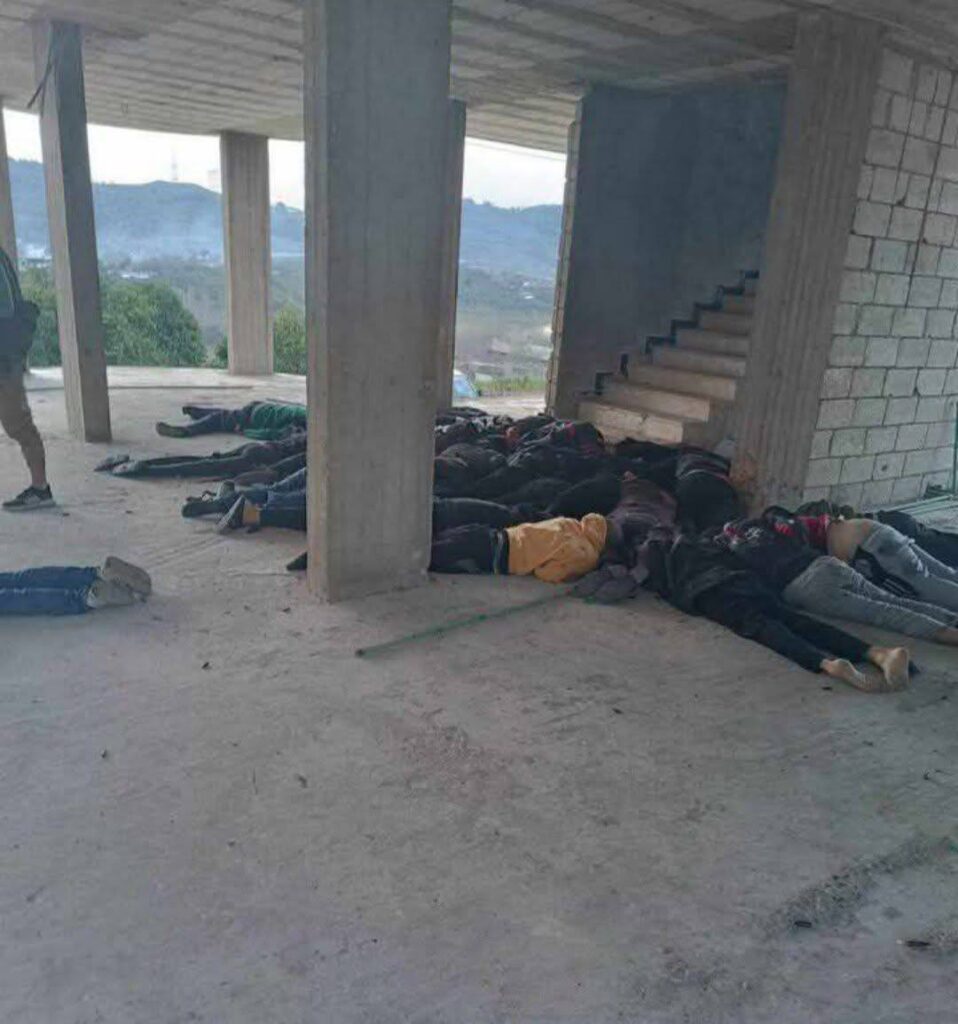
Two jihadist groups allegedly responsible for civilian deaths are well known in Turkey.
French legal expert and researcher Cédric Labrousse has released a report on his X account examining recent violence in Syria’s coastal regions. His investigation focuses on extrajudicial killings and armed conflicts involving various factions, including groups integrated into the new Syrian security forces. The report highlights key actors involved in the unrest and details the operational dynamics contributing to the instability.
Recent developments indicate that former regime loyalists are increasingly organizing and engaging in guerrilla warfare against the new Syrian government. In response, government-aligned forces have conducted numerous raids and security operations. However, reports suggest that these operations have involved serious human rights violations, including targeted executions and mass arrests.
The Coastal Defense Brigade, led by former pro-Assad militia leader Mukdad Fatiha, announced its formation on February 6. This group, initially dismissed by Hayat Tahrir al-Sham (HTS) as a threat, has since carried out multiple attacks, including an assault on an HTS checkpoint in Al-Haffa on February 7. In retaliation, the security forces launched widespread crackdowns in Alawite-majority areas, resulting in extrajudicial killings.
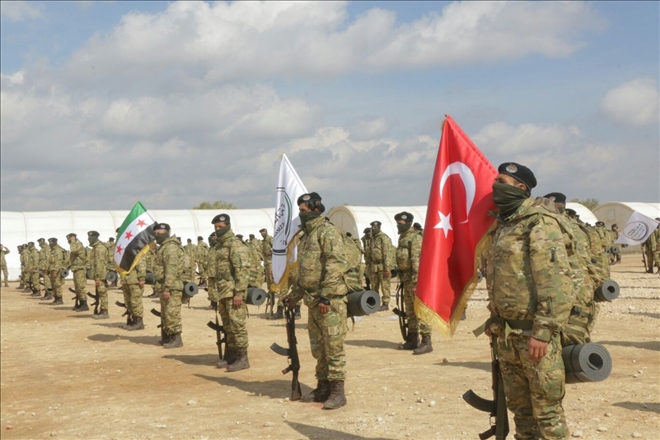
A significant focus of Labrousse’s report is Mohammed Jasim, also known as Abu Amsha, the commander of the Sultan Suleiman Shah Division, a Turkey-backed militia. On March 6-7 forces under Abu Amsha’s command were deployed from Homs to Tartus, where they reportedly carried out violent operations. Eyewitness accounts and video evidence indicate that his fighters executed civilians, primarily male residents suspected of supporting opposition groups.
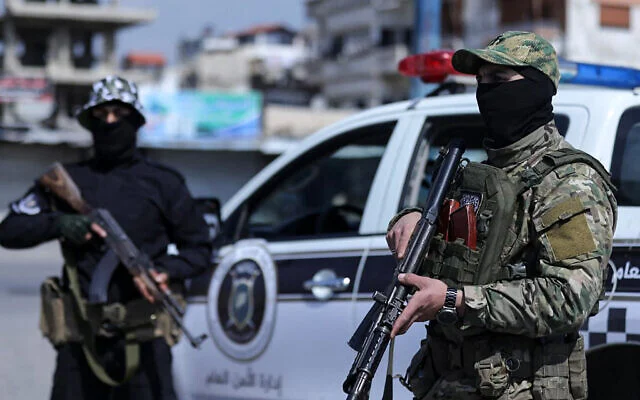
Abu Amsha, a former leader in the Syrian National Army (SNA), has a longstanding reputation for criminal activity, including extortion, torture and targeted assassinations. His forces were previously accused of committing war crimes in Afrin in 2018 and other Turkish-controlled regions. Despite these allegations, he has maintained a strong position in Turkey’s proxy military structures and continues to receive external support.
The integration of former SNA factions into the new Syrian security apparatus has created divisions. While some units have aligned with the government of Ahmed al-Shaara, others, including Abu Amsha’s forces, have resisted central authority. This defiance is reflected in Abu Amsha’s recent public criticism of the government’s policies, particularly its efforts to implement pluralistic governance.
Evidence suggests that despite nominally operating under the new administration, Abu Amsha’s faction acts independently. His forces participated in operations targeting former regime loyalists, but they also appear to function outside direct government oversight, raising concerns about parallel military structures within the Syrian armed forces.
Labrousse’s report emphasizes the persistent influence of Turkish-backed militias in post-Assad Syria. Figures such as Abu Amsha and Sayf Abu Bakir, leader of the Hamza Division within the SNA, have maintained operational autonomy, challenging the authority of the new government. These groups have been linked to past war crimes and continue to operate despite international sanctions.
The ongoing violence in Syria’s coastal provinces suggests that the government is struggling to exert full control over armed factions. The presence of multiple semi-independent militias complicates efforts to establish security and stability. International observers remain concerned that foreign-backed groups could further destabilize the region, prolonging the conflict and undermining efforts at governance.
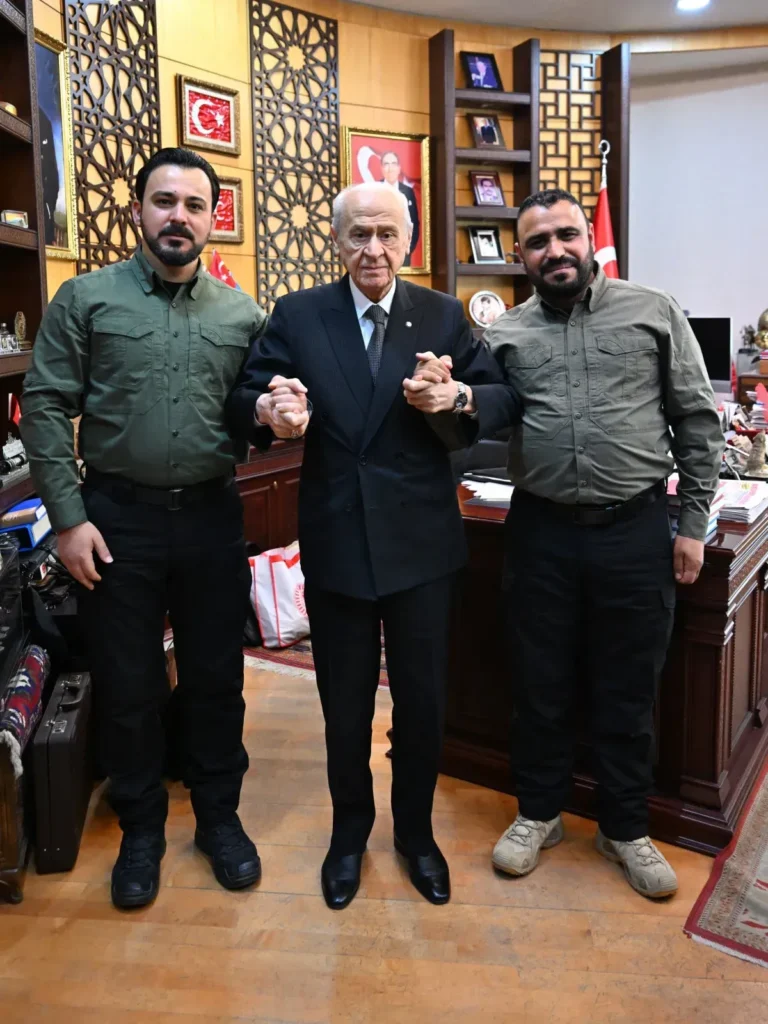
Abu Amsha and Sayf Abu Bakir gained attention after visiting Devlet Bahçeli, leader of the Nationalist Movement Party (MHP) and a key ally of Turkish President Recep Tayyip Erdoğan, on December 19, 2024. Following the fall of Bashar al-Assad’s regime on December 8, the two traveled to Ankara to declare their allegiance to Bahçeli. Photos of the pair vacationing with mafia leaders linked to the MHP were also published.