Levent Kenez/Stockholm
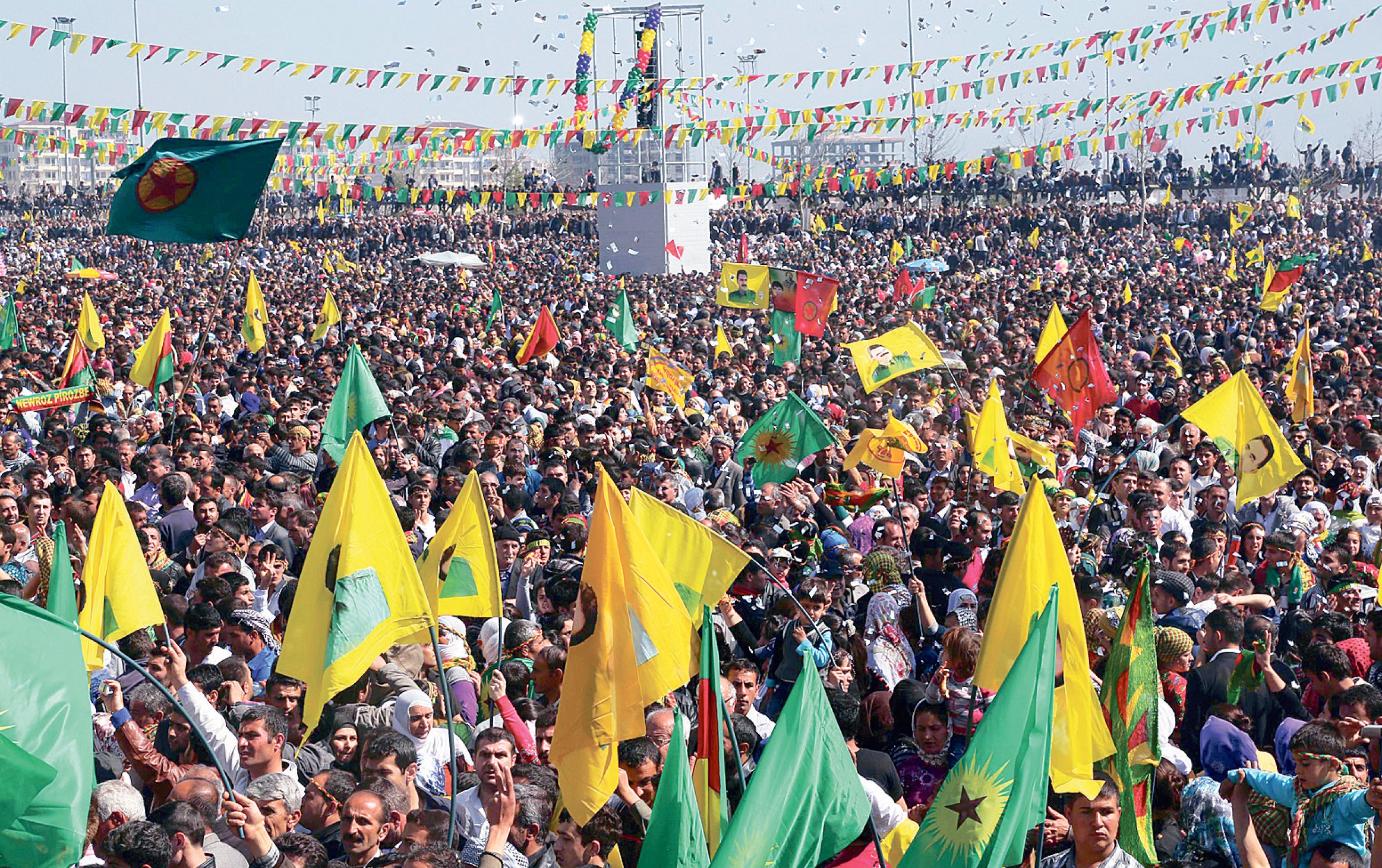
A new report titled “SETA Security Radar: Turkey’s Geopolitical Landscape in 2025,” published by the SETA Foundation, a government-funded propaganda think tank of Turkey’s ruling party, highlights a growing threat to Turkey’s national security, with the outlawed Kurdistan Workers’ Party (PKK) acquiring advanced anti-drone technology, allegedly with assistance from Iran.
According to the report, Turkey’s security environment is increasingly shaped by the PKK’s evolving strategies and external support. These developments are particularly concerning as they intersect with Iran’s regional interests.
Turkey has designated the PKK as a terrorist organization and also views the People’s Defense Units (YPG) and the Syrian Democratic Forces ( SDF) as its affiliated groups. The PKK is a militant group seeking autonomy for Kurds in Turkey, while the YPG and SDF are Kurdish-led military factions in Syria, often linked with the PKK in their ideological and organizational ties.
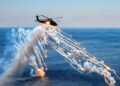
The PKK’s newfound access to anti-drone weaponry represents a significant shift in the group’s capabilities. The report references reports from the Qatar-funded Middle East Eye, which is close to the Turkish government, stating that in May 2024 the PKK used an Iranian-supplied 358 loitering missile to down a Turkish Aksungur armed drone. This marked the first instance of the PKK deploying such an advanced system. The report suggests that the system was delivered in parts by Iran and assembled near Sulaymaniyah, Iraq.
The SETA report emphasizes that this poses a direct threat to Turkey’s air superiority and intelligence-gathering capabilities, which are largely dependent on drone technology in tactical, surveillance and counterterrorism operations. By providing advanced weapon systems to the PKK, countries supporting the group are enhancing its operational capabilities, further complicating Turkey’s security challenges.
The report further claims that Iran’s motives for supporting the PKK might align with its broader strategy to counterbalance Turkey’s influence in Syria and Iraq. Tehran’s actions could escalate tensions, especially as both nations seek to shape the future of the region in the wake of the ouster of the Bashar al-Assad regime.
Report that includes SETA’s annual foreign policy forecasts:
At the same time, the SETA report stresses the importance of regional diplomacy. Turkey continues to advocate for cooperation with Iraq and Syria’s transitional government to curb the PKK’s influence. However, the report warns that the group’s ability to exploit power vacuums in the region remains a significant risk.
According to the report’s projections, the potential absence of a US presence in Iraq could weaken the central government’s ability to maintain control over unstable regions like Sinjar and the Qandil Mountains, where the PKK operates. This scenario could lead to two significant outcomes. First, the PKK may exploit the weakened Iraqi state to consolidate political influence, particularly in areas with a dense Kurdish population. Second, Iran’s increasing political influence in Iraq could further embolden the PKK, allowing it to strengthen its foothold in the region.
Since October 2024, it has been reported that the Turkish government has been in direct contact with PKK leader Abdullah Öcalan, who has been imprisoned in Turkey since 1999, with discussions focused on the potential release of Öcalan as part of efforts to disband the organization. In return, the focus is on improving the situation of Kurds in Turkey, lifting pressures on their identity and considering a general amnesty that would benefit current PKK members and those imprisoned for PKK-related offenses. This follows the failure of a similar initiative in 2013, after which Turkey once again found itself caught in a cycle of terrorism. Additionally, Turkey advocates for groups in Syria allegedly linked to the PKK to lay down their arms and come under the control of the central Syrian government.
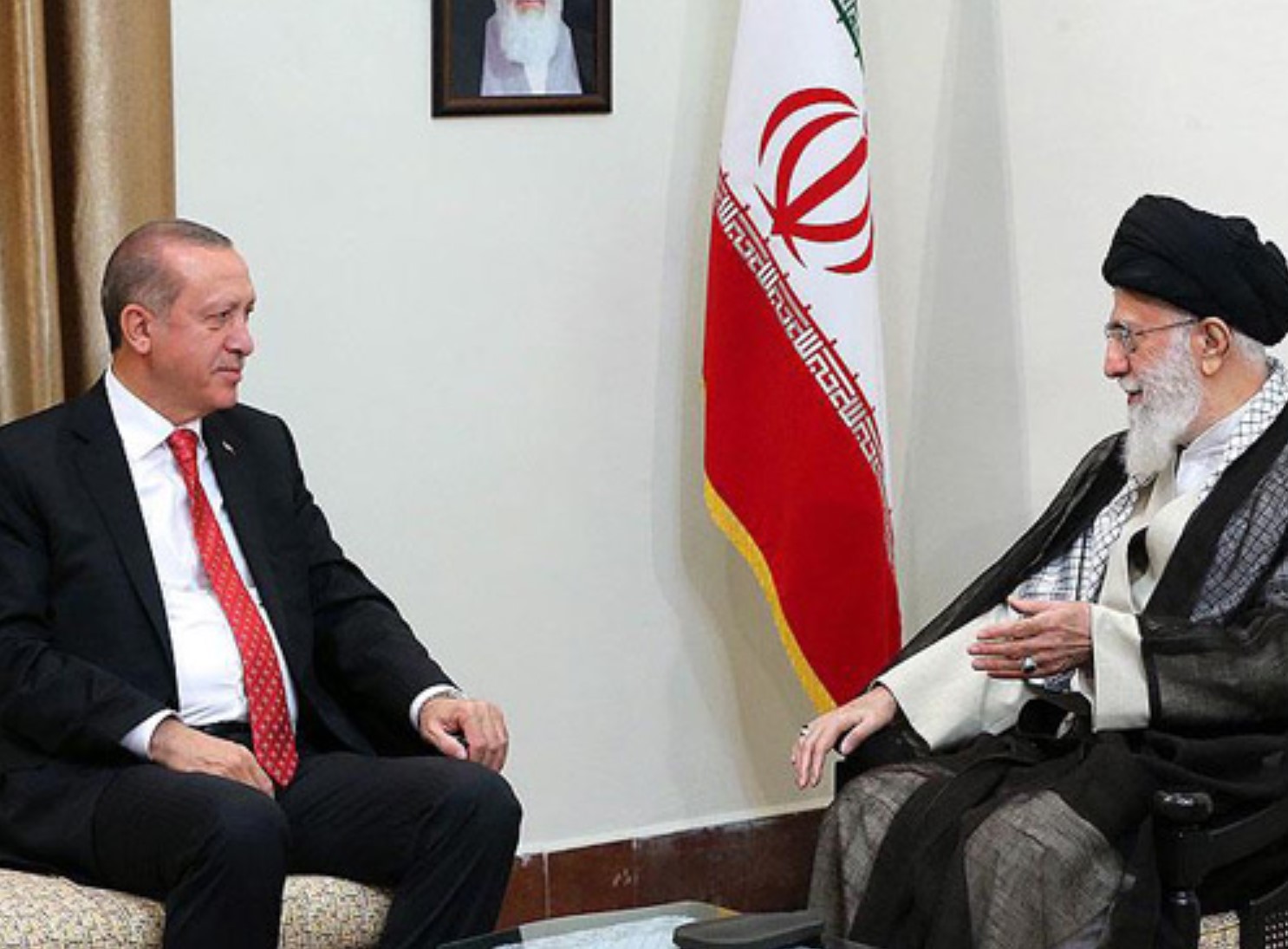
The chapter of the report focusing on Turkey-Iran relations emphasizes the complex interplay of competition and cooperation, shaped by significant developments in Iraq, Syria and the South Caucasus. One key factor driving tensions is Turkey’s Development Road project, which seeks to connect the Persian Gulf to Europe via Iraq, thereby strengthening Ankara’s regional influence. While this initiative has fostered closer ties in the region, it has raised concerns in Tehran, which perceives it as a challenge to its traditional dominance in Iraq. Additionally, the report points to the diminishing influence of Iran in Iraq as Shia leaders become increasingly critical of Tehran’s role.
In Syria, the 2024 fall of the Assad regime marked a crucial turning point. Iran, which had long supported Assad to maintain strategic depth in the region, now faces difficulties in preserving its influence. Meanwhile, Turkey has gained leverage by backing the opposition forces that have taken control of Damascus, shifting the regional balance of power in Turkey’s favor.
Furthermore, the construction of the Zangezur Corridor in the South Caucasus, which connects Turkey to Azerbaijan while bypassing Iran, has further strained relations. Tehran views the project as undermining its regional connectivity, yet it continues to progress under international agreements despite Iran’s opposition.
The report also details Turkey’s careful approach to Iran’s broader global issues, particularly its nuclear program. While Turkey supports the peaceful use of nuclear energy, it has refrained from becoming involved in disputes concerning Iran’s missile program and militias.
SETA has also become a tool used to convey Turkey’s official foreign policy to the US and Europe. Last May, Burhanettin Duran, former director-general of the SETA Foundation, was appointed Turkey’s deputy foreign minister. Duran was previously a columnist for Sabah, a newspaper owned by the family of Turkish President Recep Tayyip Erdogan, where he regularly wrote opinion pieces on foreign policy and politics in a style resembling party propaganda. Duran has been a member of the Presidential Security and Foreign Policy Board since 2018.