

Levent Kenez/Stockholm
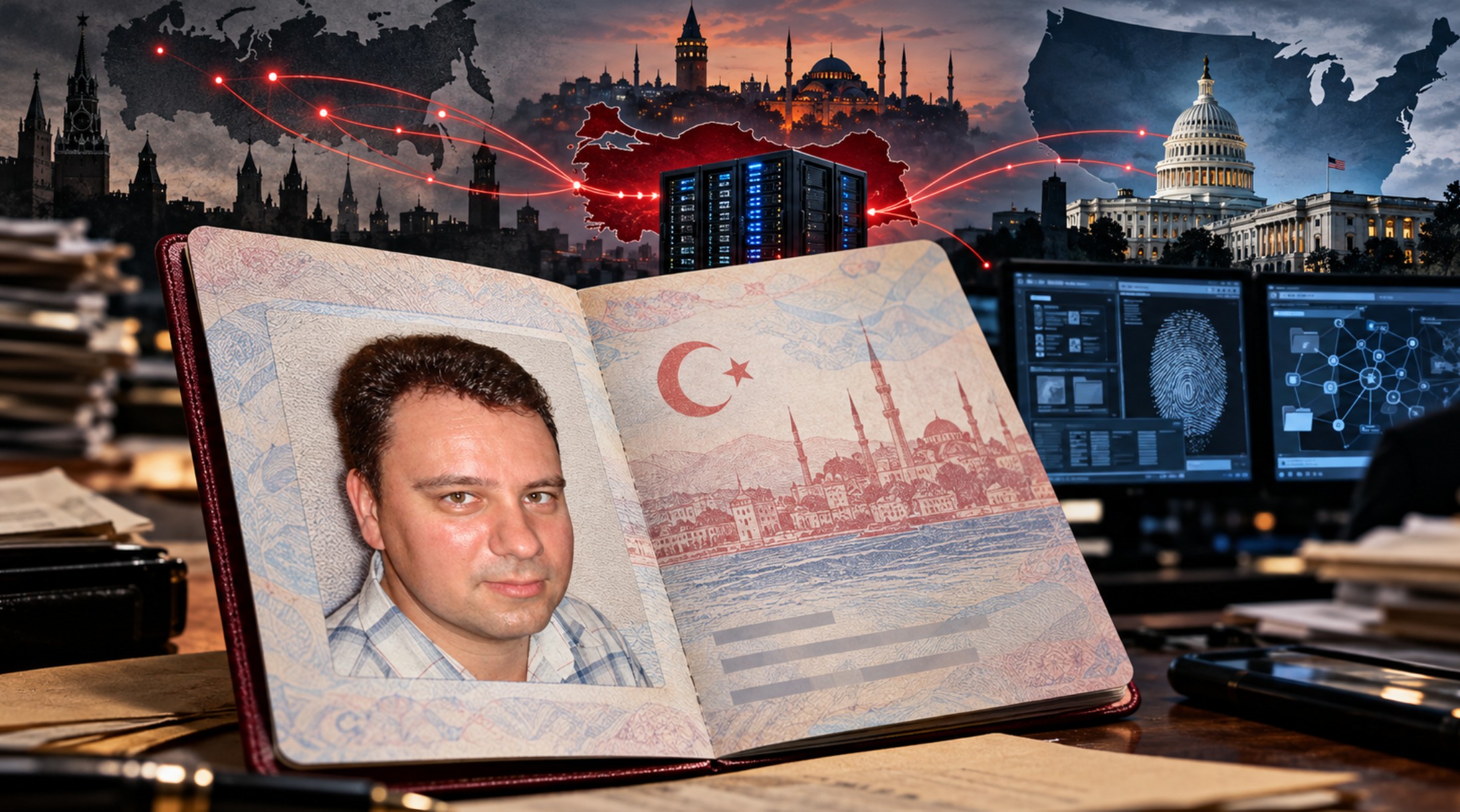
A Turkish businessman accused by prosecutors of working as an agent for Israel, the United States and Britain told a court that he had in fact operated on behalf of Turkey’s intelligence establishment for years, in testimony that cast new attention on a politically charged espionage case targeting jailed İstanbul Mayor Ekrem İmamoglu and other government critics.
The defendant, Hüseyin Gün, argued during hearings in İstanbul on May 11 that it was implausible for Turkey’s intelligence and counter-espionage institutions to have remained unaware of his activities for decades if he had truly been operating as a foreign spy. He suggested that his longstanding interactions with state institutions contradicted the accusations promoted by prosecutors and pro-government media outlets.
The case is one of several legal proceedings brought against İmamoglu, President Recep Tayyip Erdogan’s most prominent political rival and the opposition figure widely expected to challenge him in Turkey’s next presidential race.
Opposition parties and civil society groups have described the prosecutions as an effort to eliminate Erdogan’s strongest electoral opponent through the courts. İmamoglu, from the main opposition Republican People’s Party (CHP), had emerged as the opposition bloc’s presidential candidate for the 2028 general election. Turkish authorities first annulled his university diploma, a constitutional requirement for presidential candidates, effectively jeopardizing his eligibility to run. He was later jailed in a separate corruption investigation targeting the İstanbul Metropolitan Municipality and removed from office pending trial.
Prosecutors later expanded the pressure campaign by filing a separate indictment accusing İmamoglu, journalist Merdan Yanardag, campaign adviser Necati Özkan and businessman Hüseyin Gün of political and military espionage. Prosecutors are seeking prison sentences of between 15 and 20 years.
The espionage investigation centers on allegations that data from millions of users of a digital services platform launched by the İstanbul Municipality was transferred abroad and later appeared in dark web markets. Prosecutors also allege that election-related voter information connected to municipal systems was improperly processed and leaked.
During his testimony, however, Gün said he had worked overseas after a July 15, 2016 coup attempt in coordination with Turkish state objectives targeting members of the faith-based Gülen movement living abroad.
According to his account, he gathered information in Europe and the United States about individuals affiliated with the movement, including their identities, addresses, financial assets and personal networks, and shared the findings with Turkish authorities.
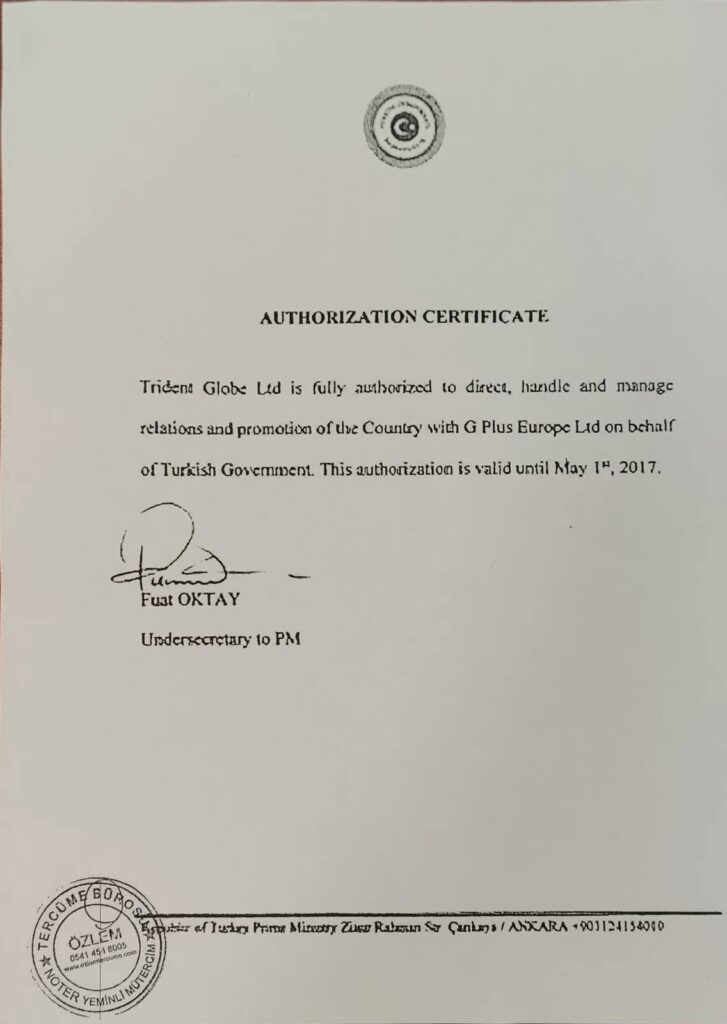
Gün also told the court that his companies, Trident and GPlus, had been granted broad authorization to represent Turkish state interests abroad during the post-coup period. He said the authorization document was issued in October 2016 and was valid until May 2017.
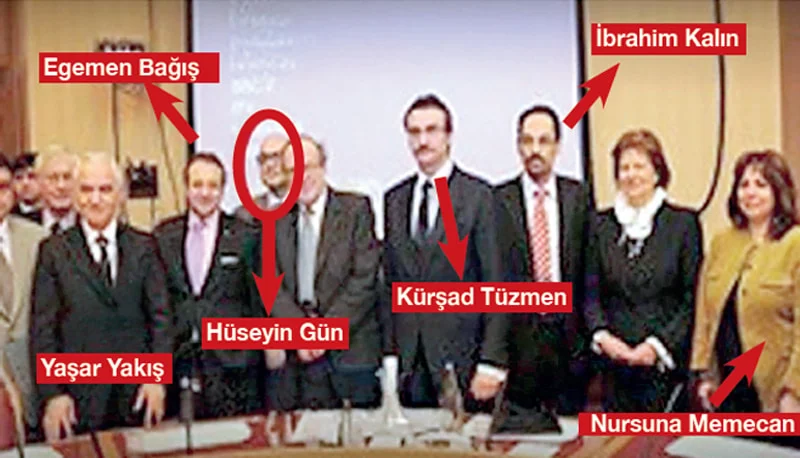
According to Gün, the document was signed by Fuat Oktay, who at the time served as undersecretary to the prime minister before later becoming Turkey’s vice president. Gün said the authorization empowered his companies to manage and coordinate international relations and promotional activities on behalf of the Turkish state.
Gün also acknowledged discrepancies between his earlier statements to investigators and his testimony in court. He said that when he was first detained in July and questioned about his overseas activities, he intentionally described them as commercial work because he did not want to disclose what he characterized as state secrets. At the same time, Gün did not retract his earlier testimony. When the presiding judge asked whether he wished to correct any part of his previous statements, he replied that he did not.
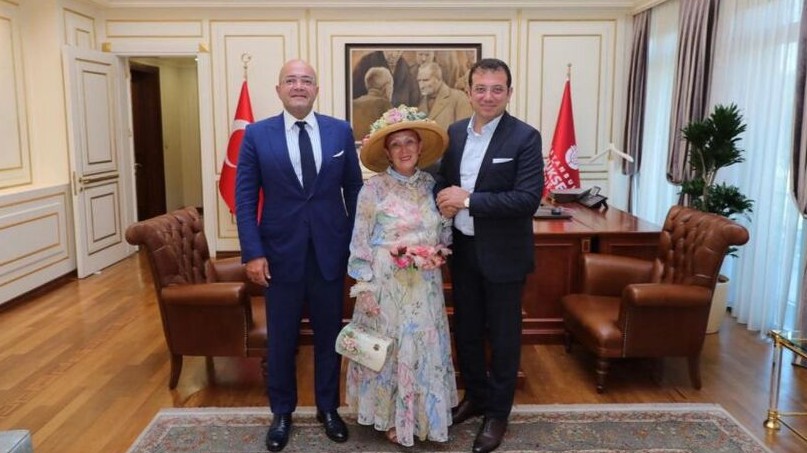
He added that copies of the authorization document and official translations had been submitted to the court through his lawyer. As of Thursday, Oktay had not publicly denied Gün’s claims about the document or the alleged authorization.
Gün also described extensive contacts with figures close to Turkey’s ruling establishment, including senior politicians and officials who continue to hold influential positions.
He said he became involved with British policy circles through the London-based Global Strategy Forum and helped facilitate meetings involving Turkish officials at Britain’s House of Lords.
Gün also claimed to have been involved in a covert structure known as “Black Cell,” an unofficial network that allegedly carried out Turkish intelligence and lobbying activities in Britain and the United States after the 2016 coup attempt. The group was described as working to counter the international activities of the Gülen movement and support Turkish state interests abroad.
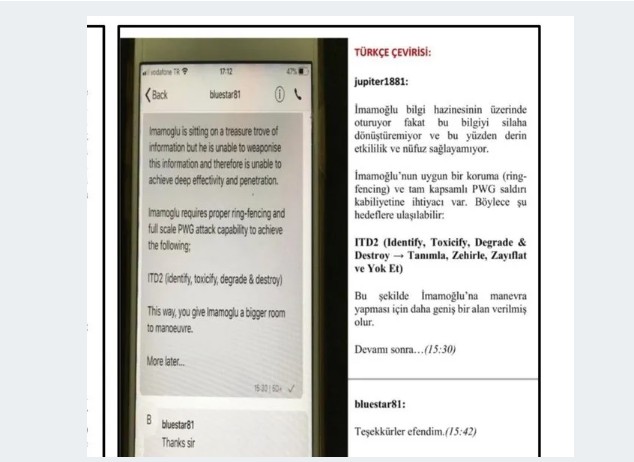
Reports based on internal documents attributed to the network said its activities included lobbying British political institutions, organizing contacts between Turkish officials and British policymakers and encouraging British authorities to investigate Gülen-linked charities, associations and financial networks operating in the UK.
The documents also described efforts to strengthen security cooperation between Turkey and Britain in areas such as cyber security and electronic warfare. According to the reports, individuals linked to the network had meetings with officials connected to the British government and sought to persuade British institutions to share intelligence and cooperate more closely with Ankara on counterterrorism matters.
Some of the reported activities focused on financial pressure campaigns targeting organizations associated with the Gülen movement abroad. The documents claimed the network attempted to convince British financial institutions to scrutinize or restrict accounts and money transfers linked to Gülen-affiliated groups.
Turkish President Recep Tayyip Erdoğan first branded the movement as a terrorist organization in the aftermath of the December 2013 corruption investigations that incriminated him, his family members and his business and political associates in an Iran sanctions-busting scheme. He accused the late Fethullah Gülen, who inspired the movement, of initiating the graft probes, an accusation that Gülen denied. The government later officially designated the movement as a terrorist organization in May 2016. It also accuses the Gülen movement of orchestrating the controversial coup attempt on July 15, 2016. The movement, however, strongly denies any involvement. Many believe the coup attempt was a false-flag operation Erdogan used to purge his opponents in the military and consolidate power.
The testimony attracted attention because the Turkish government-aligned media had previously portrayed Gün as an operative connected to Israeli, British and American intelligence services. Following his courtroom remarks describing alleged cooperation with Turkish authorities, many of those same outlets did not prominently report his statements.
The court adjourned the trial until July 6 as proceedings in the espionage case continue against İmamoglu and the other defendants.