
Levent Kenez/Stockholm
Selçuk Bayraktar, chairman of Turkish drone manufacturer Baykar and son-in-law of President Recep Tayyip Erdogan, has entered the list of Turkey’s 10 richest individuals for the first time, according to Forbes’ updated 2026 ranking, reflecting a sharp rise in wealth generated by military drone exports.
Forbes estimated Bayraktar’s personal fortune at $2.7 billion, placing him ninth among Turkey’s wealthiest business figures. The ranking marked the first time Bayraktar joined the country’s top 10 richest individuals since Forbes began tracking his wealth.
The updated list showed food industry executive Murat Ülker retaining first place with an estimated fortune of $5.3 billion, followed by energy investor Şaban Cemil Kazancı with $5.1 billion. Construction entrepreneur Erman Ilıcak ranked third with $3.7 billion while Feridun Geçgel placed fourth with $3.4 billion. Banker Ferit Faik Şahenk ranked fifth with $3.1 billion.
Selçuk Bayraktar’s entry into the top tier represented one of the most significant changes compared to previous rankings. Forbes data showed that Bayraktar ranked 21st in 2025 before moving into the top 10 following a substantial increase in Baykar’s valuation driven by defense exports.
His brother Haluk Bayraktar, chief executive officer of Baykar, also recorded a major increase in wealth. Forbes estimated Haluk Bayraktar’s net worth at $2.4 billion in 2026, bringing the combined wealth of the Bayraktar brothers to more than $5 billion.

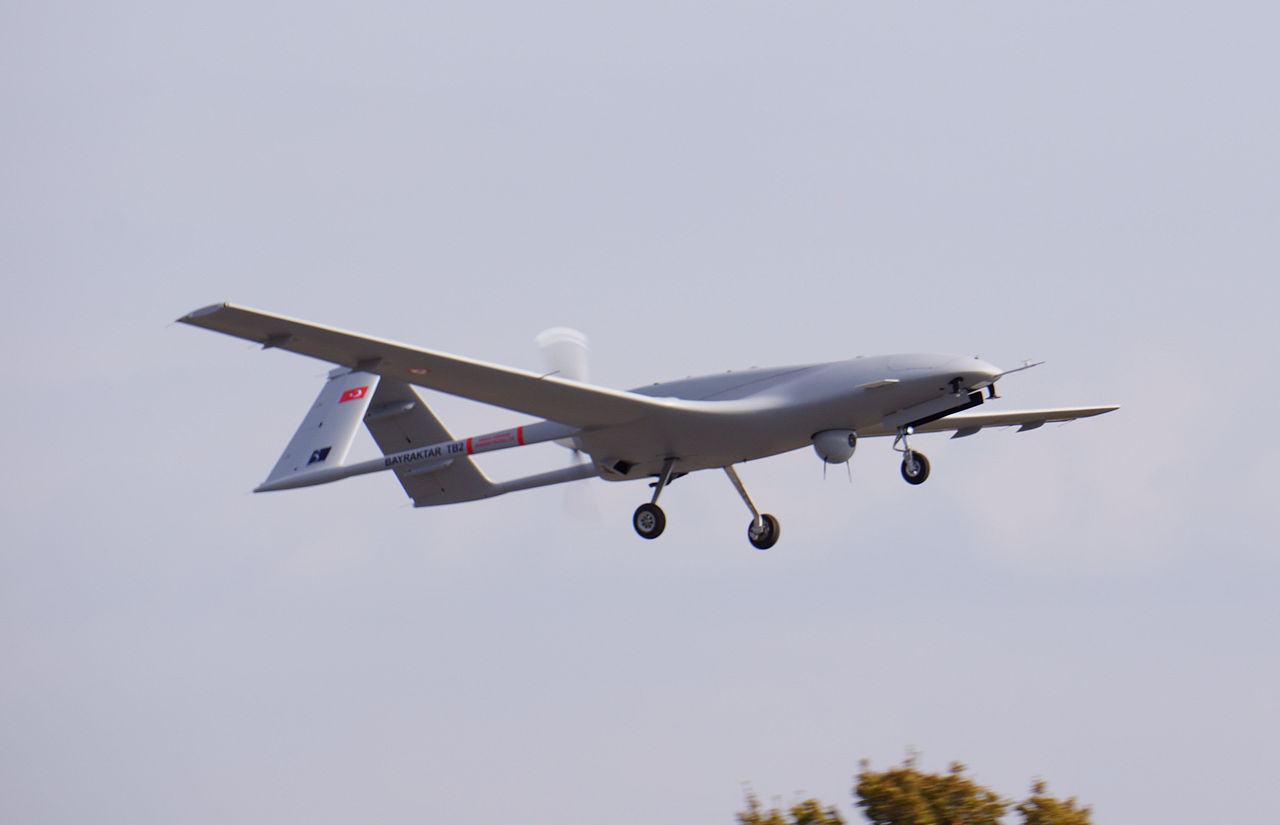
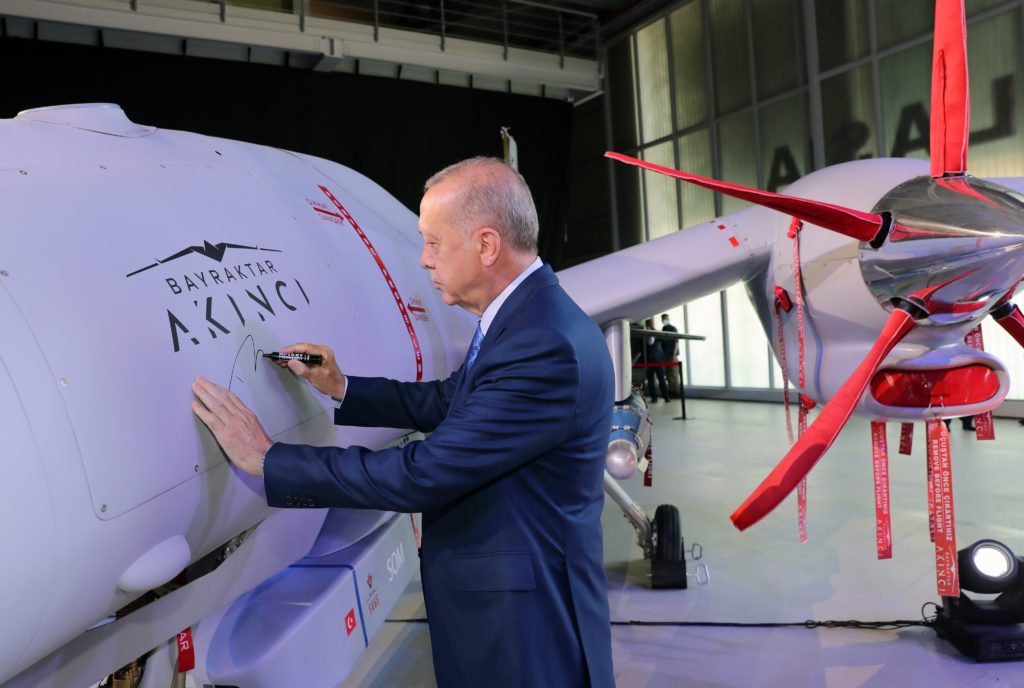
Baykar produces unmanned aerial vehicles including the Bayraktar TB2 armed drone and the Akinci combat drone system. The company has expanded rapidly over the past decade as Turkey increased investments in domestic defense manufacturing and promoted locally produced military systems abroad.
Company data previously cited in public disclosures showed Baykar’s exports reaching billions of dollars annually, with contracts signed with militaries across Europe, Africa, the Middle East and Central Asia. Turkish officials have repeatedly described defense exports as a strategic priority aimed at strengthening geopolitical partnerships.
Selçuk Bayraktar owns 52.5 percent of Baykar, while Haluk Bayraktar controls the remaining 47.5 percent. The company was originally established in 1984 by their father Özdemir Bayraktar as an automotive parts manufacturer before shifting to drone production.
Baykar drones have been used in conflicts in Libya, Ukraine and the 2020 Nagorno-Karabakh war between Azerbaijan and Armenia. Turkish officials have frequently highlighted battlefield performance during diplomatic engagements promoting defense cooperation agreements.
President Erdogan has personally promoted Baykar drones while on official state visits and at bilateral meetings with foreign leaders. Government delegations accompanying Erdogan have often included defense industry representatives during negotiations involving military procurement.
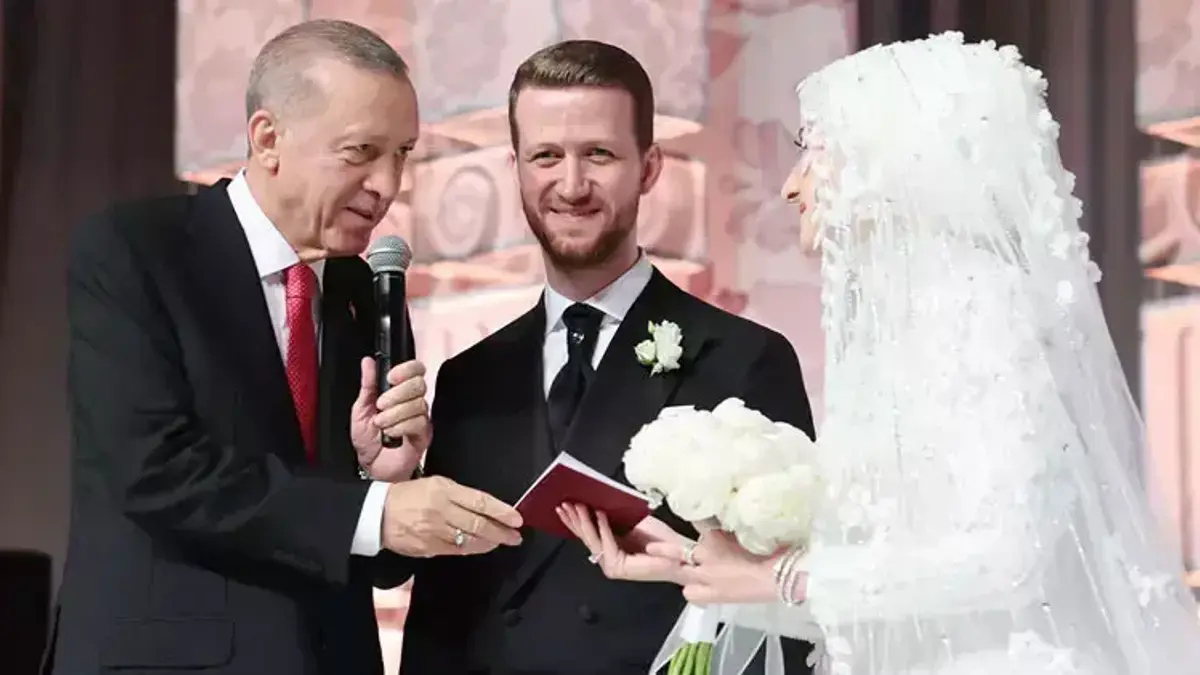
Selçuk Bayraktar married Erdogan’s daughter Sümeyye Erdogan in 2016. The family relationship has drawn sustained criticism from opposition politicians, who argue that Baykar benefited from privileged access to state resources, public financing mechanisms and procurement opportunities.
Source:Forbes
Nordic Monitor previously reported that Ankara used financial arrangements linked to foreign aid policies to facilitate drone sales abroad. Turkey restructured debts, forgave loans or provided grants to several African and Central Asian countries that later purchased Baykar drones.
The Turkish government has not publicly confirmed country-specific arrangements cited in those reports and maintains that defense exports comply with international commercial regulations.
Baykar also benefited from extensive use of state infrastructure and testing facilities developed by the Turkish Armed Forces over decades of publicly funded drone research programs.
Former officials involved in earlier unmanned aircraft projects alleged that competing drone initiatives at state-affiliated defense contractors lost political backing as Baykar expanded its market dominance. Turkish authorities have not issued detailed responses to those claims.
Baykar drones have also generated revenue through domestic leasing arrangements and guaranteed operational flight hours provided under government contracts.
A United Nations Panel of Experts report on Libya dated March 8, 2021, stated that Bayraktar TB2 drones were destroyed by Pantsir S-1 air defense systems during fighting in the country’s civil war. Military analysts interviewed in European defense publications later said the drones faced increasing challenges against advanced air defense networks.
Despite battlefield losses reported in Libya, Ukrainian forces used Bayraktar drones extensively following Russia’s invasion in 2022. Public fundraising campaigns in Ukraine collected donations intended to purchase additional drones before Baykar announced it would donate several systems and direct funds toward humanitarian assistance.
Former Czech Chief of General Staff Jiří Šedivý said in a 2023 defense interview that Turkish drones encountered growing difficulties against Russian electronic warfare systems during later phases of the conflict.
Turkey became one of Ukraine’s key drone suppliers before the war and continued deliveries after hostilities began. The visibility of Bayraktar drones during the early stages of the conflict increased international recognition of the company’s products.
Defense analysts cited by Nordic Monitor earlier said Baykar systems occupy a mid-range segment of the global drone market and rely partly on imported components sourced through international supply chains.
Selçuk Bayraktar publicly stated in a televised interview in 2022 that large-scale unmanned aviation projects required political backing to succeed and expressed support for the government ahead of Turkey’s 2023 elections.
Critics in Turkey have argued that the expansion of Baykar coincided with limited institutional support for alternative drone developers. Remzi Barlas, a former engineering director involved in Turkey’s ANKA unmanned aircraft program at Turkish Aerospace Industries, said in 2023 that public sector projects were weakened to favor Baykar. Turkish authorities denied espionage-related accusations surrounding earlier investigations linked to Barlas.
Forbes data showed that Selçuk Bayraktar first appeared on global billionaire rankings in 2024 with an estimated fortune of $1.2 billion. His wealth more than doubled within two years alongside rising defense exports.
Haluk Bayraktar also entered billionaire rankings during the same period as Baykar expanded international sales contracts. Company exports accounted for a significant share of Turkey’s overall defense industry revenue growth.
Turkey’s defense exports increased sharply amid regional conflicts and rising global military spending. Baykar emerged as one of the most visible beneficiaries of that expansion through drone agreements negotiated along with diplomatic outreach.
The rise of the Bayraktar brothers’ fortunes has intensified debate inside Turkey over allegations of nepotism involving companies linked to the president’s family.