
Levent Kenez/Stockholm
The Turkish Parliament on Monday approved a renewed motion authorizing the continuation of the country’s military presence in Libya, extending sweeping powers to President Recep Tayyip Erdogan to deploy Turkish armed forces abroad. The decision, adopted by a majority vote in the legislature, prolongs an authorization that has been in place for several years and keeps Turkey directly involved in Libya’s unresolved security and political landscape.
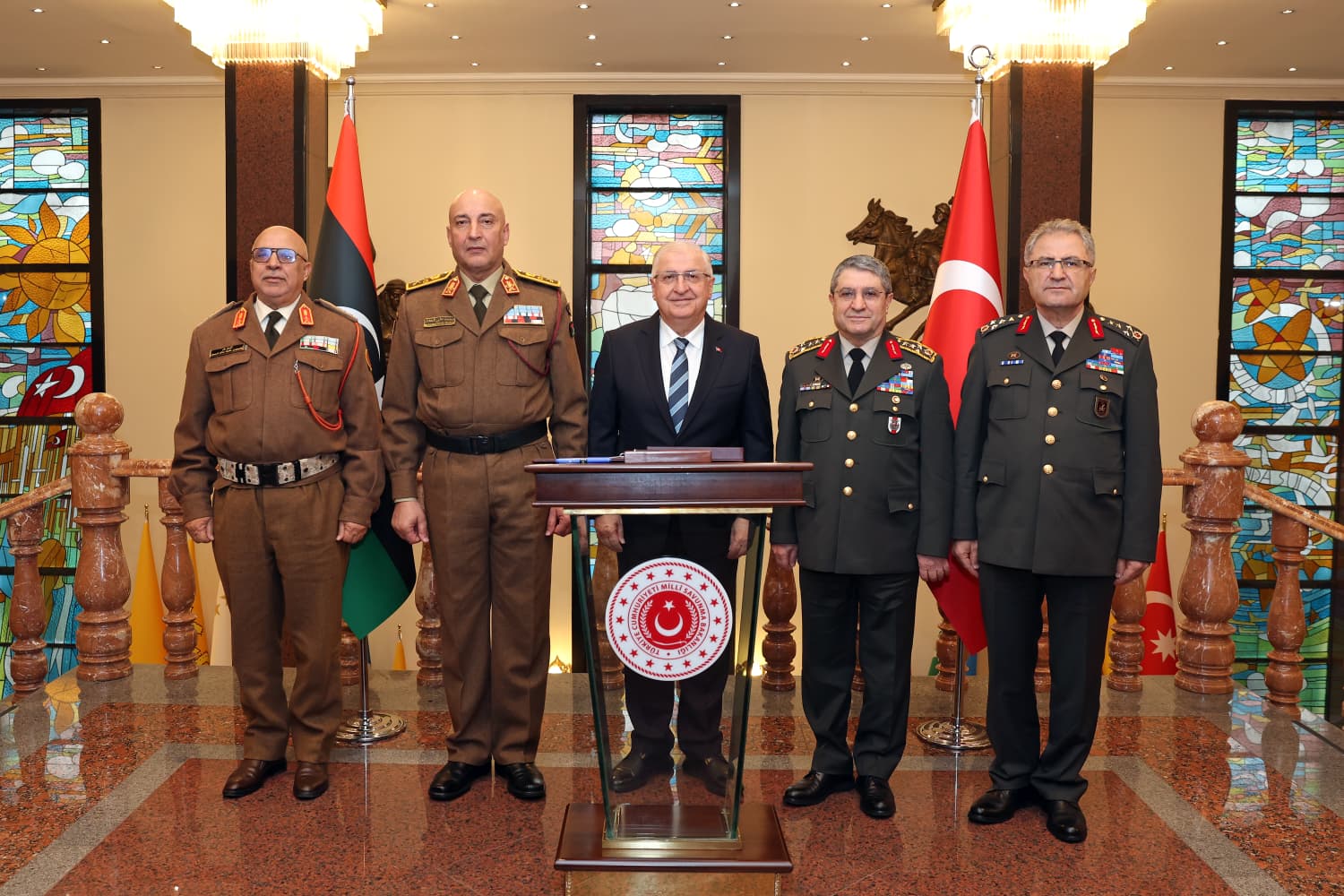
The vote came at a time marked by an unexpected tragedy. Libya’s chief of staff, Mohammed Ali Ahmed al-Haddad, was killed along with four senior military officials on Tuesday in a plane crash near the Turkish capital shortly after their private jet took off from a local airport. Al-Haddad had been in Ankara on an official working visit, which also coincided with the extension of Turkey’s Libya mandate.
The government presented the mandate as a security necessity, arguing that developments in Libya remain closely linked to Turkey’s national interests. In the presidential submission sent to parliament Erdogan cited risks stemming from ongoing instability in Libya, including the presence of armed groups, foreign fighters and the absence of a durable political settlement. It said these conditions affect regional security in the eastern Mediterranean, migration routes to Europe and Turkey’s maritime and economic interests.
The motion stated that Turkey’s military activities are carried out at the request of Libya’s internationally recognized authorities and within the scope of bilateral agreements previously approved by parliament. It also argued that a continued Turkish presence contributes to deterrence and helps prevent renewed large-scale violence.
The mandate approved by parliament grants the president broad discretion over the mission. It does not specify limits on troop numbers, define geographic boundaries or outline concrete operational parameters. The duration of the authorization is also framed in general terms, allowing it to remain in force for an extended period without requiring frequent parliamentary renewal.
This open-ended structure was a central focus of criticism during the parliamentary debate. Opposition lawmakers argued that the motion effectively transfers parliament’s authority over overseas military deployments to Erdogan. While lawmakers formally vote on the authorization, they said the lack of detailed restrictions leaves parliament with limited ability to oversee how the power is exercised once approval is granted.
Critics also pointed to the absence of clearly articulated political objectives. They questioned what outcome would justify Turkey’s continued presence in Libya and how success would be measured. Without defined benchmarks, opposition parties argued, the deployment risks becoming permanent by default rather than tied to a specific mission or timeline.
Another concern raised was the potential for mission expansion. Turkey’s role in Libya has been described by the government as advisory and supportive, but opponents note that the mandate leaves room for broader military involvement if security conditions deteriorate. They warned that Turkey could be drawn more deeply into Libya’s internal power struggles, increasing risks to Turkish personnel and exposing Ankara to unintended escalation with other foreign actors active in the country.
Economic implications were also highlighted. Opposition lawmakers said prolonged overseas operations impose financial burdens that deserve closer parliamentary scrutiny, particularly at a time when Turkey faces economic challenges at home. They argued that parliament should be provided with clearer information about the long-term costs associated with maintaining a military presence abroad.
Despite these criticisms the main opposition Republican People’s Party (CHP) voted in favor of the motion. CHP lawmakers said they were concerned that rejecting the mandate outright could jeopardize the safety of Turkish personnel already stationed in Libya and create uncertainty in Turkey’s relations with Libya’s recognized authorities.
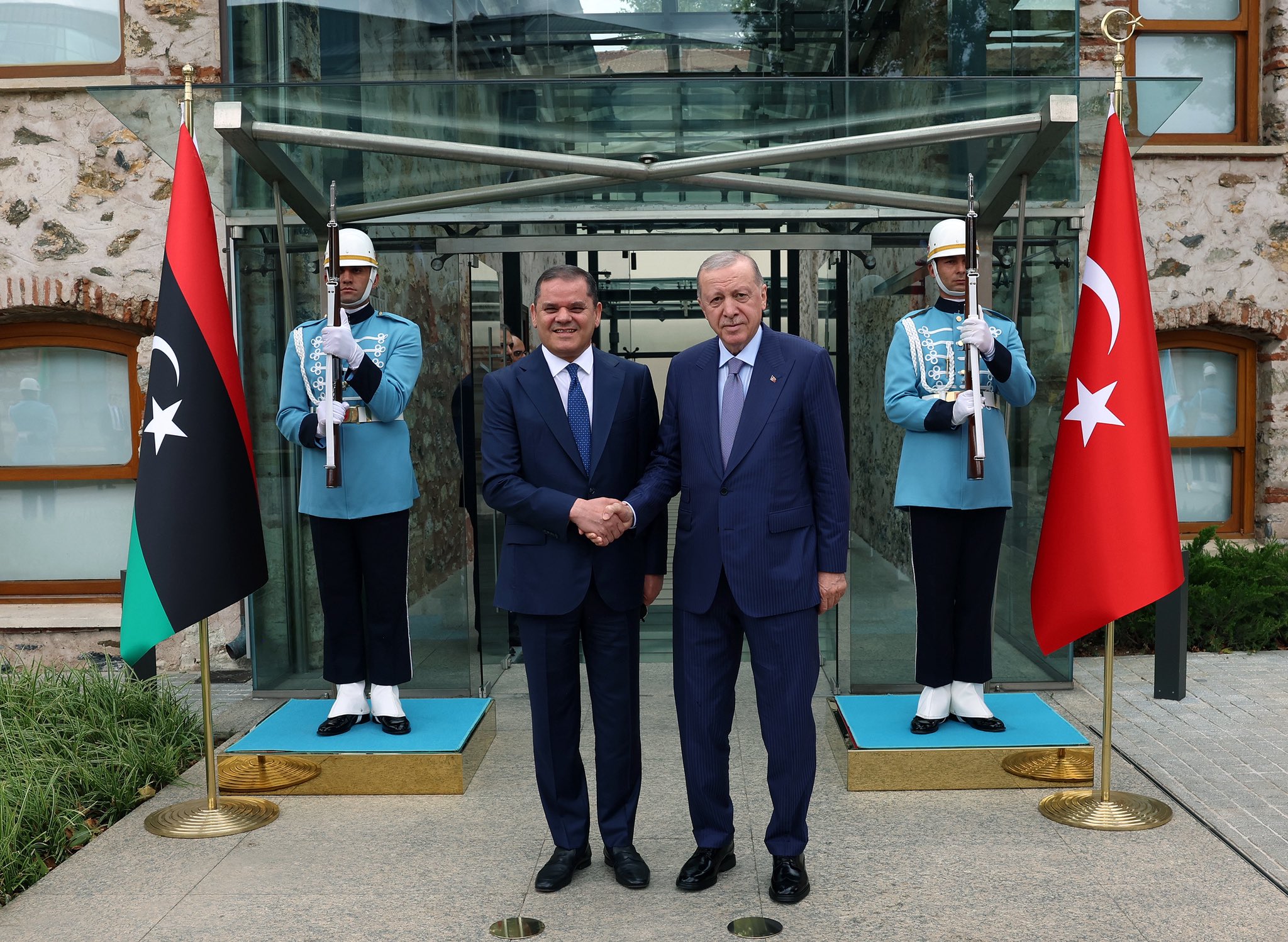
Turkey’s military involvement in Libya dates back to late 2019, when Ankara signed security and maritime cooperation agreements with Libya’s Tripoli-based government. Shortly afterward, parliament approved a motion authorizing the deployment of Turkish forces. The move marked a significant shift in Turkey’s role, transforming it from a diplomatic and economic actor into a direct military stakeholder.
Since then Turkey has maintained a presence that includes military advisers, trainers and technical personnel. Ankara has said its cooperation focuses on strengthening Libya’s official security institutions rather than backing rival militias. Turkish officials have consistently emphasized coordination with Libya’s internationally recognized authorities, now operating under the framework of the Government of National Unity.
Turkey’s involvement has taken place alongside a complex international environment. Several foreign countries have been active in Libya, supporting different sides either directly or through proxies. While Turkey has aligned itself with the Tripoli authorities, it has also participated in diplomatic efforts led by the United Nations aimed at advancing a political settlement and unifying Libya’s fragmented institutions.
Over time the nature of the conflict has evolved. Large-scale fighting has given way to a fragile ceasefire, but Libya remains divided between competing political centers and armed groups. Elections intended to unify governance structures have been repeatedly delayed, and the continued presence of foreign forces and mercenaries remains a point of contention in international forums.
The Turkish government has argued that its intervention helped prevent the collapse of Libya’s recognized government and contributed to conditions that made ceasefire arrangements possible.
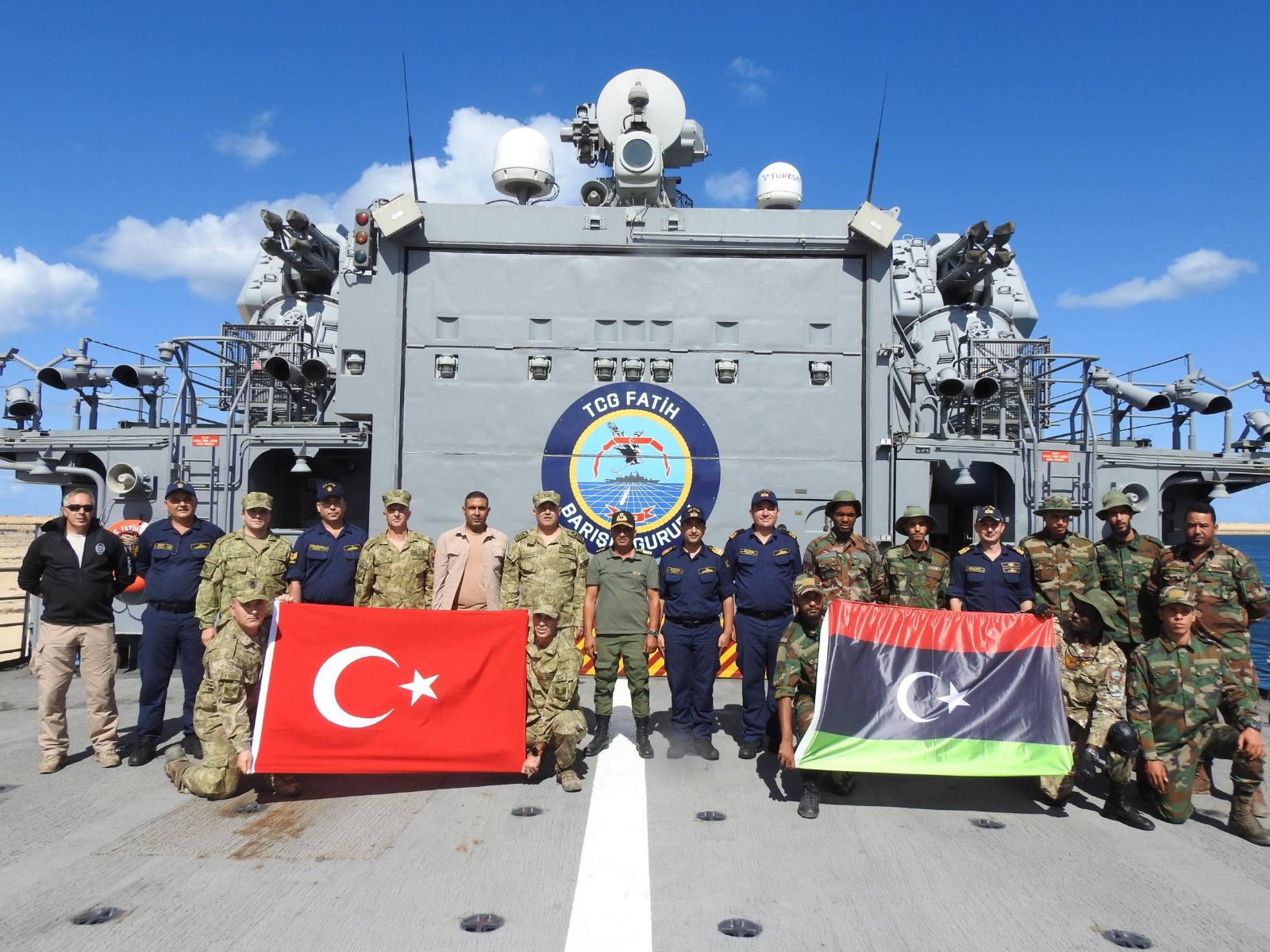
According to reporting by the BBC, Turkey’s Libya policy has undergone a notable recalibration over the past year, expanding beyond its longstanding alignment with the Tripoli-based Government of National Unity to include direct engagement with eastern Libyan actors led by the Libyan National Army (LNA). The shift became visible in mid-2025 when Turkish naval vessels docked in Benghazi and senior Turkish military officials hosted Saddam Haftar, deputy commander in chief of the LNA and son of eastern strongman Khalifa Haftar.
Saddam Haftar has played a central role in facilitating dialogue, including visits to Ankara, meetings with senior Turkish defense and intelligence officials and joint naval activities during Turkish warship visits to Benghazi. These contacts coincided with improved relations between Turkey and Egypt, a longtime supporter of Khalifa Haftar. Analysts cited by the BBC said rapprochement between Ankara and Cairo reduced a major political obstacle to Turkey’s engagement with eastern Libya.
Russia remains a key factor in this evolving equation. Moscow has maintained close ties with the LNA for years through military assistance and political backing. As Turkey expands its contacts in eastern Libya, it is entering an area where Russian influence is already entrenched, raising questions about whether the two countries will compete or coordinate in the eastern Mediterranean and North Africa. The BBC noted that Ankara’s broader Libya strategy appears aimed at preserving its 2019 maritime agreement, protecting energy and economic interests and positioning Turkey as an indispensable actor across Libya’s fractured power centers rather than aligning exclusively with one side.
The regional picture is further complicated by the fact that Turkey and Egypt are not fully on the same page. Nordic Monitor on Wednesday reported that a disagreement surfaced again at the United Nations when Egypt formally challenged Libya’s recent maritime claims, highlighting how the Libyan issue continues to underpin a strategically significant dispute between the two eastern Mediterranean powers.
Egypt circulated a diplomatic note on September 16, 2025, rejecting Libya’s declared continental shelf limits and maritime boundaries. Cairo said the maps and coordinates submitted by Tripoli in May and June place Libyan claimed zones inside Egypt’s territorial sea, contiguous zone, exclusive economic zone and parts of its continental shelf. Egypt argued that the filings overlap its western maritime boundary and represent an attempt to alter established maritime lines in the Mediterranean. Libya, in a submission to the United Nations dated May 27, 2025, said its maritime boundaries were drawn in line with the 2019 maritime delimitation memorandum signed with Turkey and described them as an equitable solution under international law, while asserting that Greece and Egypt have no sovereign rights in the areas defined between Libya and Turkey.
The motion authorizing the continuation of Turkey’s military presence in Libya entered into force after publication in the Official Gazette: