
Levent Kenez/Stockholm
Ankara is uneasy over recent moves by several Central Asian republics to deepen diplomatic engagement with the Republic of Cyprus, a shift Turkey perceives as part of the European Union’s broader push to expand its influence in the Turkic region and weaken Ankara’s standing on the Cyprus issue. Yet despite its concern, Turkey’s response has been notably cautious, reflecting both a desire to avoid direct friction with historical allies and the limits of its current diplomatic clout.
At the center of Turkey’s concern is an announcement made in the April 4 EU-Central Asia joint communiqué, which emphasized adherence to UN Security Council Resolutions 541 and 550, both of which reject recognition of the Turkish Republic of Northern Cyprus (KKTC), a state recognized only by Turkey. Notably, Kazakhstan, Turkmenistan and Uzbekistan, all members of the Organization of Turkic States (OTS), publicly reiterated their commitment to these resolutions during the Semerkand summit, marking a diplomatic setback for Ankara’s advocacy of a two-state solution on Cyprus.
On April 25 Turkish Foreign Minister Hakan Fidan responded to a question about these recent developments by framing the issue as a “family matter” within the Turkic world. He emphasized that Turkey is actively engaging in dialogue with its partners, stating that efforts are underway through direct channels rather than public confrontation. “We believe that airing such issues publicly serves the agenda of those seeking to sow discord among us,” he said, adding that unity and discretion are key to strengthening the shared vision of the Turkic world.
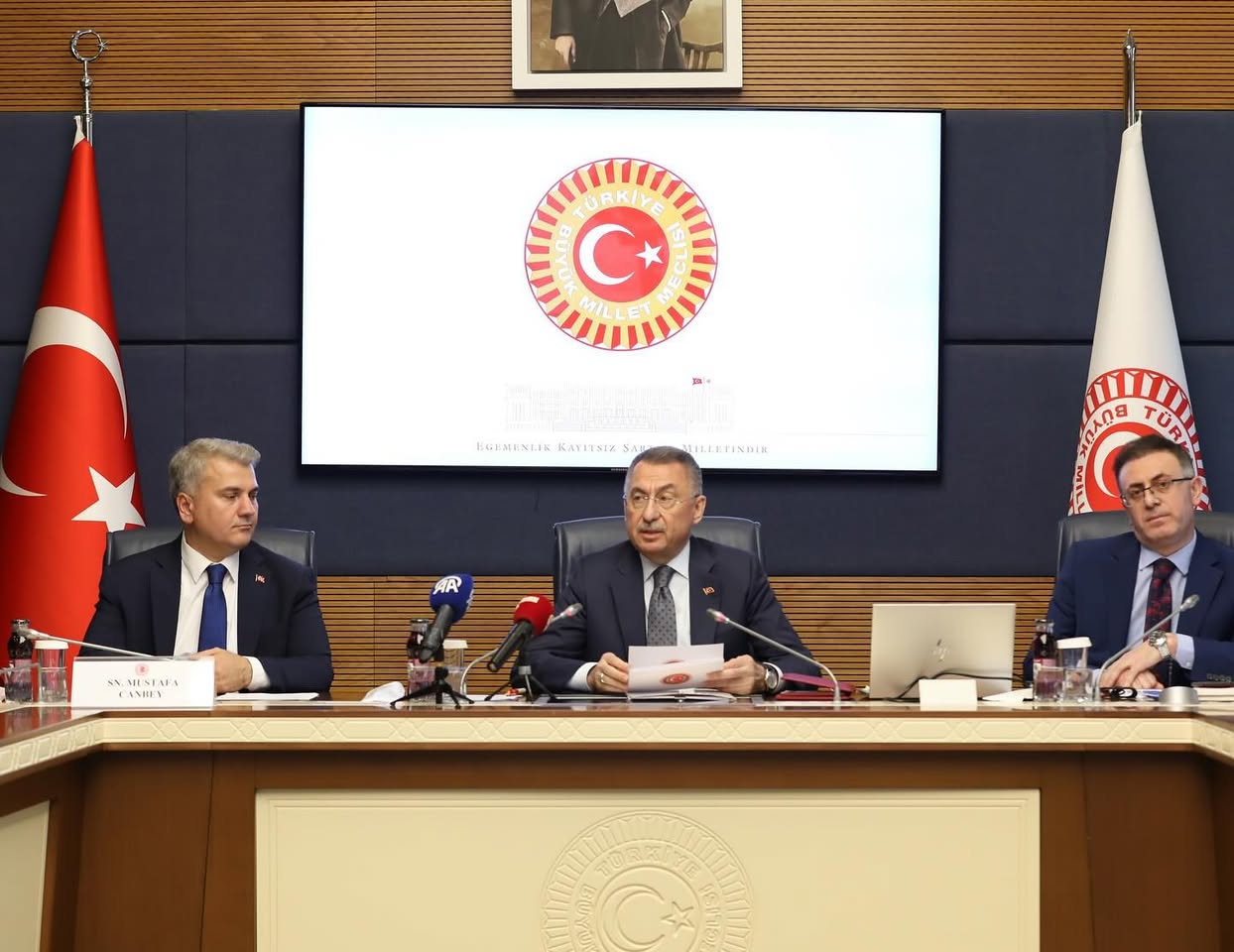
However, the issue resurfaced again during a parliamentary Foreign Affairs Committee session on April 30, as lawmakers and officials grappled with what many in Ankara view as a troubling realignment among nations traditionally considered part of Turkey’s strategic and cultural sphere.
Though Turkey has long accepted that many Central Asian countries recognize Cyprus and maintain limited diplomatic ties, such as accrediting ambassadors to Nicosia from embassies located elsewhere, recent gestures, including Kazakhstan’s decision to open an embassy in Nicosia, are seen as signs of shifting priorities in the region. Turkish officials suggest this reflects not only growing EU interest but also a recalibration by Central Asian states seeking to diversify their foreign policy amid global uncertainty.
Deputy Foreign Minister Burhanettin Duran characterized the developments as part of a broader strategic effort by the EU, which has shown increased interest in Central Asia, particularly after the war in Ukraine, in line with the renewed transatlantic outlook of the current US administration. However, his remarks to parliament also reflected a measured tone.
“We’ve conveyed our sensitivities and shared our expectations with our friends,” Duran said, referring specifically to Kazakhstan’s engagement with Cyprus. “We’re encouraging them to take a more balanced approach without escalating the issue into a public dispute.”
His words signaled Ankara’s balancing act, aiming to protect Turkish red lines on Cyprus without alienating partners in the OTS, especially at a time when Turkey’s economic leverage and regional appeal face growing competition from other global actors.
Transcript of parliamentary committee debate on Cyprus:
Political observers suggest that Turkey’s restrained approach is as much a matter of necessity as principle. With its economy under strain and regional priorities stretched across conflicts in Gaza, Syria and Ukraine, Ankara is finding it harder to maintain its traditional role as the unifying force in the Turkic world.
The dilemma is particularly evident in Turkey’s efforts to secure a more prominent role for the KKTC within pan-Turkic structures. While the KKTC was granted observer status in the OTS in 2022, there has been limited follow-through in terms of concrete initiatives or recognition beyond Turkey.
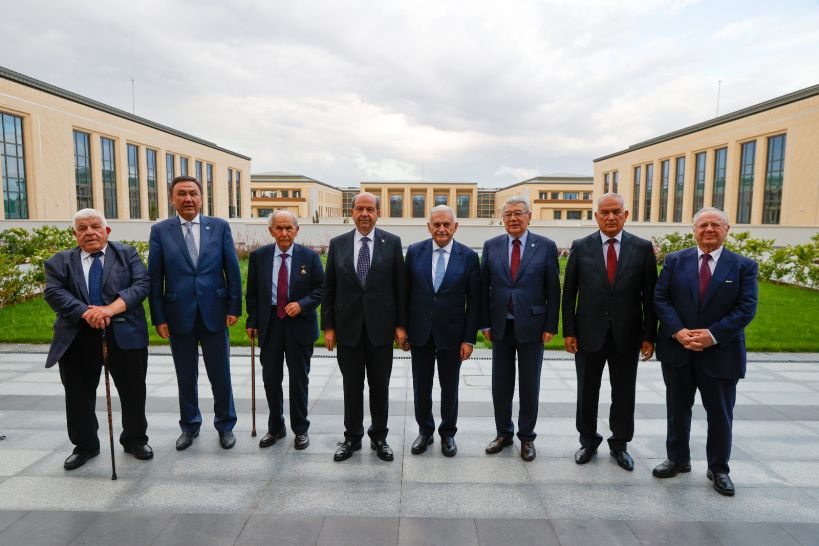
The Organization of Turkic States’ Council of Elders held a meeting in the KKTC on May 2, which served more as a symbolic gesture of support than a decisive turning point. Representatives from Turkey, Azerbaijan, Kazakhstan, Kyrgyzstan, Uzbekistan and the host KKTC attended the gathering. The delegation also visited KKTC President Ersin Tatar.
In a striking twist, the chairman of the Council of Elders, former Turkish prime minister Binali Yıldırım, has recently come under public scrutiny over allegations tying his family to drug trafficking networks based in Cyprus. The accusations were made by Cemil Önal, the former financial coordinator of slain gang leader Halil Falyalı, who was killed in 2022. Önal claimed that Yıldırım’s family played a role in narcotics smuggling operations. Önal was shot dead in the Netherlands on Friday.
These developments have reignited concerns over the blurred lines between politics and organized crime in northern Cyprus, a region often described as Turkey’s strategic backyard. Analysts argue that the territory’s entanglement with illegal activities such as gambling, money laundering, drug trafficking and the sex trade continues to hinder prospects for meaningful reform. Some believe that entrenched interests linked to state and criminal networks have little incentive to disrupt the status quo.
Frustration over the EU’s deepening presence in Central Asia also surfaced in statements from senior Turkish officials. Foreign Affairs Committee Chairman and former vice president Fuat Oktay accused Brussels of outsourcing its foreign policy to Greece and the Greek Cypriot administration, warning that Turkish interests are being systematically sidelined.
“This is not diplomacy, it’s submission,” Oktay said, pointing to what he described as repeated instances of EU policy being shaped by the vetoes of smaller member states.
Oktay, too, was implicated in bribery allegations involving Falyalı. Just days before his assassination, Önal claimed in an interview with the Bugün Kıbrıs newspaper that Oktay had accepted $50 million in bribes. Önal had previously alleged in a recorded phone interview from a Dutch prison, published by investigative journalist Cevheri Güven, that former interior minister Süleyman Soylu also accepted $20 million from Falyalı along with Oktay. He further claimed that Falyalı possessed a trove of blackmail material on Turkish politicians and bureaucrats, including sex tapes and covert recordings of bribe negotiations with guests at his hotel.
According to Önal, President Recep Tayyip Erdogan appointed Yasin Ekrem Serim, the son of his longtime financial aide Maksut Serim and a former business associate of Falyalı, as ambassador to the KKTC on August 1, 2024 in a bid to recover these compromising materials. However, Serim was quietly recalled after just seven months, allegedly due to his own involvement in illicit dealings. Around the same time, Erdogan also fired Maksut Serim, who had worked closely with him for many years.
Oktay dismissed claims that Turkey is losing influence over Cyprus as part of a smear campaign by alleged members of terrorist organizations. The Turkish government has long labeled political opponents and critics as affiliates of terror groups. Last week a leaked directive from Turkey’s Directorate of Communications, often described as President Recep Tayyip Erdoğan’s propaganda arm, instructed pro-government journalists and ruling party lawmakers to portray critics as linked to terrorist organizations and to not hesitate in engaging in psychological operations.
Despite the harsh rhetoric, Turkey’s ability to reverse the tide remains uncertain. The emerging reality is that Central Asian governments, once perceived as steadfast allies, are increasingly pursuing a foreign policy that places less weight on traditional loyalties and more on pragmatic engagement with a broader array of actors.
“The motivation behind these steps stems from the global strategic environment. These countries are reassessing their positions amid possibilities such as a negotiated end to the war in Ukraine and increased competition between the West, Russia and China,” Duran said.
Rather than confront its Turkic partners, Turkey is seeking to strengthen its diplomatic presence through quiet engagement and institutional ties within the OTS. Officials in Ankara insist that long-term cultural and historical bonds still give Turkey a unique advantage, even if short-term interests diverge.
“We’re not reacting emotionally. We’re building bridges,” Duran told parliament. “This is about long-term alignment, not short-term noise.”
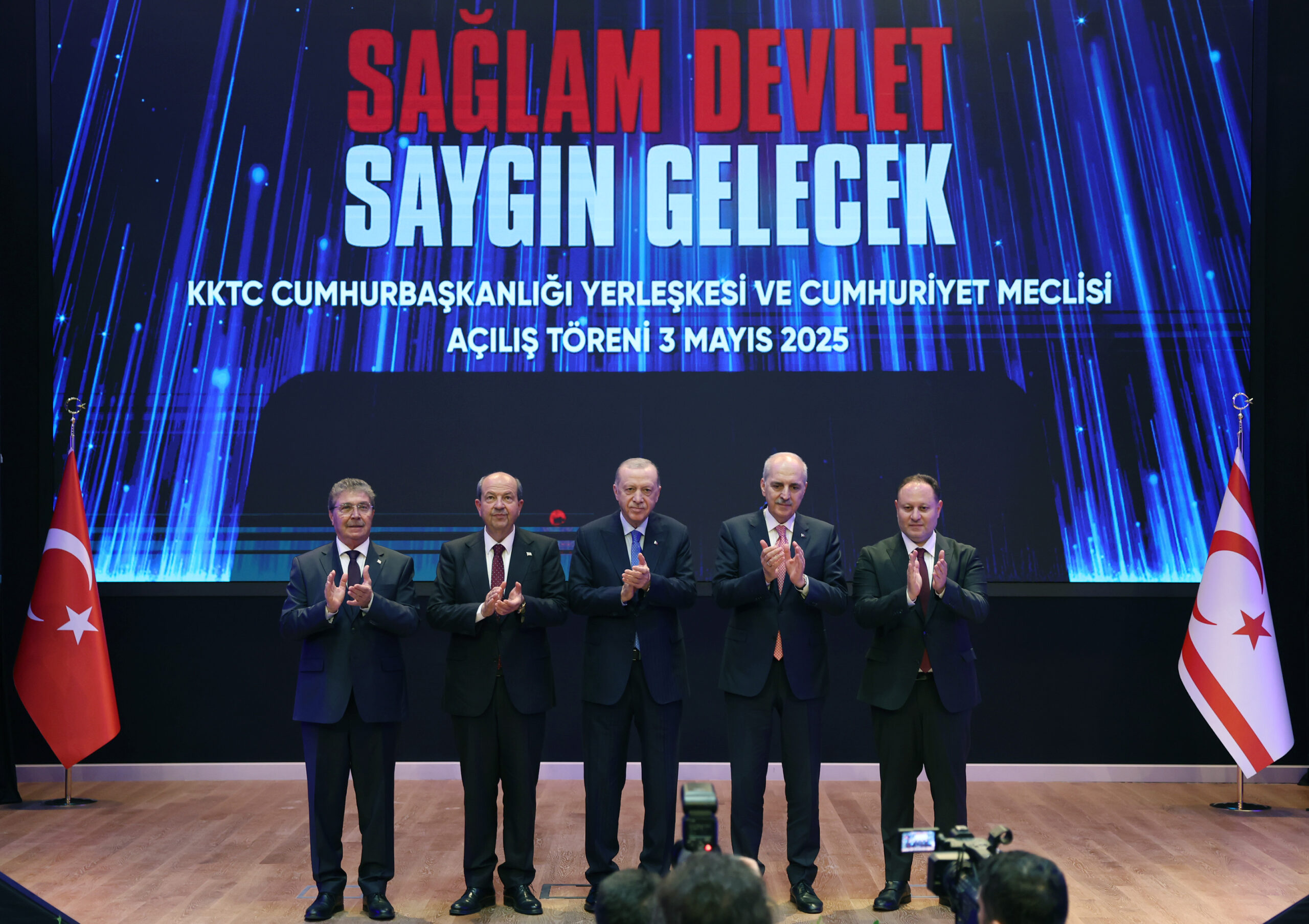
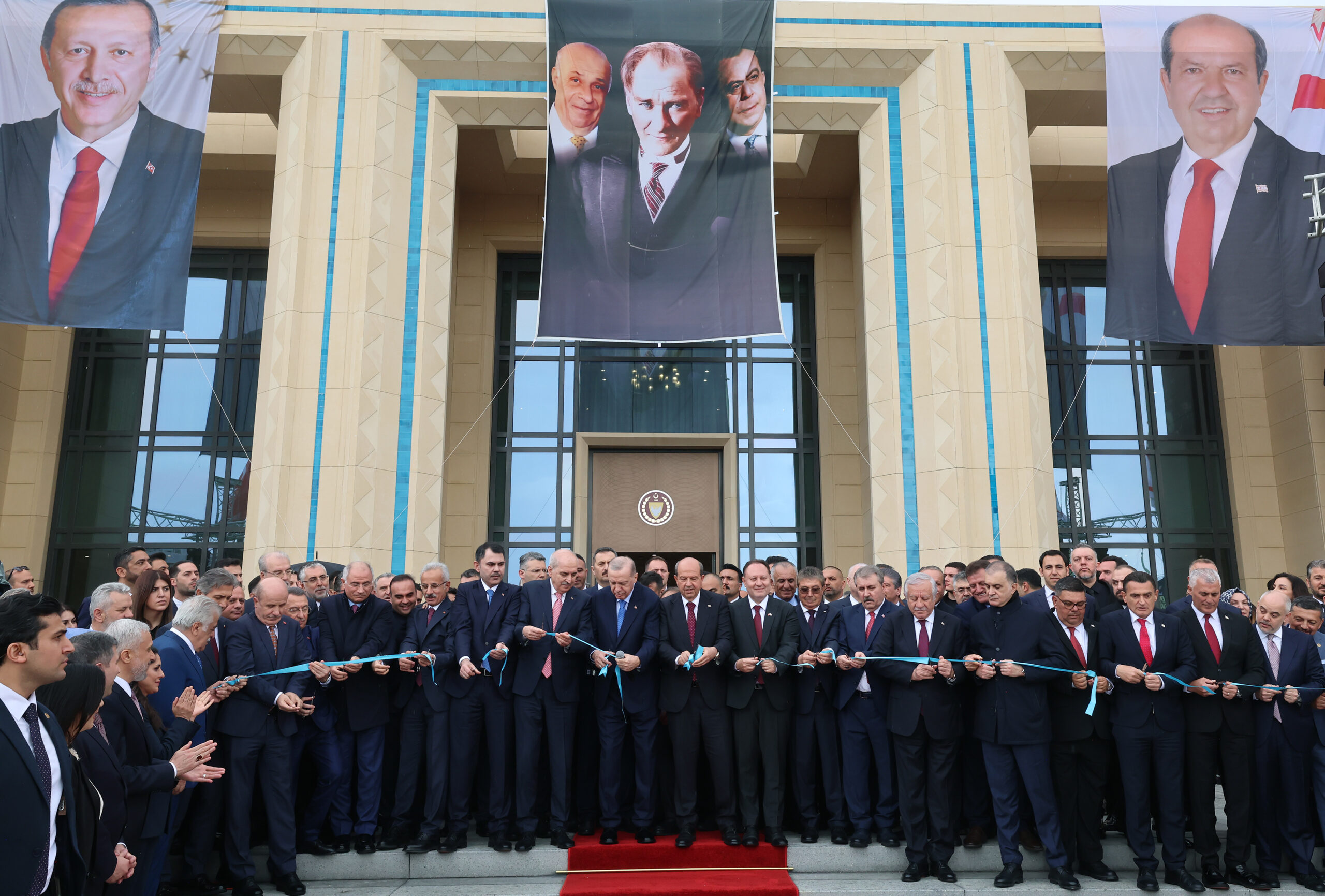
Meanwhile, on May 3, President Erdogan inaugurated a newly built presidential complex in Nicosia, constructed by Turkey to house the KKTC presidency, parliament, prime ministry and a public park. Describing the building, modeled after his own presidential palace in Ankara, as a symbol of Turkey’s unwavering commitment to the KKTC, Erdogan framed the project as a testament to Ankara’s support for its independence. He reaffirmed Turkey’s determination to continue backing the Turkish Cypriot people, pledging strong support in all areas, from lifting international isolation to strengthening ties with the Turkic world.