
Abdullah Bozkurt/Stockholm
Amid escalating tensions between Israel, Iran and the United States, a Turkish government propaganda outlet owned by the family of President Recep Tayyip Erdogan has intensified its long-running antisemitic messaging, promoting conspiracy theories that portray Jews collectively as criminals, intelligence operatives and members of a global cabal controlling the media, finance, intelligence networks and international conflicts.
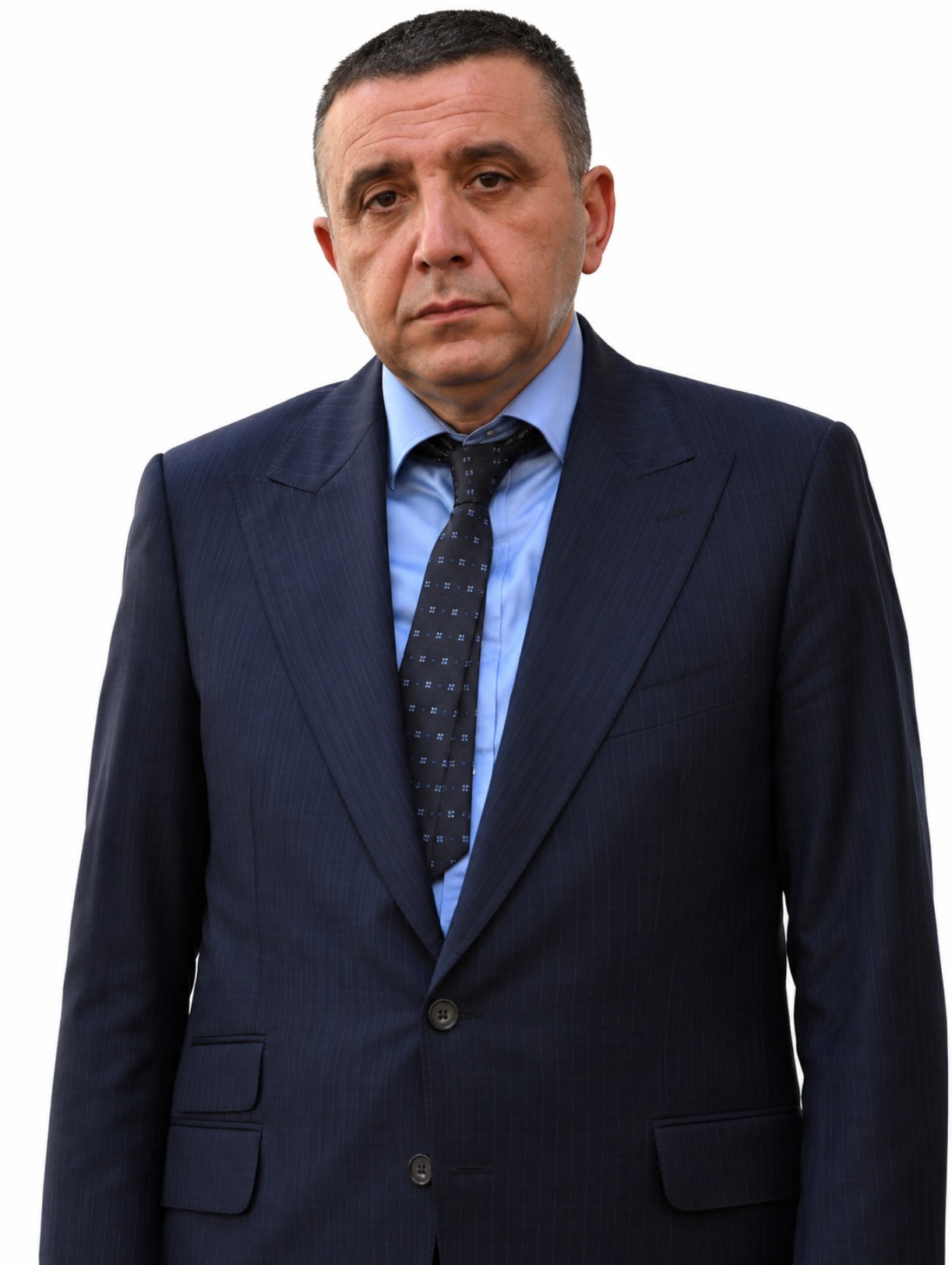
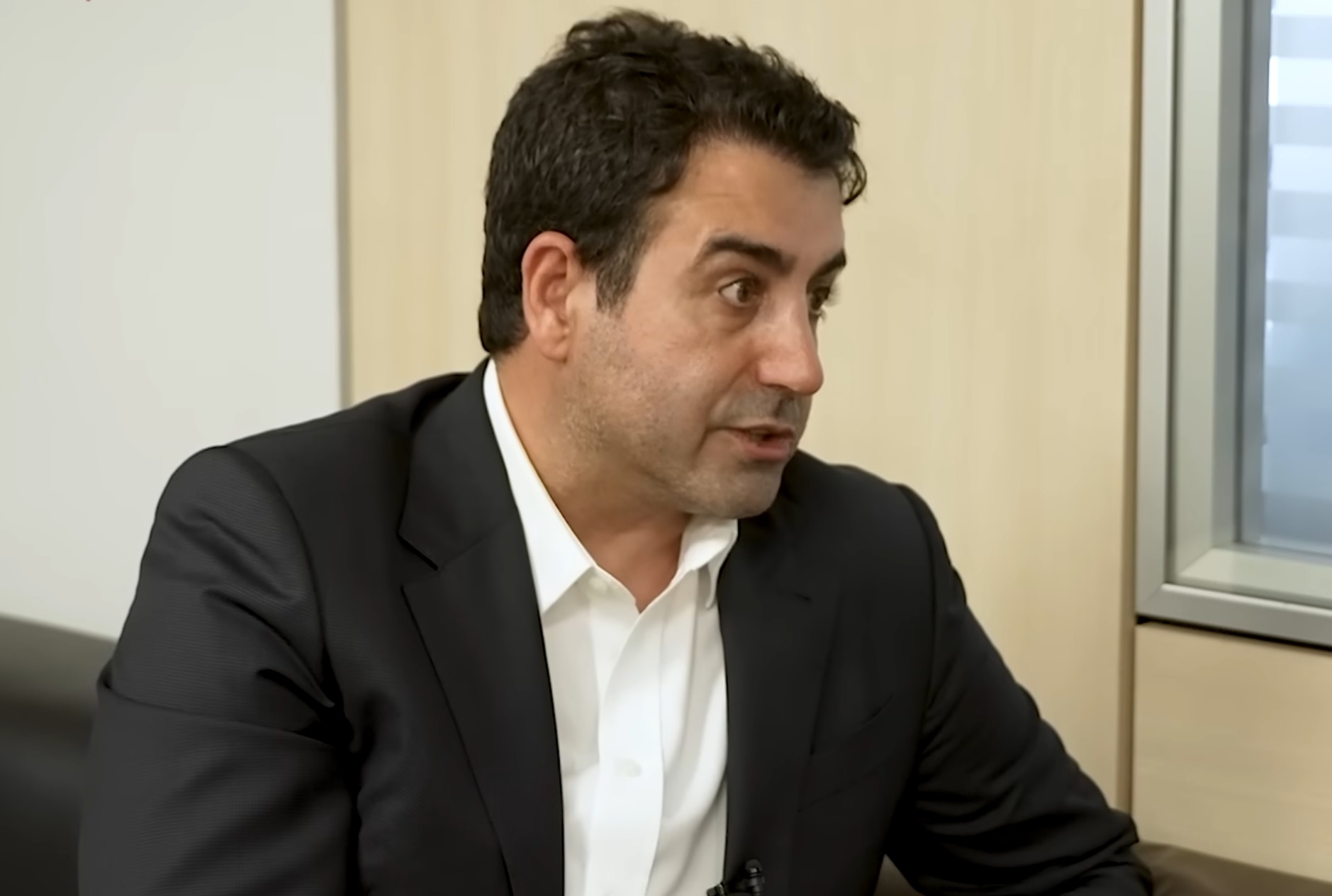
The latest example emerged on March 17, when Abdurrahman Şimşek, a Turkish intelligence asset who works as news coordinator for the pro-government Sabah daily, appeared on the daily’s YouTube broadcast to claim that all Jews around the world operate as agents of Israel’s Mossad intelligence service.
Sabah is owned by the Turkuvaz Media Group, which is run by Serhat Albayrak, brother of Erdogan’s son-in-law and former finance minister Berat Albayrak and serves as the group’s flagship propaganda outlet.
Şimşek operates within a special media unit that functions under the direct oversight of Serhat Albayrak, who is widely regarded as the key power broker in Erdogan’s inner circle shaping pro-government narratives in the Turkish media. Through a network of loyal editors and commentators, Albayrak’s media apparatus functions as a centralized messaging platform that echoes the political priorities of Erdogan’s administration.
During the interview Şimşek went far beyond criticism of Israeli government policies. Instead, he recycled some of the oldest antisemitic tropes, declaring that major Western media outlets, including CNN, the BBC and Fox News, are effectively controlled by Jews.
“When you say media in the world, Jews run it,” he told viewers.
He extended the same claim to the global economy, weapons production and energy markets, asserting that Jews “have dominated the world” in those sectors as well.
The most incendiary part of the broadcast came when Şimşek described the world’s Jewish population as a global intelligence network serving Israel. Referring to the estimated worldwide Jewish population, he said viewers should think not of roughly 17 million individuals but of 17 million intelligence agents.
“Every Jew is an agent — a Mossad agent,” he said.
The remark goes far beyond criticism of Israeli policy. It assigns collective guilt to Jews as a whole, erases the distinction between Jewish identity and Israeli state policy and portrays an entire religious and ethnic community as inherently conspiratorial and dangerous.
Şimşek then expanded the narrative into a broader conspiracy theory. According to him, rabbis instruct Jews around the world to work toward the creation of a so-called “Greater Israel” until allegedly promised lands across the Middle East — including territory in eastern Turkey — are seized.
“Until they seized the promised land, the land they wanted to acquire, every Jew in the world had to work like a Mossad agent,” he claimed.
He further alleged that Jews are expected to transfer one-third of their income to Israel, presenting Jewish life as part of a disciplined global network organized around espionage, money and territorial expansion.
Şimşek also praised Turkey’s intelligence services for what he described as unprecedented crackdowns on Mossad operations inside Turkey, crediting former intelligence chief and current Foreign Minister Hakan Fidan, who took over leadership of the National Intelligence Organization (MIT) in 2010.
According to Şimşek, Fidan shut down Mossad liaison offices in Turkey and halted intelligence-sharing with Israel. He also claimed that Turkish authorities carried out roughly 20 police and judicial operations targeting alleged Mossad networks inside the country, asserting that Turkey was the only nation in the world bold enough to confront Israeli intelligence activities in such a manner.
Throughout the program Şimşek repeatedly blurred distinctions between Jews, Zionists, Israel and Mossad, presenting them as a single monolithic enemy. In one comment he said the Western press should be viewed as “Israeli media.” In another he claimed US president Donald Trump had been targeted by “Zionists.”
The overall narrative suggested that Jews secretly manipulate governments, media systems and military crises behind the scenes.
Yet none of the claims were supported by verifiable evidence. Instead, the argument rested on the classic architecture of antisemitic conspiracy thinking: Jews secretly control the media; Jews dominate global finance; Jews operate in unified coordination; and Jews worldwide function as agents of a hidden transnational agenda.
Such rhetoric reflects propaganda built on ethnic demonization rather than factual analysis.
Şimşek has long been part of a politically weaponized media structure. Earlier in his career he worked in a special investigative unit established at Sabah under Serhat Albayrak’s direction. The unit frequently published reports based on intelligence leaks and information supplied by officials in Turkey’s intelligence services, police and judiciary.
Critics say many of those stories relied on manipulated or selectively presented information designed to target political opponents as part of psychological operations in order to undermine Erdogan’s critics, influence the national agenda and shape public opinion.
What makes the recent broadcast particularly significant is that the antisemitic rhetoric was not voiced on a fringe platform but aired through one of Turkey’s most prominent pro-government television network’s YouTube channel.
Şimşek’s remarks, therefore, cannot be viewed simply as the personal opinions of a commentator. Rather, they reflect narratives that align closely with messaging promoted within pro-government media circles.
It was no coincidence that in the same interview Şimşek praised Erdogan, Foreign Minister Hakan Fidan and current intelligence chief İbrahim Kalın, claiming that Israel was furious because Turkey had thwarted strategic Israeli plans in the Middle East.
Over the years Şimşek has frequently been deployed as a media attack figure against critics of Erdogan’s government. His reports have targeted independent journalists, Kurdish activists, Western governments and political opponents and portrayed them as conspirators working against Turkey.
In several cases he has also been sent abroad on special assignments aimed at harassing exiled Turkish investigative journalists. Backed by Turkish intelligence’s unlawful information-gathering campaigns in foreign territories, these reports have at times revealed the locations of journalists living in exile, exposing them to potential security risks.
He also produced a series of articles attacking the Gülen movement, which has been sharply critical of Erdogan’s policies on issues ranging from corruption to Turkey’s aiding and abetting armed jihadist groups operating across its borders.
The Turkuvaz Media Group is not the only component of the Erdogan government’s sprawling propaganda machinery that has promoted antisemitic and anti-Western narratives. President Erdogan has consolidated near-total control over much of Turkey’s media landscape during the past decade. More than 200 media outlets have been shut down or seized since 2015, including the nation’s bestselling Zaman daily, while hundreds of journalists were imprisoned and many others forced into exile.
The crackdown on independent journalism earned Erdogan the reputation as one of the world’s most aggressive persecutors of journalists. At several points Turkey ranked as the country with the highest number of jailed journalists, surpassing even Russia, Iran and China.
Within that media environment Sabah functions as central propaganda organ of the pro-government media ecosystem. It operates under Turkuvaz Haberleşme ve Yayıncılık A.Ş., whose chief executive officer is listed as Serhat Albayrak.
The Turkuvaz conglomerate spans multiple sectors, with core operations in television and radio broadcasting, newspaper and magazine publishing, printing and nationwide distribution.
Its media portfolio includes 10 television stations — among them ATV, A Haber, A Spor and A News — along with 13 radio stations and several newspapers including Sabah, Takvim, FotoMaç, Yeni Asır and Daily Sabah.
The group also publishes dozens of magazines, including licensed international titles such as Vogue and GQ, and operates a large network of digital platforms supporting its media brands.
Beyond media, Turkuvaz has expanded into retail, book publishing and distribution through companies such as D&R and Turkuvaz Kitap, while its distribution arm ranks among the largest print-distribution networks in Turkey.
The spread of antisemitic narratives through such a powerful media network carries broader social implications. Turkey’s Jewish community has already shrunk dramatically over the decades and today numbers only around 15,000 people.
The continued dissemination of conspiratorial and hostile rhetoric portraying Jews as global enemies risks further endangering one of the country’s oldest and most vulnerable minority communities.