

Levent Kenez/Stockholm
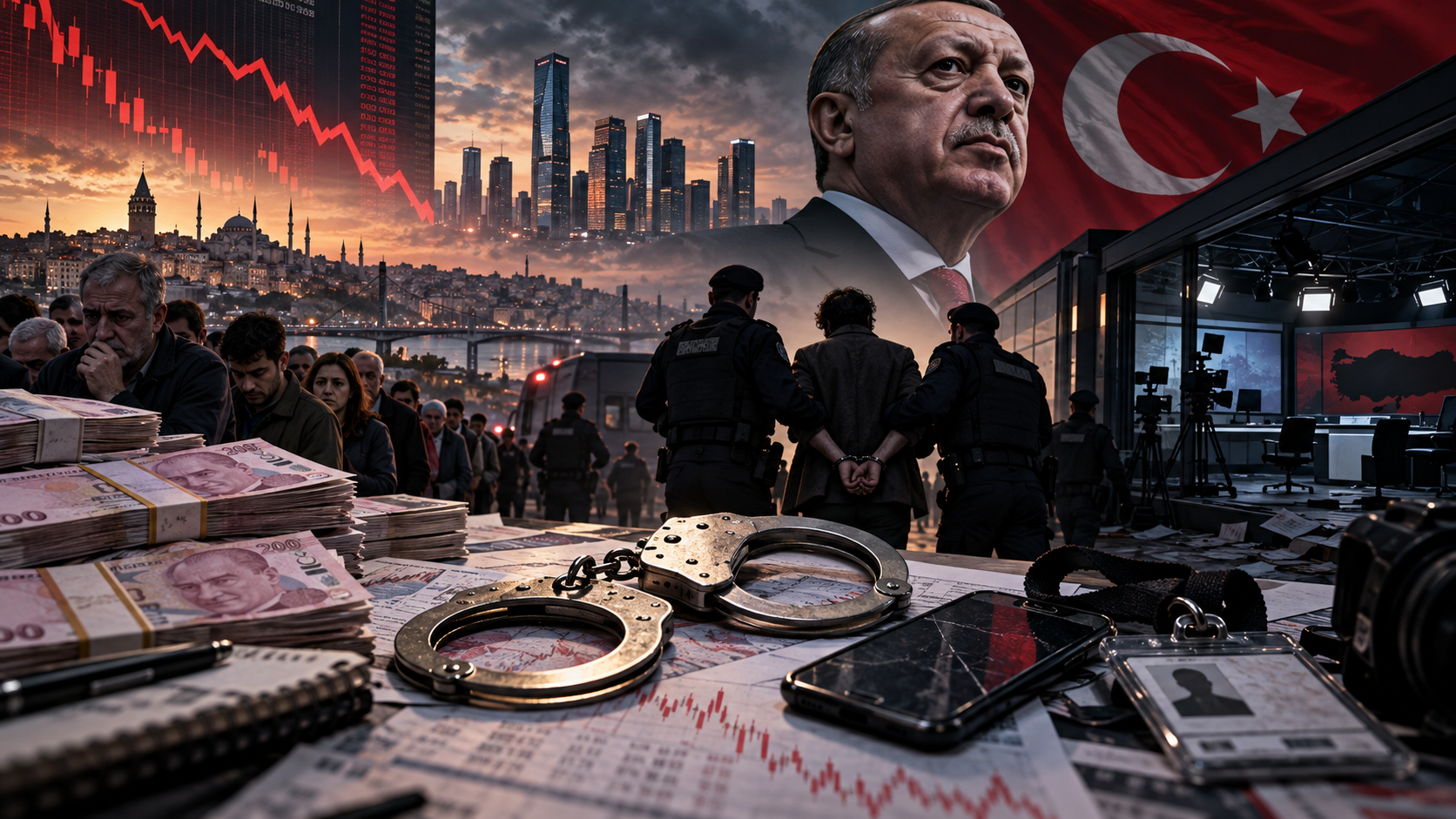
The European Commission’s annual report on Turkey gives one of the toughest reviews of the country’s democracy in recent years. The report mixes limited praise for Turkey’s work on migration and regional stability with sharp criticism of the government’s control over the courts, the decline of the rule of law and growing pressure on civil society. The 160-page document, released this week, says there is now a growing gap between Turkey’s stated commitment to European values and what is happening inside the country.
The report describes Turkey as an important partner for the European Union but makes clear that accession talks remain frozen. Brussels recognizes Turkey’s role in managing migration and helping to maintain stability in the eastern Mediterranean but says that almost every area related to democracy, human rights and judicial independence has worsened.
The European Commission praises Turkey for continuing to follow the 2016 EU-Turkey Statement on migration, which has helped reduce irregular crossings to Europe. It says Turkey has made remarkable efforts to host around 2.7 million refugees, including 2.5 million Syrians under temporary protection. Since 2011 the EU has provided €12.5 billion to support refugees and host communities, funding health care, education and social programs. Nearly 940,000 Syrian children are now attending Turkish schools and over a million refugees receive monthly financial support.
The commission calls Turkey’s handling of the refugee situation a key factor in Europe’s own border stability. It notes that irregular arrivals to EU countries from Turkey fell again this year. The report also welcomes Turkey’s decision to allow easier access to work permits for people under temporary protection while urging Ankara to keep refugee returns voluntary and in line with international standards.
2025 edition of the European Commission’s progress report on Turkey:
In foreign policy, the report notes improvement in relations with Greece and a period of calm in the eastern Mediterranean. It says Turkey has avoided unauthorized gas drilling and military provocations since 2021, which helped reduce tensions with EU member states. The commission describes this restraint as a positive contribution to regional stability and says dialogue between Ankara and Athens has strengthened over the past two years.
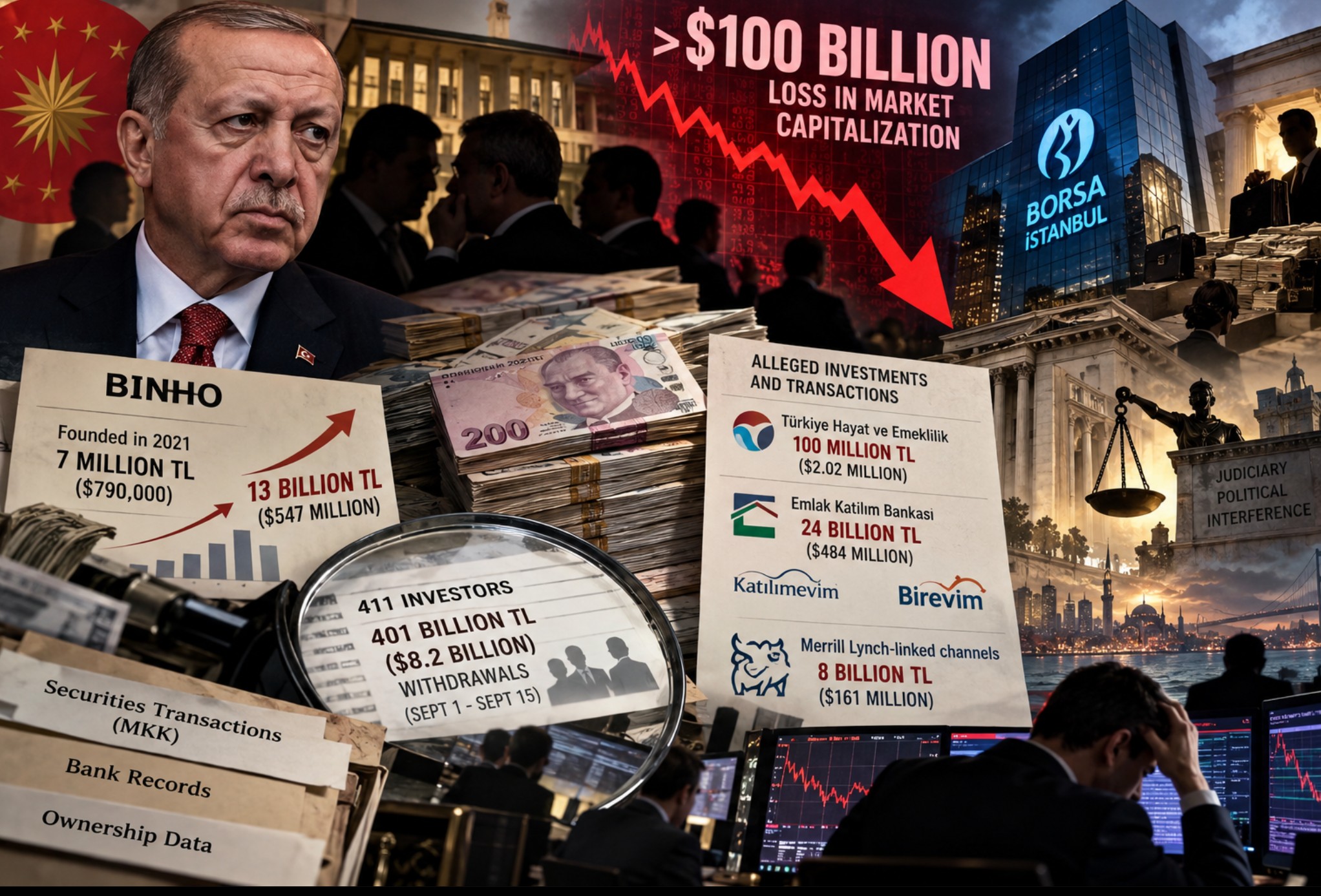
Beyond these points, the report’s main message is one of democratic decline. Under Chapter 23 of the EU accession negotiations, which deals with the judiciary and fundamental rights, the commission says Turkey is “at an early stage” and that the situation has worsened. Negotiations on this and all other chapters have been frozen since 2018, reflecting the EU’s concerns about rule-of-law backsliding. The report warns that courts remain under political control and that judges face interference from the executive. The Council of Judges and Prosecutors (HSK), the body that oversees judicial appointments, is still dominated by the government. Its members are not elected by their peers and its decisions cannot be reviewed by a higher authority. According to the report, this structure “undermines independence and weakens public trust in justice.”
The document says courts often act selectively, targeting opposition politicians and critics while avoiding cases involving ruling-party figures. The arrest of Istanbul’s mayor in March 2025 is described as a clear example of political pressure through the judiciary. The commission also expresses concern that Turkish courts continue to ignore decisions by the Constitutional Court and the European Court of Human Rights. It points to the continued imprisonment of philanthropist Osman Kavala and Kurdish politician Selahattin Demirtaş despite binding rulings ordering their release.
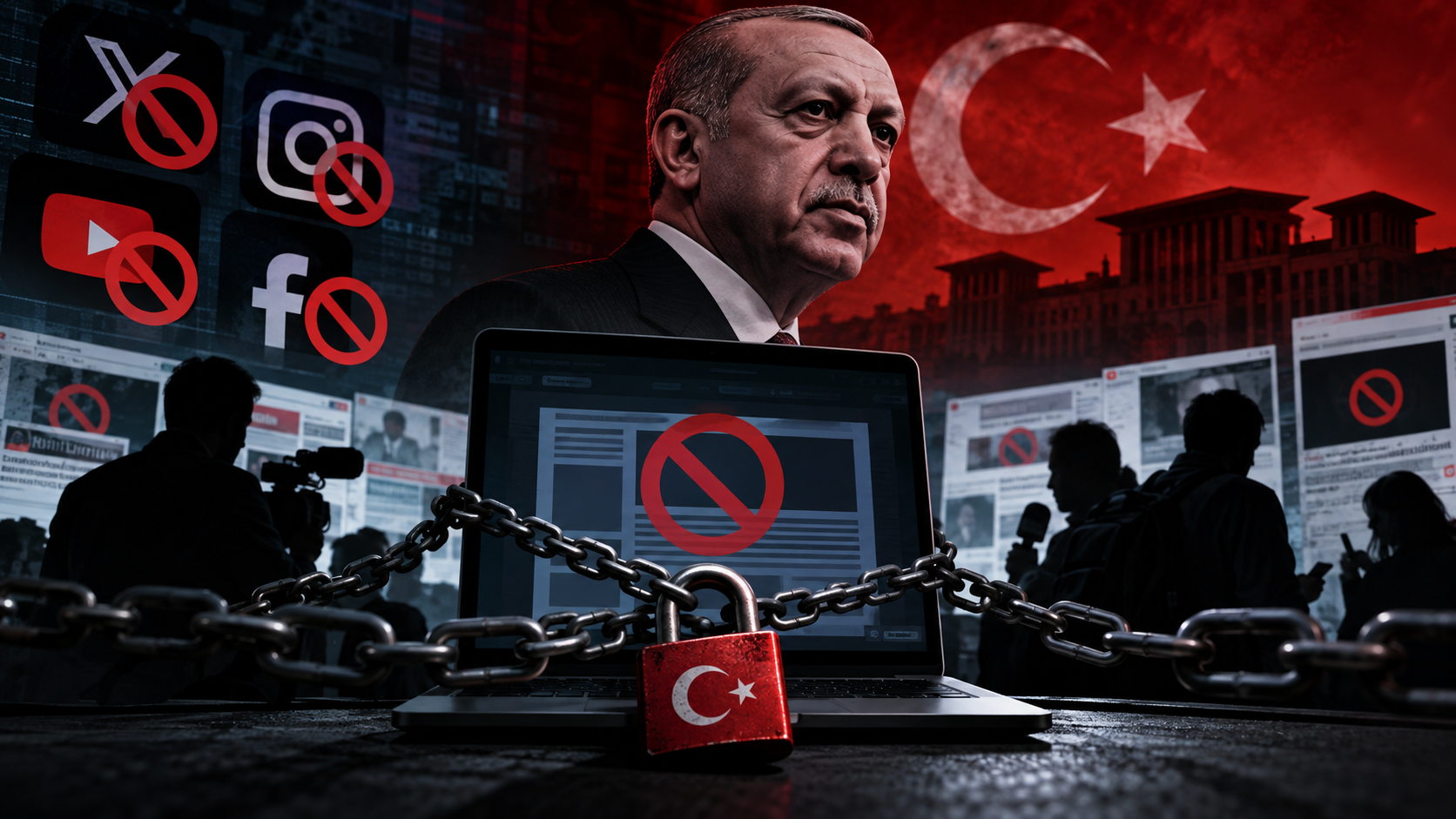
On human rights, the report paints an equally dark picture. It says laws on counterterrorism, online information and cyber security are often used to silence journalists, academics and activists. Independent media face financial penalties and investigations while government-linked outlets dominate the national conversation. The commission calls on Turkey to change its criminal code, anti-terror laws and media regulations to match European standards. It says freedom of expression “remains under serious threat.”
Civil society is described as struggling to survive under increasing pressure. Organizations working on women’s rights, minority issues and human rights are often subjected to audits, tax investigations and negative campaigns in the pro-government media. Public consultation on new laws is limited and foreign-funded NGOs face legal and financial barriers. The commission says civic space in Turkey has shrunk to its narrowest point in decades.
The report also mentions discrimination against women and minorities. It urges Turkey to improve legal protections for women against domestic violence and to promote gender equality in politics and the workplace. It calls for stronger safeguards for ethnic and religious minorities and better protection for LGBTIQ people.
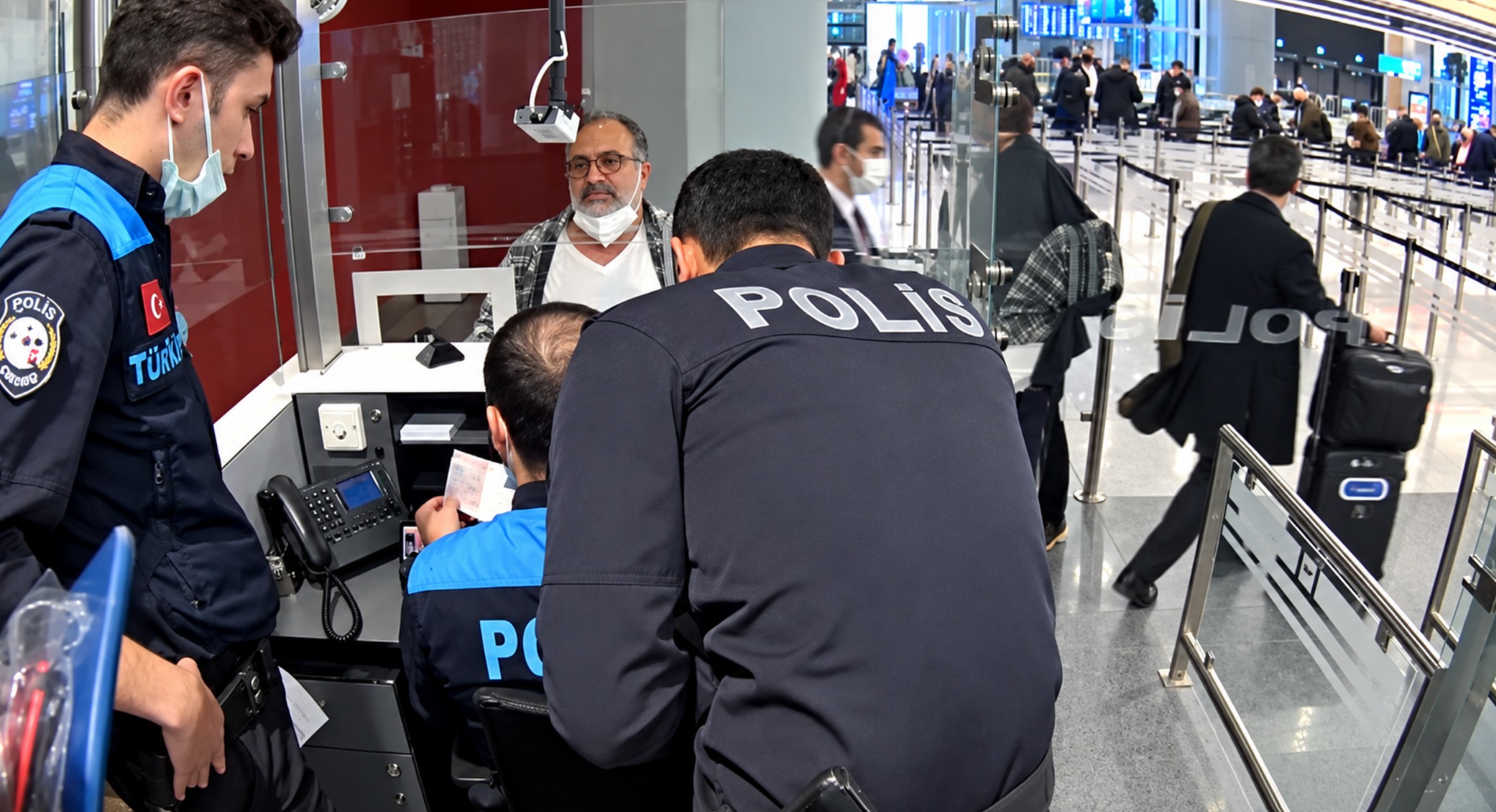
Under Chapter 24, which covers justice, freedom and security, the commission gives a slightly better assessment, saying Turkey is “moderately prepared.” It notes progress in border management, especially along the Iranian frontier, and some improvements in fighting organized crime. However, it warns that cooperation with Europol remains limited because Turkey’s data protection laws are not in line with EU standards. Without these changes, Brussels says deeper police and judicial cooperation is impossible. The report also criticizes the lack of a national anti-corruption plan and weak efforts to recover assets from criminal networks.
Economically, Turkey remains an important trade partner for the EU, ranking fifth overall with more than €210 billion in trade last year. The commission acknowledges progress in stabilizing the economy but warns that political interference, risks of corruption and weak rule of law continue to harm investor confidence. It says that talks on modernizing the EU-Turkey customs union cannot advance unless there are real improvements in judicial independence and transparency.
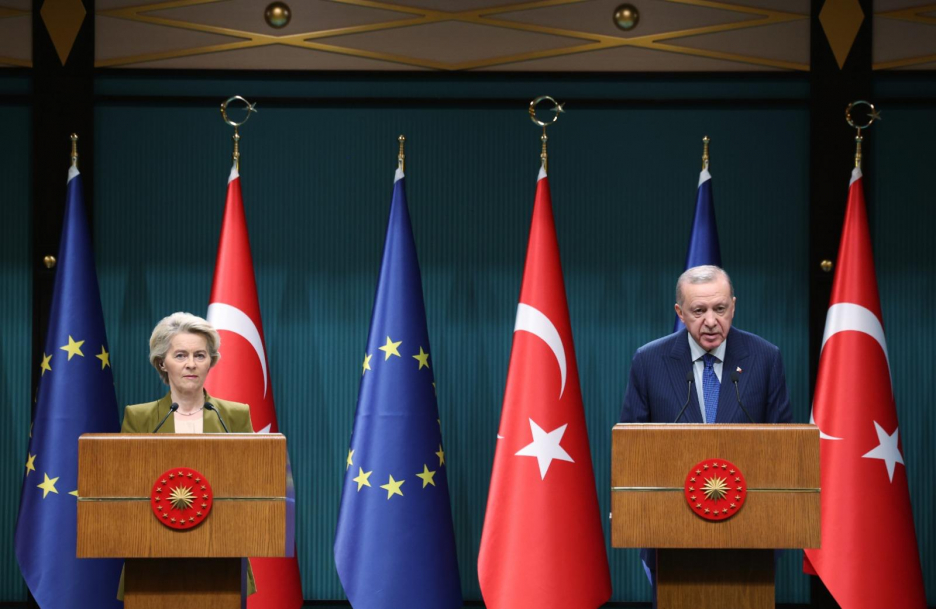
The report ends with a blunt assessment. Accession talks remain at a standstill because Turkey has not met the EU’s basic political criteria. Still, the European Union cannot ignore Ankara’s role in key areas such as migration, counterterrorism and regional security. The commission writes that cooperation “in areas of mutual interest” will continue but progress toward membership “depends on concrete steps to restore the rule of law.”
This final message captures the EU’s longstanding dilemma. Europe depends on Turkey to control migration and to keep stability in the region, yet it continues to denounce Ankara’s democratic decline. The report lays bare this contradiction. Brussels praises Turkey for stopping irregular migration and avoiding tensions in the eastern Mediterranean, but it condemns the same government for arresting elected mayors, silencing the press and ignoring court rulings.
Still, the report does not propose any sanctions or political measures to push for change. Trade continues, financial cooperation remains in place and migration management is treated as a shared success. By keeping engagement limited to practical interests and avoiding direct pressure, the EU ends up tolerating and in some ways reinforcing Turkey’s authoritarian turn. It is a relationship driven by necessity rather than principle that protects Europe’s borders but weakens its voice on democracy.