Levent Kenez/Stockholm
A series of fatal aviation incidents involving Turkish military personnel over the past five months has raised questions about safety oversight, transparency and the absence of publicly released investigative findings. The accidents occurred in several locations: Georgia, Ankara, the Persian Gulf near Qatar and western Turkey. The incidents include the crash of a military transport aircraft that killed 20 Turkish soldiers; the fatal crash near Ankara of a jet carrying the chief of staff of Libya; the loss of a Turkish Air Force fighter jet in Balıkesir; and a military helicopter crash in Qatar that killed seven people including Turkish military and defense industry personnel.
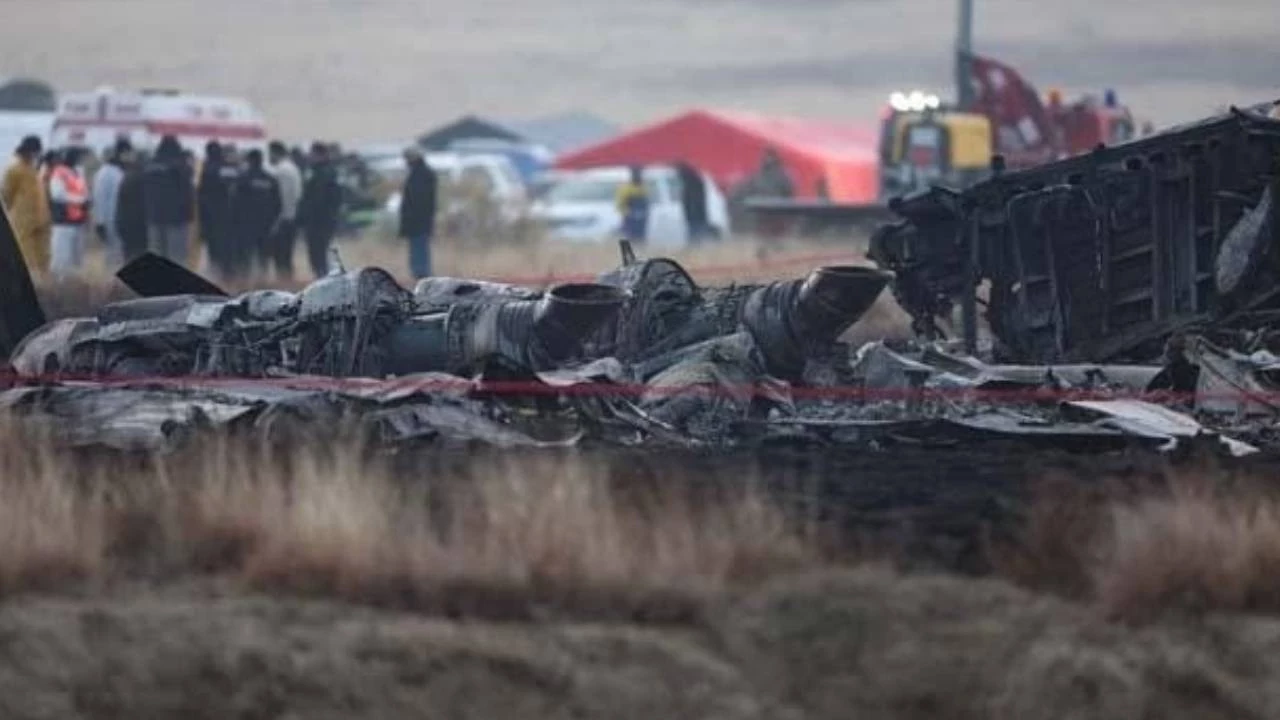
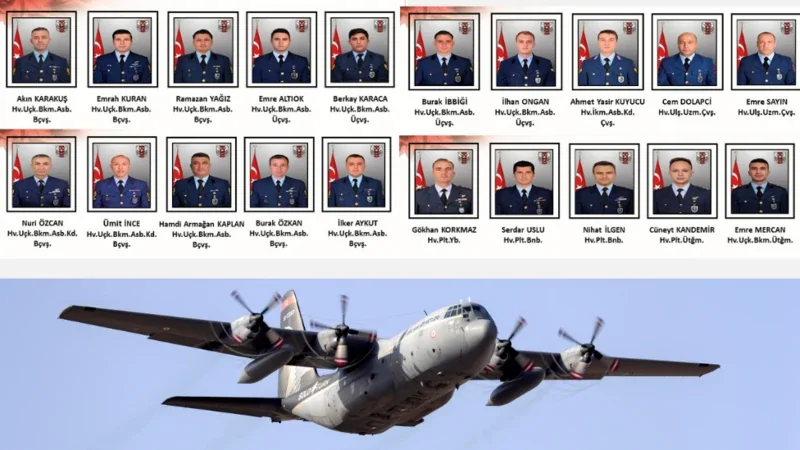
The deadliest incident occurred on November 11, 2025, when a Turkish Air Force C-130 military transport plane crashed in Georgia while returning home from Azerbaijan. All 20 soldiers on board were killed. The aircraft, widely known as the Hercules, was conducting a logistics mission from Azerbaijan when it went down. The disaster was one of the largest losses of Turkish military personnel in a single aviation accident in recent decades.
Shortly after the crash, Turkish Defense Minister Yaşar Güler said the aircraft’s two flight recorders had been recovered and were being examined by engineers at Turkish Aerospace Industries. Güler said the analysis of the flight data and cockpit voice recorders could take about two months and that the findings would be made public once the technical work was completed.
More than four months later no official explanation has been released. Turkish authorities have not issued a preliminary report or an update on the results of the black box analysis. Wreckage from the aircraft was examined in Kayseri, while the flight recorders were analyzed in Ankara. Despite the earlier timeline provided by the defense minister, the cause of the crash has not been publicly clarified more than 120 days after the incident.
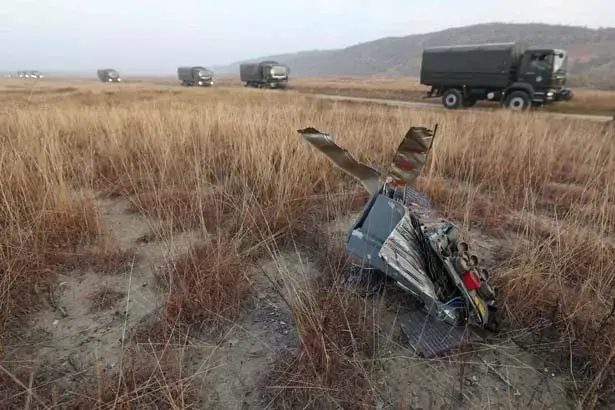
Another aviation disaster occurred weeks later. On December 23, 2025, a jet carrying a Libyan military delegation crashed shortly after takeoff near Ankara. Eight people were killed including the chief of staff of Libya. Turkish officials said the aircraft lost electrical power after its generators stopped functioning.
The black box from the Ankara crash was analyzed within 43 days, and authorities publicly announced the preliminary findings. The faster release of technical information in that case has drawn attention to the continued absence of results from the Georgia disaster. Questions have also been raised in public debate about whether the reported generator failure could have resulted from mechanical malfunction or another cause. No official investigation has publicly addressed those claims.
A third accident occurred on February 25, 2026, when a Turkish Air Force F-16 fighter jet crashed near the western Turkish province of Balıkesir, killing the pilot. Authorities confirmed the loss of the aircraft and said an investigation had begun but did not disclose further information about possible causes.
The most recent incident took place on March 21, 2026, when a military helicopter belonging to the Qatari armed forces crashed into the Gulf during a training mission. All seven people on board died. Among the victims were three Turkish nationals including one member of the Turkish military and two engineers from ASELSAN, a Turkish defense contractor that develops communication systems, radar and avionics for the armed forces. Four members of the Qatari armed forces were also killed. Initial statements from authorities described the accident as the result of a technical malfunction.
The incidents have occurred during a period when Turkey’s military aviation system faces structural pressures linked to aging aircraft and personnel shortages. Several types of aircraft in the Turkish Air Force inventory entered service decades ago. The C-130 involved in the Georgia crash belongs to a fleet first produced in the United States in the late 1950s and still widely used by air forces around the world. Turkey has operated the aircraft for decades and has implemented modernization programs to extend its service life.
In addition, the Turkish Air Force has experienced shortages of pilots and technicians since a coup attempt on July 15, 2016, which many believe was a false flag operation led by Turkish intelligence to purge opponents of President Recep Tayyip Erdoğan. Hundreds of pilots were dismissed or arrested and international reports as well as rulings by the European Court of Human Rights reflected that many of these cases were wrongful. Turkish officials have acknowledged the shortage and have taken steps to recruit new pilots and bring retired personnel back into service.

The crash of the C-130 in Georgia remains the central unresolved case among the recent accidents. In many countries aviation investigations release early technical findings while the full analysis continues. These reports typically establish confirmed facts and outline the direction of the investigation. No comparable document has been made public regarding the Georgia crash.
The crash near Ankara that killed the Libyan military chief of staff is also significant because of the senior official involved and the political context of the flight. Turkish authorities have not released a comprehensive technical report detailing the sequence of events inside the cockpit.
The helicopter crash in Qatar has added another dimension because it occurred during a multinational training activity. Turkey maintains a military base in Qatar and conducts joint exercises with Qatari forces. The helicopter belonged to the Qatari armed forces, which means the investigation is expected to be led primarily by Qatari authorities.
One consistent factor in all four incidents has been the limited amount of publicly available information about the investigative progress. Military aviation accidents often involve sensitive operational details and classified equipment, and governments sometimes restrict the release of technical data during investigations.