Levent Kenez/Stockholm
A temporary judicial panel in southeastern Turkey has issued a ruling that effectively concludes the long-running prosecution of two of the country’s most notorious terrorist figures, effectively shielding them from serving any additional prison time despite their previous involvement in a campaign of mass violence.
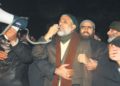
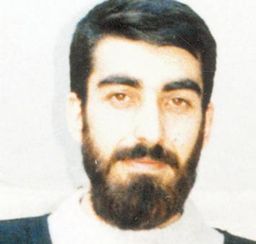
The decision by the Diyarbakır 6th High Criminal Court shows the government’s legal approach to the high-ranking leadership of Turkish Hizbullah. By downgrading the primary charges against Edip Gümüş, the supreme leader of the radical Islamist group, and Cemal Tutar, the organization’s military wing commander, from leading a terrorist organization to simple membership, the court reduced their sentences to seven-and-a-half years.
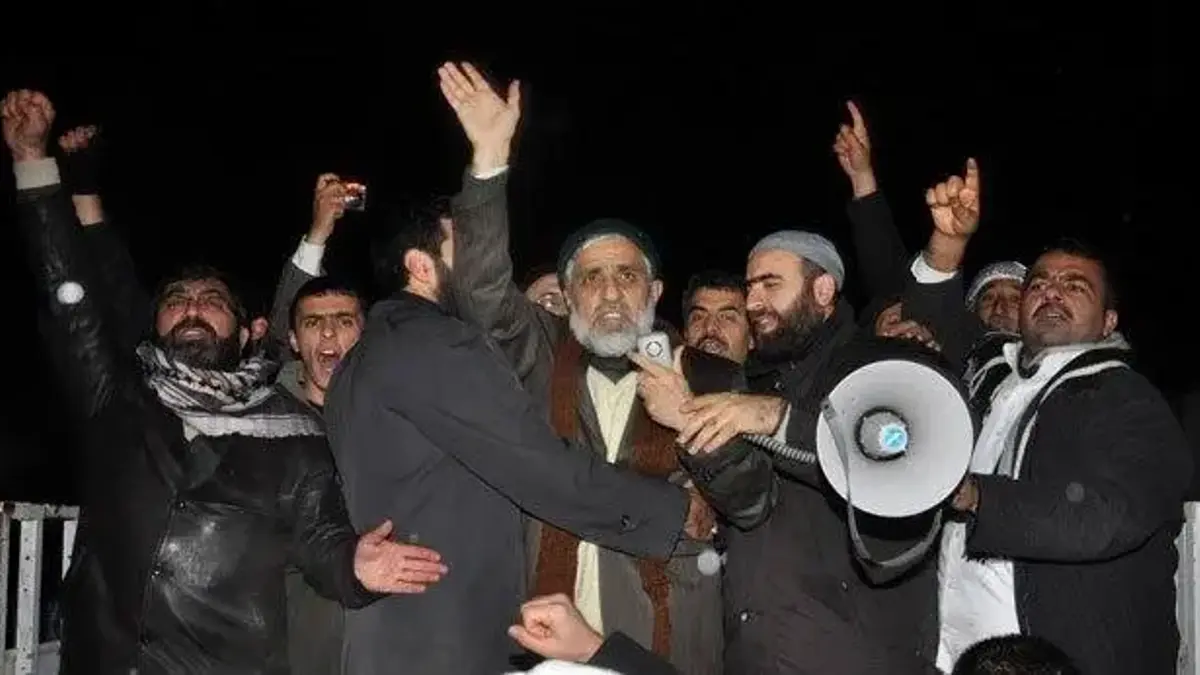
A subsequent good-conduct reduction further slashed the sentences to six years, three months. Because both men had spent nine years in pretrial detention before fleeing the country over a decade ago, the panel ruled their time served more than covered the new penalty, rendering them completely free of further prison time. The local prosecutor’s office immediately vowed to appeal the decision, though the political insulation surrounding the case suggests minimal prospects for a reversal.
The sudden judicial pivot took place under highly irregular administrative conditions that point to direct political intervention. The court abruptly advanced the scheduled trial date from December 17 to July 14, 2026, assembling a temporary panel of judges after the original presiding judge and a member judge were reassigned and the primary prosecutor replaced. Gümüş and Tutar, who have lived as fugitives for 15 years, participated in the proceedings via a state video-conferencing system from a remote district in Batman province, safe from physical detention.
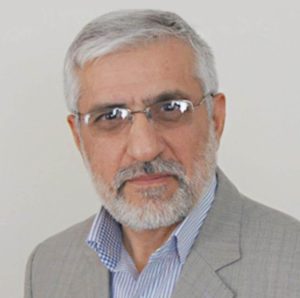
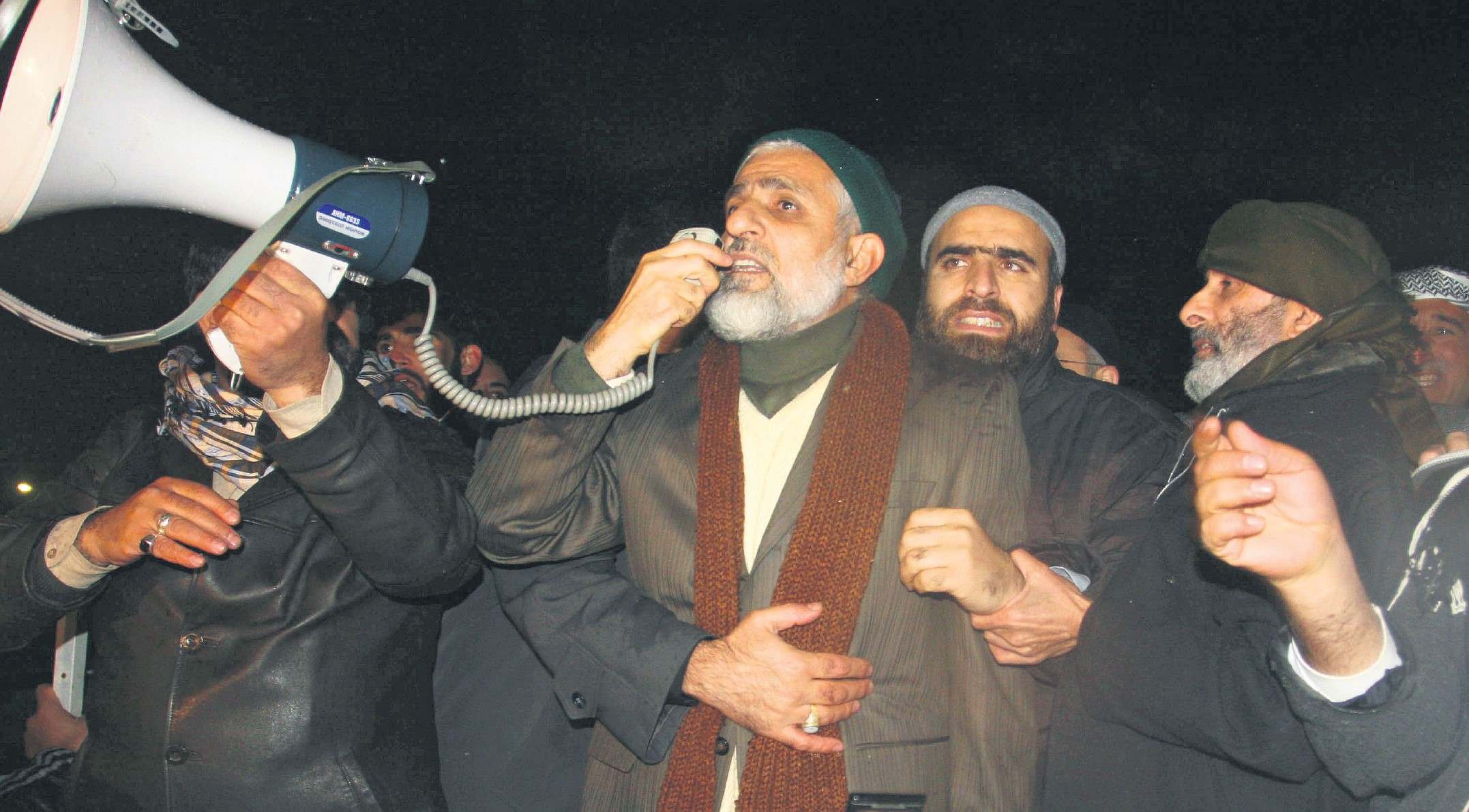
This legal resolution marks the culmination of a deliberate, decade-long effort by the Islamist government of Turkish President Recep Tayyip Erdogan to rehabilitate domestic radical networks for political survival. Turkish Hizbullah, formed in the 1980s to establish an Iranian-style fundamentalist regime, operates independently from the Lebanon-based Hezbollah but shares its violent ethos. The group gained global notoriety in the 1990s for its campaign of violence against secular intellectuals, journalists and moderate Muslims.
Original court records detailed the systematic execution of 183 citizens using firearms, meat cleavers and a specialized suffocating restraint technique known as “domuz bağı” or hogtying. The bodies of dozens of victims were discovered buried in the basements of safe houses across Turkey following a massive police crackdown in January 2000, which resulted in the death of the group’s founding leader, Hüseyin Velioğlu.
During the initial trials, the defendants openly defied the secular judicial system. In his final defense statement before the court, Tutar explicitly threatened the judges, prosecutors and local administrators, stating that any pressure exerted on jailed members would result in officials being sent “to the side of Gaffar Okkan.” The statement referenced the 2001 assassination of Diyarbakır Police Chief Ali Gaffar Okkan, a landmark terrorist attack carried out by the group.
In 2009, the Diyarbakır court originally sentenced Gümüş, Tutar, and 14 other high-ranking members to life imprisonment for forcibly attempting to overturn the constitutional order. However, a major shift occurred in January 2011 when a new law restricting pretrial detentions took effect. The Supreme Court of Appeals delayed finalizing the convictions, forcing the immediate release of the Hizbullah leaders. Both men vanished the same night, successfully fleeing the country to avoid re-arrest.
The legal landscape shifted decisively in favor of the group when the Erdogan administration began reshaping the judicial system following internal political conflicts. Between 2018 and 2022, defense lawyers successfully argued that the original judges who handed down the 2009 convictions were later expelled from the judiciary due to affiliation with the faith-based Gülen movement, a group critical of Erdogan. The government used this pretext to suspend the execution of sentences for numerous Hizbullah figures, effectively clearing the nation’s prisons of the group’s active operatives.
While the high court upheld the aggravated life sentences of the fugitives in 2024, local enforcement mechanisms stalled under political pressure. In April 2026 the Diyarbakır 6th High Criminal Court bypassed the high court’s order, rescinding the active arrest warrants for Gümüş and Tutar and clearing the path for the expedited July retrial that solidified their freedom.
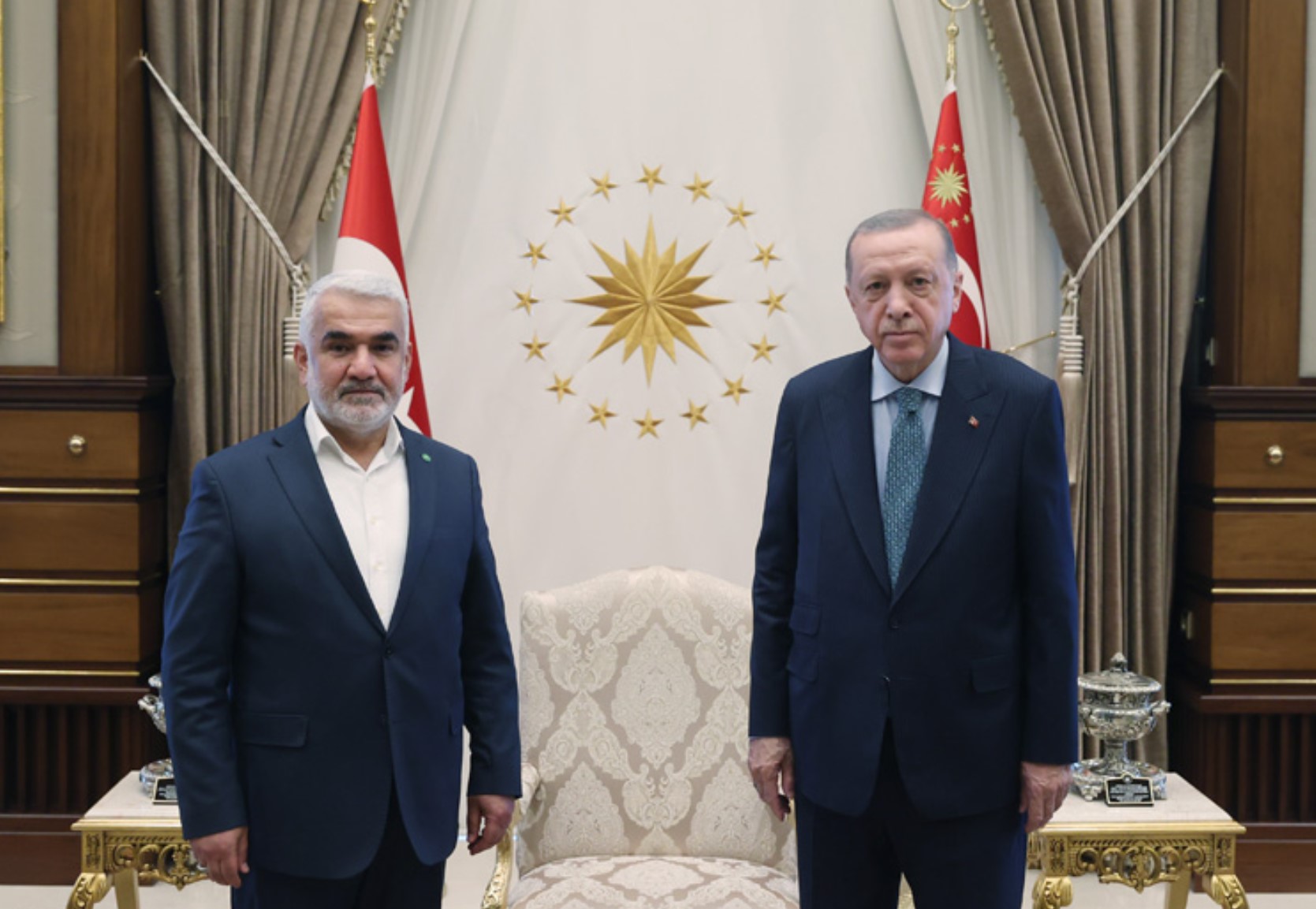
The survival and operational revival of Turkish Hizbullah align closely with recent political developments in Ankara. In 2012 the group established a legal political party named the Free Cause Party (HÜDA-PAR). By 2014 the political entity began developing closer ties with the ruling Justice and Development Party (AKP) led by Erdogan.
The political alliance solidified ahead of the May 2023 general election, when HÜDA-PAR formally joined the electoral coalition supporting Erdogan. Three prominent members of the Hizbullah-linked party secured seats in parliament by running on the ruling party’s legislative tickets, granting the movement unprecedented legislative legitimacy and direct access to state mechanisms.
Official intelligence assessments had previously detailed the international dimensions of the group’s financing and logistics. A May 2012 report compiled by the counterterrorism bureau of the Diyarbakır Police Department mapped a direct financial pipeline from the Iranian regime to Hizbullah-linked institutions, identifying monthly payments of $100,000 along with lump-sum transfers aimed at funding specialized regional operations. The probe was later hushed up by the Erdogan government, and the investigating prosecutors were removed from their posts.
From his undisclosed location abroad, Gümüş has continued to exercise religious and administrative authority over the expanded network of foundations, media outlets and political structures inside Turkey. In October 2023 Gümüş issued a formal religious edict through a media organ affiliated with the group, calling for a global armed campaign against Israel and instructing followers to disregard international borders to join combat units.
Intelligence report on Hizbullah’s activities in Turkey and how they received funding and training from Iran:
The impact of these unchecked directives manifested itself in April 2024, when Hasan Saklanan, a 34-year-old imam from Şanlıurfa, carried out a knife attack against an Israeli border police officer in Jerusalem’s Old City before being shot by security forces. Turkish administrative records confirmed that Saklanan had entered government service through an expedited employment program that filled vacancies in the Directorate of Religious Affairs with individuals from conservative religious factions, including the Hizbullah network.
Following the attack, HÜDA-PAR officials organized public rallies across Turkey to honor Saklanan, while senior Hizbullah figure Enver Kılıçarslan publicly stated that the imam had fulfilled his fundamental religious obligations under the edict issued by Gümüş. Pro-government newspapers controlled by the families of state officials similarly praised the attacker, reflecting the integration of the group’s narrative into the broader state apparatus.