Levent Kenez/Stockholm
International students studying in Turkey are increasingly being integrated into state-sponsored programs designed to promote the political narratives of President Recep Tayyip Erdogan’s government, drawing criticism that public funds are being used to politically influence foreign scholarship recipients.
The initiatives present the government’s preferred version of contemporary Turkish politics while portraying political opponents and dissident movements in exile as threats to the state. State-run institutions, including the Presidency for Turks Abroad and Related Communities (YTB) and the Turkish Maarif Foundation, have expanded activities that bring foreign students into official ceremonies. Turkish authorities defend the initiatives as civic education, public diplomacy and efforts to strengthen international cultural understanding.
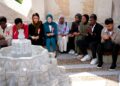
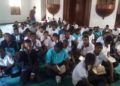
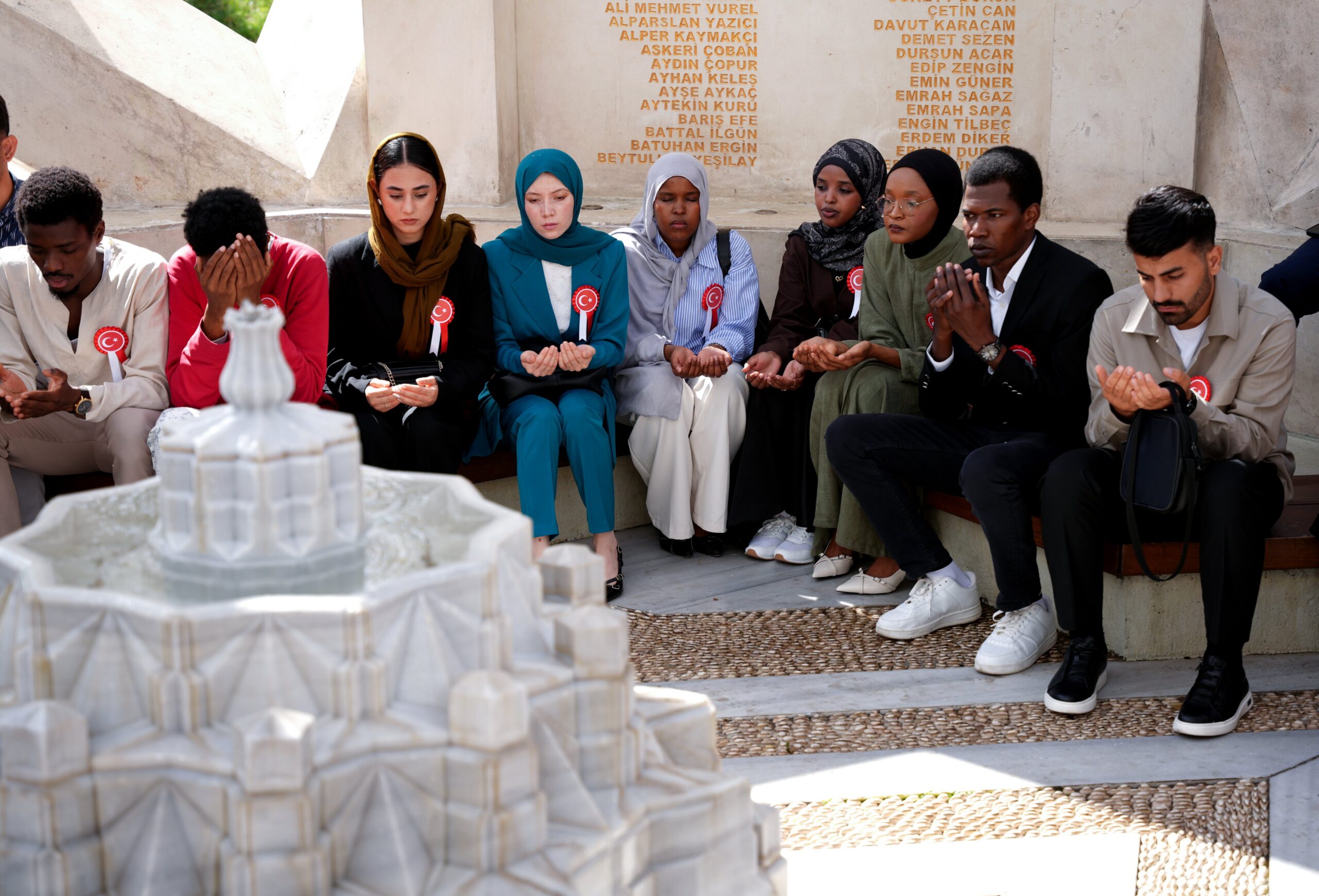
One of the most prominent examples of this outreach is the government’s annual commemoration of the July 15, 2016, failed coup, an event that has become a cornerstone of Erdogan’s political legacy. International students have been integrated into official remembrance ceremonies, museum visits and seminars presenting the government’s account of the coup.
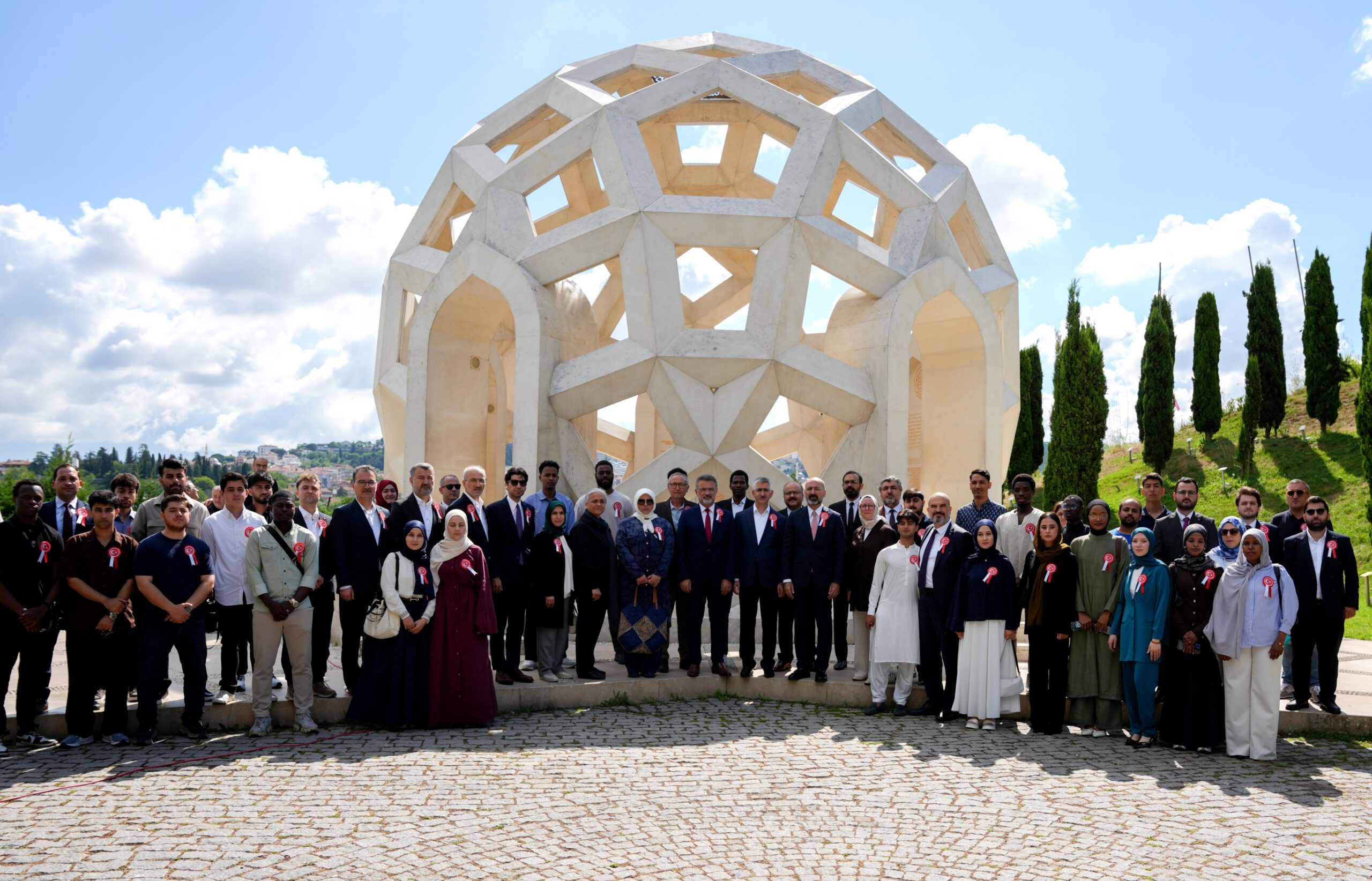
These programs frequently characterize the movement led by the late Islamic cleric Fethullah Gülen as the mastermind behind the attempted coup. Ankara designates the group as a terrorist organization. The Gülen movement, however, has claimed the coup was a false flag operation orchestrated by Erdogan and Turkish intelligence to justify a widespread purge of dissidents from the state apparatus and the military.
The Turkish Maarif Foundation, which operates schools in dozens of countries and hosts educational activities within Turkey, has openly promoted student participation in the July 15 commemorations. “The most meaningful way to preserve memory is to pass it on to new generations,” the foundation said in a statement marking this year’s anniversary.
The foundation announced that its leadership delegation and students visited the July 15 Memory Museum in Istanbul, where they commemorated those killed during the coup attempt and said prayers following Quran recitations by students from Maarif schools around the world.
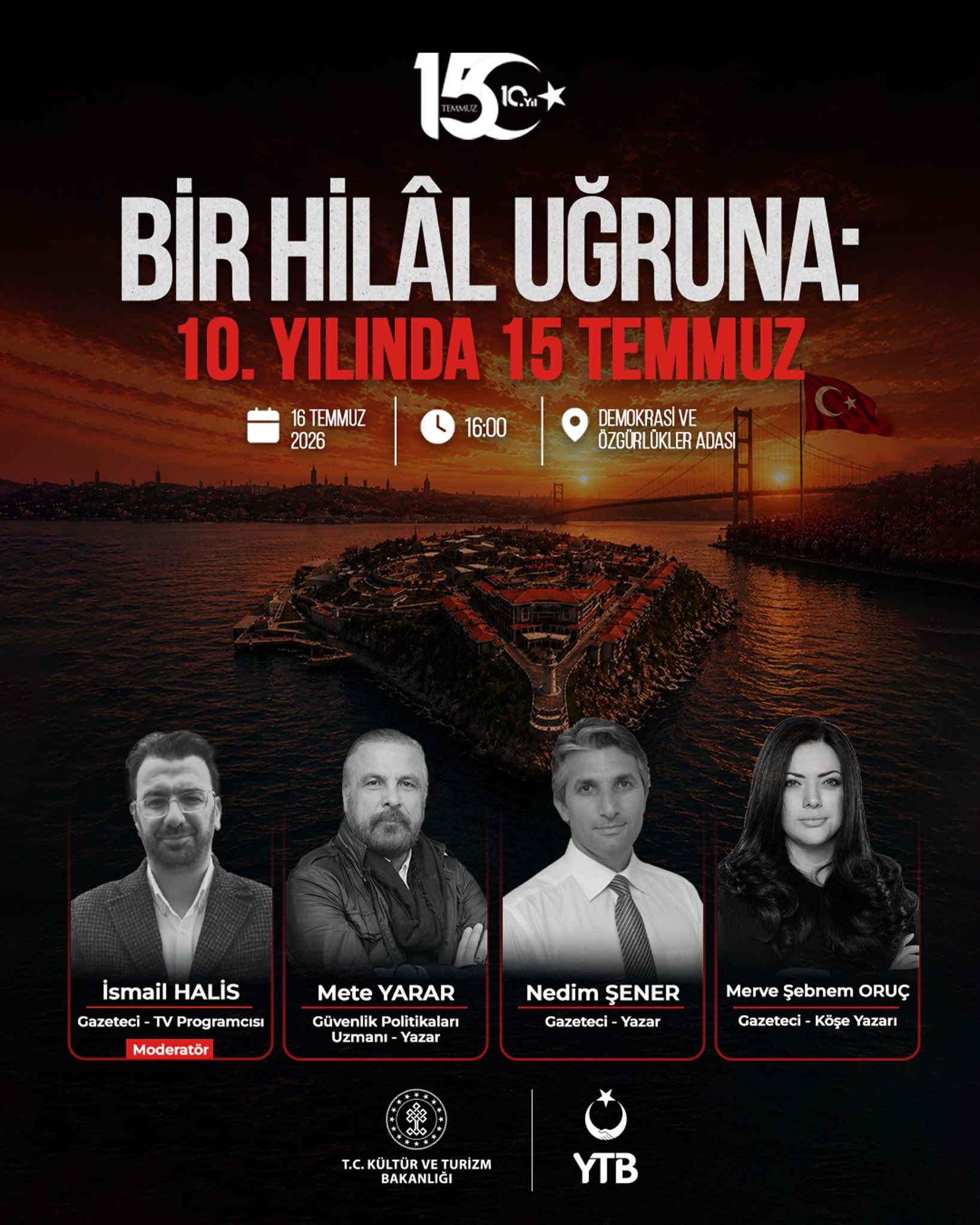
Separately, pro-government propagandist Nedim Sener wrote on X that he was scheduled to speak on July 16, 2026, at a YTB-sponsored conference along with more than 100 foreign students studying in Turkey to discuss the 2016 abortive putsch.
The July 15 anniversary occupies a central place in the political narrative promoted by Erdogan’s government. Since the coup attempt, official commemorations have portrayed the events as a defining moment that saved Turkish democracy while reinforcing the legitimacy of the country’s current political leadership. Museums, documentaries, educational programs and annual ceremonies present a highly consistent account emphasizing national resistance against the coup plotters.
Critics, however, argue that these commemorations ignore broader debates surrounding the political aftermath of the coup, including a prolonged state of emergency, the mass dismissal of public sector workers, the arrest of journalists and opposition figures and sweeping constitutional changes that consolidated power in an executive presidency.
The debate over the programs has intensified as government agencies increasingly describe education, scholarships and cultural exchanges as instruments of Turkey’s international influence. Public documents and parliamentary testimony show that Ankara views foreign students and diaspora communities as strategic assets capable of advancing government interests abroad.
During testimony before a parliamentary committee in 2024, Abdullah Eren, then-president of the YTB, said the agency actively encourages members of the Turkish diaspora and international students to participate in the politics and civil society of their host countries rather than remaining politically disengaged.
The YTB’s 2024–2028 strategic plan similarly outlines goals to strengthen ties between Turkey and overseas communities, expanding programs designed to foster long-term connections with the Turkish state. The document frames diaspora engagement as an element of public diplomacy and calls for closer cooperation with Turkish diplomatic missions and partner institutions.
The government’s emphasis on education as an instrument of state influence also extends to Turkish students studying abroad. An article published in July 2025 in Communication and Diplomacy, a journal run by the Presidency’s Directorate of Communications, argued that Turkish government scholarship recipients studying overseas should be regarded not merely as graduate students but as “citizen diplomats” representing Turkey.
Minutes from the Turkish parliamentary subcommittee hearing during which the Turkish diaspora agency made a presentation on the agency’s work abroad:
The article proposed providing these students with structured training in cultural diplomacy, social media communication, diaspora engagement and intelligence awareness before they depart for foreign universities.
Among its recommendations was cooperation with Turkey’s National Intelligence Organization (MİT) to provide students with briefings on foreign intelligence activities and the protection of state information. While the proposal has not been adopted as official government policy, observers say it reflects a wider state discourse portraying education as an element of Turkey’s soft power.
Turkish officials have consistently characterized YTB scholarships, Maarif schools and related educational activities as standard public diplomacy initiatives designed to foster cultural understanding. But critics counter that incorporating politically charged narratives, particularly surrounding the events of July 15, shifts educational programming into the realm of ideological messaging. They argue that presenting a single, state-approved interpretation of highly contested political events to international students compromises academic independence and subjects scholarship recipients to partisan narratives rather than balanced education.