Levent Kenez/Stockholm
Turkey’s National Intelligence Organization (MİT) outlined an assertive campaign of overseas surveillance and disruption targeting government opponents abroad in its 2025 annual activity report, presenting the operations as part of a broader strategy to counter threats to national security while expanding its global reach.
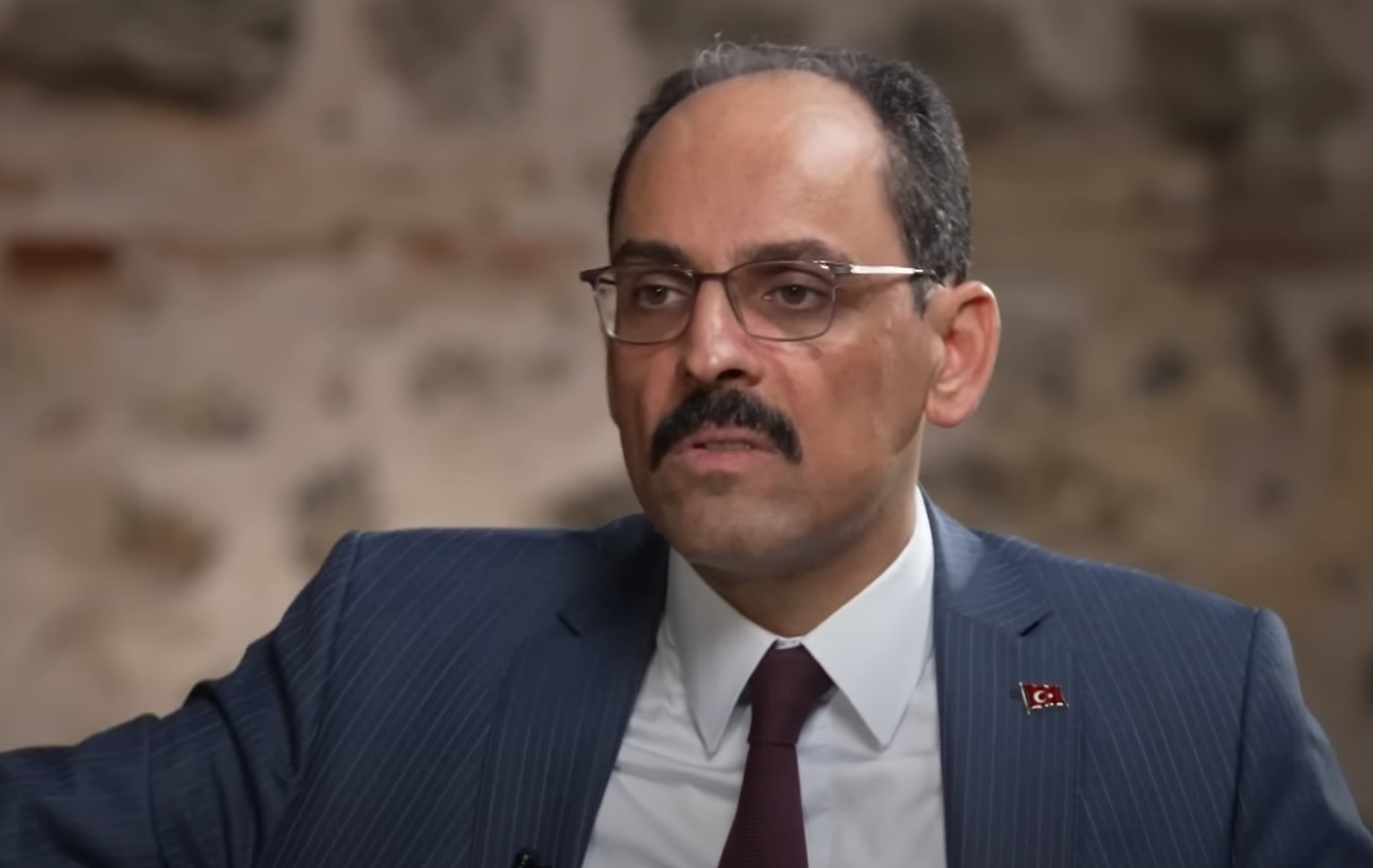
The report, submitted under regulations governing public institutional reporting and signed by MİT Director İbrahim Kalın, describes 2025 as a year marked by war, geopolitical instability and intensifying hybrid threats. Against that backdrop, the agency states that it continued to act proactively and preemptively both at home and abroad.
A central focus of the document is operations targeting what the government labels as disinformation networks operating from abroad but which in reality include journalists living in exile, media outlets and political opponents who had to flee a sweeping domestic crackdown at home.
According to the document, MİT not only moved to contain such activities abroad but also ensured that individuals inside Turkey were apprehended in coordination with security forces. The formulation points to a coordinated strategy that puts media in exile and political dissenters under sustained surveillance while facilitating arrests at home. The report provides no detail on the legal grounds for intelligence operations conducted beyond Turkey’s borders and offers no transparency regarding methods used against critics, reinforcing concerns that the agency’s overseas activities extend to intimidation and unlawful interference aimed at silencing dissent rather than addressing genuine security threats.
As pressure on the media intensifies in Turkey and restrictions on freedom of expression increase, growing numbers of journalists have continued their work from exile, publishing investigations and sensitive files that colleagues inside the country say they cannot report on for fear of prosecution or closure. These outlets have become alternative platforms for stories on alleged corruption, abuse of power and internal dissent in state institutions. Intelligence assessments and court cases in several European countries have indicated that MİT has treated many of these journalists as security targets, branding them as terrorists and monitoring their activities abroad. Reports and legal filings have described surveillance, information gathering and diplomatic pressure aimed at restricting their operations in host countries. At the same time, when political tensions rise in Ankara, civil servants and insiders dissatisfied with developments in public institutions have sought to channel documents and testimony to reporters overseas, effectively turning the media in exile into conduits for whistleblowers who believe they cannot safely expose alleged wrongdoing from within Turkey.
2025 activity report of the National Intelligence Organization:
In a separate passage, Kalın highlighted the agency’s growing international engagement. “In foreign intelligence, the organization has expanded its vision in order to reach every region of the world, particularly our geography of the heart,” Kalın wrote in the report.
He added that MİT continued to develop cooperation with many friendly services, especially those of Central Asia, the Balkans, the Middle East and Africa, in areas such as counterterrorism, training, technical support and intelligence sharing.
The report states that MİT played an active role in the Syrian crisis from its beginning through subsequent phases and took preventive steps against potential threats emerging in Syria that could affect Turkey’s border security. It also describes intensive intelligence diplomacy regarding Gaza, including efforts related to cease-fire negotiations, humanitarian aid, prisoner exchanges, intra-Palestinian reconciliation and a two-state solution.
Financial data included in previous documents submitted to Turkish Parliament show that MİT’s initial 2025 budget allocation stood at 28.89 billion Turkish lira. Following in-year adjustments, total appropriations rose to 36.43 billion lira, with total expenditures reaching 36.30 billion lira by year’s end.
Separate MİT budget figures disclosed in parliament indicate a steady upward trajectory. Official spending amounted to 23.9 billion lira in 2024, increased to 28.9 billion lira in 2025 and is projected to reach 39.5 billion lira in 2026. The projected 2026 figure represents a 37 percent year-on-year increase and more than 65 percent nominal growth over two years. In US dollar terms, the annual budget is expected to climb above $1 billion.
The agency’s funding expansion has coincided with broader structural changes. Legislative amendments in previous years granted MİT expanded operational authority and access to additional funding streams, including the Defense Industry Support Fund and the president’s discretionary budget (Örtülü Ödenek). Public reporting does not disclose how discretionary funds are allocated.
Staffing levels remained undisclosed in the 2025 activity report. Estimates cited in parliamentary discussions suggest that the agency’s permanent workforce has grown significantly over the past decade, accompanied by extensive domestic and international informant networks.
The overseas focus described in the report previously attracted scrutiny beyond Turkey’s borders. In its 2024 annual report, Germany’s domestic intelligence agency, the Federal Office for the Protection of the Constitution (BfV), accused Turkish intelligence of conducting covert operations on German soil targeting opposition groups and diaspora organizations critical of Ankara.
The BfV report states that Turkish intelligence services engaged in information-gathering activities directed at individuals and groups perceived to oppose the current Turkish government. German authorities classify these activities as transnational repression and assert that intelligence collected in Germany has formed the basis for legal and administrative measures in Turkey, including arrests and travel bans.
The German report identifies networks of official diplomatic personnel, informal collaborators and voluntary informants as channels through which information is gathered and transmitted. It warns that such activities pose risks to Germany’s democratic order and sovereignty and remain under close counterintelligence scrutiny.

Berlin’s assessment highlights tensions surrounding MİT’s overseas posture at a time when Ankara presents its foreign intelligence expansion as a strategic necessity in a volatile global environment. The 2025 activity report portrays a service operating everywhere at any time in defense of national interests. German authorities, meanwhile, characterize parts of that activity as unacceptable interference within their jurisdiction.
The 2025 report concludes with a pledge from Kalın that the organization will continue to enhance its capabilities and protect national interests amid global uncertainty. As MİT’s budget increases and its international footprint expands, the debate over the scope and limits of its overseas surveillance operations shows no sign of abating.
President Recep Tayyip Erdogan tightened his grip over the intelligence service in 2023 by appointing his longtime confidant Kalın as its director. Kalın, who served for years as Erdogan’s chief spokesperson, is widely regarded as a hard-line Islamist figure who during his formative years was deeply influenced by and openly expressed admiration for Iran’s revolutionary leader, Ayatollah Khomeini.