Levent Kenez/Stockholm
Somalia’s South West State, a semi-autonomous federal member state, has accused the federal government of deploying Turkish-trained forces and Turkish-supplied drones in an offensive against its administration, raising allegations of civilian harm and intensifying scrutiny of Ankara’s expanding military role.
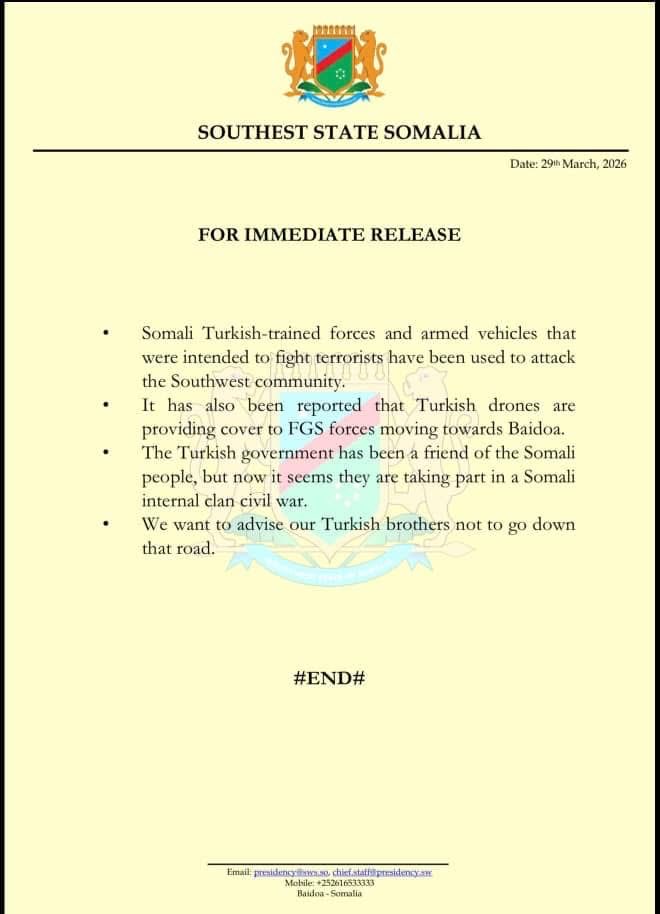
In a statement issued Sunday, the South West State presidency said elite Somali units trained by Turkey including the Gorgor special forces and Haramcad police, were being used in an advance toward Baidoa, the region’s interim capital. It alleged that Turkish drones were providing aerial support to federal forces moving into the area.
“The Turkish government has been a friend of the Somali people, but it now appears to be participating in the civil war in Somalia,” the statement said. It urged Ankara to ensure that its military assistance is not used in internal political conflicts or in operations that could harm civilians.
The accusations come as fighting intensifies in parts of the Bay region. On Sunday Somali National Army forces and allied fighters advancing toward Baidoa were ambushed by Al-Shabaab militants in the Daynuuney area. Federal authorities said more than 20 militants were killed and roadblocks dismantled during the clashes, marking the continued threat posed by the insurgent group even as political tensions escalate.
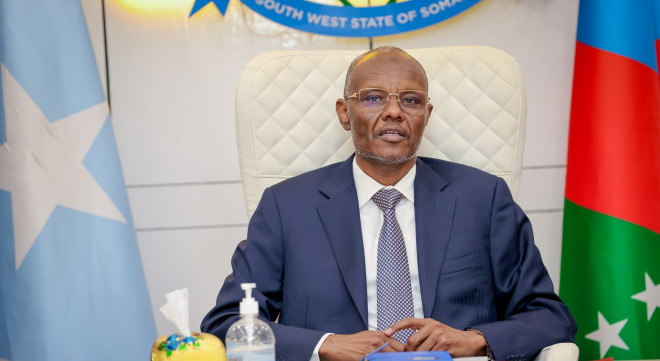
Somalia’s federal government, led by President Hassan Sheikh Mohamud, rejected the allegations by South West State as misinformation. Mogadishu said its forces are engaged in counterterrorism operations and accused regional leaders of undermining national security efforts. It also alleged that figures in the South West administration, including regional President Abdulaziz Laftagareen, have links to Al-Shabaab, a claim the regional authorities have not publicly addressed.
The confrontation reflects a broader political crisis between Somalia’s federal government and several federal member states, including South West, Puntland and Jubbaland. At the center of the dispute are contested elections in Baidoa and constitutional changes extending federal mandates from four to five years, moves regional leaders say were imposed without consensus.
South West authorities say federal deployments amount to an attempt to remove their leadership by force. Mogadishu maintains the operations are necessary to stabilize the country and combat Al-Shabaab.
Ankara has been Somalia’s closest international partner since 2011, investing heavily in infrastructure, humanitarian aid and security. At its TURKSOM military base in Mogadishu, its largest overseas facility, Turkey has trained more than 15,000 Somali troops, forming the backbone of elite units such as Gorgor.
Turkey has also supplied armored vehicles, weapons and armed drones, including the Bayraktar TB2, produced by a company led by President Recep Tayyip Erdoğan’s son-in-law. These drones have become a key component of Somalia’s last military operations.
South West authorities say those same assets are now being used in internal conflict. “Somali forces trained by our Turkish brothers and Turkish-donated armored vehicles for counterterrorism have been used in an attack against the people of South West,” the regional statement said.
There has been no independent confirmation of the latest allegations regarding drone strikes in Baidoa. However, previous incidents involving Turkish-supplied drones have raised concerns about civilian casualties. In 2024 an airstrike involving such drones killed more than 20 civilians, including 14 children, prompting international rights groups to call for an investigation into possible violations of international humanitarian law.
The issue has also surfaced within Somalia’s political class. In a letter published on social media MP Abdillahi Hashi Abib accused Turkey of enabling federal authorities to deploy drones and Turkish-trained forces in what he described as an unlawful campaign against South West State. He warned that civilian deaths linked to those forces could trigger legal consequences for agreements between the two countries.
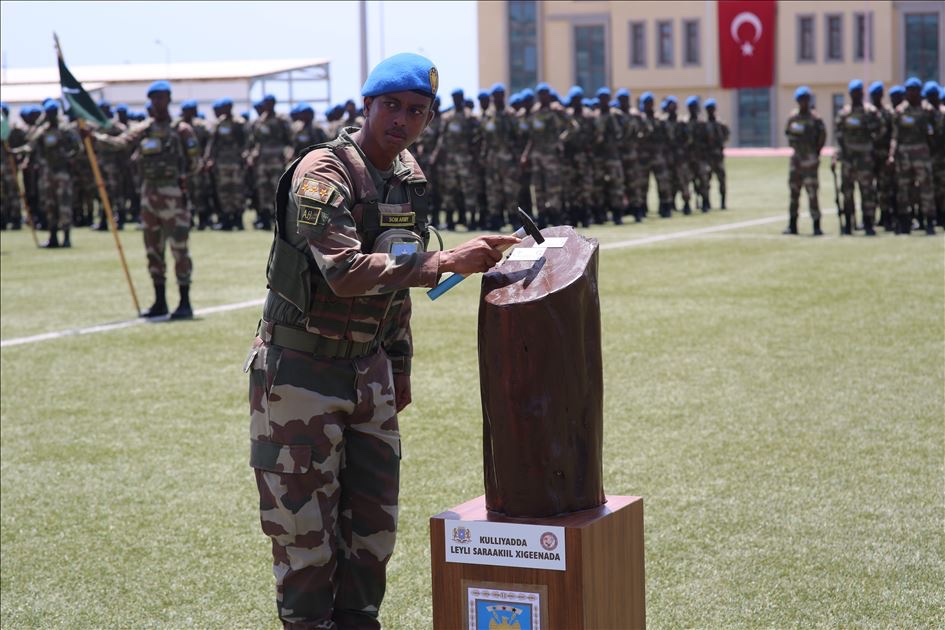
Turkey’s expanding military footprint in Somalia has drawn scrutiny beyond the current crisis. United Nations investigators reported in 2022 that Turkey had supplied armed drones to Somalia without explicit approval under international sanctions frameworks. Ankara has continued to deepen its defense ties with Mogadishu, along with broader economic agreements including a hydrocarbons deal that grants Turkish entities significant operational rights.
Turkey has also expanded its defense exports across Africa, including the sale of drones and other military equipment. Critics say such sales are often made with fewer conditions regarding end use compared to Western suppliers, making Turkish systems attractive to governments but raising concerns about how they are deployed in internal conflicts.
A recent report by Turkey’s National Intelligence Academy warned that Somalia is entering a period of heightened fragility driven by militant threats, political fragmentation, weak institutions, external pressures and economic strain. The assessment said the Somali National Army remains dependent on foreign support and noted that disputes between the federal government and regional states continue to undermine stability and coordination.
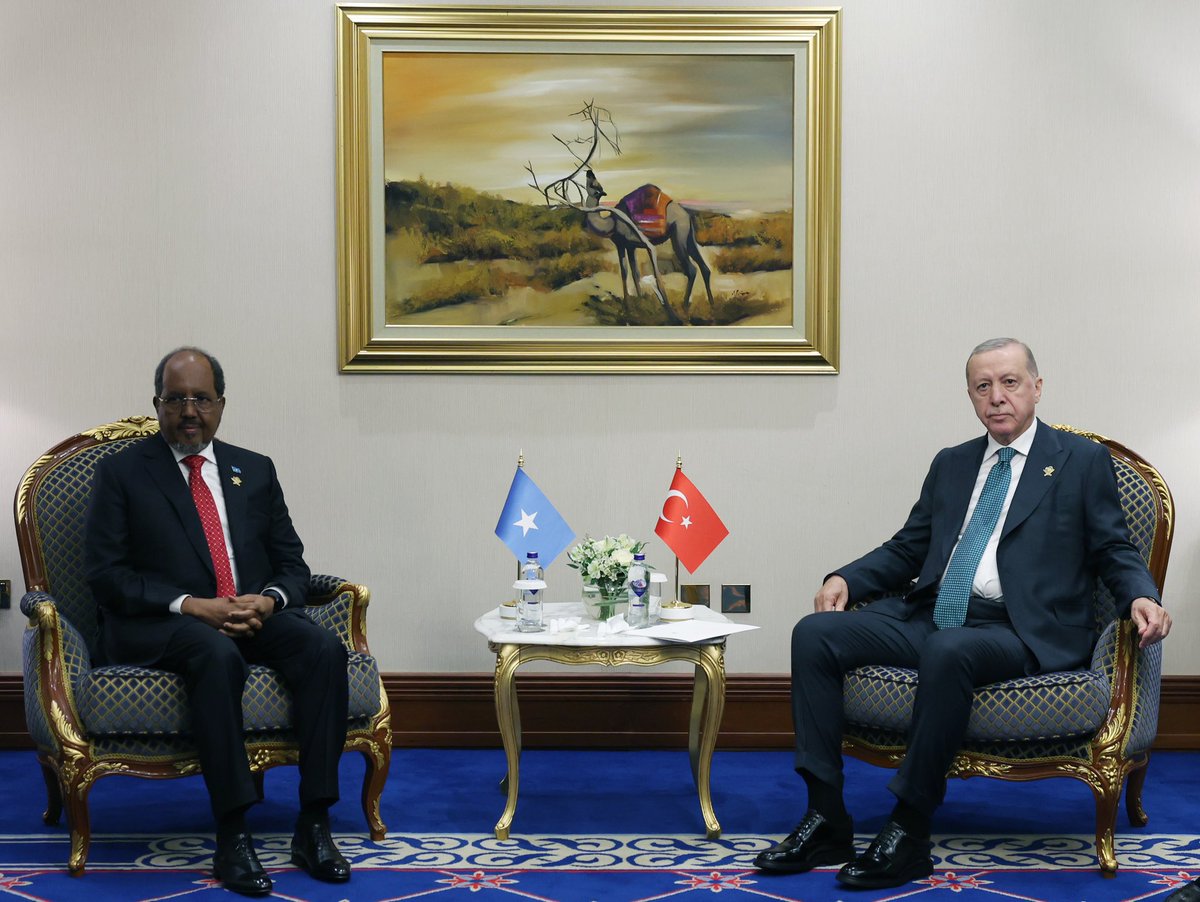
The report identified unresolved tensions within Somalia’s federal system as a central risk, pointing to recurring confrontations over elections and authority between Mogadishu and regional administrations. It also mentioned the ongoing threat from Al-Shabaab, which continues to carry out attacks and maintain influence in rural areas despite military offensives.
The assessment concluded that Somalia’s stability will depend on its ability to manage political disputes, reduce militant threats and strengthen institutions, warning that without progress in these areas, the environment surrounding Turkey’s deepening role in the country will remain volatile and prone to crisis.