Levent Kenez/Stockholm
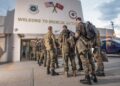
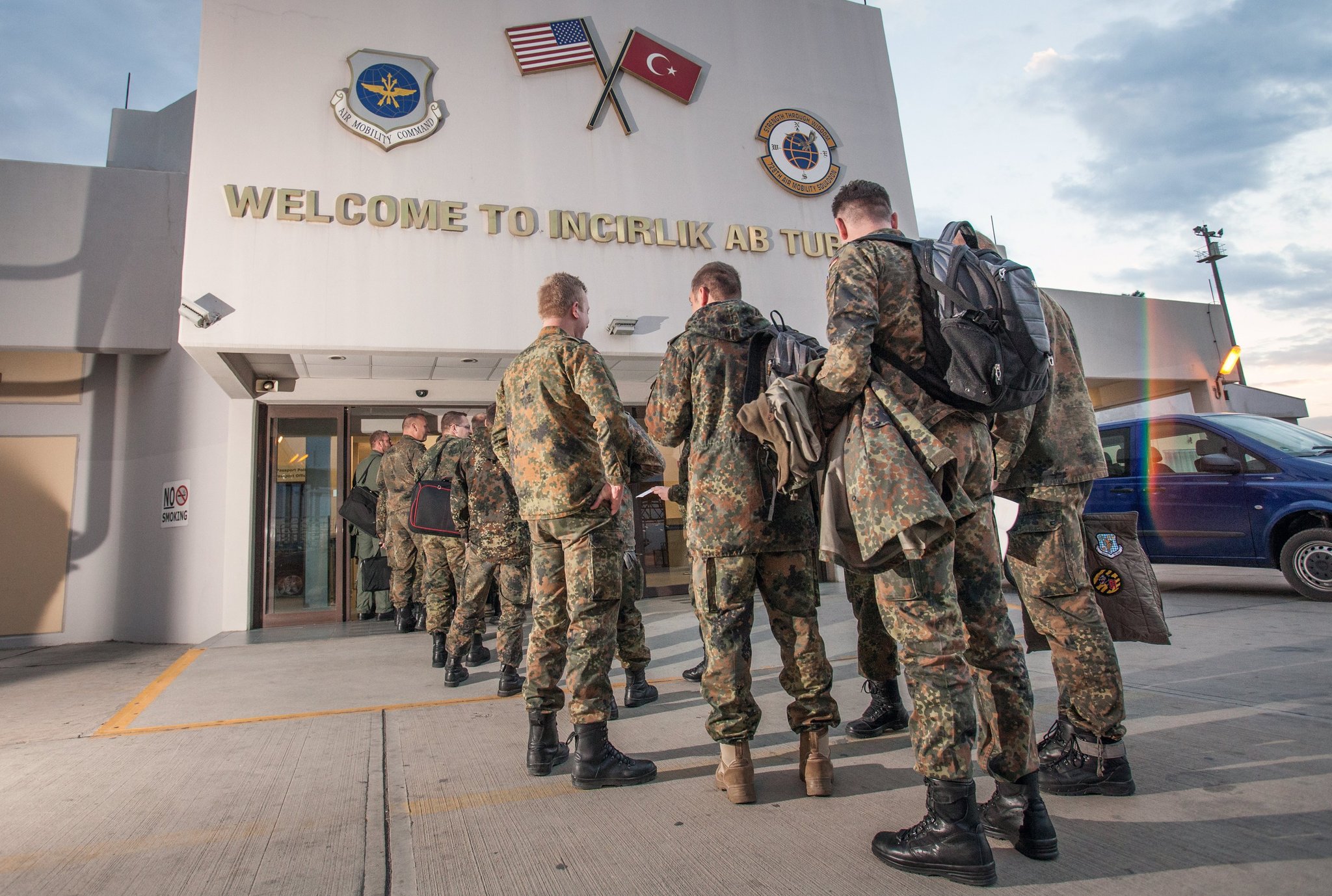
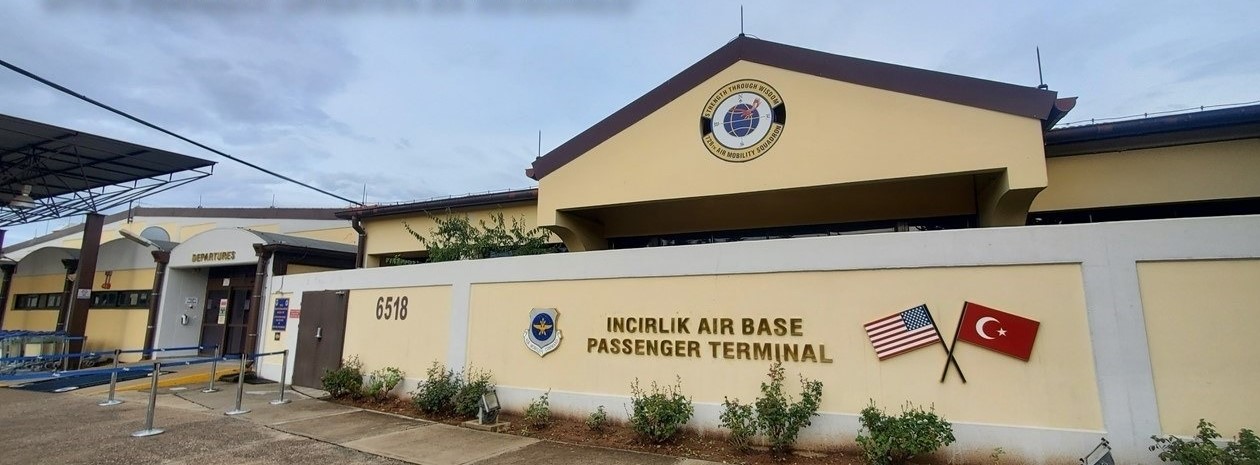
Turkey’s Defense Ministry is intensifying efforts to counter the widespread perception that Incirlik Air Base in southern Turkey is an American base, emphasizing that the installation is owned and commanded by Turkey even though US troops are stationed there.
The clarification comes after two Iranian ballistic missiles were fired toward Turkish airspace in the past week amid escalating regional tensions. Turkish officials said the projectiles, launched from Iran and tracked across Iraqi and Syrian airspace, were intercepted by NATO air and missile defense systems operating in the eastern Mediterranean. Debris from one intercepted missile fell in open land in the southeastern province of Gaziantep, while fragments from another incident were reported near Hatay along Turkey’s Mediterranean coast. Authorities said there were no casualties or damage, but the incidents heightened security concerns in southern Turkey and renewed attention on military installations associated with NATO operations in the country.
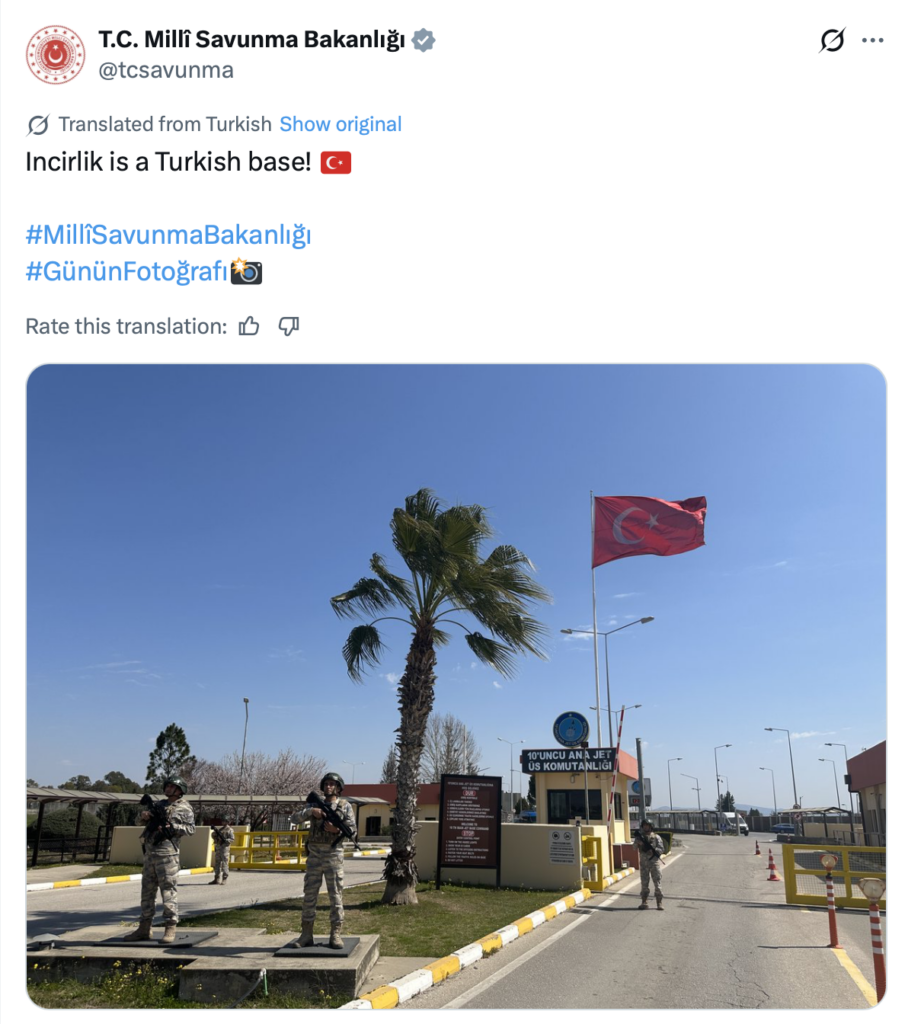
In a weekly briefing at the Defense Ministry in Ankara on March 12, Rear Adm. Zeki Aktürk, the ministry’s press and public relations adviser and official spokesperson, reiterated that Incirlik is a Turkish military base.
Following Aktürk’s remarks, the ministry also released a written statement saying, “İncirlik is a Turkish base. All facilities at the base belong to the Republic of Turkey. The base commander is a Turkish brigadier general.”
Despite that official status, Incirlik has long been perceived internationally and by much of the Turkish public as an American base because of the visible presence of US forces and aircraft there.
The ministry said the base hosts Turkey’s 10th Main Jet Base Command, which operates under the Turkish Air Force’s Combat Air Force Command headquartered in Eskişehir. Turkish assets stationed there include F-16 fighter jets, aerial refueling tanker aircraft and unmanned aerial vehicles.
The statement stressed that the presence of American personnel does not make Incirlik a US base.
“Having American soldiers there does not mean it is an American base,” the ministry said. “Personnel from Spain, Poland and Qatar are also stationed there.”
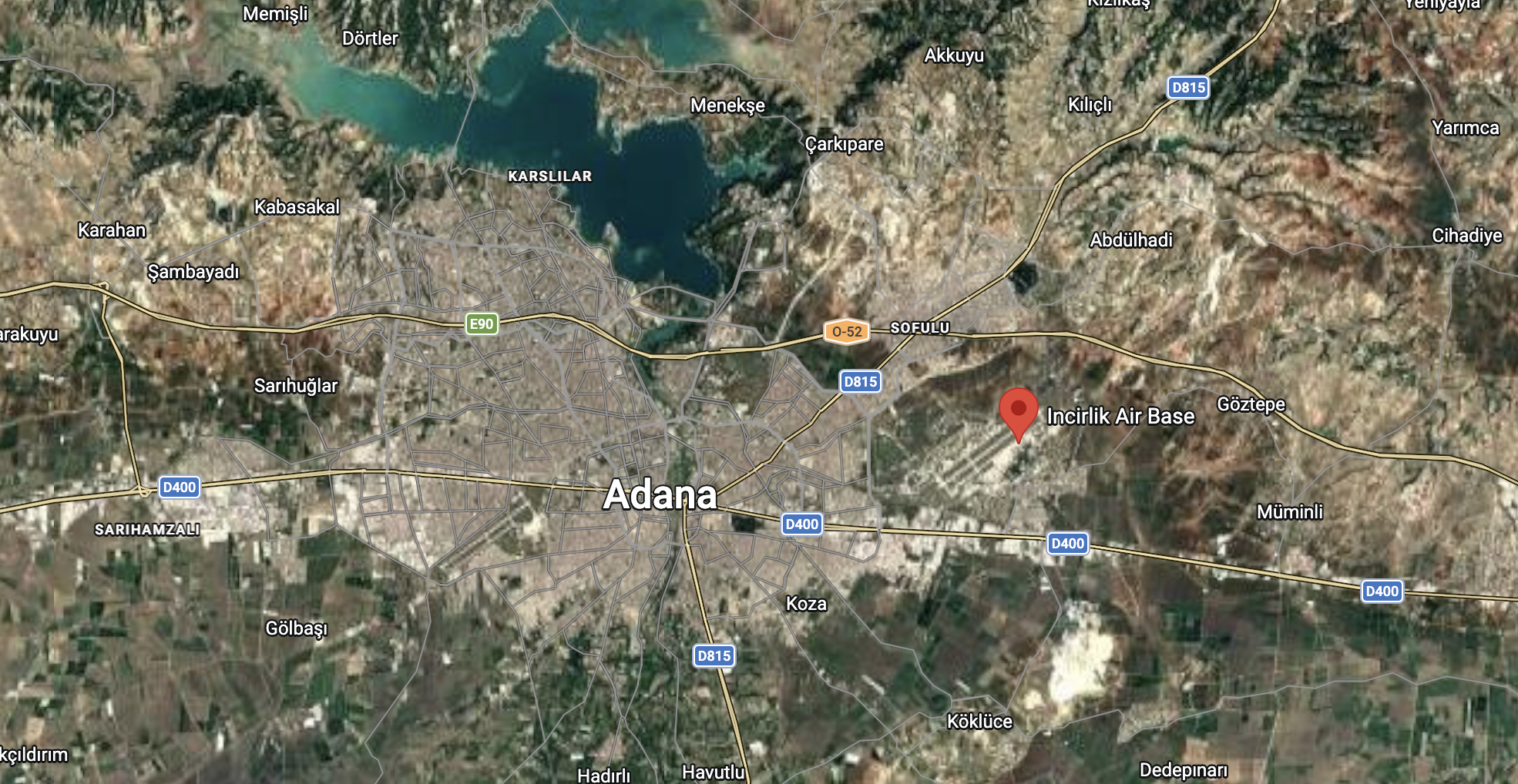 The base is located near the city of Adana in southern Turkey, approximately 10 kilometers (6 miles) east of the city center. While it is close to populated areas, Incirlik Air Base occupies a secured site of about 1,335 hectares, separated from residential neighborhoods.
US forces stationed at Incirlik operate under a NATO framework and bilateral agreements with Turkey. The main American unit on the base is the 39th Air Base Wing, a US Air Force formation assigned to the Third Air Force.
The wing serves as the host US unit at the installation but does not operate combat aircraft from the base. Its mission focuses on supporting NATO personnel and facilities in Turkey while providing logistical and operational support for allied forces.
 The 39th Air Base Wing traces its heritage to the 39th Bombardment Group, established in 1941 during World War II. That unit flew B-29 Superfortress bombing missions against Japan as part of the US Twentieth Air Force.
The presence of the American unit has reinforced the long-standing public perception that Incirlik functions primarily as a US installation.
Turkish officials have increasingly pushed back against that narrative, particularly as tensions with Iran have brought attention to American military infrastructure across the region.
Iran has threatened retaliation against US facilities and assets following recent strikes involving the United States and Israel. The possibility that American installations in allied countries could become targets has heightened political sensitivity around foreign troop deployments.
In that context, Turkey’s Defense Ministry has repeatedly underlined that Incirlik is under Turkish sovereignty and command.

The messaging serves two audiences. One is regional. By stressing that Incirlik is a Turkish installation rather than an American base, Turkish officials are signaling to Iran that Turkish territory is not being used as a platform for attacks against it.
The second audience is domestic. Public opinion in Turkey has long been wary of US military activity in the country. Polls over the past two decades have shown persistent skepticism toward American military presence, particularly after conflicts in Iraq and Syria.
Officials say emphasizing the base’s Turkish command structure helps counter the perception that Turkey hosts an independent American military outpost.
Incirlik’s status has been debated repeatedly since the 1970s. The installation was originally built in 1951 through cooperation between Turkey and the United States and became operational in 1952 during the early years of the Cold War.
Following Turkey’s 1974 military intervention in Cyprus, relations between Ankara and Washington deteriorated sharply. In 1975 Turkey suspended operations at US military facilities in the country in response to a US arms embargo imposed by Congress.
When the base was reopened to American use in 1980 under a new defense cooperation agreement, the arrangement placed clearer limits on the authority and activities of US forces stationed there. Under those terms, American units operate in Turkey as guests of the Turkish government.
Despite those formal restrictions, Incirlik has been used for a range of US and NATO operations over the decades, including missions related to conflicts in Iraq and Syria. The base has also periodically been at the center of political controversy in Turkey.
Reports in the international media have long suggested that tactical nuclear weapons belonging to the United States are stored at the base as part of NATO’s nuclear sharing arrangements, although neither Ankara nor Washington publicly confirms operational details about such deployments.
Recent comments by US President Donald Trump have also drawn attention to the issue of foreign bases. After Spain refused to allow the United States to use facilities on its territory for operations related to a potential strike on Iran, Trump said Washington could still act from allied bases if it chose to.
“If we want, we go and use them — what can they do?” he said, referring broadly to US access to facilities in allied countries.
The remark revived debate in Turkey about whether American forces could create a “fait accompli” by using bases such as Incirlik for operations without Ankara’s explicit political approval.
According to the Defense Ministry, the chain of command at Incirlik remains Turkish.
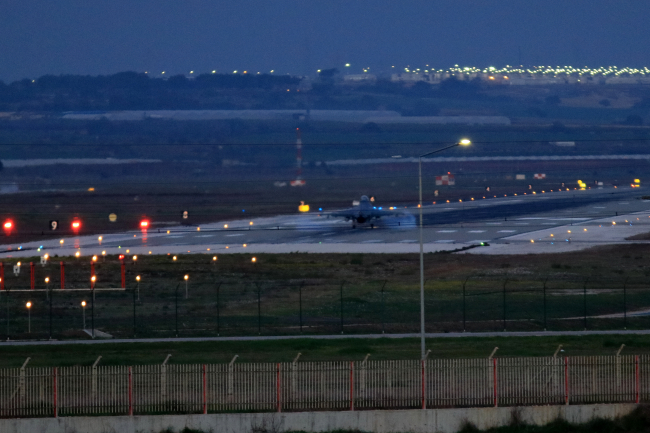
For Ankara, reiterating that structure is intended to reinforce a central point: Incirlik may host allied personnel, but it remains a Turkish military base operating under Turkish authority.
Meanwhile, several journalists linked to the independent ANKA News Agency were detained after broadcasting live footage from the vicinity of Incirlik Air Base as the United States and Israel began strikes on Iran on Fabruary 28. Prosecutors in the southern city of Adana said the livestream — which lasted more than an hour and showed activity around the base — could reveal sensitive information about the location and security arrangements of a military facility. Among those detained were ANKA Editor-in-Chief Kenan Şener and two media workers who had been providing video footage to the agency. They were later released under judicial supervision after questioning