Levent Kenez/Stockholm
An anonymous letter containing claims about the religious and ethnic background of jailed Istanbul Mayor Ekrem İmamoğlu has been entered into a criminal case against him by prosecutors, a move which has fueled accusations that President Recep Tayyip Erdogan’s judiciary is using hate-driven propaganda to discredit a key political rival.
The unsigned document, added to the investigation file by a senior prosecutor, alleges that İmamoğlu’s family changed its surname from Müdafa to its current form, which literally means “son of an imam,” to appear Muslim and claims that some relatives live in Greece. The letter does not explicitly describe Imamoglu as being Greek or Christian, but given earlier accusations it is widely seen as alluding to such claims.
The letter contains no author’s name or supporting evidence, yet it was formally incorporated into the official case file during a wide-ranging investigation into municipal contracts and alleged corruption. It became available to the public when the court accepted a lengthy indictment drafted by prosecutors.
The inclusion of the letter has attracted attention because Turkish criminal procedure allows prosecutors to collect tips and complaints but typically requires verification before such material is treated as evidence.
According to the court record, the letter was added to the file with an official note by the then–chief deputy prosecutor at the Istanbul Chief Public Prosecutor’s Office, requesting that the information be evaluated in connection with the investigation. The prosecutor was later assigned to a new post as chief public prosecutor at the Anadolu courthouse in Istanbul.
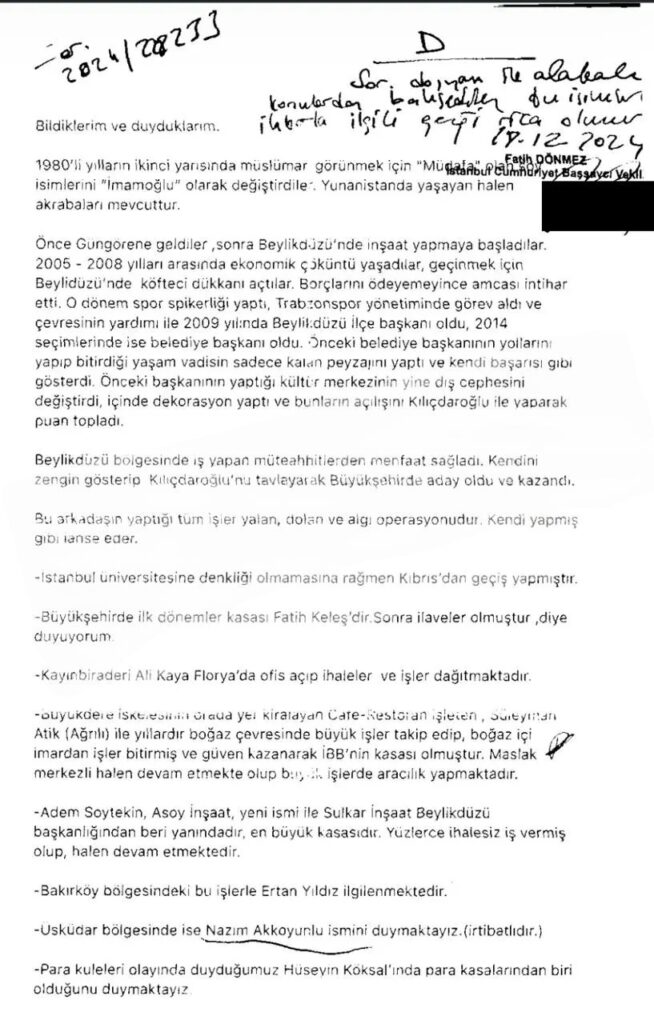
The letter alleges that İmamoğlu’s family changed its surname in the 1980s. It also accuses İmamoğlu of deceiving political figures to secure his initial mayoral candidacy and describes his public work as deceptive. None of the claims are supported by documentation in the case file.
The controversy deepened after journalist Furkan Karabay reported on the letter’s inclusion in the case file. Karabay was detained shortly after publishing his report on January 23, 2026, and was brought before a court on charges of spreading misleading information and targeting individuals involved in counterterrorism efforts. Prosecutors sought his arrest; however, a judge ordered Karabay’s release under judicial supervision, including a ban on leaving the country and house arrest. Karabay has previously served prison sentences in unrelated cases.
İmamoğlu, a leading figure in Turkey’s main opposition Republican People’s Party (CHP) and a presidential candidate for the next election, has been held at Marmara Prison in Istanbul’s Silivri district since late March 2025. Prosecutors accuse him of leading a criminal organization, corruption, espionage, bid rigging and other financial crimes related to municipal contracts. The indictment lists hundreds of suspects, including municipal officials and businesspeople, and seeks lengthy prison sentences if convictions are secured.
The indictment, running nearly 3,900 pages, was accepted by the İstanbul 40th High Criminal Court in November 2025. The court scheduled the first hearing for March 9, 2026.
Before his arrest opinion polls showed İmamoğlu leading President Erdogan or running neck-and-neck in future presidential matchups. Opposition figures believe that his detention is aimed at removing a strong challenger ahead of national elections.
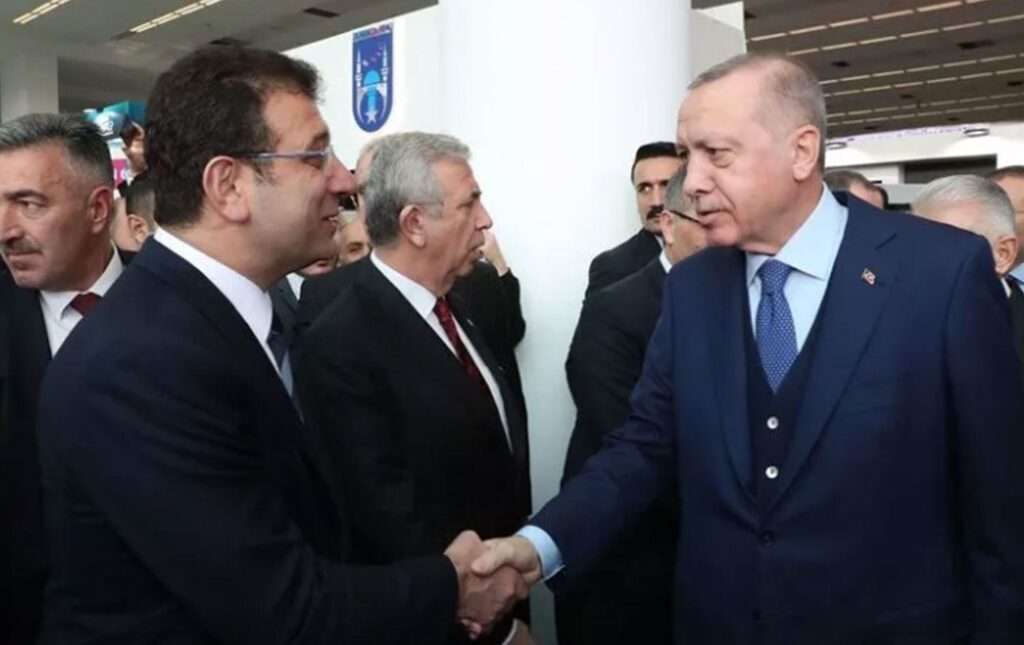
In addition to the criminal case, authorities have annulled İmamoğlu’s university diploma, a requirement for presidential candidacy under Turkish law. The decision effectively blocks him from running for president unless it is overturned. A court last week rejected his appeal of the diploma revocation.
The use of identity-based allegations against İmamoğlu is not new. When he was first elected mayor in 2019, the Greek newspaper Ethnos referred to him as a “Pontic politician,” a description that was later taken out of context and widely circulated in Turkish political discourse. In the period leading up to a rerun election, which followed the annulment of his initial victory over alleged irregularities in a decision widely seen as political and taken under government pressure, opponents including President Erdogan frequently used the term in campaigns against him. Those efforts failed to prevent his second victory, and İmamoğlu won the rerun later that year.
The word “Pontic,” referenced in past political rhetoric and online campaigns, carries negative connotations in Turkey because of its association with separatist Greek groups active in the early 20th century. Historians note that while the term originally referred to the Black Sea region, it has often been used as a slur in modern political discourse. The anonymous letter in the current investigation file does not use the term directly but echoes similar themes. İmamoğlu has previously stated that he views claims about his ethnic background, religion and alleged ties to Greece as false and a form of black propaganda.
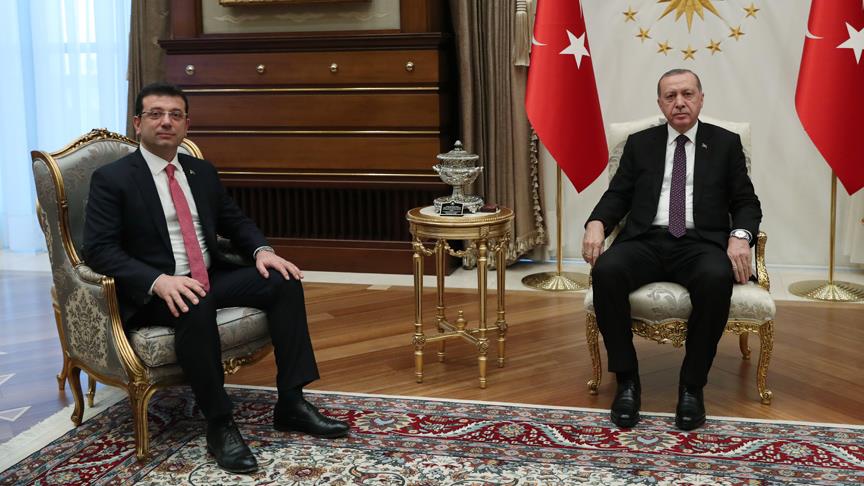
Ironically, İmamoğlu and Erdogan both hail from neighboring provinces in the Black Sea region. İmamoğlu was born in Trabzon, while Erdogan comes from the adjacent province of Rize
In recent weeks pro-Erdogan media outlets published reports referring to a private aircraft as “İmamoğlu’s jet,” suggesting that İmamoğlu had used or benefited from a luxury plane. Subsequent information from official records and statements in investigation files, however, showed that the aircraft does not belong to İmamoğlu, is not linked to the Istanbul Metropolitan Municipality and that İmamoğlu has never flown on it. Despite this the initial reports circulated widely before the claims were clarified, contributing to a narrative portraying him as living a lavish lifestyle without factual support
Investigations involving İmamoğlu are being led by İstanbul Chief Public Prosecutor Akın Gürlek, a former deputy minister of justice. Gürlek was believed to have been appointed to his current role as a special mission to suppress Erdogan’s opponents, a position that, under normal circumstances, would be considered a lower rank in the judiciary.
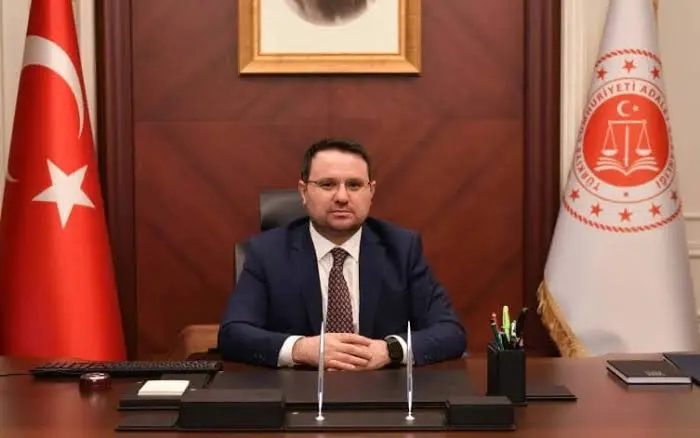
Gürlek has previously faced allegations of bribery and abuse of office, though government authorities have not pursued these claims, according to media reports. His official residence was established in a restored historic villa on the Bosporus. Gürlek’s spouse, Elif Gülşah Gürlek, holds a high-level public position as a board member of the Capital Markets Board (SPK), an appointment made by Erdogan. The post provides significant income, according to public records.
Concerns about the couple’s public profile arose after social media posts allegedly showing photographs of Gürlek and his wife prompted legal action. On November 6, 2025, Emrah Peküs, the owner of the X account Piyasa Türkiye was detained on charges of targeting persons involved in counterterrorism operations and violating the privacy of private life. However, the photographs have been publicly available in open sources for years.