
Abdullah Bozkurt/Stockholm
Turkey’s quest to acquire a second S-400 missile system from Russia’s arms export agency Rosoboronexport has gone nowhere over differences on technology transfer and software source codes, Nordic Monitor has learned.
Russia has made clear it is not willing to provide software codes on Identification Friend or Foe (IFF) systems to the Turkish side and listed a series of reservations to the transfer of missile technology.
As a result Turkey has failed to secure two key demands in the long-running negotiations with Russia while singing a different tune for the domestic audience and claiming success in overcoming the Russian reservations.
The stalled talks on the second deal show Ankara’s limits in lobbying Moscow to acquire missile technology and the failure of the poorly-thought-out policy crafted by the government of President Recep Tayyip Erdoğan to blackmail the US and its NATO allies.
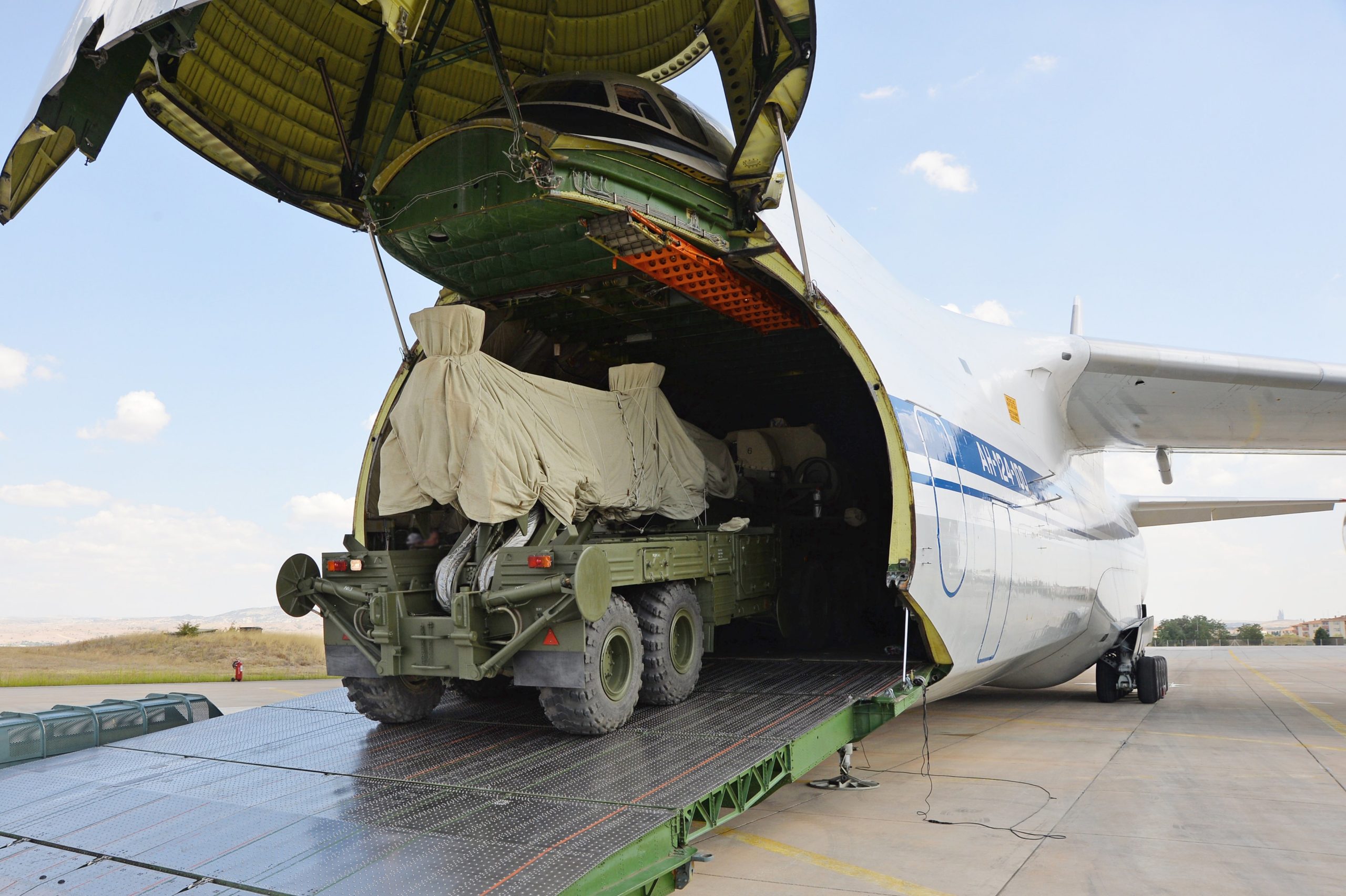
Turkey and Russia signed a contract on April 11, 2017 for two S-400 systems. The first delivery of S-400 missile batteries that started on July 12, 2019 and was completed in September 2019 did not provide Turkey with any technology transfer at all. Russia simply sent two S-400 batteries and more than 120 long-range missiles as part of the agreement along with experts to train Turkish soldiers on how to operate them.
That means the talking points often raised by Turkish officials who blamed Raytheon’s unwillingness to share technology for the failure to acquire Patriot missiles from the US did not reflect the real reason why Turkey opted for the Russian missiles.
When the technology transfer and co-production did not happen with the first contract, Turkish officials started floating claims for public consumption that the agreement on the second S-400 system that would be delivered to Turkey was contingent on co-production and technology transfer.
Yet, that remains an elusive goal, at least for now, considering the difficulty in the current negotiations with Russia. It also appears in hindsight to have been a tactical mistake on the part of Ankara to give up on these conditions before agreeing to go along with the purchase of first system. Perhaps President Erdoğan wanted to play a high-stakes game with the US, overplayed his hand and in the end got stuck with the Russian deal when Americans called his bluff.
“One of the important items among our terms is certain production and technology cooperation. … There are reservations [by Russia] about making certain concessions, but we are pressing them,” İsmail Demir, head of the Presidency of the Defense Industry (Savunma Sanayii Baskanligi, SSB), Turkey’s top defense procurement agency, said on November 17, 2011.
He highlighted that the issues of IFF and missile in co-production remained sticking points in talks and explained that this was the reason the negotiations were taking so long while vowing that Turkey would go ahead with the second purchase from Russia.
The reason Turkey did not press Russia for the fulfillment of co-production and technology transfer before agreeing to buy the first set of S-400s and left the talks on such matters for the second set is often attributed to the urgency of Turkey’s need to bolster its air defenses against missiles.
In that context, the delivery of first S-400s did not help at all as Turkey has so far not deployed the batteries other than running a test drill in October 2020. The government avoided responding to questions from the opposition in parliament and did not disclose what it actually did with the S-400s.
Even if the S-400 batteries become operational, they offer only limited coverage for Turkey’s air defenses. The Erdoğan government’s insistence on proceeding with the acquisition of Russian arms came at a high cost for Turkey. Ankara was not only expelled from the global F-35 Joint Strike Fighter program but also incurred a series of sanctions, embargoes and restrictions on procurement of defense articles from the US and other NATO allies.
To soften the US stance on Turkey, the Erdoğan government repeatedly said it was ready to buy Patriot missiles if Washington was willing to deliver. The same offer was also made to European NATO allies on Samp/T missiles. Turkey does not have much political capital to spend in either the US or Europe given the growing disengagement of Turkey from the common transatlantic goals and values.
In any case, Turkey now seems to be stuck between a rock and a hard place. It faces a hostile US Congress that is bent on blocking the transfer of significant arms to Turkey and a new US administration that is not willing to appease the Erdoğan government, in contrast to the previous Trump administration. Turkey’s talks to acquire Samp/T missiles from French-Italian partnership Eurosam have not gone anywhere, either. It may very well be blocked by France, which has faced a hostile Turkey in recent years.
In the meantime Turkey and Russia also have significant differences on a range of issues from the Caucasus to Ukraine and from Libya to Syria, which makes Moscow uneasy when it comes to helping boost Turkey’s ambitious defense industry programs.