Levent Kenez/Stockholm
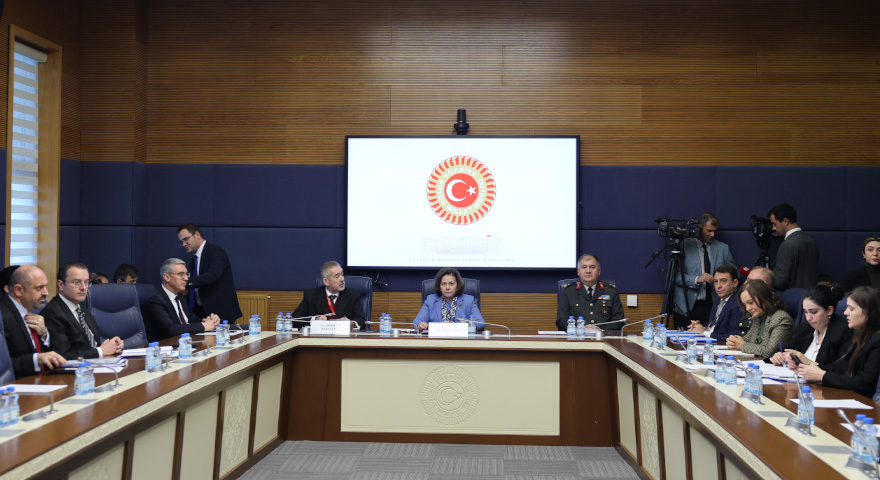
A heated debate in the Turkish Parliament has laid bare the growing unease over Ankara’s Africa policy, exposing a growing gap between diplomatic ambition and economic reality, as the deputy foreign minister came under sustained pressure from lawmakers during a tense session of parliament’s Foreign Affairs Committee. The scrutiny was led by committee chair and former vice president Fuat Oktay, who openly rebuked the ministry’s vague answers and lack of concrete data, demanding clear timelines, targets and measurable outcomes.
Lawmakers pressed the government and Deputy Foreign Minister Ayşe Berris Ekinci over why trade with key African countries remains stubbornly low despite years of political engagement, expanding embassies and repeated military cooperation agreements. The discussion revealed deep concerns that Turkey’s approach has become overly centered on defense cooperation while commercial ties, investment momentum and financial mechanisms lag far behind expectations.
The meeting on December 4, 2025, was triggered by the approval process of new military framework agreements with Zimbabwe and Gambia. Yet instead of focusing narrowly on the technical details of these accords, the session evolved into a broader reckoning with Turkey’s entire Africa strategy. Opposition lawmakers questioned why countries rich in minerals, ports and infrastructure needs have not translated into significant trade growth for Turkey, especially when compared with the massive footprints of China and other global competitors.
One of the central tensions in the room stemmed from a striking numerical contrast. Turkey’s trade volume with Zimbabwe hovers at around $30 million, a figure lawmakers described as negligible for a country with vast reserves of lithium, platinum, nickel, chrome and rare earth elements. China’s exports to the same country exceed $1.5 billion. This disparity became a symbol of what many lawmakers described as a structural failure to convert political goodwill into economic influence.
The defense-focused nature of recent agreements intensified this frustration. While military frameworks were presented as tools to establish legal grounds for broader cooperation, several members argued that these deals have become substitutes for a comprehensive economic strategy rather than complements to it. The repeated emphasis on training programs, armored vehicle deliveries and security cooperation drew criticism for overshadowing commercial partnerships, industrial development and long-term trade planning.
The financing question emerged as one of the most acute weaknesses in Turkey’s Africa engagement after Deputy Foreign Minister Ekinci openly acknowledged under direct questioning that Turkish companies frequently struggle to secure the large-scale financing needed for infrastructure, mining and port investments across the continent. This gap, she admitted, has allowed other global players with deeper financial backing to dominate major projects. The committee also heard that even when Turkish companies manage to win contracts, financing often comes from African or international banks rather than from Turkish financial institutions. This reality undercuts Ankara’s leverage and limits the strategic depth of its investments.
Ekinci also conceded that Turkey does have an Africa action plan but openly admitted that it has fallen short over time. She said the plan is now being revised to reflect new global dynamics, including supply chain competition, energy security and access to strategic minerals. Critical regions involving ports and mining zones are being mapped for potential future investments that could be submitted for presidential approval.
The committee debate also exposed concern about institutional preparedness. Members complained that officials frequently show up with broad diplomatic narratives but without precise data, timelines or measurable targets. Oktay sharply criticized the lack of actionable roadmaps, defined financing models and concrete deadlines, warning that parliament was being asked to approve framework agreements without any credible impact analysis. The absence of detailed answers on how Turkey intends to raise its Africa trade from roughly $37 billion to the $50 billion target announced by the presidency fueled skepticism about whether that goal is realistically achievable under the current framework.
Minutes of the parliament discussion on Ankara’a Africa policy:
Gambia provided another revealing case study. Turkey’s trade volume with the country has grown in recent years, reaching nearly $90 million. Yet lawmakers pointed out that this figure still fails to reflect the scale of Turkish commercial presence on the ground. Turkish companies are responsible for producing roughly half of Gambia’s electricity through floating power plants.
The disconnect between investment and trade data prompted questions about how profits are structured, where value is retained and how much benefit flows back into bilateral commerce. Critics argued that Turkey often provides infrastructure and security assistance without reaping proportional gains in exports, long-term supply contracts or industrial partnerships. This pattern, they warned, risks locking Turkey into a role as a supportive contractor rather than a dominant economic partner.
Beyond economics, the debate touched on accountability and political ownership of the Africa policy. Several lawmakers openly questioned whether such a strategically critical portfolio could continue to be managed without direct ministerial accountability before parliament. The deputy foreign minister’s inability to provide precise figures and binding commitments drew visible frustration across the committee, with Oktay repeatedly pressing for concrete answers instead of diplomatic generalities. The frustration expressed was not merely about missing data but concerned a broader sense that the Africa policy lacks a visible political drive at the highest levels during a period of intensifying global competition.
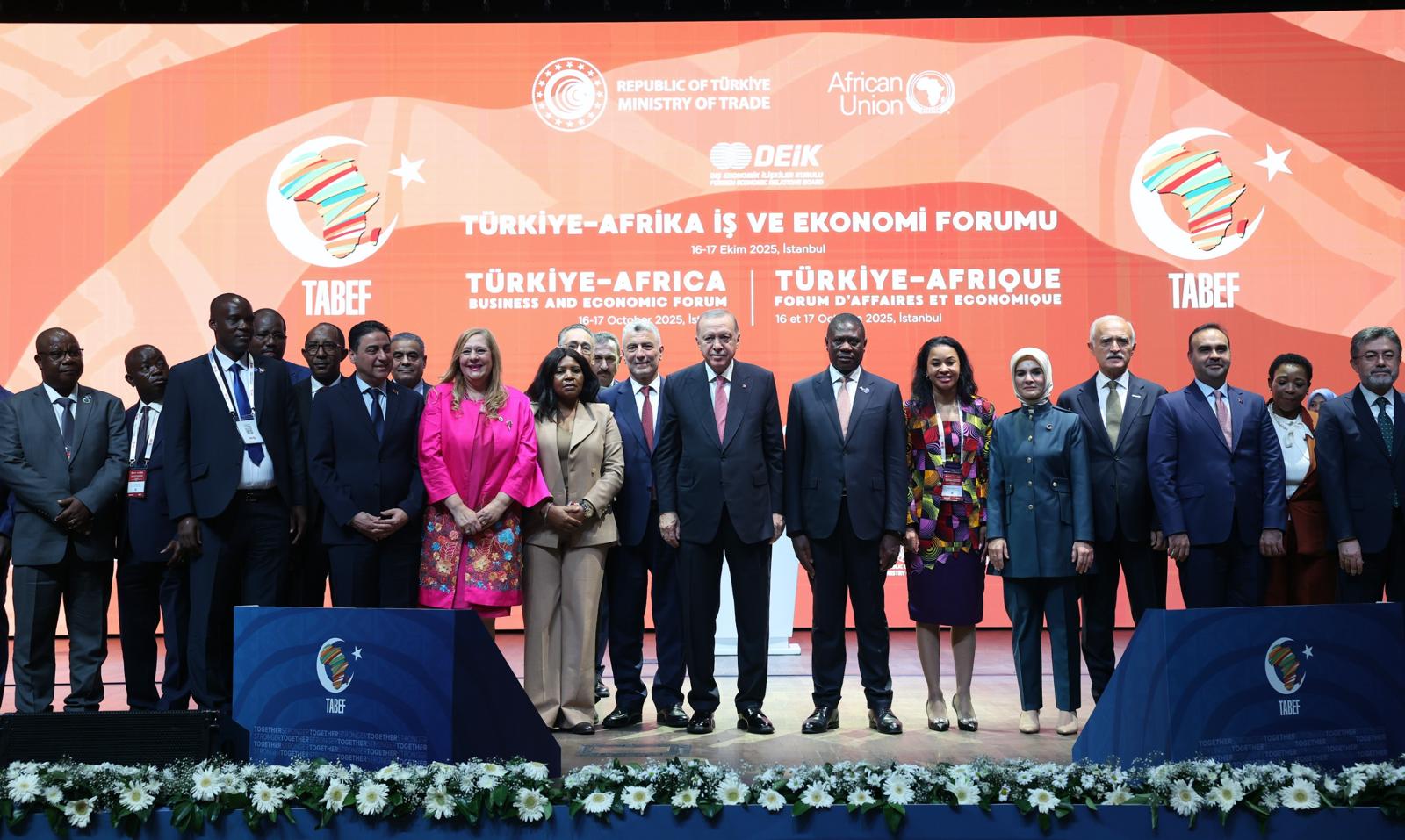
Supporters of the current approach defended Turkey’s long-term Africa engagement, emphasizing that trade has grown from roughly $5 billion in the early 2000s to around $40 billion today. They argued that Turkey’s model differs fundamentally from from countries that only take resources and is based on mutual development, infrastructure building and local capacity. They also pointed out that Ankara’s expanding diplomatic presence and military cooperation have helped establish trust in regions where Western influence has waned.
Despite the sharp criticism voiced in parliament, Turkey’s engagement with Africa has also recorded measurable advances in recent years.
Critics point out that while Ankara is frequently associated with defense exports because of the strong focus of President Recep Tayyip Erdogan and his family on the defense industry, trade relations have expanded across a much broader spectrum. The number of Turkish embassies on the continent has quadrupled from 12 in 2002 to 44 today, significantly expanding Turkey’s diplomatic reach.
Trade and economic cooperation agreements have been signed with 50 African countries, while bilateral investment promotion and protection treaties are in force with 31 nations, and double taxation avoidance agreements with 18. Turkey has also concluded free trade agreements with five African states. Within this framework, total trade volume between Turkey and Africa has increased sevenfold, rising from approximately $5.4 billion in 2003 to $34.5 billion by the end of 2021 and to nearly $38 billion in 2023, with officials projecting that it will reach $40 billion this year and $50 billion by 2028. Turkish Airlines, meanwhile, has become the foreign carrier with the most extensive African network, operating direct flights to more than 60 destinations in 42 countries.