
Abdullah Bozkurt/Stockholm
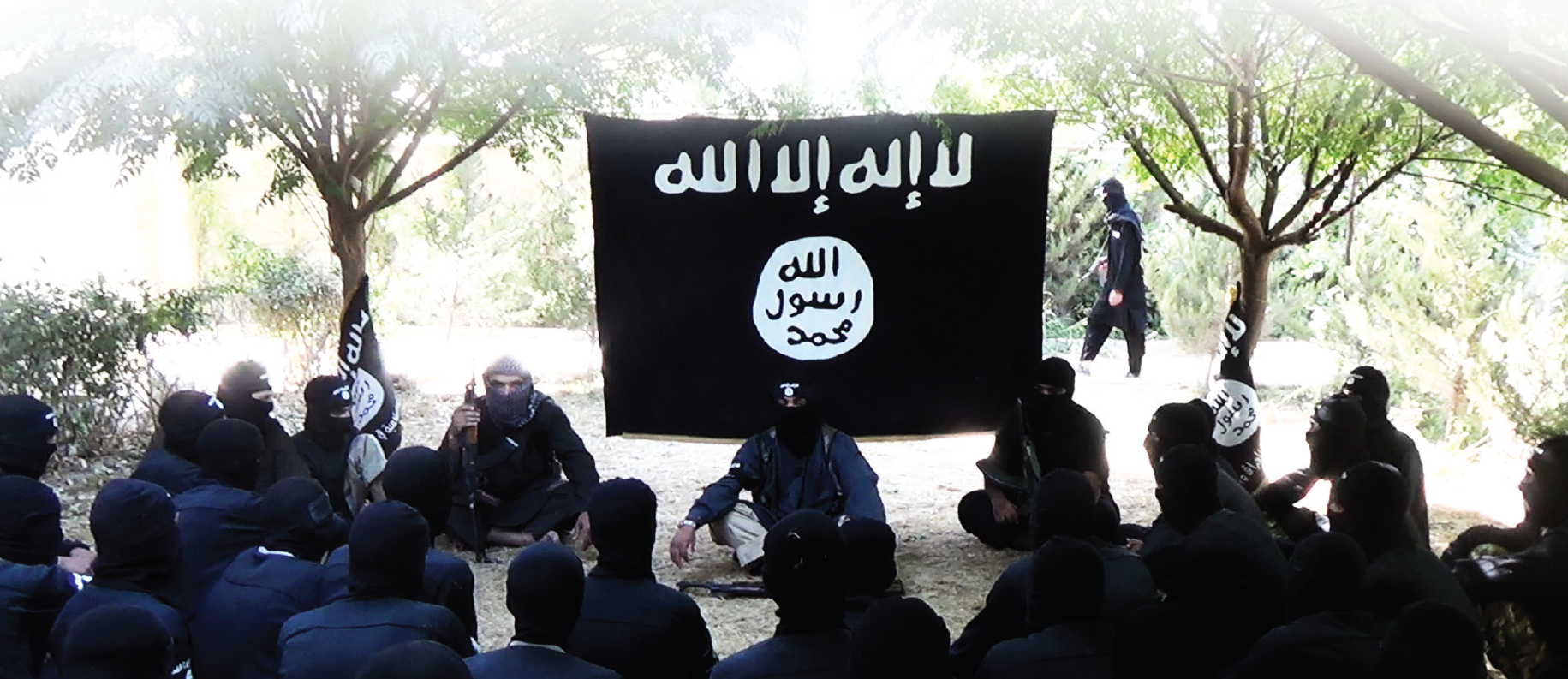
A special team authorized by top leadership of the Islamic State in Iraq and Syria (ISIS) screened foreign fighters arriving in Syria and selected them for assignments abroad after the completion of training in explosives and arms as well as religious courses.
According to a secret assessment report prepared in 2016 by the Security General Directorate (Emniyet), a select group of foreign fighters who arrived in Syria were dispatched to other countries for attacks based on their skill sets. The militants were taught how to use encrypted software and coded language in communications and were provided with cash and contacts for settling discreetly in other countries.
The document, obtained by Nordic Monitor, indicated that the security directorate transmitted classified information through an interagency cooperation mechanism called OBIPAS (Operational Information Sharing System, or Operasyonel Bilgi Paylaşım Sistemi in Turkish).
OBIPAS is a pool system that was established to share sensitive intelligence among the police, gendarmerie, intelligence agency MIT, General Staff and Foreign Ministry. The intelligence was reviewed and submitted to the command at the General Staff on May 19, 2016 as part of the daily intelligence briefing to update senior military leadership.
According to the report, aspiring jihadists were first asked to apply to an ISIS bureau where the candidates was instructed to fill out two copies of an application form. They were then sent to centers for a month of religious study that concluded with a final exam. Those who failed were forced to repeat the course for another month. The report noted that in May 2015 ISIS had issued orders stating that it was mandatory for men who serve in combat to receive religious education in designated mosques for a month.
The secret intelligence assessment report on the modus operandi of ISIS militants:
ISIS candidates who completed the religious course were sent to the field for training during which they were selected by ISIS commanders for various units based on their performance and physical abilities. The first priority in the selection process was given to the Army of the Caliphate Brigade (Jund ul-Khilafa), which was described as an elite commando unit of ISIS that engaged in major battles. The Jaysh al-Tawhid got second choice from the pool of new recruits.
Those who did not make the cut in any unit in the first round were sent to new training for a month. Training in explosives and close combat followed the arms training.
The ISIS leadership sent a special selection committee to observe the fighters during the arms training. The committee members singled out some fighters to be deployed overseas based on their skill set as well as the profile information in the entry forms. The militants were also provided with cash before departure for their assignments in other countries.
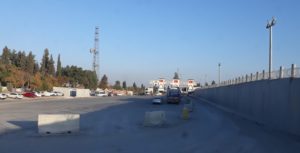
The report noted that ISIS terrorists used the Karkamış border crossing in Gaziantep province to enter Turkey from the Jarabulus area of Syria. While smugglers keep the soldiers busy, ISIS militants exploited holes in the walls to make the illegal crossing.
They traveled by cab in Syria all the way to the Turkish border to make the crossing. In Turkey ISIS operatives kept a low profile, pretended to be family, stayed in hotels for a brief period and then leased apartments and furnished it to keep up the appearance of a normal family. The name of a trusted real estate broker and contact information was transmitted by ISIS handlers in Syria. Preparations for terrorist attacks were made in leased apartments whose curtains were kept closed all the time.
ISIS members were instructed not to take long-term jobs in Turkey for fear that they wouldn’t be flexible enough to carry out the orders of the jihadist organization. They were told what to do, which provinces to go to, who to contact, etc., through Telegram and in coded messages. They were asked not to make regular phone calls to avoid wiretapping surveillance.
In communications, ISIS provided courses in Syria on how to use an encryption program called Truecrypt to keep files secret on flash drives. Before being dispatched abroad, ISIS members were provided with a phone without a SIM card, and the Telegram program was installed on the phone. In Turkey they got unregistered SIM cards or purchased ones that were already registered to somebody else. Then they started communicating with their superiors in Syria over Telegram.
The arms and explosives to be used by ISIS terrorists were supplied by members who were already in Turkey. The bombing mechanism was not fully complete when it was handed over to the courier, who was instructed to finish the final adjustments to the device. The courier would stash the explosive device in a hiding place until he received an encrypted message from ISIS commanders in Syria on whom to give it to.
The courier and bomber communicated with each other over the encrypted phone application and made an appointment for a first meeting to discuss details in a secluded area. The handover of explosives would take place at the second meeting. Funds were transferred through money exchange houses operated by Syrians in provinces such as Konya, Antalya, Şanlıurfa and Gaziantep.
The report also covered the media propaganda arm of ISIS and listed some of the well-known publications associated with the group. It stated that the now-defunct ISIS magazine Dabiq was not just an online publication but was printed and distributed in hard copy in Syria during the time ISIS still had control of many parts of the country. The report highlighted that a number of ISIS websites were active, including Ajnad, al-Furqan, al-Battar and Dajle.
ISIS issued a daily one-page bulletin called Neba in Syria to promote its views. It also had a radio broadcast under the name of al-Bayan.
As for ISIS’s law enforcement functions, the report stated that ISIS ran its own police force called Hisbah, a kind of morals police whose role was to enforce Shariah law in territories under ISIS control. In addition to Hisbah, ISIS had an elite police unit called Emniyyin (Emni) whose members often covered their faces with ski masks. ISIS called car bomb attacks “Istishhad” and suicide bombers who used vests to blow themselves up “Inghimasi.”