
Levent Kenez/Stockholm
Turkey recorded a sharp rise in drug-related arrests, seizures and prison populations in 2025, according to official data released by the Interior Ministry, the Justice Ministry and the national police. The figures reveal the scale of a drug economy that continues to grow despite repeated government announcements highlighting large-scale operations.
Interior Minister Ali Yerlikaya said last week that 43,524 people were arrested in drug operations in 2025 and added that 100,509 people were arrested in narcotics operations over the past two-and-a-half years. The data were presented as proof of intensified enforcement. At the same time the volume of arrests and seizures has documented how easily narcotics enter, move through and circulate within the country.
Police and judicial statistics show that drug-related crimes have become one of the largest categories in Turkey’s criminal justice system. In 2024 alone authorities recorded more than 309,000 narcotics offenses nationwide. Of those cases, 258,141 were for purchasing or possessing drugs for personal use, accounting for about 83.5 percent of all recorded drug crimes. Only around 44,000 cases, roughly 14 percent of the total, involved drug production or trafficking.
Turkey sits at the crossroads of major trafficking routes, where heroin from Afghanistan, synthetic drugs from Europe and cannabis and cocaine from South America converge. Official seizure and arrest data indicate that these routes remain active and accessible.
Speaking to the Turkish Parliament’s Budget and Planning Committee on November 5, 2025, Trade Minister Ömer Bolat emphasized the scale of narcotics seizures at the country’s borders. Bolat said customs authorities had seized narcotics worth 40.118 billion lira during the year with a total weight of 30 tons, 100 kilograms. The remarks were presented as evidence that the state had control over drug trafficking at border crossings.
The figures cited by Bolat reflected seizures carried out exclusively at border gates overseen by the Trade Ministry. They did not include drugs intercepted elsewhere in the country by police, gendarmerie or coast guard units.
The total volume of heroin, cocaine, cannabis, skunk, methamphetamine and synthetic cannabinoids seized nationwide reached approximately 105 metric tons, far exceeding the quantities reported by customs alone. Seizures of tablets rose to 115.8 million pills, driven largely by synthetic pharmaceuticals. Authorities reported 94.7 million synthetic drug tablets seized in a single year, along with 15.9 million Captagon pills and 5.1 million ecstasy tablets.
Methamphetamine seizures reached 33,833 kilograms, the highest total ever recorded in Turkey. Cannabis and skunk seizures amounted to 61,501 kilograms, while heroin seizures totaled 4,346 kilograms, cocaine 3,082 kilograms and synthetic cannabinoids 2,491 kilograms. Official data show that many of these categories increased sharply compared to previous years, reflecting sustained growth or record levels across multiple drug types.
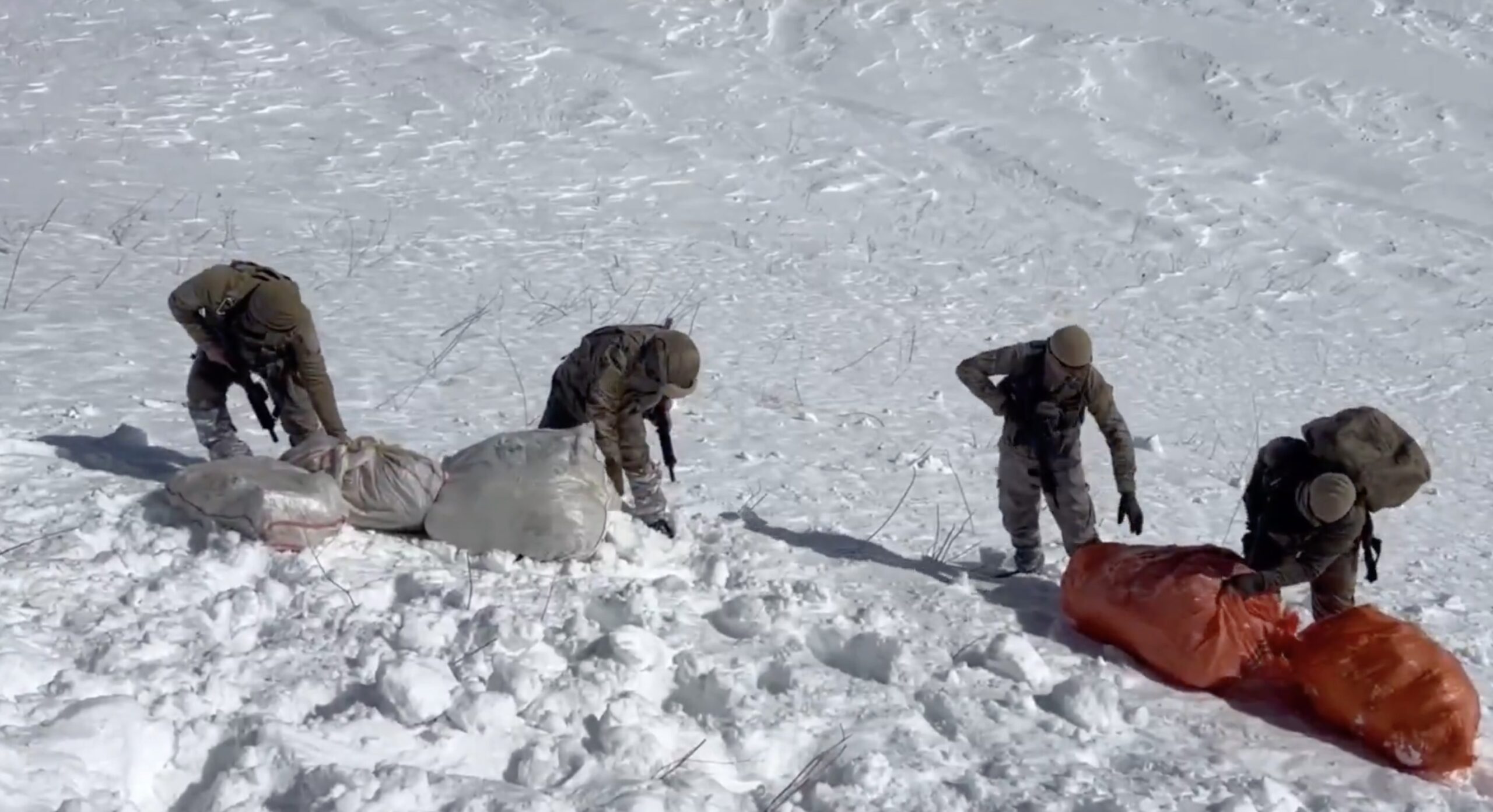
The financial scale of the drug economy is reflected in seizure data. In 2024 police seized 32 billion Turkish lira in cash during drug operations. Authorities also confiscated 251 vehicles and 640 properties linked to narcotics investigations in the same year. The size of these seizures points to a multi-billion dollar illicit market operating across the country.
The breakdown shows that enforcement activity has focused primarily on end users rather than on supply networks. In addition, over the past two months police operations targeting well-known figures accused of drug use, including celebrities, artists, singers and journalists, have further reinforced this perception. While pro-government media outlets have increased coverage of cases involving individual users, similar reporting or visible enforcement actions against major drug traffickers or cartel-level figures have not been observed.
Prison statistics underline the impact on the penal system. According to Justice Ministry data Turkey had 405 prisons as of 2024 with new facilities already planned. The total number of inmates exceeded 384,000. Of these, 149,523 were held for drug-related offenses, accounting for nearly 40 percent of the entire prison population.
The figures show that even operations aimed mainly at users have been sufficient to fill a large amount of space in Turkey’s prisons. Drug offenses have become one of the main drivers of incarceration growth, putting additional pressure on an already crowded system.
The government has increased spending on drug enforcement, but the scale of funding remains limited compared to the size of the market it targets. Police data show that the budget allocated to drug enforcement rose by 49 percent in 2024, reaching 10 billion lira. This amount remains lower than the cash seized in drug operations during the same year.
Health and treatment capacity figures point to additional strain. As of the end of 2024 Turkey had 143 substance addiction treatment centers. Sixty-four centers provided both inpatient and outpatient services, while 79 offered outpatient treatment only. Total inpatient bed capacity nationwide stood at 1,582.
During 2024 treatment centers recorded 390,778 outpatient visits related to substance addiction. This marked an increase from 349,000 in 2023 and 302,000 in 2022. The upward trend shows growing demand for treatment services as drug use expands. In the same year 14,053 applications were made for inpatient treatment. After removing repeat cases, authorities reported that 10,776 individuals sought inpatient care.
The limited number of inpatient beds compared with the volume of applications has restricted access to sustained treatment. The data indicate a gap between enforcement-focused policies and the capacity of the public health system to respond to addiction.
Key findings are included in Turkey’s 2024 narcotics report prepared by the national police, which shows that the age at which people begin using drugs in Turkey is steadily declining:
Mortality data provide another indicator of the trend. In 2024 authorities recorded 427 deaths directly linked to substance use. The average age of those who died was 34.7. Of the total, six deaths involved individuals aged between 15 and 18, while 160 were under the age of 30. Four deaths occurred outside the 15 to 64 age range.
The age distribution shows that drug-related harm increasingly affects younger segments of the population. Combined with arrest and treatment figures, the mortality data indicate a growing social impact.
Along with enforcement, Turkey has also relied on frequent changes to its execution of sentences. In recent years repeated amendments to the penal system have expanded conditional release and supervised probation, resulting in the early release of large numbers of prisoners. These measures have effectively functioned as partial amnesties.
The most recent example came with what is known as the 11th Judicial Package, published in the Official Gazette on December 25, 2025. Under the new regulation the scope of supervised release was expanded for individuals who committed crimes before July 31, 2023. With this change, between 50,000 and 90,000 prisoners are expected to be released or transferred to supervised probation. Official data and court records indicate that a significant portion of those expected to benefit from the regulation were convicted in drug-related cases.