Levent Kenez/Stockholm
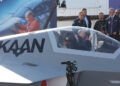
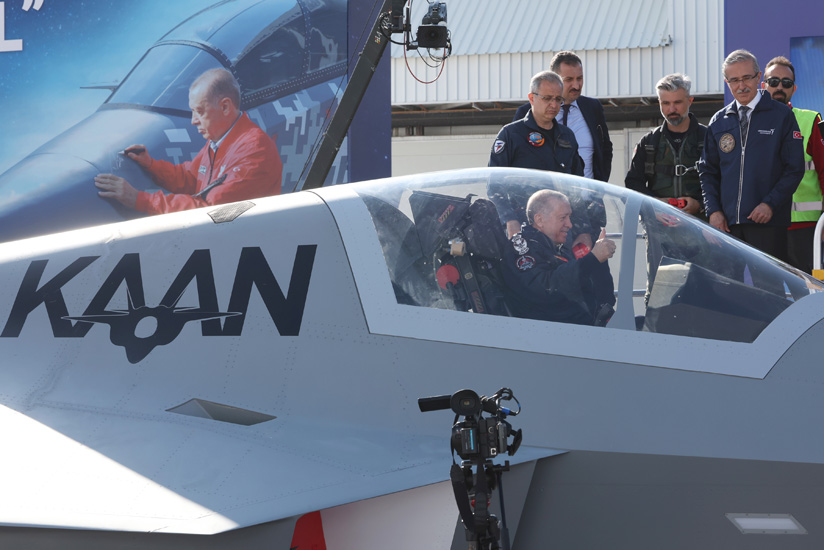
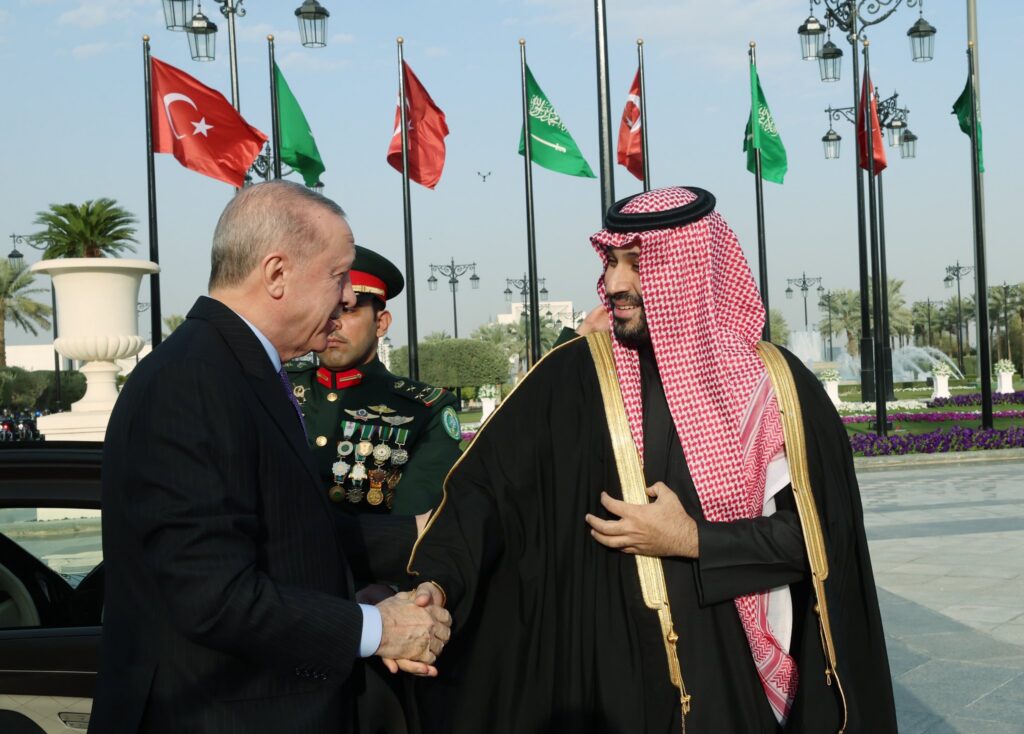
Turkey is continuing its search for foreign financing and industrial partners for its indigenous fifth-generation fighter jet program, KAAN, as President Recep Tayyip Erdogan signaled potential cooperation with Saudi Arabia following his visit to the kingdom on February 3, reflecting ongoing efforts to secure external funding for one of Ankara’s most ambitious defense projects.
Speaking to journalists on his return flight, Erdogan said cooperation with Saudi Arabia on KAAN could include joint investment, describing the aircraft as both a military platform and a symbol of Turkey’s engineering and defense autonomy. He said discussions with Riyadh covered expanding defense industry cooperation and that a partnership could materialize “at any time,” according to remarks released by the presidency.
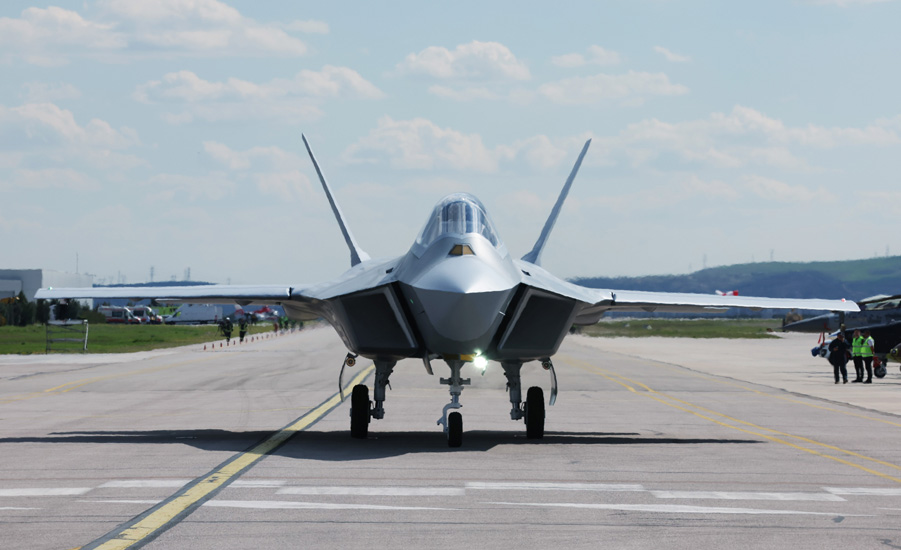
The comments come as Turkey continues to seek financial participation from foreign partners to sustain the costly development of KAAN, previously known as TF-X, a twin-engine stealth fighter jet intended to replace the Turkish Air Force’s aging fleet of F-16 aircraft and position Turkey as a producer of advanced combat aircraft.
Developing a fifth-generation fighter jet requires substantial long-term funding. Estimates for the KAAN program’s research, development and initial production phase range between $10 billion and $12 billion, with total costs expected to rise as testing and serial production advance. Unit prices have been projected at roughly $80 million to $100 million per aircraft, though Turkish Aerospace Industries officials have said the final figure could be higher depending on production scale and export success.
Turkish officials have repeatedly emphasized that international partnerships are necessary to offset development costs and reduce financial pressure on the state budget. Analysts say such cooperation is particularly important given Turkey’s economic constraints and currency volatility, which increase the cost of imported components and foreign technology used in the program.
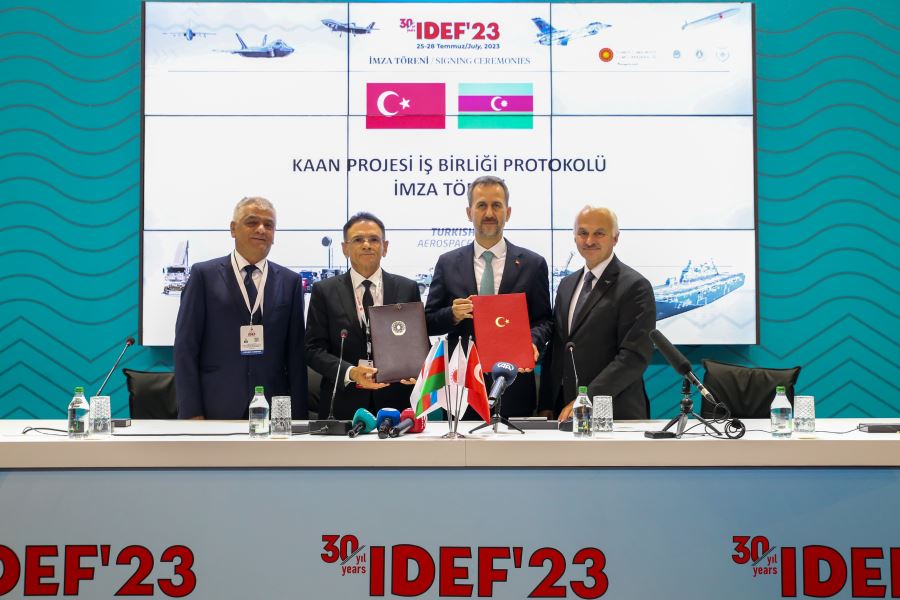
Azerbaijan was previously presented as a potential partner. Ankara and Baku signed a cooperation protocol covering production collaboration and technical participation, and Azerbaijani personnel were expected to contribute to development activities. However, no concrete financial commitment or production investment has been publicly confirmed since the agreement was made, leaving Ankara to continue its search for additional partners.
Saudi Arabia now appears to be the latest candidate. Erdogan’s remarks followed meetings in Riyadh in which defense cooperation featured prominently, though Turkish officials have not disclosed details on possible funding levels or industrial arrangements. The prospect of Saudi participation aligns with Riyadh’s broader strategy of investing in domestic defense manufacturing and joint ventures with foreign partners.
Turkey has previously announced or discussed defense cooperation initiatives with several Gulf countries, but many proposed investments have not resulted in finalized projects or sustained financing. Earlier pledges of Gulf investment across multiple sectors have often progressed more slowly than initially announced.
The financing issue has become increasingly central to the KAAN program since technical challenges continue, particularly regarding engines. The prototype aircraft currently uses General Electric F110 engines, the same power plant used in F-16 jets, while Turkey seeks to develop or procure an indigenous alternative for later production batches.
Foreign Minister Hakan Fidan previously drew attention to the issue when he said the United States was not providing engines for Turkey’s national fighter jet program, a statement that generated significant political debate at the time and reflected Ankara’s dependence on foreign propulsion technology during early phases of development. Turkish officials have since explored options including cooperation with British and Ukrainian companies, but negotiations have yet to produce a finalized long-term engine solution.
The engine question remains closely linked to financing. Developing a domestic engine requires additional investment and extended timelines, adding to overall program costs. Without international partners or export orders, analysts say the per-unit cost of the aircraft could increase significantly, potentially limiting procurement numbers for the Turkish Air Force.
The KAAN program achieved a milestone in February 2024 with its first test flight. However, the aircraft is not expected to enter operational service before the mid-2030s at the earliest, and that timeline remains dependent on successful testing, funding continuity and supply chain stability.
Turkey’s broader defense procurement challenges have intensified the urgency of securing external financing. Ankara was removed from the US-led F-35 Joint Strike Fighter program in 2019 following its purchase of Russian S-400 air defense systems, forcing the country to rely more heavily on domestic projects while simultaneously seeking upgrades and new acquisitions for its existing fleet. Turkey has also signed an agreement with the United Kingdom related to the procurement for Eurofighter Typhoon aircraft as part of efforts to address near-term capability gaps while long-term projects such as KAAN continue.
KAAN is intended to not only meet domestic operational needs but also to become an export platform capable of generating long-term revenue. Turkish Aerospace Industries has previously indicated that large export orders or partner participation could help distribute development costs and stabilize production economics.
Despite official optimism, the program’s financing remains unresolved. The lack of confirmed financial contributions from Azerbaijan and the absence of finalized agreements with other prospective partners point to the continued uncertainty surrounding funding.